Irrigation Sockets play a crucial role in modern agriculture. These tools enhance water efficiency for crops, benefiting farmers worldwide. By utilizing advanced technology, irrigation sockets ensure precise water delivery. This results in healthier plants and higher yields.
Global buyers are increasingly recognizing the importance of irrigation sockets. They offer versatility, allowing them to be used across diverse climates. Top manufacturers guarantee durability and reliable performance. Additionally, these sockets often require minimal maintenance, providing convenience for users.
However, not all irrigation sockets are created equal. Buyers must research to identify reliable brands. Assessing local needs is essential for optimal use. This thoughtful approach ensures that farmers make informed decisions, maximizing the benefits of irrigation sockets in their practices.
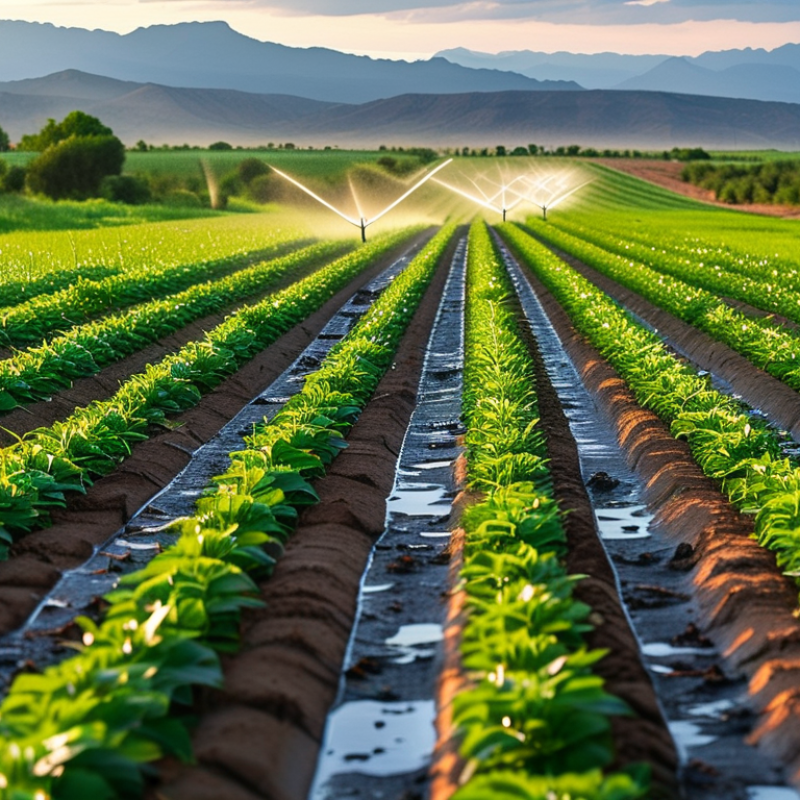
Irrigation sockets play a crucial role in modern agriculture. They provide a reliable system for delivering water to crops. Understanding their function can benefit farmers and agricultural businesses worldwide. These sockets connect irrigation tubes efficiently. They help distribute water evenly across large fields. This even distribution ensures that crops receive the moisture needed for growth.
Another benefit of irrigation sockets is their adaptability. They can fit various irrigation systems, whether drip or sprinkler. This versatility allows farmers to optimize their water usage. Improved water management can lead to higher crop yields. However, improper installation can lead to leaks and waste. It’s essential to monitor their performance regularly.
Farmers must also consider local conditions when using irrigation sockets. Soil type and climate can influence the effectiveness of these systems. A one-size-fits-all approach may not work. Regular training and guidance on best practices can enhance their use. Understanding the intricacies of irrigation sockets can lead to better agricultural outcomes.
Irrigation sockets provide practical solutions that benefit farmers globally. They offer direct water delivery to crops. This efficiency reduces water waste. Farmers can manage water usage more effectively. Also, it lowers costs associated with traditional irrigation methods.
Using irrigation sockets supports healthy crop growth. They ensure that plants receive the right amount of water at key stages. This can lead to improved yields. Better yields mean increased income for farmers. However, improper installation can lead to uneven water distribution. Regular maintenance is essential to avoid pitfalls.
Farmers also appreciate the adaptability of irrigation sockets. They can be used in various soil types. This versatility supports diverse agricultural practices. However, farmers must understand local conditions. They should assess the soil and climate before adopting this technology. Understanding these factors can maximize benefits and minimize challenges in implementation.
Irrigation sockets are an essential tool for enhancing water efficiency. They provide targeted irrigation, reducing waste and promoting healthy plant growth. By delivering water directly to the roots, plants receive just what they need. This not only conserves water but also prevents overwatering, which can harm crops.
For farmers and gardeners, it's vital to monitor water usage regularly. Understanding how much water each plant requires can lead to better management. Consider experimenting with different watering schedules. Some plants may thrive with less frequent watering, which can save even more water.
Investing in high-quality irrigation sockets can lead to long-term savings. However, it's essential to check for leaks or clogs periodically. Neglecting this can undermine water conservation efforts. Additionally, integrating soil moisture sensors can provide real-time data. This aids in adjusting your irrigation practices for maximum efficiency.
| Benefit | Description | Impact on Water Efficiency | Conservation Potential (%) |
|---|---|---|---|
| Precise Water Delivery | Allows targeted watering directly to the roots. | Reduces overwatering and runoff. | 30% |
| Labor Efficiency | Lowers the need for manual watering. | Minimizes labor costs. | 20% |
| Reduced Soil Erosion | Minimizes water runoff that can erode soil. | Improves soil health and fertility. | 40% |
| Adaptability to Various Crops | Suitable for diverse types of crops. | Enhances overall crop productivity. | 25% |
| Water Resource Management | Promotes efficient use of available water resources. | Enhances sustainability. | 35% |
| Ease of Use | User-friendly designs for quick installation. | Facilitates timely watering. | 15% |
| Improved Crop Yield Quality | Promotes healthy growth and high-quality harvests. | Increases market value of produce. | 50% |
| Reduced Water Waste | Minimizes evaporation and runoff losses. | Contributes to greater water savings. | 45% |
| Technological Integration | Compatible with smart technology for monitoring. | Improves efficiency through data-driven decisions. | 30% |
| Enhancement of Soil Moisture Levels | Helps maintain optimal moisture levels in soil. | Reduces plant stress and increases resilience. | 40% |
Irrigation sockets play a crucial role in enhancing crop yield and quality. According to a report from the Food and Agriculture Organization (FAO), effective irrigation can increase crop productivity by up to 50%. These sockets provide precise water delivery directly to the root zone. This targeted approach minimizes water waste and nutrient runoff, promoting healthier plants.
However, not all systems work perfectly. Soil type, climate, and crop variety can influence results. Some irrigation sockets may require frequent maintenance or adjustments, especially in varied terrain. Studies show that improper use can lead to uneven watering, which may negatively impact crop growth.
Tips: Monitor soil moisture regularly. This helps ensure that crops receive adequate water. Evaluate the local conditions before choosing an irrigation system. Tailoring your approach can enhance overall effectiveness. Remember, even minor changes can lead to significant improvements in yield and quality.
Irrigation sockets play a crucial role in enhancing cost-effectiveness for global agricultural buyers. Recent reports indicate that effective irrigation can boost crop yields by up to 40%. This increase significantly outweighs the initial costs associated with installing irrigation sockets. Farmers are increasingly recognizing that these systems not only conserve water but also lead to lower utility bills in the long term.
Additionally, adopting advanced irrigation socket technology can reduce labor costs. For instance, automated systems require less manual oversight. This seems promising, yet some farmers remain hesitant about the upfront investment. Understanding the long-term returns can help alleviate these concerns.
Tips: Always assess the soil conditions before installation. This can help in selecting the most suitable irrigation socket. Regular maintenance of the system is essential to prevent water wastage. While irrigation sockets offer clear advantages, potential issues like installation errors can detract from their benefits. These should be carefully evaluated during planning stages for optimal results.
: Irrigation sockets are tools that provide targeted irrigation for efficient water use. They deliver water directly to plant roots.
They reduce water waste by minimizing overwatering. This targeted approach ensures plants only receive what they need.
Regular monitoring helps understand plant needs. It can improve management and prevent unnecessary water usage.
Yes, different plants may require varying watering frequencies. Adjusting schedules can save water and enhance growth.
Look for leaks or clogs periodically. Neglecting this can waste water and undermine conservation efforts.
Soil moisture sensors provide real-time data. This helps adjust irrigation practices for better efficiency and plant health.
Effective irrigation can increase crop yield by up to 50%. They ensure precise water delivery and promote healthy plants.
Evaluate soil conditions and local climate. This aids in selecting the best irrigation sockets for your crops.
Yes, installation errors can hinder benefits. Regular maintenance and proper adjustments are crucial for optimal performance.
While the initial investment may be high, they can reduce long-term utility bills and labor costs. Consider the returns carefully.
Irrigation Sockets have emerged as a vital tool in modern agriculture, providing numerous benefits that appeal to global buyers. These sockets facilitate efficient water management, allowing for precise control over irrigation practices which not only conserves water but also enhances overall water efficiency. By ensuring optimal water distribution, Irrigation Sockets significantly contribute to improved crop yield and quality, making them essential for farmers aiming to maximize their harvests.
Moreover, the cost-effectiveness of Irrigation Sockets is a major advantage for agricultural buyers worldwide. The initial investment in these systems often leads to substantial savings in water resources and improved crop performance, ultimately driving profitability. As the demand for sustainable farming practices continues to grow, the role of Irrigation Sockets in promoting efficiency and agricultural success becomes increasingly important in the global market.

Minde