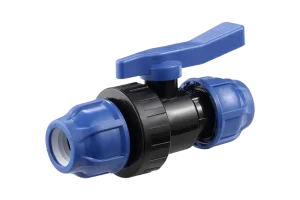
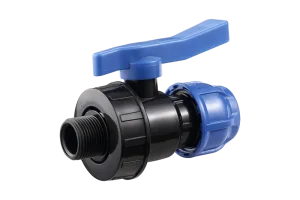
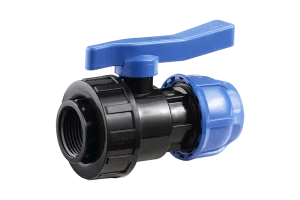
Engineered with premium virgin polypropylene to ensure robust leak-tight connections for commercial infrastructure, domestic utilities, and industrial irrigation.
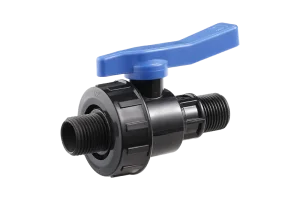
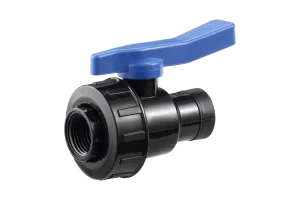
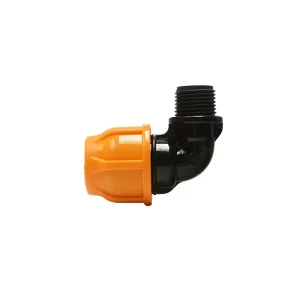
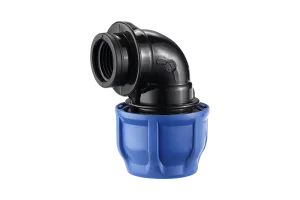
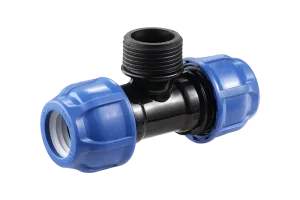
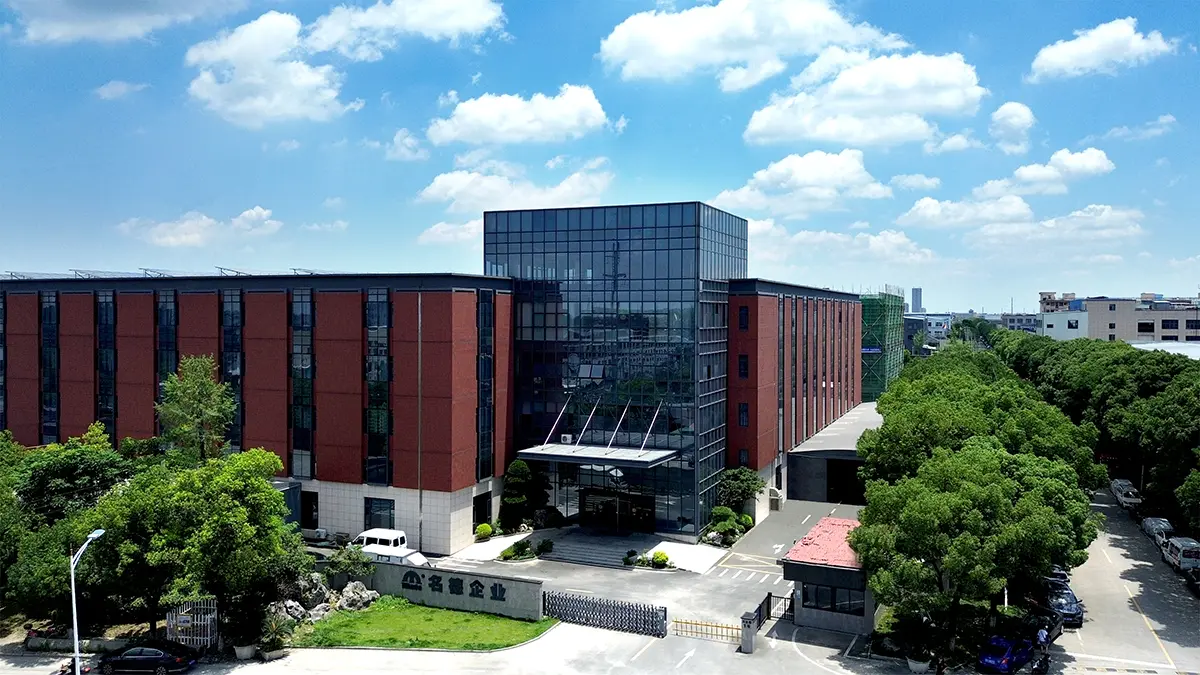
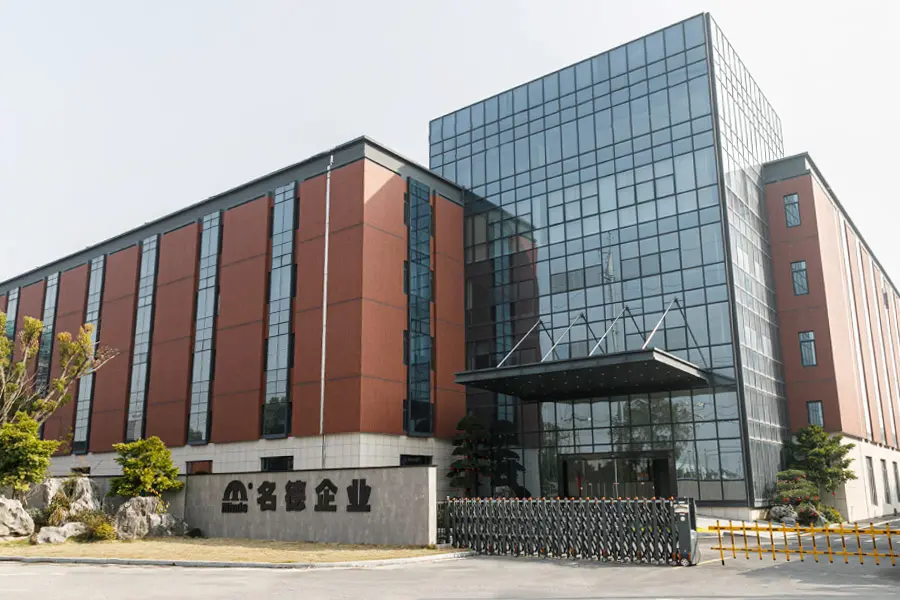
Rooted in Zhejiang Province, China, we are a premier manufacturing factory focusing exclusively on the research, production, and global distribution of high-grade plastic pipes and matched compression fittings. Over the past two decades, Minde has evolved into a trusted infrastructure partner serving municipal plumbing, high-efficiency agricultural irrigation, and floor heating engineering fields.
Continuous processing technologies utilizing imported virgin materials for superior chemical and physical stability.
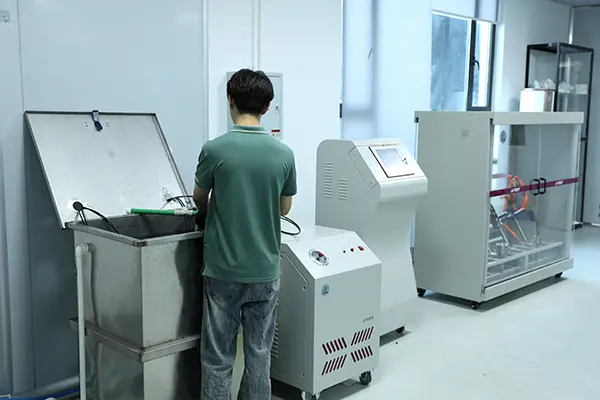
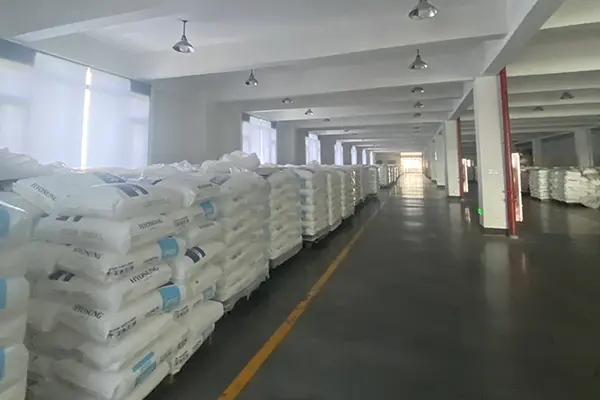
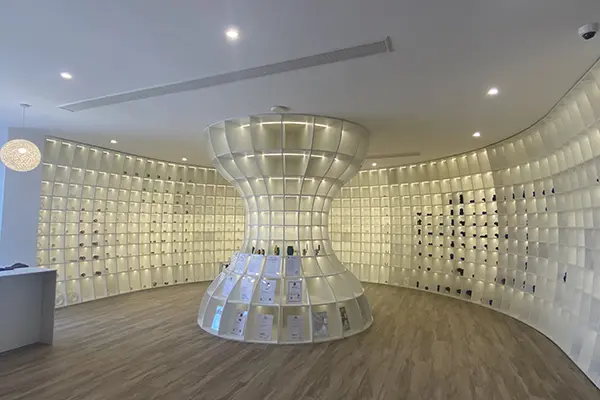
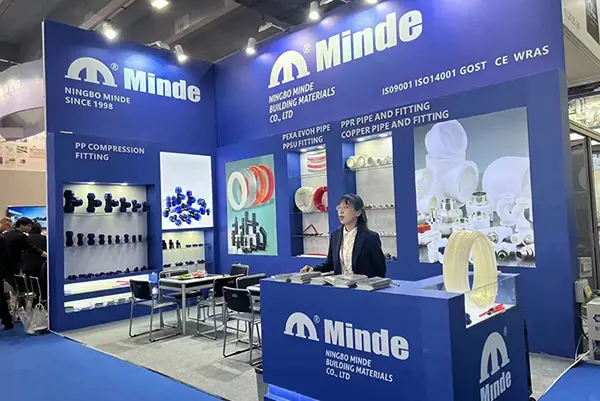
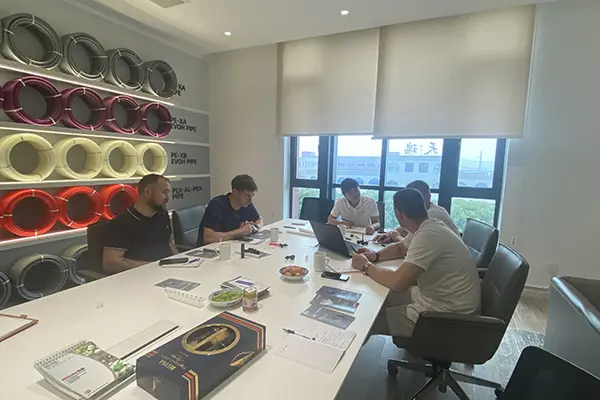
How Ningbo Minde ensures global engineering safety and material durability across multi-state fluid networks.
Strict inspections across raw material intake, mid-process manufacturing variables, and final hydraulic pressure evaluations to achieve zero-defect performance.
Exclusively sourcing certified pure copolymer PP and PPR granules. Free of structural fillers or recycled scrap, resulting in higher environmental safety and life cycles.
Over two decades of engineering research translates into precise thread geometries, excellent torque control, and reliable physical-stress resistance.
Fully audited by international testing institutes, conforming to standard specifications worldwide.
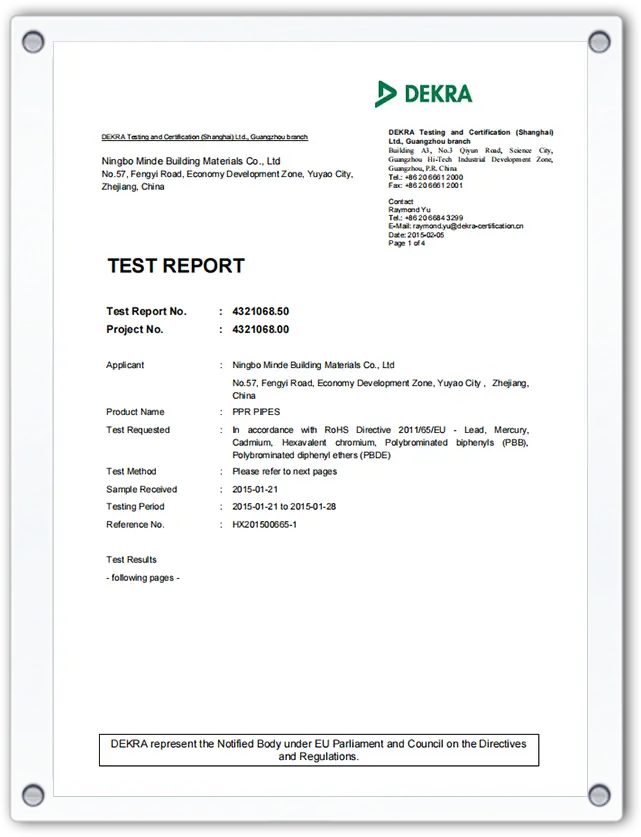
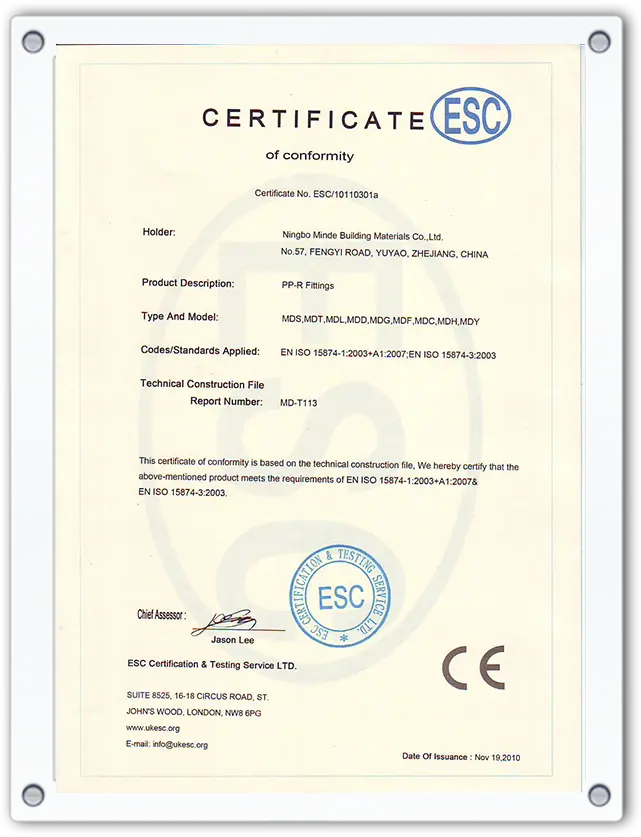
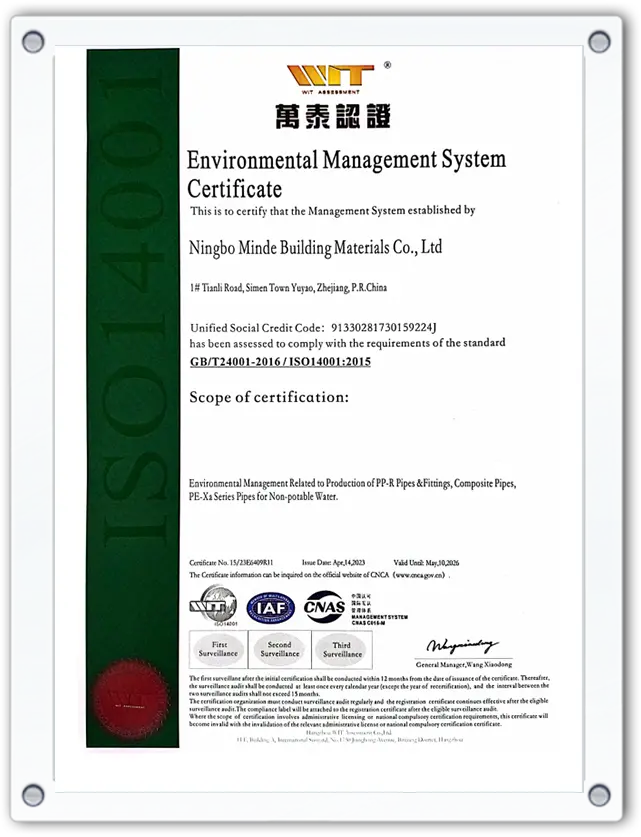
Successfully compliant with ISO9001:2022, ISO14001, CE, British WRAS, and Russian GOST standards. Supporting pipeline networks in Europe, Russia, South America, and the Middle East.
A comprehensive analysis of design physics, material science, procurement optimization, and factory 4.0 evolution in high-performance thermoplastic piping systems.
Industrial piping systems demands extreme resilience, chemical resistance, and long-term joint integrity. Traditional alloy-based valves suffer from chemical corrosion, scale build-up, and high galvanic currents. The introduction of engineered polymers, specifically Polypropylene (PP) and its advanced copolymers, has changed liquid transmission systems. Among these control devices, the PP Union Ball Valve is a critical engineering component.
The mechanical performance of these valves depends heavily on molecular structures. Standard Polypropylene Homopolymer (PP-H) offers high structural stiffness, but exhibits vulnerability to low-temperature brittleness. Ningbo Minde incorporates premium copolymer formulations, which combine robust propylene matrices with ethylene monomer inclusions. This enhances elastic modulus, impact strength, and stress-crack resistance under dynamic pressure fields.
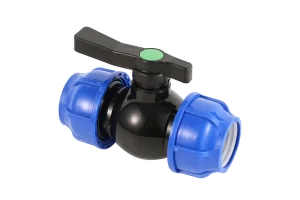
The core mechanism—the *Union* design—features a single or double thread connection collar. This allows the central valve body to be disconnected and serviced inline without cutting the HDPE or PP pipes. By tightening the union nut, axial force is exerted onto elastomer O-rings (typically EPDM or Viton/FKM), producing a leak-proof radial seal. Additionally, the integrated PTFE (Teflon) ball seat reduces friction during actuation, securing stable operating torque throughout the service life.
Infrastructure engineers, regional distributors, and purchasing officers face rising raw material costs and volatile shipping schedules. Sourcing PP union ball valves and compression fittings requires balancing unit cost, certificate compliance, and supply chain capability.
For major water utilities and agricultural networks, procurement involves strict risk mitigation. Purchasing uncertified components may result in early pipeline failure, water hammer damage, and chemical leaching. Sourcing from accredited Chinese manufacturers like Ningbo Minde minimizes these risks.
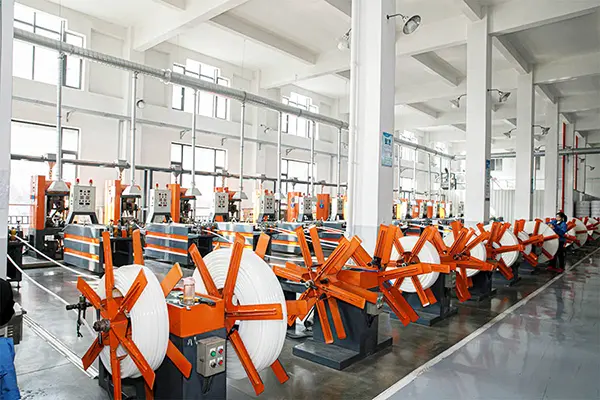
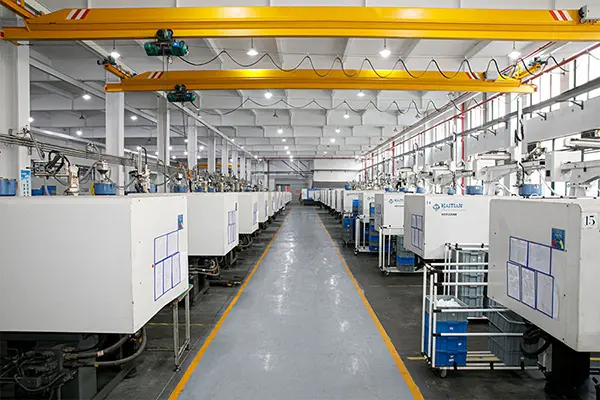
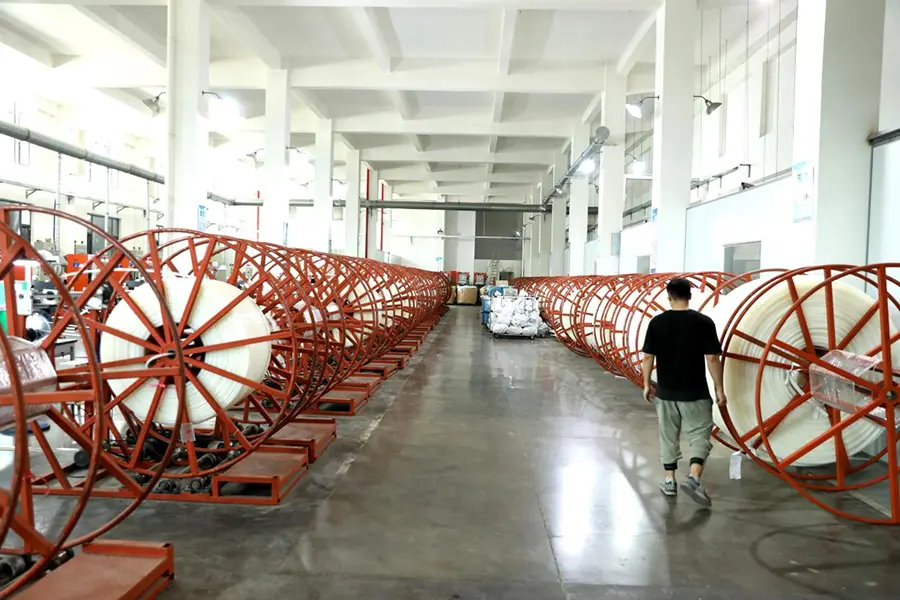
Modern manufacturing in China has shifted from simple assembly work to high-tech, data-driven automation. As a leading exporter of polymer fittings, Ningbo Minde uses automated systems to maintain quality across long production runs.
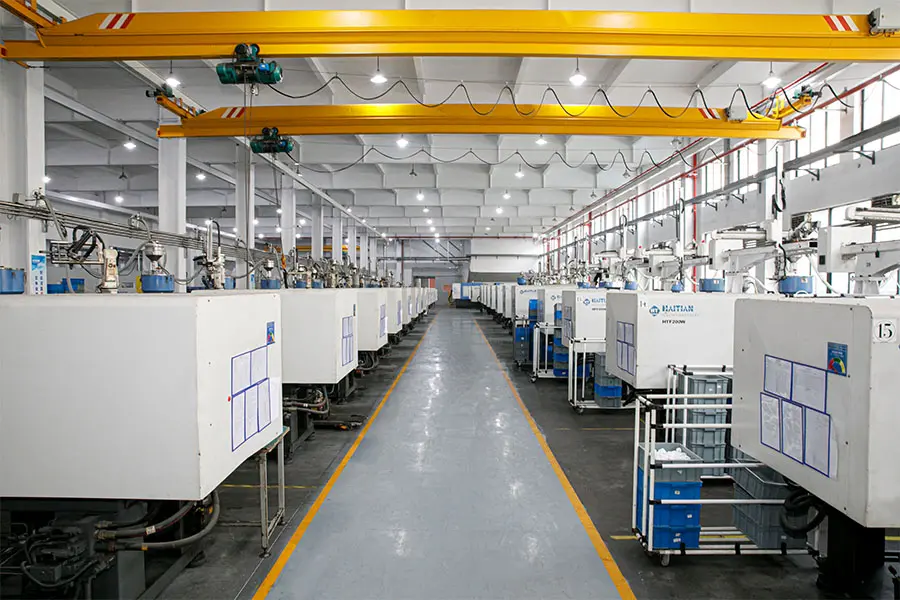
Our factory has 45 automated pipe extrusion lines and 85 heavy-duty injection molding machines. These systems operate with a centralized material feeding system. This closed-loop configuration ensures polymer raw materials remain free from dust, humidity, and contamination.
Precision temperature controls are applied across all molding phases to prevent inner structural voids, skin defects, and dimensional changes. Mold temperatures are regulated to avoid internal stresses that could compromise the pressure rating of the final PP valves (PN10/PN16).
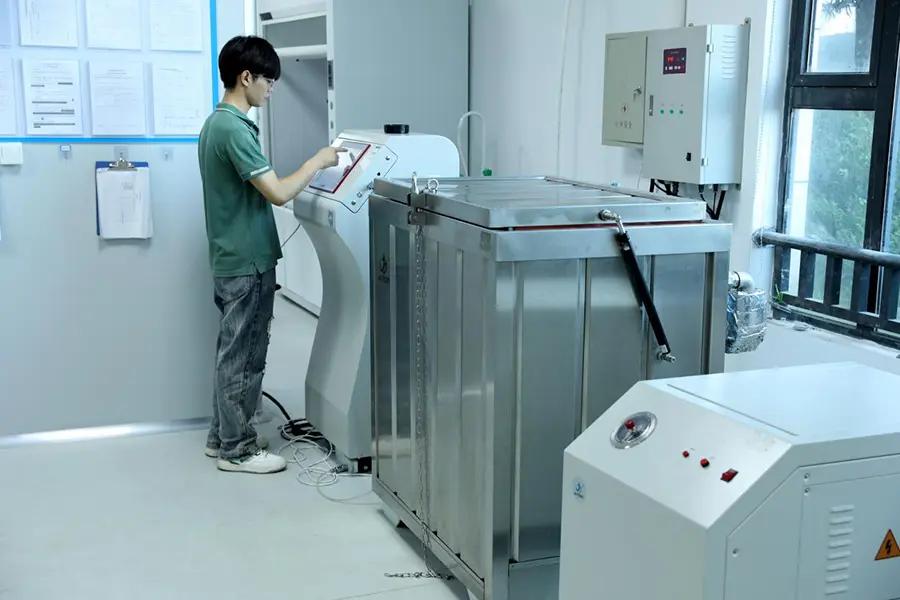
Minde's quality control program operates three inspection checkpoints. First, incoming raw materials undergo density and melt flow index (MFI) analysis. Second, in-process monitoring inspects wall thickness and weight consistency. Finally, finished products undergo hydraulic pressure destruction testing, thermal aging evaluation, and torque testing. This ensures each batch complies with ISO9001:2022 performance requirements.
PP union ball valves perform in diverse thermal, physical, and chemical conditions globally. System designs must adapt to these localized variables:
High-Efficiency Agricultural Irrigation: In arid regions of South America and the Middle East, agricultural piping is exposed to intense UV radiation and chemical fertilizers. Minde's PP compression fittings feature integrated carbon black and UV inhibitors to prevent polymer degradation and environmental stress cracking.
Residential Municipal Utilities: Potable water networks require safe, non-toxic components. Our certified PPR pipes and PP valves prevent scale build-up and biological growth, maintaining high water quality over decades of service.
Underfloor Heating Infrastructure: Hydronic heating loops experience cyclic temperature swings from -10°C to 50°C. These conditions require components with low thermal expansion coefficients and reliable joint sealing. Our fittings are designed to maintain seal integrity during thermal cycling.
The fluid dynamics industry is focusing on smart integration and circular economy principles. Looking ahead, three key trends will shape the production and use of PP union ball valves:
Bio-Based & Recyclable Polymers: Manufacturers are researching bio-derived polymers to reduce carbon footprints while maintaining the mechanical performance of petrochemical PP.
Smart Valves & IoT Integration: Industrial systems are beginning to incorporate smart sensors into double union valve bodies. These sensors monitor flow rates, pressure drops, and seal degradation, providing real-time data to help prevent system leaks.
Precision Digital Modeling: Advanced CAD/CAE tools are used to optimize internal flow channels, minimizing turbulent flow, cavitation, and friction losses. This optimization reduces energy use in associated pump systems.
Providing reliable fluid control across global agricultural, residential, and industrial networks.
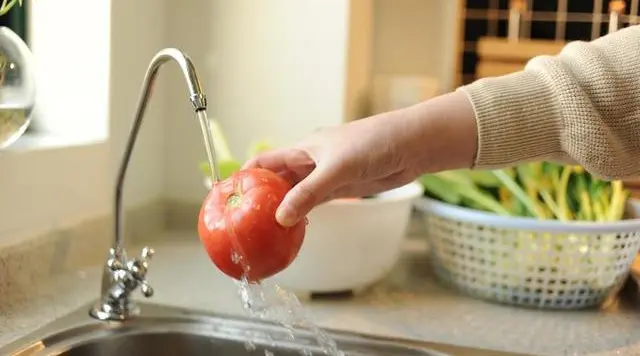
Certified clean, non-toxic polymer fittings and PP valves for residential, commercial, and municipal potable water networks.
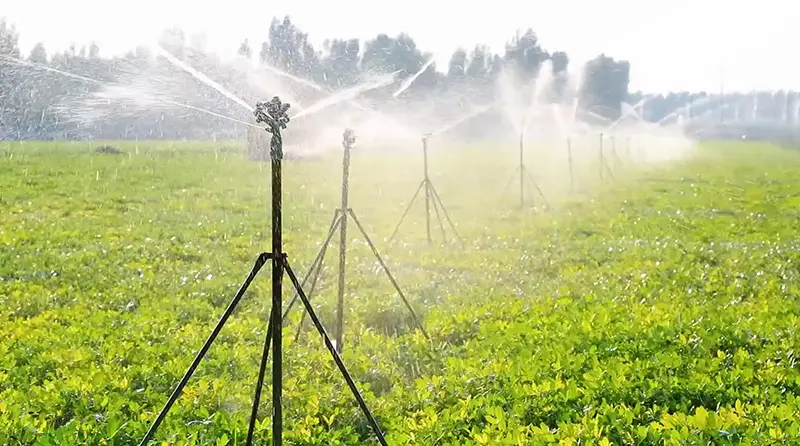
High-flow, chemical-resistant fittings built to withstand UV exposure and fertilizer chemicals in modern farms.
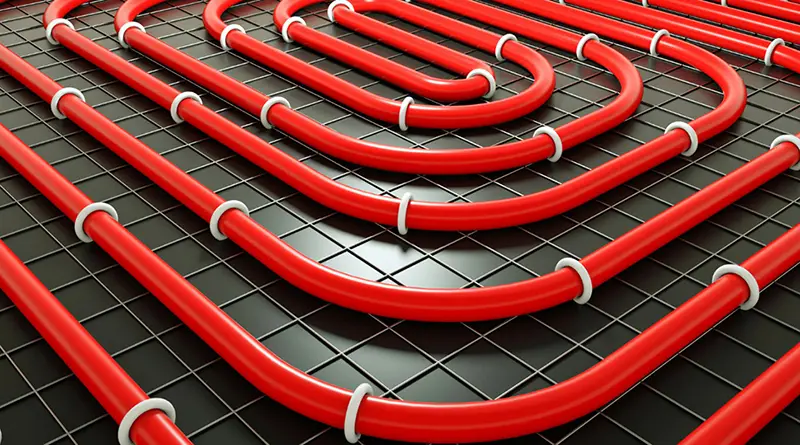
Temperature-resistant PE-Xa and PPR piping systems designed to handle hot water distribution with low thermal fatigue.

Professional insights into the selection, installation, and maintenance of PP union valves.
PN stands for Nominal Pressure (Pression Nominale). A PN10 rating indicates a maximum operating pressure of 10 bar (approximately 145 PSI) at a baseline temperature of 20°C. A PN16 rating designates a maximum operating pressure of 16 bar (approximately 232 PSI) under the same temperature conditions. Higher PN ratings indicate thicker walls and stronger joint interfaces.
A Double Union valve features two union nuts and end connectors, allowing the entire center valve body to be removed from the pipeline for cleaning or service without altering the adjacent piping. A Single Union valve only permits disconnection on one side, which limits inline maintenance flexibility.
Yes, our products are made from certified virgin polypropylene copolymer and comply with international sanitary and toxicological standards, including British WRAS approval. They do not impart odor, taste, or chemical contaminants to potable water.
PP provides excellent resistance to aqueous solutions of inorganic salts, weak and strong acids, and alkaline solutions. Unlike metals, it is immune to electrochemical rust and galvanic corrosion. It also exhibits superior temperature stability compared to PVC, maintaining structural strength up to 80°C in low-pressure applications.
With 85 injection molding machines and 45 automated lines, we maintain a high production capacity. Our standard lead time for full container orders is 20 to 30 days. We also offer OEM services, including custom brand stamping, thread modifications, and tailored packaging configurations.
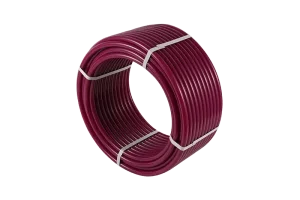
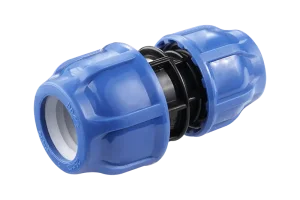
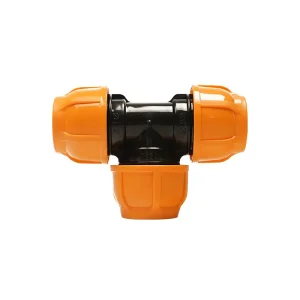
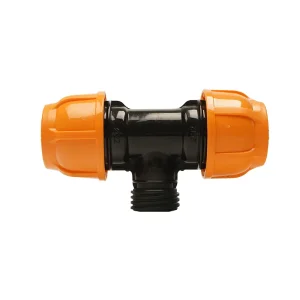
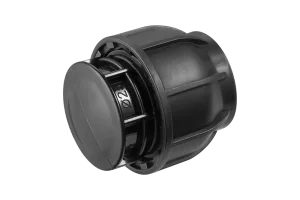
Complete your piping networks with our certified compression couplings, tees, elbows, and specialty polymer tubes.
 Minde
Minde