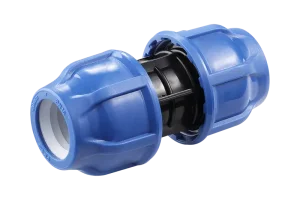
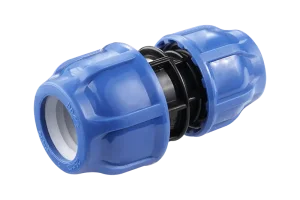
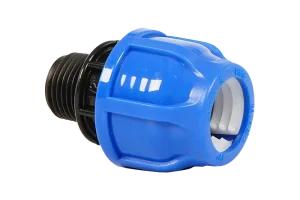
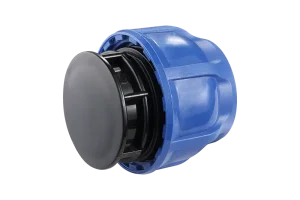
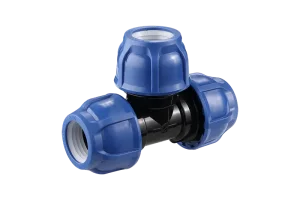
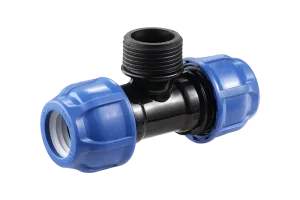
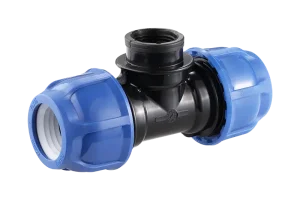
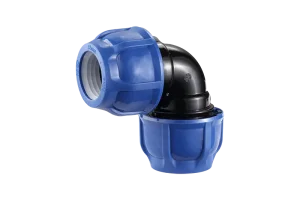
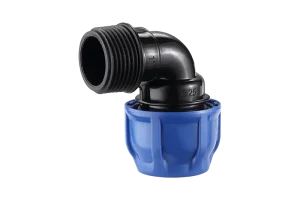
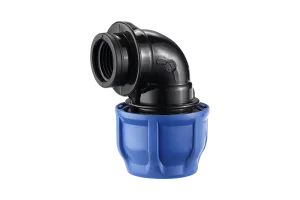
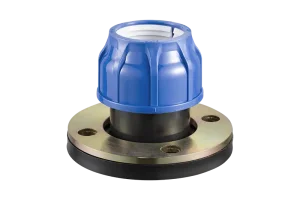
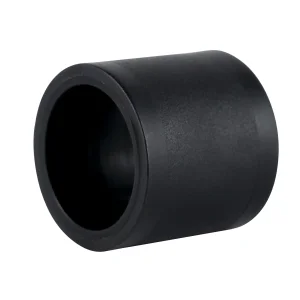
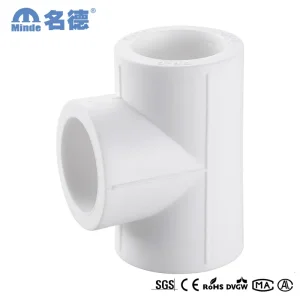
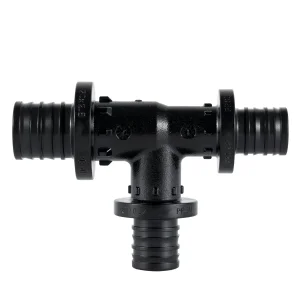
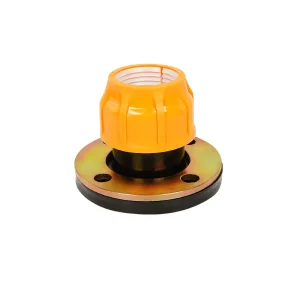
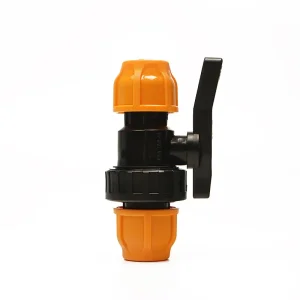
Explore our core manufacturing range, featuring precision-engineered PN16 PP compression fittings, high-density polyethylene connectors, and specialized radiant system expansion rings.
Modern commercial project managers, municipal procurement offices, and tier-1 infrastructure contractors operate within high-stress scenarios. Choosing the correct HDPE pipe fittings is not merely a question of baseline per-unit costs. The real-world metrics that dictate success involve joint integrity under transient pressure spikes, resistance to environmental stress cracking, UV stability in open environments, and rapid installation protocols that minimize expensive on-site labor.
Minde’s signature Blue-series PN16 PP compression fittings are architected specifically to overcome these micro-level engineering vulnerabilities. In complex piping systems, standard structural junctions represent the highest risk vector for catastrophic failure. Our blocks of high-grade virgin polypropylene copolymers offer superior elastic-recovery characteristics and dimensional stability, ensuring that our compression rings and elastomeric seals maintain structural tension for over 50 years.
Engineered to support global infrastructural expansion, agricultural food security systems, and high-efficiency commercial buildings.
Municipal water safety demands non-toxic, corrosion-free piping infrastructure. Our high-pressure PP compression fittings and PPR systems prevent secondary pollution, eliminate heavy-metal leaching, and maintain pressure consistency across long-distance arterial lines.
Modern intensive farming requires high-performance distribution. Our UV-resistant couplings and elbows withstand aggressive fertilizer compounds, soil movement, and dynamic thermal cycling from day to night in global cultivation zones.
Integrating high-efficiency PEXa piping systems with NSF61-certified PPSU floor heating rings. Ensures completely leak-proof thermal loops inside structural concrete slabs, maximizing thermal transfer efficiency over decades.
How Minde pushes polymer performance forward. A structured look at structural chemistry and next-generation production processes.
Our raw material sourcing is restricted to premium, certified virgin polypropylenes and high-density polyethylenes. Unlike competitors that blend post-consumer recyclate (which degrades the molecular chain length and induces premature environmental stress cracking), Minde's material displays uniform melt flow rates (MFR) and optimal density metrics. This molecular uniformity translates directly to consistent shrinkage parameters during automated injection molding, ensuring that every thread, lip seal, and flange matches engineering tolerances down to the micron.
Minde's engineering team is currently developing bio-based high-molecular-weight polymers that maintain traditional PN16 physical performance profile while cutting carbon footprint by 40%. Concurrently, we are piloting smart pipeline sensors integrated directly into our larger PN16 flange interfaces, allowing real-time pressure, temperature, and leakage diagnostics via industrial IoT gateways.
Below are the verified mechanical thresholds of Minde's PP Compression systems under laboratory validation cycles:
A deep dive into our localized capacity, modern automated workshops, and production logistics.
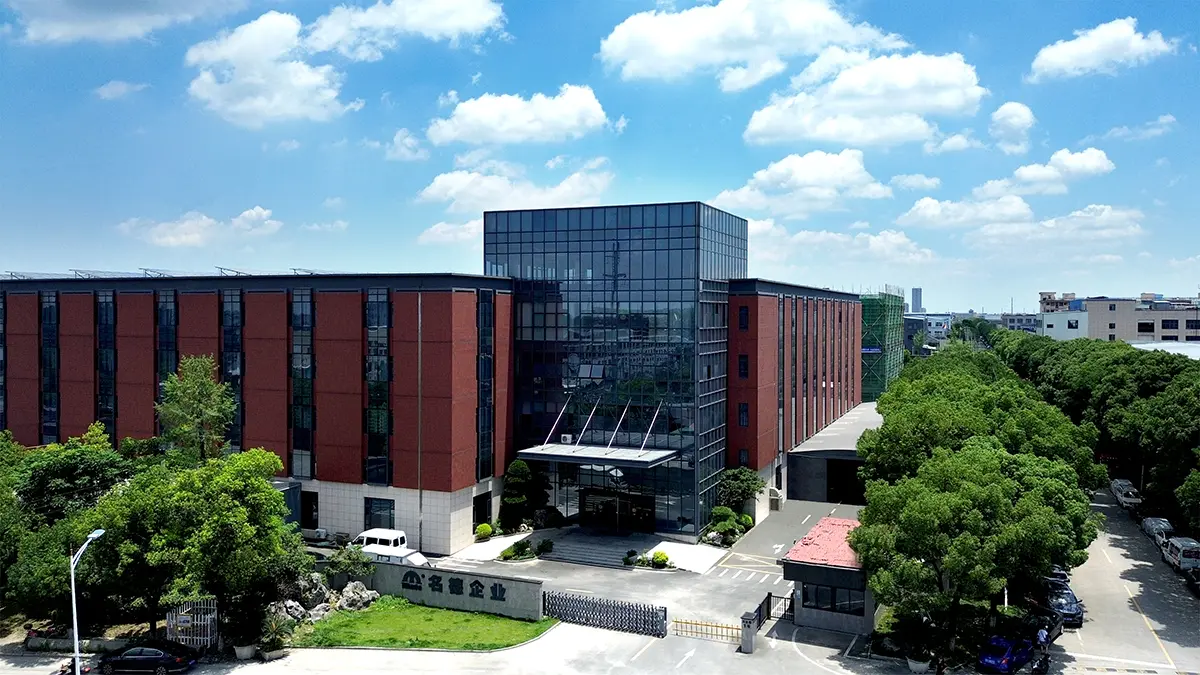
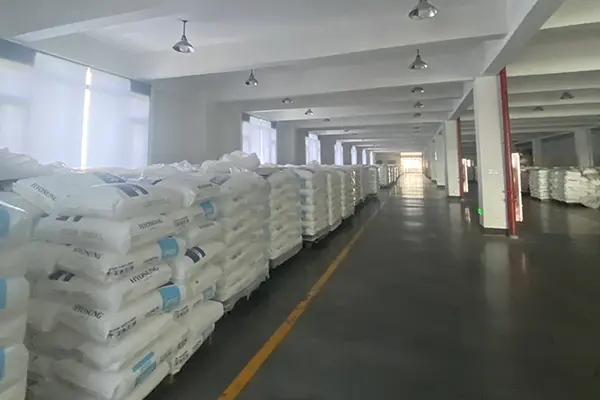
Ningbo Minde Building Materials Co., LTD., based in Zhejiang Province, China, has accumulated over 20 years of manufacturing experience. Our modern facility serves as the foundation for our global supply capability. We balance large-volume output with strict quality compliance, supplying infrastructure initiatives and residential pipelines around the world.
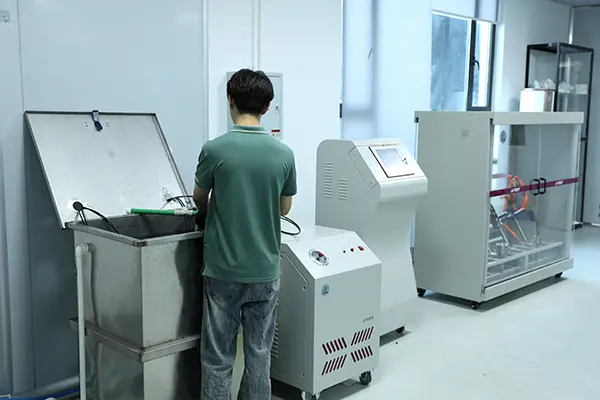
To support high levels of consistency, our production floors are automated with central feeding systems that transfer raw material from vacuum silos directly to the extruder throat, eliminating environmental contamination. Every run of pipeline materials goes through three quality gates: raw material verification, real-time in-line thickness inspection, and final destructive hydro-burst tests.
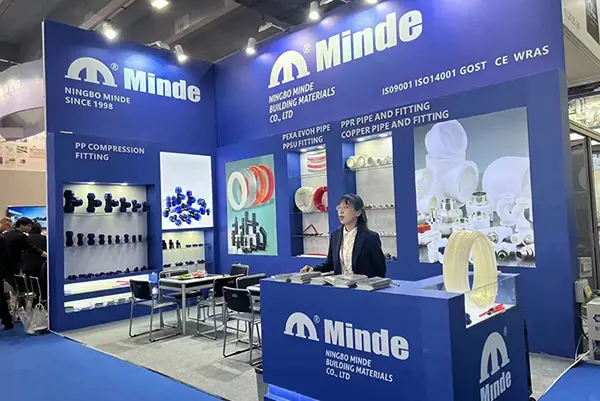
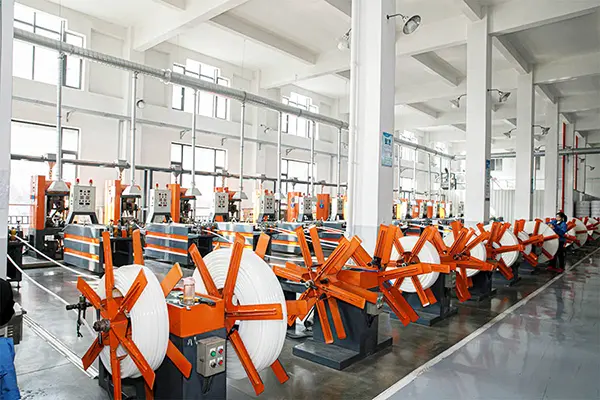
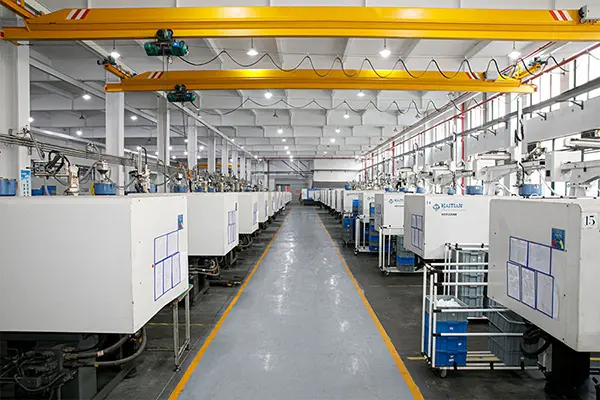
Verifiable compliance benchmarks aligning with global regulatory bodies to ensure local project approval.
Entering international construction markets requires adherence to varied testing codes. Our engineering team continuously refines material formulations to secure and maintain global approvals. Through these initiatives, we guarantee that our products conform to regional building regulations, allowing for efficient shipping and local customs clearance.
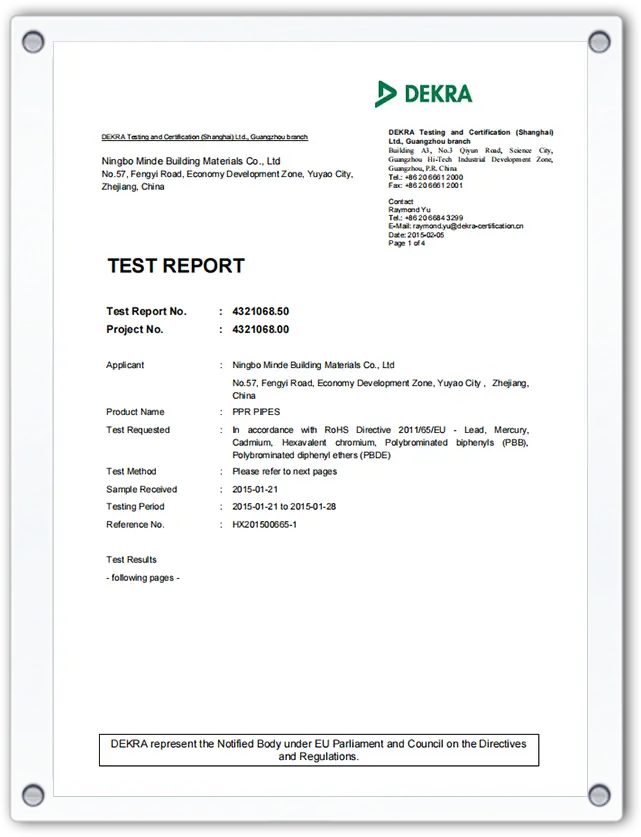 ISO 9001:2022
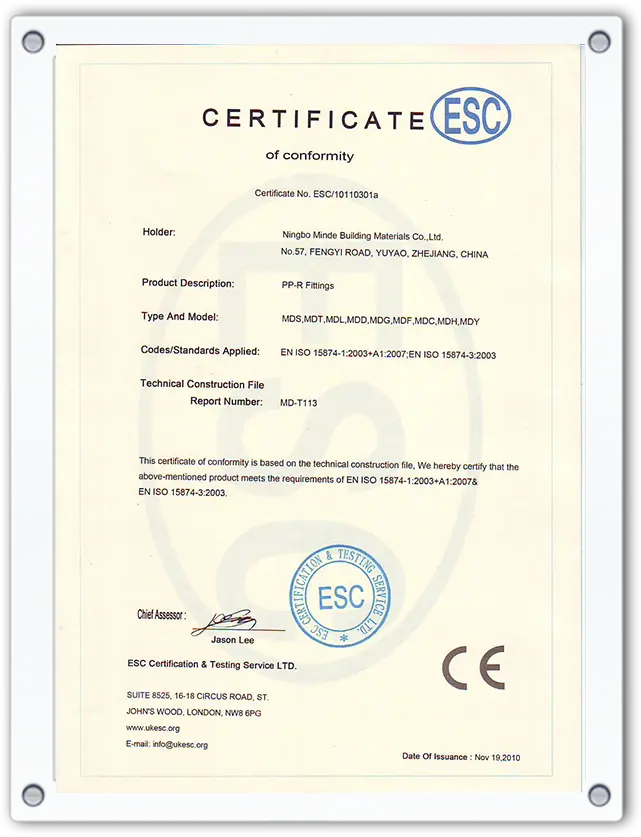 CE Certification
 WRAS / GOST
Our complete line of PN16 PP compression fittings and PPR systems is CE marked, satisfying the basic health, safety, and environmental standards of the EU. This simplifies incorporation into public tenders throughout the Eurozone.
This certification validates that our polymer materials and elastomeric components do not affect the taste, color, or chemical balance of drinking water, making them suitable for domestic water lines.
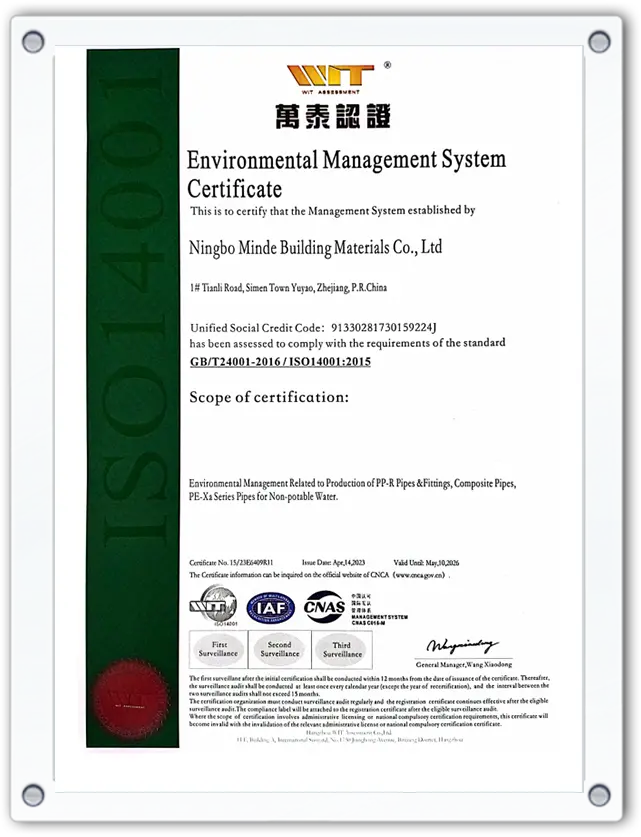
We comply with GOST requirements for CIS markets, while our factories run under ISO 9001:2022 for quality management and ISO 14001 for environmental management.
Answers to common structural and procurement questions from plumbing design engineers and purchasing managers.
PN denotes the nominal pressure in bars at 20°C. A PN10 fitting is rated for 1.0 MPa (10 bar), whereas a PN16 fitting is rated for 1.6 MPa (16 bar). PN16 fittings feature thicker walls, reinforced clamp teeth, and larger seals to manage greater pressure spikes and water hammer effects in municipal pipelines.
Recycled plastics typically contain molecular impurities, micro-voids, and shorter polymer chain lengths. Using virgin PP and HDPE ensures optimal melt flow index, higher structural impact strength, and resistance to environmental stress cracking under long-term pressure loads.
Polyphenylsulfone (PPSU) is a high-performance polymer that resists scale buildup and electrochemical corrosion. Unlike brass, it is not prone to dezincification in hard water and maintains a comparable physical service life at a lower weight and cost.
First, cut the pipe clean at a right angle and bevel the edge. Loosen the compression nut on the fitting, push the pipe past the inner O-ring until it hits the internal stop, and hand-tighten the nut. For sizes above 40mm, use a strap wrench to secure the final turn to complete the seal.
We support custom mold construction, specific branding injection, custom color matching, and special thread configurations (BSP/NPT) to meet regional requirements. These options are backed by our in-house engineering team and toolshop.
Under nominal pressures (PN10/PN16) and standard operating temperatures below 30°C, our PPR lines are designed to exceed a 50-year service life, showing minimal mechanical fatigue or inner diameter reduction.
Additional system components including thread elbows, PPSU connections, PPR tees, and PN16 isolation valves.
 Minde
Minde