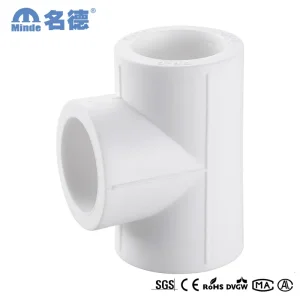
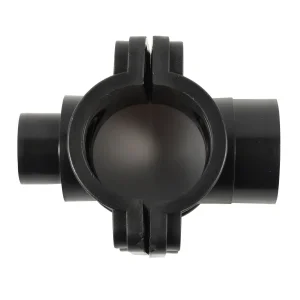
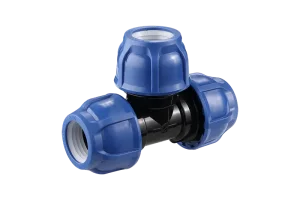
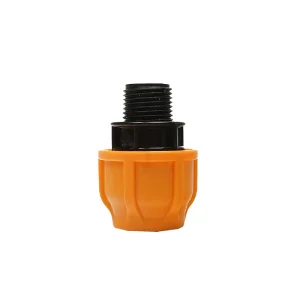
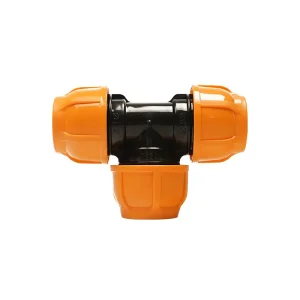
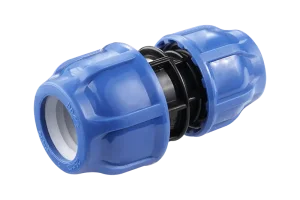
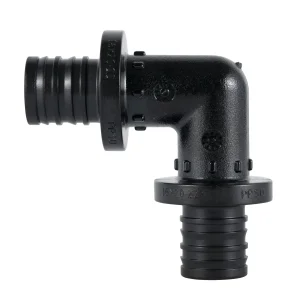
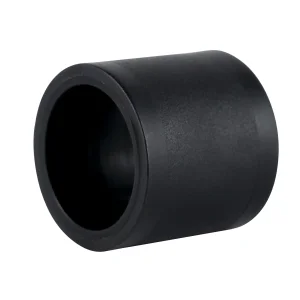
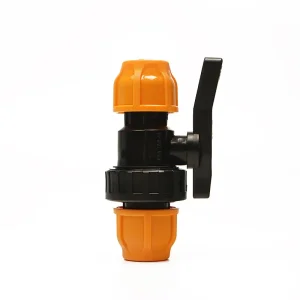
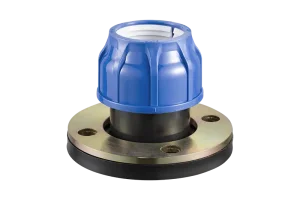
Explore our industrial-grade, certified PP compression components and PPR pipes designed for maximum system integrity.
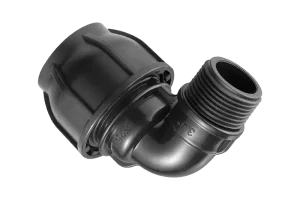
Rooted in Zhejiang Province, China, Minde is a premier manufacturing facility specializing in high-grade plastic pipes and custom fittings. For over two decades, we have engineered critical components for residential potable water infrastructure, high-efficiency agricultural irrigation, and advanced radiant heating networks.
Minde relies exclusively on pure, virgin imported raw materials to eliminate structural fragility and dynamic stress fatigue. Our operations span a state-of-the-art 90,000+ square meter facility run by a dedicated team of over 200 manufacturing experts, certified engineers, and QA practitioners.
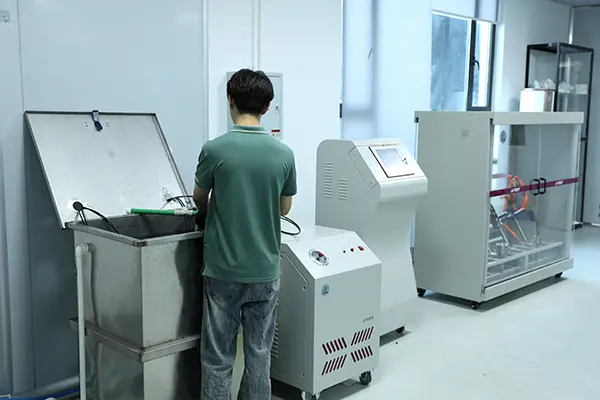
Every single extrusion run and injection batch undergoes automated three-point monitoring: strict material incoming controls, in-process dimensional consistency checks, and destructive pressure testing at final QA stations.
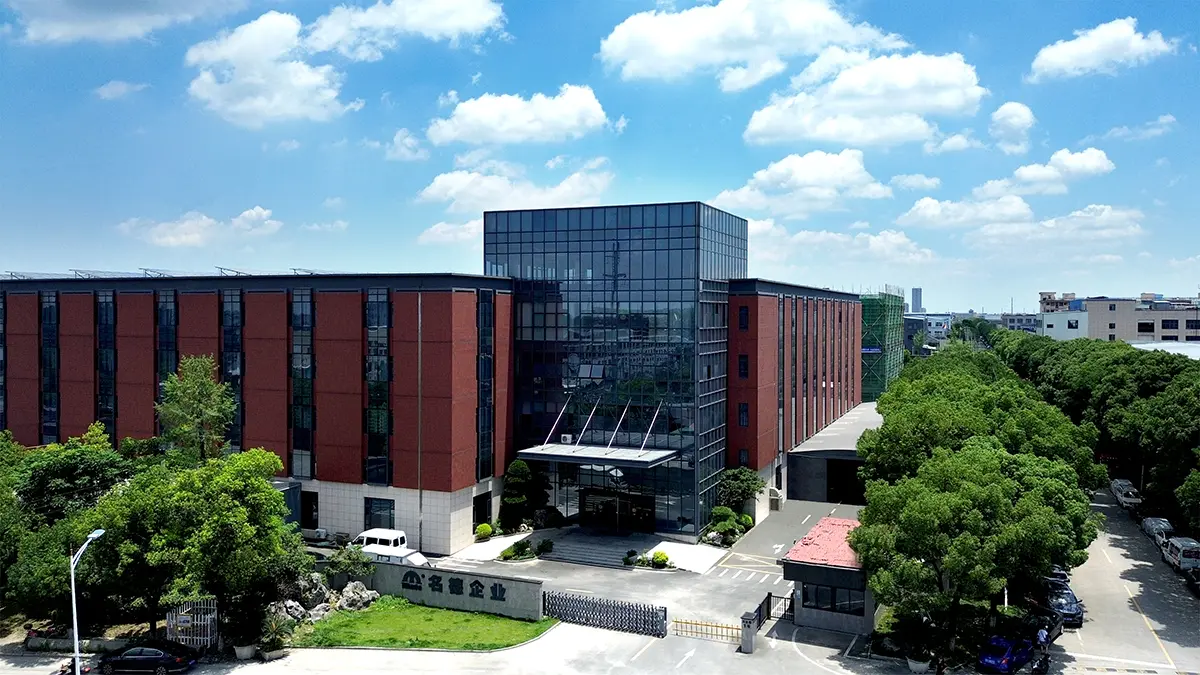
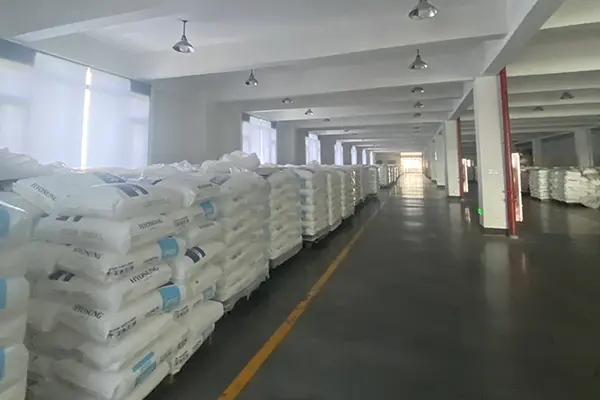
Inside our high-capacity production facility: maintaining dimensional accuracy and physical properties across large manufacturing volumes.
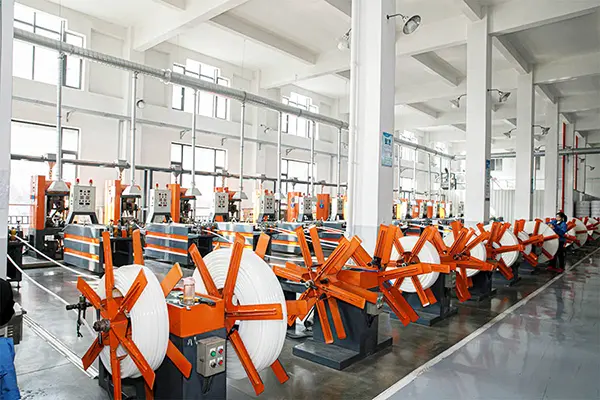
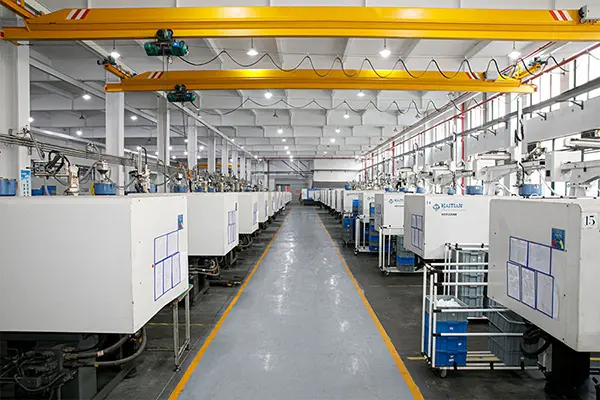
A comprehensive engineering review of chemical structure, mechanical behavior, and long-term design stress values.
Polypropylene Random Copolymer (PP-R Type 3) is synthesized via a modified gas-phase polymerization technique, introducing ethylene monomers into the polypropylene macromolecular chain. This random structural insertion (typically 3% to 5% by weight) disrupts the crystalline polymer lattice, providing excellent impact resistance, high flexural modulus, and enhanced ductility.
For more demanding thermal settings, PP-RCT (Polypropylene Random Copolymer with Modified Crystalline Structure and Elevated Temperature Resistance) represents the next stage of polymer evolution. Through beta-nucleation, the polymer matrix achieves a higher density of stable beta-crystals, boosting long-term hydrostatic strength at elevated temperatures (up to 70°C and above) without requiring wall-thickness increases that restrict flow velocities.
Understanding the balance between Standard Dimension Ratio (SDR) and Nominal Pressure (PN) is critical for structural calculations and safety margins. The mechanical interaction is defined by the ISO 15874 standard framework:
| SDR Series | Piping Series (S) | Nominal Pressure (PN) | Wall Thickness (Example: OD 20mm) | Typical Application Environments |
|---|---|---|---|---|
| SDR 11 | S 5 | PN 10 | 1.9 mm | Cold water supply (-10°C to 50°C), rainwater collection |
| SDR 7.4 | S 3.2 | PN 16 | 2.8 mm | Intermediate pressure lines, industrial liquid supply |
| SDR 6 | S 2.5 | PN 20 | 3.4 mm | Domestic hot water circulation, low-temperature radiator lines |
Adapting PPR performance parameters to fit specific mechanical requirements and environments.
PPR’s non-corrosive, inert polymer structure prevents mineral scaling and chemical leaching. Meeting NSF/ANSI 61 and WRAS drinking water standards, it maintains taste, odor, and safety without toxic additive threats.
Engineered to handle dynamic pressure spikes and fluctuating temperatures. Combined with UV-stabilized formulations and PN10/PN16 PP compression fittings, the systems resist fertilizers, pest treatments, and soil motion.
Continuous thermal cycling demands excellent fatigue resistance. High-integrity PPR-AL-PPR and oxygen-barrier PEXa/PPR layouts prevent oxygen intrusion, protecting ferrous parts in boiler circuits from oxidation.
How our industrial-scale infrastructure in Ningbo, China ensures supply consistency, price stability, and international compliance.
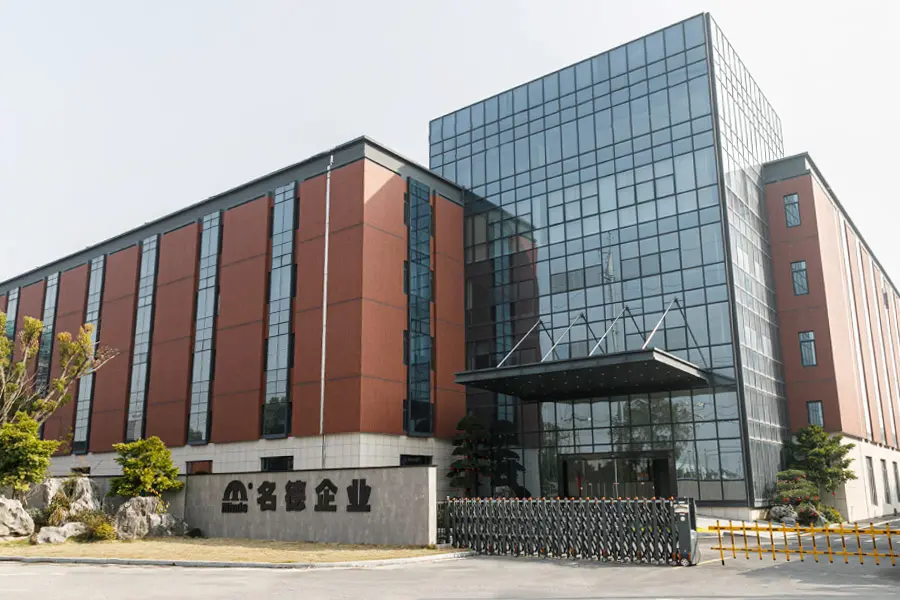
Minde manages supply risks through raw material reserves and supply partnerships with global chemical leaders. Our 45 extrusion lines operate continuously, matching large project schedules without quality drift.
Located near the Port of Ningbo-Zhoushan—one of the world's busiest deep-water shipping centers—we offer direct, cost-efficient transit to Europe, South America, and the Middle East. This proximity reduces overland transport steps, lowers carbon footprints, and secures transit times.
Our engineering team assists with CAD design, hydraulic calculations, custom mold design, and installation training, bridging the gap between raw manufacturing and project delivery.
Where advanced polymer science meets smart, low-carbon infrastructure engineering.
Developing three-layer and five-layer composite structures using a glass-fiber reinforced polymer core. This modification slashes the thermal linear expansion coefficient by 75%, making surface installations easier by reducing snaking.
Transitioning to completely lead-free metal insert fittings. By using high-grade, dezincification-resistant (DZR) brass alloys, we meet strict European and North American regulations for chemical safety.
Integrating unique QR codes and RFID tracking markers directly onto pipe surfaces. This lets contractors scan any pipe segment on-site to view its material batch, extrusion parameters, and quality checklist.
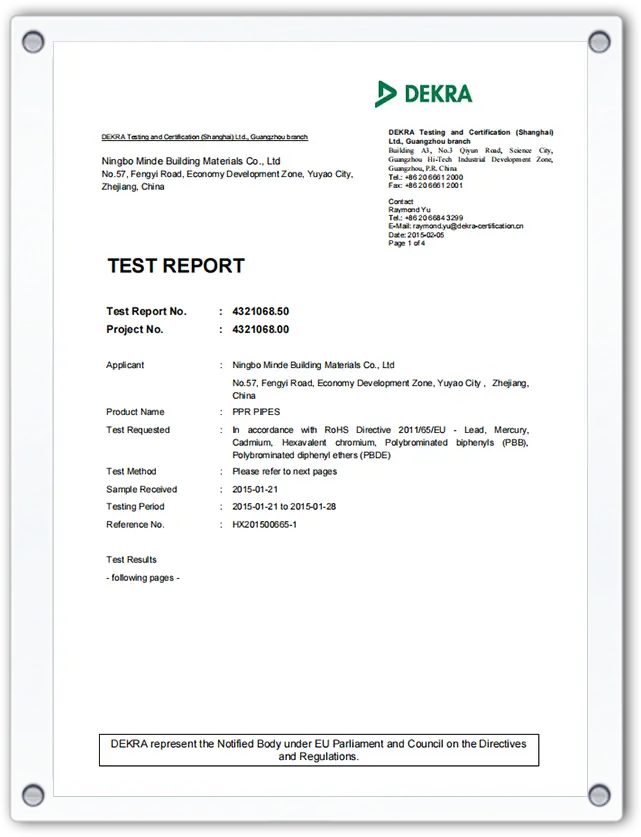
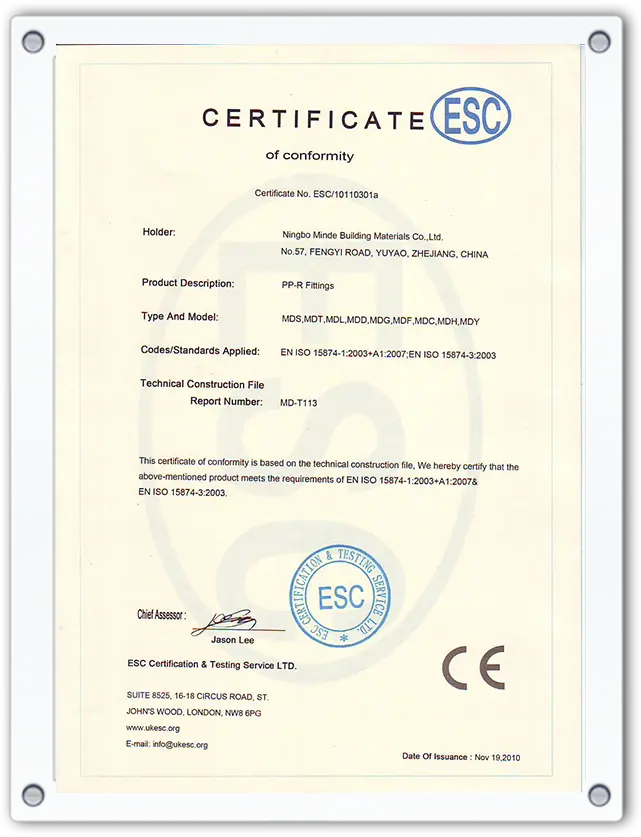
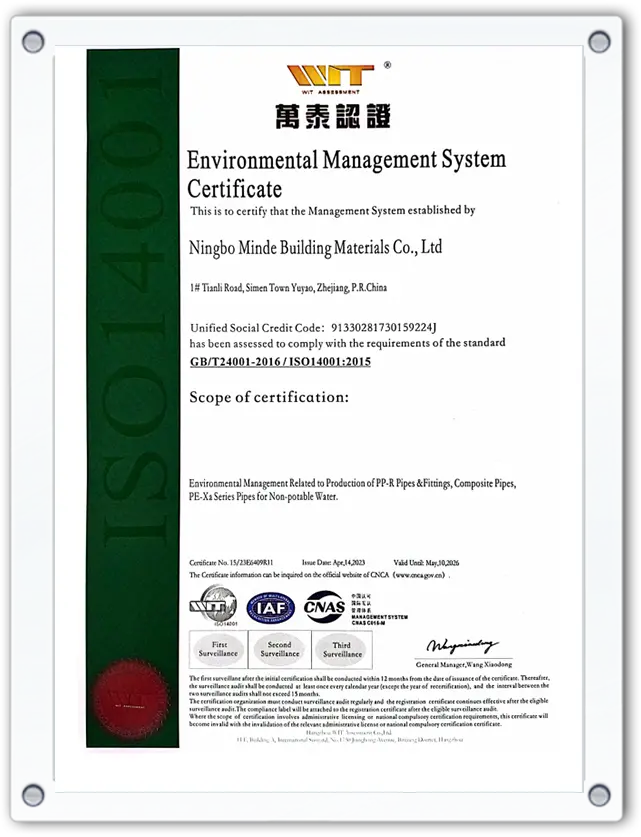
Minde piping products are engineered to comply with strict international regulatory standards. We maintain formal certifications to ensure smooth project approvals worldwide.
Quality systems validation and systematic environmental protection measures.
Certified safe for indirect and direct contact with municipal drinking water.
Fully compliant with European building materials directive safety metrics.
Certified performance under extreme northern freeze and thaw cycles.

Addressing the common questions raised by project engineers, procurement managers, and mechanical installers.
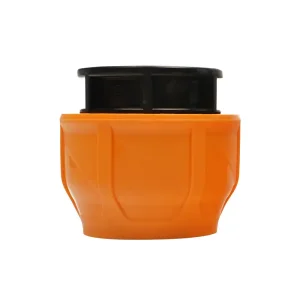
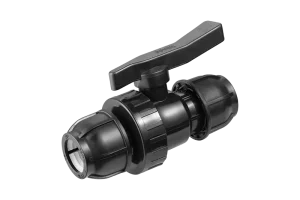
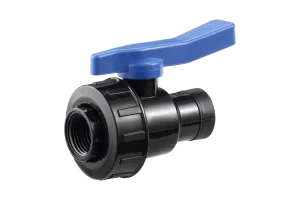
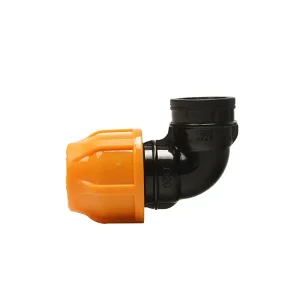
Complete your layout with our certified high-pressure valves, couplings, elbows, and floor heating fittings.
 Minde
Minde