Minde
Minde
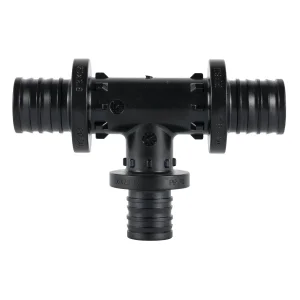
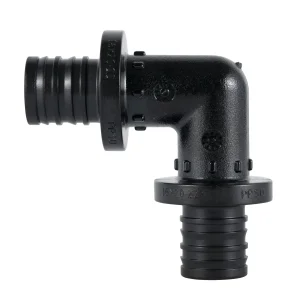
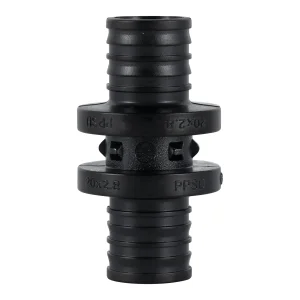
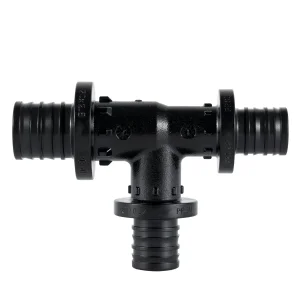
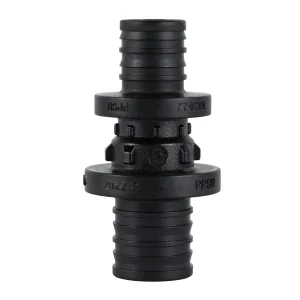
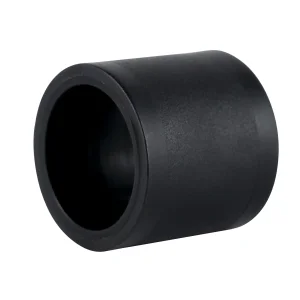

Material Science Whitepaper: The Evolution of PPSU in Piping Infrastructure
In modern building construction and fluid dynamics, selecting optimal connection points is a primary determinant of system life expectancy and hygienic performance. Traditional brass fittings, although historically dominant, present severe vulnerabilities in modern plumbing environments. Over time, aggressive water chemistry, chlorination, and fluctuations in pH levels trigger dezincification—a selective leaching process where zinc dissolves out of the brass alloy. This results in porous structures, micro-cracks, mechanical failures, and trace lead contamination.
To resolve these structural vulnerabilities, engineering science evolved toward advanced sulfone polymers. Among them, Polyphenylsulfone (PPSU) represents the pinnacle of thermoplastics. Due to its amorphous molecular network linked by alternating phenylene and sulfone rings, PPSU exhibits exceptional mechanical properties, near-zero moisture absorption, and unprecedented chemical and thermal resilience.
Information Gain Fact: Unlike standard PSU (Polysulfone) or PVDF (Polyvinylidene Fluoride), PPSU possesses a unique biphenylene structural backbone. This molecular structure yields a glass transition temperature (Tg) of 220°C and maintains structural integrity under cyclic continuous loads up to 180°C at elevated pressures.
Why PPSU Outperforms Metal Alternatives
Compared to traditional metallic copper, brass, or stainless steel materials, PPSU provides a suite of performance enhancements critical for contemporary high-density residential and commercial architecture:
- Zero Lead Leaching (Lead-Free Compliance): Fully compliant with rigid global standards, such as NSF/ANSI 61 and WRAS, guaranteeing the preservation of pristine municipal drinking water quality.
- Superior Chemical Resistance: Highly immune to continuous exposure to dissolved chlorine, chloramines, and typical sanitizing acids. It passes standard ASTM F2023 testing protocols for continuous chlorine resistance in hot recirculating loops.
- Dezincification and Scale Immunity: Standard fluid flows in copper and brass systems trigger calcification and boundary friction. PPSU exhibits an ultra-smooth inner surface roughness (Ra < 0.2µm), preventing scale buildup and maintaining low hydraulic pressure loss over a 50-year service life.
- Excellent Thermal Fatigue Resistance: Undergoing thousands of thermal expansion cycles (switching between cold and boiling hot water) can crack rigid metals or low-grade plastics. PPSU absorbs stress dynamically due to its high impact toughness and structural elasticity.
Hydrolytic Stability
Performs flawlessly in high-pressure hot water systems. Resists chemical degradation from continuous hot water cycles (up to 95°C under continuous operational load).
Impact Toughness
High resistance to mechanical shocks, dynamic pressure spikes, drops, and cold-weather installation impacts, preventing structural micro-fissures.
Scale Resistance
The non-polar material structure minimizes friction and discourages standard calcium and biological adhesion, eliminating flow restrictions.