In 2026, choosing Drip System Connectors is less about appearance and more about reliable fit. A connector may look sturdy on a shelf, then loosen when tubing warms in afternoon sun. Small details matter. Buyers should compare tubing compatibility, seal design, material durability, and installation effort before ordering.
Irrigation engineer Charles M. Burt is a useful authority when considering how irrigation systems perform in practice. I cannot verify a published quotation from him about connector selection, so I will not assign him invented words. A practical rule for this guide is: “A connector must hold under working pressure, not just look secure in your hand.” That distinction is easy to overlook. It can also prevent frustrating leaks beside plants, paths, and greenhouse benches.
This guide examines connector types, materials, sizing, and common failure points. It considers barbed fittings, compression styles, and quick-connect options, while keeping the focus on real buying decisions. Check the tubing diameter carefully. Look for clear product specifications. Think about repairs, too. A low-cost fitting can be a poor choice if it needs frequent replacement. And no connector is perfect. Installation conditions, water pressure, and handling can change the result. The best choice is the one that fits your system, seals consistently, and remains manageable after the first season.
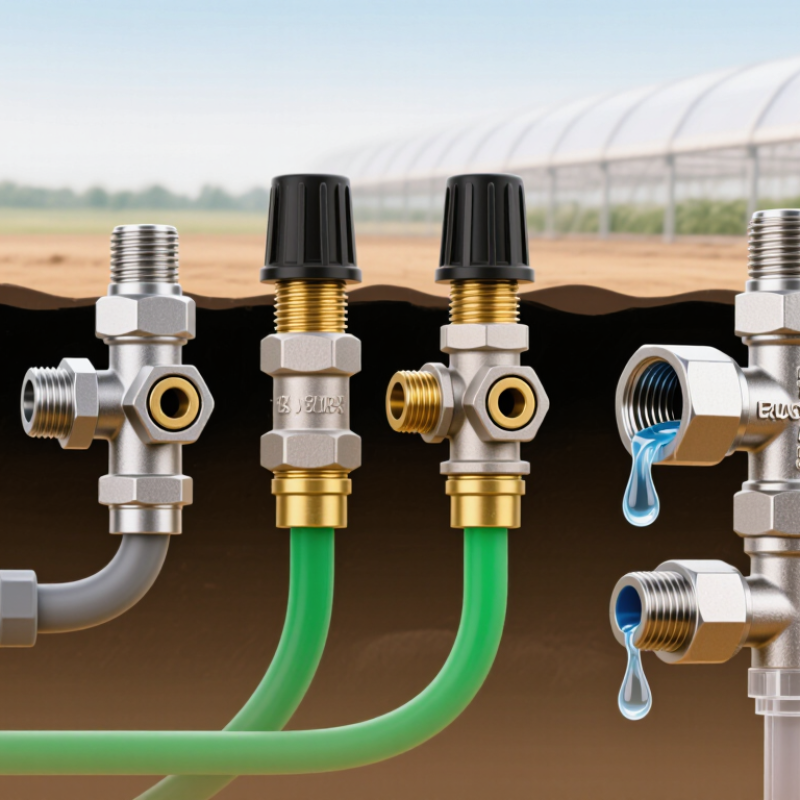
Drip-system connectors join the mainline, smaller lateral tubes, valves, filters, and emitters. Their job is simple: maintain a secure path for water at the system’s operating pressure. A loose barb or mismatched diameter can cause leaks, uneven flow, and dry patches around plants. Small parts matter.
FAO’s 2021 report, The State of the World’s Land and Water Resources for Food and Agriculture, estimates agriculture accounts for 72% of global freshwater withdrawals. That figure makes dependable water delivery more than a convenience. When choosing connectors, check tube outside diameter, pressure rating, material, and resistance to sunlight and fertilizer exposure. Compression fittings can hold firmly; barbed fittings are quick to install, but often need properly sized tubing and a clamp. Follow the manufacturer’s specifications, and flush lines before connecting emitters.
A clean fit is not proof of a sound system. Inspect joints while the lines are running, especially near bends and buried sections. I still find connector sizing easy to underestimate. One millimeter can matter. Seasonal expansion, mineral buildup, and rough installation can also weaken a joint over time, so keep compatible repair fittings on hand.
| Connector Type | Typical Role | Common Compatibility | Best Suited For | Key Buying Checks | Potential Limitation |
|---|---|---|---|---|---|
| Barbed coupling | Joins two sections of tubing in a straight line. | Flexible polyethylene tubing; select a fitting that matches the tubing’s stated inside diameter. | Simple repairs and extending a lateral line. | Check tubing size, barb dimensions, material, and the system’s operating pressure. | A mismatched size or poorly seated tubing can leak or pull off; clamps may be appropriate in some installations. |
| Barbed tee | Divides one tubing run into two branches. | Flexible polyethylene tubing, with all three connection ends sized for the tubing. | Adding a branch to serve another bed or planting row. | Confirm that the branch layout suits the available flow and that each outlet is securely fitted. | Adding branches increases demand on the line and may reduce flow at downstream emitters. |
| Barbed elbow | Changes the direction of a tubing run, commonly by about 90 degrees. | Flexible polyethylene tubing of the matching size. | Routing tubing around corners or obstacles. | Check the fitting angle, barb size, and available clearance for the tubing. | A sharp bend in the tubing near the fitting can restrict flow or stress the connection. |
| End cap or figure-eight end closure | Closes the end of a lateral line; some styles can be opened for flushing. | Specific tubing sizes and shapes, depending on the closure design. | Terminating a line while allowing access for maintenance when needed. | Match the closure to the tubing diameter and choose a design that is easy to remove if flushing is planned. | Closures are not interchangeable across every tubing size or profile. |
| Compression fitting | Connects tubing using a compression-style grip rather than relying only on barbs. | Specified polyethylene pipe or tubing; compatibility depends on the fitting design and pipe dimensions. | Installations where a firm, removable connection is preferred. | Verify the published pipe outside-diameter range, pressure rating, and assembly instructions. | Generally costs more than a basic barbed fitting and may not fit soft tubing intended for barbed connectors. |
| Threaded adapter | Transitions between a threaded component and a tubing connection. | Threaded valves, filters, regulators, or manifolds paired with a compatible tube-side connection. | Connecting system components that use threaded ports. | Check thread type, thread size, sealing method, and tube-side size; confirm whether threads are tapered or parallel. | Similar-looking thread standards may not seal correctly when mixed. |
| Takeoff connector with grommet | Creates an outlet from a mainline or distribution pipe to a smaller lateral tube. | A compatible mainline wall and hole size, plus the specified lateral-tubing size. | Connecting multiple smaller drip lines to a larger supply pipe. | Match the grommet to the pipe material and wall thickness, and use the specified hole size. | An oversized, rough, or misplaced hole can cause leakage or weaken the pipe. |
| Figure-eight connector or line closure | Folds and secures the end of compatible polyethylene tubing. | Flexible tubing that fits the closure’s stated size range. | Low-complexity line termination where a reusable closure is useful. | Check that the closure fits the tubing securely and can be reopened without damaging it. | May be less secure than a correctly matched dedicated end cap in some layouts or conditions. |
They join mainlines, lateral tubes, valves, filters, and emitters. A secure joint helps maintain steady water flow.
Match the fitting to the tube’s outside diameter, wall thickness, and operating pressure. Test it with your actual tubing. Labels can be confusing.
Barbed fittings suit flexible tubing and quick repairs. Compression fittings can provide a firmer joint on compatible pipe. They are not interchangeable.
Confirm the thread type and sealing requirements before connecting them. Similar-looking threads may not fit.
Use a clean, correctly sized hole and a compatible grommet. A rough opening can let water seep around the fitting.
UV-resistant plastic can handle sunlight in many garden systems. Metal may tolerate rough handling, but wet or fertilizer-rich conditions can cause corrosion.
Run the system at normal pressure and look for tiny water beads. Check bends and buried sections, too. Small leaks hide easily.
Not always. Clogged emitters or excessive pressure may be the real cause. Flush the lines before connecting emitters.
Yes. Recheck them after several watering cycles and temperature changes. I still underestimate sizing sometimes; one millimeter can matter.
Drip System Connectors play a small but essential role in keeping an irrigation system organized, efficient, and leak-resistant. The right connectors join tubing, direct water through branches, and link components such as emitters. Common options include straight couplers, elbows, tees, adapters, and end caps, each suited to a different layout or repair. Understanding their purpose helps gardeners build a system that delivers water where it is needed without unnecessary complexity.
When choosing connectors, compare material quality, durability, and the security of the connection, especially if the system will face sun exposure or frequent adjustments. Check that each fitting matches the tubing size and works with the emitters and water pressure in your setup; a poor fit can cause leaks or uneven flow. For a garden in 2026, consider the layout, ease of installation, expected lifespan, and budget together. Selecting compatible, well-made connectors can help create a dependable system while avoiding unnecessary replacement costs.

 Minde