In the world of industrial applications, the choice of connection types plays a crucial role. A Flanged Connection stands out for its versatility and reliability. Industries utilize it for various piping systems, from water supply to chemical processing. This type of connection features a flat surface and bolt holes, ensuring a secure and robust fit.
Applications requiring easy maintenance often prefer Flanged Connections. They allow for quick disassembly without the need for further equipment. This advantage is significant in environments where downtime must be minimized. However, it’s essential to consider the flange material and the environment it will face. Different conditions may lead to challenges like corrosion or pressure losses.
Despite its benefits, Flanged Connections can come with challenges. Proper installation is critical to avoid leaks or system failures. Misalignment during fittings often creates headaches. It’s vital to assess these factors when selecting a Flanged Connection for your industrial needs.
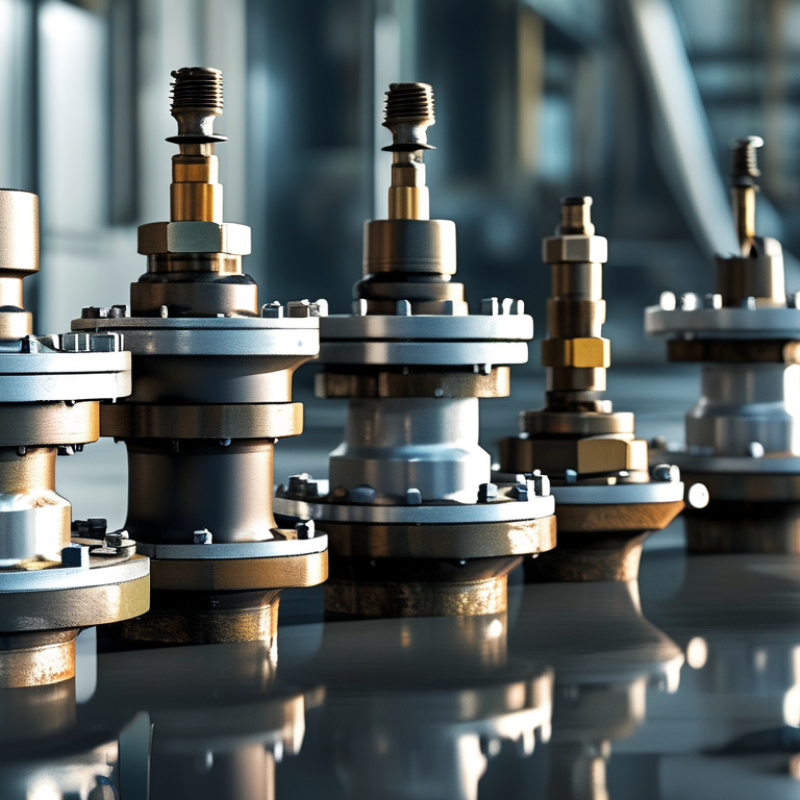
Flanged connections are prevalent in numerous industrial applications due to their versatility and reliability. They offer superior ease of assembly and disassembly, which greatly benefits maintenance operations. According to a report from the American Society of Mechanical Engineers, approximately 70% of industrial piping systems utilize flanged connections. This statistic underscores their significance in modern engineering.
Moreover, flanged connections provide a strong seal, essential for preventing leaks in systems under high pressure. Various studies indicate that leaks can lead to substantial financial losses. Some estimates suggest that leakage in industrial settings can cost companies up to 7% of their total operating budget. This financial impact emphasizes the importance of reliable connections. Proper material selection for flanges, such as stainless steel or carbon steel, can withstand harsh environments, contributing to durability.
Challenges remain in ensuring effective installation and maintenance of flanged joints. Improper torque application can result in joint failure or leaks, highlighting the need for skilled labor. Industry reports suggest that nearly 30% of flange connections fail within the first year due to improper handling. This data presents an opportunity for improvement in training and best practices in the workforce. Flanged connections remain a vital component, yet attention to detail in their application is crucial for optimal performance.
| Aspect | Description | Advantages | Applications |
|---|---|---|---|
| Material Compatibility | Flanged connections can be made from various materials such as stainless steel, carbon steel, and plastic. | Versatile for different environments and media. | Piping systems, chemical processing. |
| Ease of Maintenance | Flanged connections allow for quick disassembly for cleaning or maintenance. | Reduces downtime and labor costs. | Water treatment plants, HVAC systems. |
| Sealing Capability | Flanges utilize gaskets to provide a tight seal, preventing leaks. | Improved safety and system integrity. | Oil & gas, chemical manufacturing. |
| Load Distribution | Flanged joints help distribute loads evenly, minimizing stress on piping. | Enhanced durability and longevity. | Industrial automation, heavy machinery. |
| Standardization | Flanged joints are standardized, allowing for interconnectivity of components. | Simplifies procurement and installation. | General manufacturing, construction. |
: Flanged connections are versatile joint mechanisms used in various industrial applications. They allow easy assembly and disassembly.
They provide a strong seal, preventing leaks, which can be costly for companies. About 7% of operating budgets may be lost due to leaks.
Common materials include steel, stainless steel, and plastics. Each material has unique properties for different environments.
Improper torque application can cause joint failure or leaks. Nearly 30% of flanged connections fail within the first year due to this issue.
Clean flanges before assembly to ensure a proper seal. Use a torque wrench to follow specifications when tightening bolts.
Regular inspections are essential. Check for wear, corrosion, or leaks. Neglecting this can lead to significant problems later.
Choosing the wrong material can lead to connection failures. Balancing cost, strength, and longevity is complex for many applications.
Not necessarily. Stainless steel is resistant to rust but can be expensive. It may be overkill for low-stress situations.
Follow a proper tightening pattern to distribute pressure evenly. This prevents future issues and ensures consistent performance.
Keeping a maintenance log helps track inspections and repairs. This can simplify addressing issues as conditions change over time.
Flanged connections are vital components in various industrial applications, providing a reliable means of joining pipes and equipment. Understanding the structure and function of flanged connections is crucial, as they offer several advantages over other joint types, including ease of installation and maintenance, as well as the ability to create tight seals under high pressure and temperature conditions.
Key materials such as stainless steel, carbon steel, and various alloys are commonly used in flanged connections, ensuring durability and compatibility with different environments. Best practices for installation and maintenance involve proper torque specifications and regular inspections to prevent leaks and failures. Flanged connections find diverse applications across industries, from oil and gas to water treatment, demonstrating their importance in enhancing operational efficiency and safety.

 Minde
Minde