In the realm of industrial applications, choosing the right valve is crucial. The PVC ball valve stands out as a reliable option. Its design offers excellent durability and resistance against corrosive substances. Many industries, from chemical processing to water treatment, rely on these valves for efficiency.
PVC ball valves are lightweight and easy to install. They provide a tight seal, minimizing leaks and material waste. Operators report that they require less maintenance than metal valves. However, some users have noted that extreme temperatures can impact their performance. This makes understanding your specific needs essential.
When selecting a PVC ball valve, consider factors like pressure ratings and compatibility. Not all PVC valves are created equal. It's worth investing time to find a valve that will perform effectively in your application. This approach ensures long-term reliability and better operation.
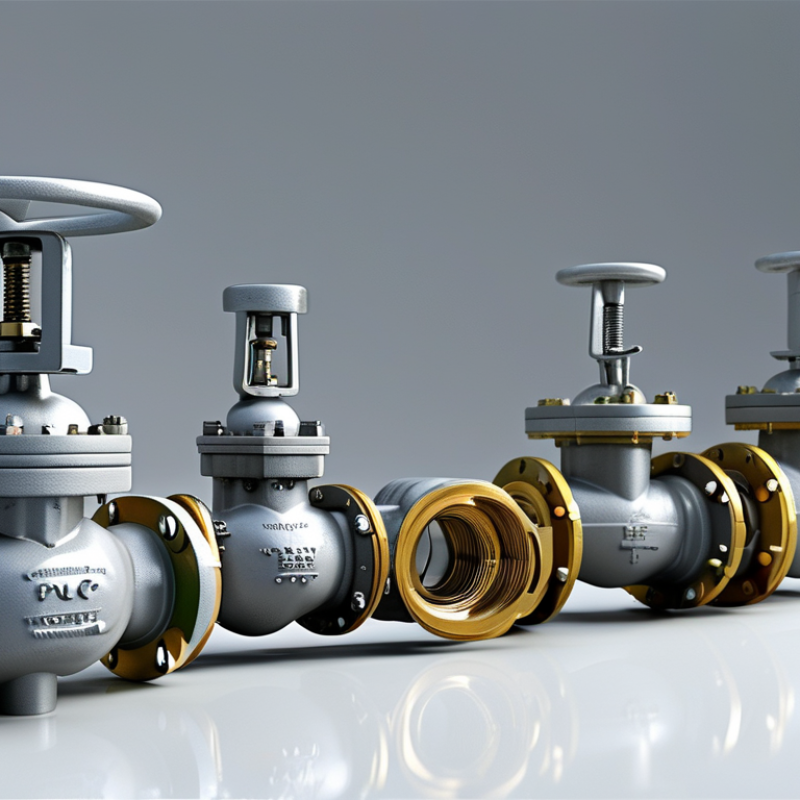
PVC ball valves are gaining traction in industrial applications due to their numerous advantages. These valves are lightweight, making them easy to install and handle. According to a report by the Plastics Industry Association, the demand for PVC ball valves has risen by 15% over the past three years. Their corrosion resistance allows for use in harsh environments, making them ideal for chemical processing.
One of the key benefits of PVC ball valves is their cost-effectiveness. Their durability reduces replacement frequency, which saves businesses money in the long run. The low maintenance requirements are particularly appealing to industries seeking greater efficiency. However, it is crucial to ensure compatibility with the media being transported, as PVC may not be suitable for all applications.
Tips: Always consider the pressure and temperature limits of PVC. Consult compatibility charts for the specific chemicals involved. Regular inspections can prevent unexpected failures.
Overall, the versatility of PVC ball valves makes them suitable for various processes, including water treatment and waste management. Choosing the right valve is crucial, as improper selection may lead to the need for replacements sooner than expected. Ensure to assess your specific needs thoroughly before making a decision.
When considering industrial needs, durability matters greatly. PVC ball valves stand out in this regard. They are resistant to corrosion, which is a common problem in many industrial environments. Unlike metal valves, PVC does not rust or corrode over time. This quality leads to fewer failures and less frequent replacements.
The lifespan of PVC ball valves is significant. Many users report years of effective use under harsh conditions. This longevity can translate into lower maintenance costs. Fewer replacements mean less downtime, which is crucial in an industrial setting. However, it is essential to assess the specific chemicals and temperatures involved. Not all materials handle every situation perfectly.
While PVC valves can be incredibly durable, they may crack under extreme temperatures. Choosing the correct type for your application is vital. Evaluating the specific demands of your operations can help ensure optimal performance. Trusting in PVC ball valves could bring long-term advantages, but due diligence is key in your selection process.
PVC ball valves are gaining popularity in various industries due to their cost-effectiveness. A recent report by the American Society of Mechanical Engineers indicates that businesses can save up to 30% on maintenance costs compared to metal alternatives. This savings can significantly enhance a company’s bottom line.
Regular maintenance can be expensive. PVC valves are resistant to many chemicals and do not corrode like metal valves. This longevity means reduced frequency of replacements. Furthermore, in a survey by the International Journal of Industrial Engineering, 45% of respondents noted lower total cost of ownership when using PVC valves.
Tips: Regular inspections can help identify issues early. Keep an inventory of parts that wear out quickly. Consider training staff to handle minor repairs in-house.
Another consideration is installation costs. PVC ball valves are often lighter and easier to install. This can lead to further savings in labor. A study from the Valve Manufacturers Association found that companies using PVC valves reduced installation time by about 20%. Adopting these valves not only cuts costs but also improves efficiency in operations.
When it comes to industrial applications, chemical compatibility is crucial. PVC ball valves are highly regarded for their resistance to various fluids. They can handle acids, alkalis, and salts effectively. This resistance makes them a preferred choice in chemical processing. Their ability to maintain integrity under pressure is noteworthy.
Certain fluids are problematic, though. While PVC resists many chemicals, it struggles with certain hydrocarbons and strong solvents. This limitation may lead to leakage or valve failure. Users should conduct compatibility tests for specific applications. Knowing the fluid's characteristics ensures the valve will perform as expected.
In addition, the temperature range of the fluid matters. PVC has a thermal limit. Exceeding this limit can weaken the material. It's essential to consider both temperature and chemical properties. Thus, choosing the right valve involves careful evaluation. Understanding both compatibility and limitations leads to better outcomes in industrial settings.
PVC ball valves have gained popularity in various industrial applications due to their installation and operational efficiency. Their lightweight nature simplifies the mounting process, significantly reducing installation time and labor costs. According to a report by the International Association of Plumbing and Mechanical Officials, PVC ball valves can cut installation times by up to 30% compared to traditional metal valves. This is particularly beneficial in environments where time efficiency is crucial.
Operationally, PVC ball valves provide excellent flow control. They offer full bore passage that minimizes pressure loss, allowing systems to run more smoothly. This efficiency translates into lower energy costs and enhanced system reliability. A study by the American Society of Mechanical Engineers highlights that using PVC in fluid handling systems can lead to a reduction in maintenance requirements by about 20%, reflecting their durability.
However, some challenges remain. PVC valves may be less resistant to high temperatures and pressures compared to metal counterparts. Industries must consider these limitations when selecting materials. While PVC’s corrosion resistance is a significant advantage, it is not universally applicable. Each system's unique conditions should be carefully assessed to ensure optimal performance. Decision-makers should weigh these factors against the benefits of PVC ball valves in their specific applications.
: PVC ball valves are lightweight, corrosion-resistant, and cost-effective for various industrial applications.
They require less maintenance and have a longer lifespan, leading to reduced replacement costs.
Always assess the specific fluids being transported, as PVC may not suit all chemicals or hydrocarbons.
While they resist many chemicals, they may fail with certain solvents. Compatibility tests are vital.
Their lightweight nature allows for easier installation, potentially saving on labor costs and reducing installation time.
Regular inspections help identify issues early and prevent unexpected failures during operation.
PVC has a thermal limit, and exceeding this can weaken the material. Assessment is necessary.
People often assume PVC is suitable for all applications. In reality, knowing the limitations and compatibility is critical.
Training can empower employees to perform minor repairs, reducing downtime and maintenance costs.
Choosing the wrong PVC valve may lead to premature replacements and increased costs over time.
PVC ball valves are an excellent choice for industrial applications due to their numerous benefits. They offer remarkable durability and longevity when compared to traditional valve materials, ensuring consistent performance over time. Their cost-effectiveness is another significant advantage, as they help save on maintenance and replacement expenses, which is critical for budget-conscious operations.
Furthermore, PVC ball valves demonstrate excellent chemical compatibility with a wide array of fluids, making them suitable for diverse industrial processes. Their design also facilitates easy installation and operational efficiency, streamlining workflow and reducing downtime in systems. Overall, choosing a PVC ball valve can lead to enhanced reliability and efficiency in industrial settings.

Minde