Why Choose the Right Pipe Flange for Your Project Needs?

Time:2026-08-26 Author:Madeline
0%

Choosing the right pipe flange is critical for ensuring project success. A pipe flange serves as a connector, linking different pipe sections securely. This component impacts the overall efficiency of fluid systems.

When selecting a pipe flange, factors like material, size, and pressure rating must be considered. Different environments demand specific flanges. For example, a corrosive environment requires materials that resist degradation. Ignoring these details can lead to failures or costly repairs.

However, not everyone understands the complexities of flanges. Some may overlook essential specifications or settle for generic options. This can cause issues. Proper knowledge and careful selection can significantly improve system reliability. Taking the time to understand your project's unique needs is imperative. The right pipe flange can make all the difference.
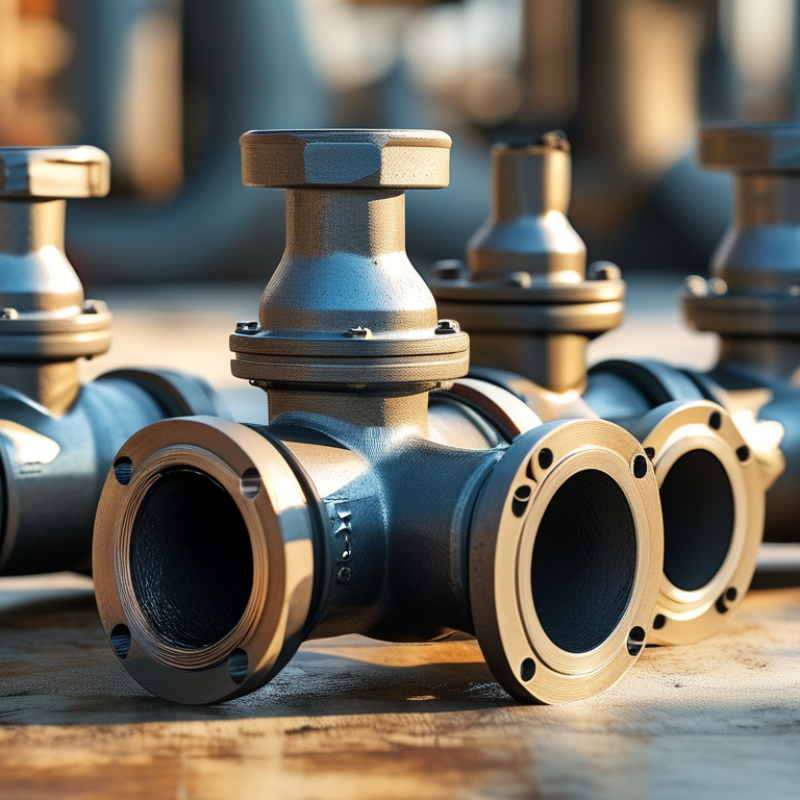
Why Choose the Right Pipe Flange for Your Project Needs?

Understanding Pipe Flanges: Types and Functions

Understanding pipe flanges is crucial for successful projects in various industries. Pipe flanges are components that connect pipes, valves, and other equipment. They provide a secure seal, preventing leaks and ensuring flow efficiency. The choice of flange type significantly impacts the system's performance.

There are several flange types, including weld neck, slip-on, and blind flanges. Each type serves a specific purpose. For example, weld neck flanges are ideal for high-pressure applications. According to a report by the American Society of Mechanical Engineers, over 50% of pipeline failures are linked to improper flange selection. Using the right flange can enhance the lifespan of your installation.

Consider the material when selecting a flange. Carbon steel, stainless steel, and plastic options each have unique properties. Ensure compatibility with your project's medium. A study from the Pipe Fabrication Institute indicates that improperly matched materials can lead to corrosion, which shortens service life.

When planning your project, assess the environment and pressure conditions. Familiarize yourself with industry standards to make informed choices. Consulting with a knowledgeable supplier can also be beneficial, providing insights into the latest innovations and best practices.

Key Considerations for Selecting Pipe Flanges

Selecting the right pipe flange is crucial for any project. A flange that doesn’t match your specifications can lead to leaks and system failures. Consider the material you need. Common options include carbon steel, stainless steel, and plastic. Each material offers different strengths and can perform better in specific environments. For instance, stainless steel flanges resist corrosion, making them ideal for chemical applications.

Pressure ratings also influence your selection. Higher pressure applications require flanges capable of withstanding intense conditions. Knowing the pressure needs of your system is a must. The wrong rating can lead to catastrophic failures.

The size of the flange matters too. It should match the pipe size to ensure compatibility. Odd sizes may require special flanges, which can increase costs. Sometimes, projects overlook these details. As a result, engineers might face unexpected challenges. Always double-check specifications and consult with experts if needed. Getting the right flange is essential for project success.

Pipe Flange Selection Considerations

Material Choices and Their Impact on Flange Performance

Selecting the right material for pipe flanges is crucial for project success. Different materials can significantly impact performance and durability. For example, stainless steel is popular for its corrosion resistance but can be costly. On the other hand, carbon steel is often chosen for its strength and affordability but may not perform well in corrosive environments.

Material choices also affect thermal expansion and conductivity. Copper, while excellent in heat conductivity, may not withstand high-pressure scenarios. Polyethylene offers flexibility, yet it can be vulnerable to UV degradation. The decision can become complex when balancing cost with performance.

Sometimes, engineers overlook the long-term implications of material choices. An initial budget-friendly option may lead to frequent replacements. This can escalate costs over time. It’s essential to consider the specific project requirements and environmental conditions. In many cases, consulting with experts can provide insights that improve decision-making.

Installation and Maintenance Best Practices for Flanges

When it comes to installing and maintaining flanges, attention to detail is crucial. Proper installation ensures the integrity and performance of the piping system. According to a report by the American Society of Mechanical Engineers (ASME), up to 30% of flange failures stem from improper installation techniques. It is essential to follow manufacturer guidelines during installation. Adequate alignment and torque application can prevent leaks and extend the lifespan of the flanges.

Once installed, regular maintenance practices can significantly impact flange performance. A study from the National Association of Corrosion Engineers indicates that 25% of all maintenance costs in industrial settings are due to flange leaks. Visual inspections should be performed regularly, focusing on signs of corrosion or wear. Using the correct sealing materials is also vital. Insufficient sealing can lead to catastrophic failures. A well-documented maintenance schedule allows for timely intervention and can save substantial costs associated with downtime.

Implementing best practices requires not only knowledge but also a commitment to safety and reliability. Workers should receive thorough training on flange installation and maintenance. An investment in ongoing education can lead to safer working environments and improved operational efficiency. Reflecting on these practices can lead to valuable insights and better outcomes in projects involving flanges.

Common Mistakes to Avoid When Choosing Pipe Flanges

When selecting pipe flanges for your project, there are common pitfalls to avoid. One major mistake is failing to consider the material compatibility. Each material has specific properties. Using a flange made of incompatible material can lead to corrosion and failure. It’s crucial to match the flange to the piping material to ensure a long-lasting connection.

Another frequent error is overlooking pressure ratings. Every application has unique pressure requirements. A flange must be rated for the correct pressure to prevent leaks or ruptures. Many people assume that standard pressure ratings are sufficient. This assumption can result in serious safety hazards. Always verify the pressure requirements before making a purchase.

Additionally, dimensions matter more than you might think. Selecting flanges without proper measurements can lead to installation difficulties. Flanges should fit perfectly to avoid misalignment. Imbalances in size can result in stress on the pipes, leading to premature failure. Investing time in accurate dimensioning will pay off in project success.

FAQS

: What is the importance of selecting the right pipe flange?

: Choosing the right pipe flange is crucial to prevent leaks and system failures.

What materials are commonly used for pipe flanges?

Common materials include carbon steel, stainless steel, and plastic, each with unique properties.

Why is pressure rating significant when selecting a flange?

Pressure ratings determine if a flange can withstand specific operating conditions to avoid failures.

How does the size of the flange affect compatibility?

The flange size must match the pipe size; mismatches can lead to increased costs and challenges.

What happens if material choices are overlooked?

Ignoring material implications can lead to costly frequent replacements and project delays.

Why is stainless steel often recommended for certain applications?

Stainless steel is resistant to corrosion, making it ideal for chemical environments and long-term use.

What are the downsides of using cheaper materials like carbon steel?

While affordable, carbon steel may struggle in corrosive environments, leading to potential failures.

How do thermal expansion and conductivity affect material choice?

Different materials behave differently under thermal stress; this can impact overall system efficiency.

Can consulting experts help in material selection?

Yes, expert advice can clarify complex decisions and improve project outcomes significantly.

What should be done if unexpected challenges arise during projects?

Re-assess specifications and engage with professionals to find effective solutions to the challenges.

Conclusion

Selecting the right pipe flange is crucial for ensuring the efficiency and safety of your piping system. Understanding the various types and functions of pipe flanges is essential for making informed choices. Key considerations include the specific requirements of your project, such as pressure rating, size, and the environment in which the flange will operate. Material choices significantly impact flange performance, influencing factors like corrosion resistance and durability.

Moreover, adhering to installation and maintenance best practices can prolong the life of your pipe flange and prevent costly errors. Common mistakes, such as overlooking compatibility with piping systems or failing to properly torque bolts, can lead to serious issues. By carefully evaluating these factors, you can select the appropriate pipe flange that meets your project needs effectively.

Madeline

Madeline

Madeline is a dedicated marketing professional with a wealth of expertise in our company's core offerings. With a keen understanding of the industry, she brings a unique perspective to her role, consistently delivering high-quality content that highlights the superior aspects of our products. As......