Choosing the right PVC coupling is essential for the success of any plumbing or construction project. PVC couplings play a key role in connecting different sections of piping. Selecting the wrong type can lead to leaks or installation issues. It is important to consider several factors when making your choice.
Each project has unique requirements. The diameter, pressure rating, and application type are crucial. Sometimes, people underestimate these details. They may rush into a decision, thinking all couplings are the same. However, the right PVC coupling can ensure a durable and effective connection. A wrong choice may lead to future complications.
Understanding the specifications of your project allows for better decision-making. Consulting with professionals or suppliers can provide valuable insights. Do not ignore the importance of quality and compatibility. Reflect on your choices. A well-selected PVC coupling can make a significant difference in performance and longevity.
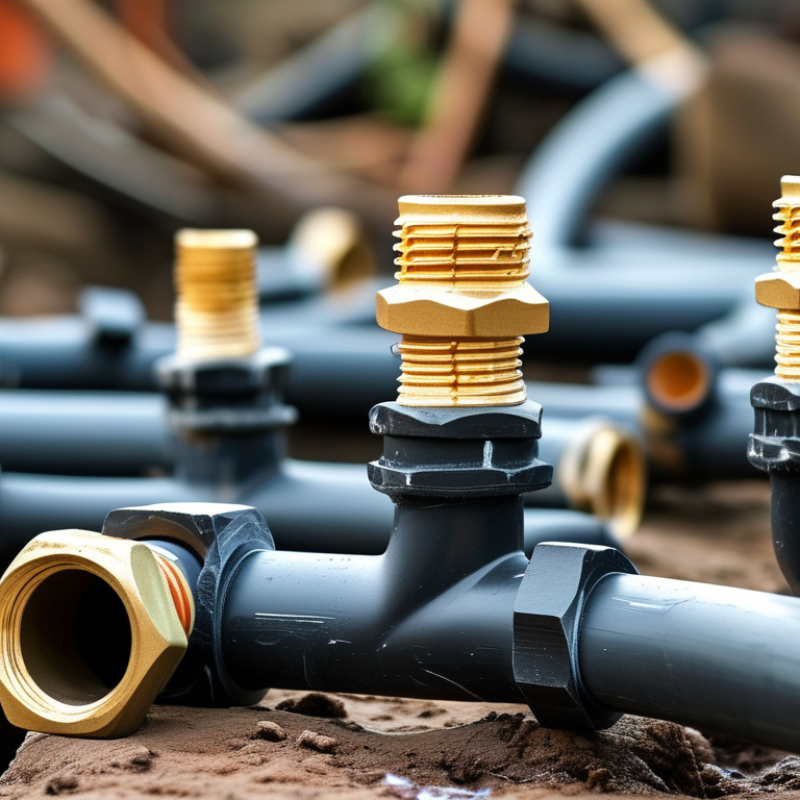
When selecting a PVC coupling, understanding the different types is crucial. There are various shapes and sizes of PVC couplings, each designed for specific functions.
Socket couplings are common for joining two pipes end-to-end. They provide a secure connection and are easy to install. On the other hand, threaded couplings allow you to connect pipes with male or female threads, popular for repair jobs.
Another type is the reducing coupling, which connects pipes of different diameters. It can save space in certain applications. You might also encounter cross couplings, which create a junction where four pipes meet.
Each coupling type has its strengths, but the best choice will depend on your project's requirements.
Consider durability and environment as well. Some couplings are more resistant to chemicals or temperature changes. It's also worth noting that improper installation can lead to leaks or failures. Take time to assess your needs before making a choice.
Picking the right PVC coupling can greatly impact your project’s success.
When selecting PVC couplings for your project, consider several key factors. The size of the coupling is crucial. Measure the outer diameter of the pipes to ensure a proper fit. A coupling that is too loose or tight can cause leaks or joint failures.
Material durability is another important aspect. PVC is known for its resistance to corrosion and chemicals. However, exposure to extreme temperatures can impact its performance. Be mindful of your project’s environment when selecting your materials.
Tips: Always check for the coupling’s pressure rating. This rating will indicate if it can handle the intended flow and pressure in your system. Also, think about installation ease. Some designs simplify the process, saving you time and effort.
Furthermore, consider the specific application. For instance, couplings used in water systems might require different properties than those for electrical conduits. Reflect on the project requirements and consult with experts if needed. Each choice you make now can affect long-term performance.
When selecting a PVC coupling for your project, pressure and temperature ratings are crucial. These ratings determine the coupling's ability to withstand different environments. According to industry standards, most PVC couplings have a pressure rating of 140 PSI at 73°F. However, this rating can vary significantly with temperature changes. As temperatures rise, the pressure ratings typically decrease, meaning a coupling rated for high pressure may not perform as expected at elevated temperatures.
For instance, a study by the American Society for Testing and Materials (ASTM) indicates that a PVC coupling may have a pressure rating of only 60 PSI at 140°F. This information underscores the importance of carefully evaluating environmental conditions before making a selection. Ensure you have a comprehensive understanding of the temperature range your project will encounter.
In some cases, contractors overlook these specifications, leading to system failures. It's essential to consult technical guides and ensure you're using the right materials for your unique conditions. By prioritizing these critical ratings, you can make informed decisions that enhance the reliability of your plumbing systems.
| Coupling Type | Pressure Rating (psi) | Temperature Rating (°F) | Material Type |
|---|---|---|---|
| Standard PVC Coupling | 150 | 140 | PVC |
| High Pressure PVC Coupling | 200 | 140 | PVC |
| Schedule 40 PVC Coupling | 120 | 140 | PVC |
| Schedule 80 PVC Coupling | 200 | 140 | PVC |
| CPVC Coupling | 100 | 200 | CPVC |
When installing PVC couplings, ensure you follow proper techniques. This minimizes leaks and maximizes durability. Start by cleaning the pipe ends thoroughly. Remove dirt, grease, or old adhesive. Deburring the edges creates a smooth connection. Use a PVC cleaner and primer for a better seal. These products prepare the surface efficiently.
Proper alignment of the coupling is crucial. If not aligned correctly, you may face difficulties later. Some might rush this step, but taking time pays off. Apply the solvent cement swiftly after priming. A good bond is essential for longevity. Give the joint adequate time to cure. Rushing this can lead to weak joints and requires reinstallation.
Regular maintenance is key for PVC couplings. Inspect the joints for any signs of wear or leaks. Sometimes, issues can be subtle. A small drip today could lead to bigger problems tomorrow. Clean any debris off the joints during your inspections. This prevents buildup that could weaken the integrity. Taking a few moments for maintenance can save significant future repairs.
When selecting PVC couplings, many make common mistakes that can lead to project challenges. One frequent error is underestimating the necessity of matching the coupling size with existing pipes. This can cause leaks and pressure issues. Always ensure that the diameter of the coupling matches your pipes accurately.
Another common mistake is overlooking the material compatibility. PVC comes in various grades, and not all are suitable for every project. For example, using a standard PVC coupling in a high-pressure application can lead to failures. It’s crucial to check that the couplings can withstand the conditions of your specific environment.
Additionally, some may ignore the importance of glue and fittings. Using incompatible adhesives can weaken the connection. Apply the right adhesive carefully, following the manufacturer’s instructions. Keep in mind that choosing the correct PVC coupling hinges on understanding both your project needs and the materials involved. Always take the time to verify specifications and compatibility before making your decision.
: Measure the outer diameter of pipes for proper fit. Ensure the coupling isn’t too loose or tight.
Exposure to extreme temperatures can reduce durability. Always evaluate the environment of your project.
Pressure ratings indicate the coupling’s capacity. A higher rating means it can handle more flow and pressure.
As temperatures rise, pressure ratings often drop. This can impact performance significantly in certain conditions.
No, specific applications require different properties. Consider the unique needs of your project carefully.
Ignoring specifications can lead to system failures. It's crucial to follow technical guidelines for success.
Look for designs that simplify installation. This can save you time and effort in the long run.
Consulting with experts is a good practice. They can help you understand complex requirements.
A wrong choice affects long-term performance. It can lead to leaks and costly repairs down the line.
Right materials enhance reliability and performance. Mismatched materials can cause system inefficiencies and problems.
When selecting the right PVC coupling for your project, it's crucial to understand the various types available and their specific applications. Each type of PVC coupling has unique characteristics tailored for different uses, and knowing the correct application will help maximize performance. Key factors to consider include the pressure ratings and temperature ratings of the couplings, which ensure they can withstand the conditions of your project without failure.
Additionally, adhering to best practices for installation and maintenance can extend the lifespan of your PVC couplings and prevent costly repairs. It’s also essential to be aware of common mistakes, such as overlooking compatibility with existing systems or neglecting to check for quality certifications. By following these guidelines, you can choose the most suitable PVC coupling, ensuring your project’s success and longevity.

Minde