How to Choose the Right PVC Pipe Fittings for Your Project?

Time:2026-06-24 Author:Henry
0%

Choosing the right PVC pipe fittings for your project can be challenging. With numerous options available, expertise is essential. Renowned industry expert, John T. Richards, has emphasized, "Selecting the correct PVC fittings is crucial for the integrity of your plumbing system." This highlights the importance of informed decisions.

PVC pipe fittings serve various functions, from ensuring strong connections to enabling effective fluid transport. Consider your project's requirements carefully. Even minor miscalculations can lead to significant issues. Take the time to compare materials and types. Some projects may require more specialized fittings, while others can utilize standard options. Understanding specifications is key.

It’s also vital to seek advice from reliable sources. Consulting with professionals can reveal insights not found in product descriptions. Choosing the correct PVC pipe fittings can prevent future headaches. Reflecting on your choices ensures a successful project.
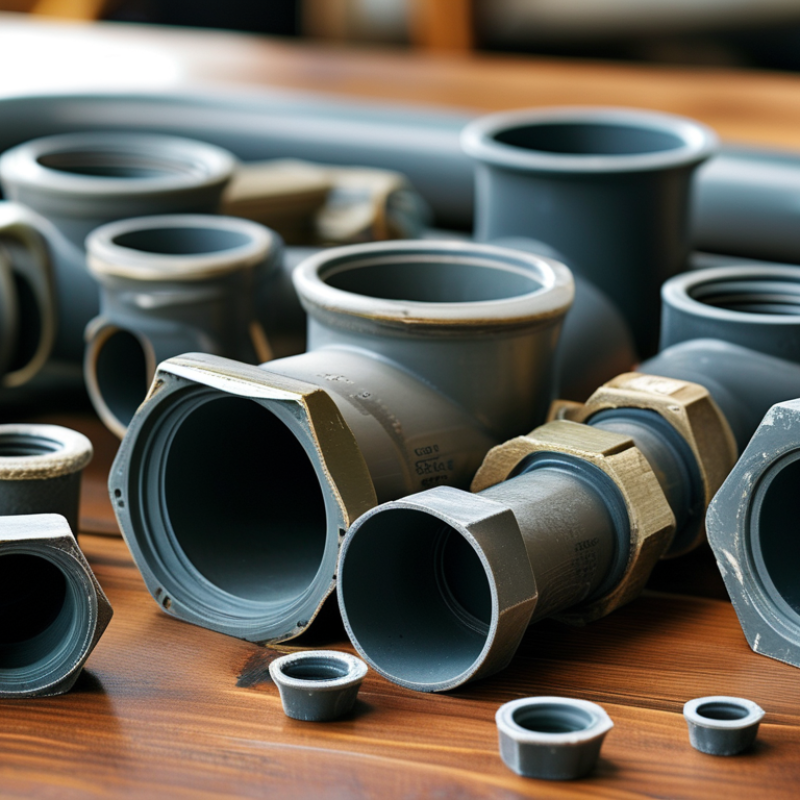
How to Choose the Right PVC Pipe Fittings for Your Project?

Understanding the Types of PVC Pipe Fittings Available in the Market

When selecting PVC pipe fittings, it's crucial to understand the various types available on the market. Common fittings include elbows, tees, and couplings, each serving distinct purposes in plumbing and construction. According to a report by the Plastics Industry Association, the demand for PVC fittings has grown by over 5% annually in recent years. This highlights the need for quality and precise selection in projects.

Choosing the right fitting type can affect the longevity and reliability of your project. Elbows allow for directional changes, while tees enable branching of pipes. Couplings join two pipes together. Consider factors like pressure ratings and compatibility with existing pipes. Make informed decisions based on your specific application.

Tips: Always inspect fittings for any visible defects before use. Inconsistent quality can lead to future leaks or failures.

When evaluating options, also reflect on your project's needs. Not every installation requires the most expensive fitting. Sometimes, budget-friendly solutions can provide adequate performance. Balancing cost and reliability may lead you to unexpected choices.

Key Factors to Consider When Selecting PVC Pipe Fittings

When selecting PVC pipe fittings for your project, several key factors come into play. The first consideration is the size of the pipe. You need to measure the diameter accurately. An improper fit can lead to leaks and inefficiencies. If you are unsure, consult a size chart or an expert.

Another important factor is the type of fitting you need. Options include elbows, tees, and couplings. Each serves a specific purpose. For example, an elbow helps navigate corners, while a tee connects three pipes. Assess your project’s design and determine which fittings will work best.

Material quality is also crucial. PVC comes in various grades, affecting durability and pressure resistance. Lower-quality fittings may not withstand pressure, leading to potential failures. Consider your project requirements fully. Reflect on the long-term use of the fittings. Sometimes, it is tempting to choose cheaper options, but this may lead to higher costs later on. Always prioritize reliability over initial savings.

Assessing Compatibility with Existing PVC Pipes and Systems

When choosing PVC pipe fittings for your project, it’s essential to assess compatibility with your existing system. Not all PVC pipes are the same. Variations can occur based on material type and diameter. Ensure the fittings you select match the specifications of your current pipes. Mismatched fittings can lead to leaks or even system failures.

Take time to inspect your existing setup. Look for any markings on the current pipes. These can provide vital information about the pipe's schedule and diameter. It may also be worth considering the age of the existing system. Older pipes might not adhere to current standards, requiring different fittings than anticipated. Measure carefully to avoid purchasing incorrect sizes.

Using fittings without appropriate testing is risky. While many new fittings may visually match, differences in wall thickness or chemical composition can cause issues. Reflect on any previous experiences with pipe installations. If you’ve encountered problems before, learn from those instances. This time, ensure every connection is secure and compatible to avoid future headaches.

Evaluating Quality and Standards of PVC Pipe Fittings

When selecting PVC pipe fittings for any project, quality and standards are essential factors to consider. According to the American Society for Testing and Materials (ASTM), quality in PVC products significantly impacts performance. Fittings must meet specific industry standards, such as ASTM D2466 and ASTM D2665. These standards ensure that the fittings can withstand pressure and maintain structural integrity.

A recent industry report indicates that 40% of construction failures are attributed to subpar piping materials. This statistic underscores the importance of selecting high-quality fittings. Look for certifications from recognized organizations to ensure compliance with safety and functionality requirements. The right PVC fittings should withstand various temperatures and environments, leading to enhanced durability.

Moreover, manufacturing practices play a crucial role in the overall quality of the fittings. It is vital to choose products that utilize advanced technologies in the production process. Some fittings may appear similar but differ in strength and longevity. This difference often comes down to the materials and techniques used in their creation. Each project may require a unique set of specifications, and understanding these can lead to better outcomes.

Installation Tips for Optimal Performance of PVC Pipe Fittings

When installing PVC pipe fittings, attention to detail is vital. Proper installation can significantly impact the performance of your plumbing system. Using the right tools is essential. A pipe cutter ensures clean cuts, minimizing potential leaks. Ensure all fittings fit snugly. Loose fittings can lead to frustrating water leaks.

Always dry-fit the components before glueing them in place. This practice helps you visualize the complete layout. Make adjustments as needed. Applying PVC cement requires precision; use it sparingly to avoid mess. Remember to work in well-ventilated areas when using adhesives.

Consider temperature and humidity during installation. High humidity can affect the curing process. Wait the recommended time before pressurizing the system. This will allow the seal to set properly. Don’t rush; take your time to ensure everything is aligned. Small errors can lead to costly repairs later.

FAQS

: What types of PVC pipe fittings are available?

: Common types include elbows, tees, and couplings, each serving different plumbing purposes.

Why is choosing the right fitting important?

The right fitting affects your project's longevity and reliability. Poor choices can lead to leaks.

How do I assess compatibility with existing pipes?

Check markings on your current pipes for diameter and specifications. Ensure fittings match.

What should I inspect before using fittings?

Always inspect for visible defects. Even minor flaws can lead to significant problems later.

Are more expensive fittings always better?

Not necessarily. Budget-friendly options can sometimes perform adequately for your needs.

What factors should I consider when selecting fittings?

Consider pressure ratings, compatibility, and your specific project requirements for best outcomes.

How can older pipes affect my fittings choice?

Older pipes may not meet current standards, requiring different fittings than expected. Measure accurately.

Why is testing fittings important?

Without proper testing, mismatched materials can cause issues, even if they look similar.

How can previous experiences inform my fitting choices?

Reflect on past installation problems. Ensure secure and compatible connections this time to avoid headaches.

What should I do if I'm unsure about sizes?

Measure carefully to avoid incorrect purchases. Inaccurate sizes can lead to installation failures.

Conclusion

Choosing the right PVC pipe fittings is essential for the success of any plumbing or construction project. The variety of PVC pipe fittings available in the market can be overwhelming, making it crucial to understand the different types, such as elbows, tees, and couplings, to determine which will best suit your needs. Key factors to consider include the diameter of the pipes, the pressure requirements, and the specific application for which the fittings will be used.

Compatibility with existing PVC pipes and systems cannot be overlooked; ensuring that the fittings mesh well with current installations is vital for long-term performance. Furthermore, assessing the quality and standards of the PVC pipe fittings you select can help prevent issues related to durability and leaks. Finally, following proper installation techniques will ensure optimal performance, thereby extending the lifespan of your plumbing system. By carefully considering these elements, you can confidently choose the right PVC pipe fittings for your project.

Henry

Henry

Henry is a dedicated marketing professional with a profound expertise in the company's offerings. With years of experience in the industry, he possesses an impressive understanding of the market dynamics and consumer behaviors that drive success. Henry is committed to sharing his insights through......