2026 How to Choose Poly Pipe Fittings for Your Projects?

Time:2026-07-07 Author:Mason
0%

Choosing the right poly pipe fittings is crucial for the success of any project involving plumbing or irrigation. These fittings connect pipes and ensure a leak-free system. Their durability and resistance to corrosion make them a popular choice in various applications. However, the selection process can be complicated.

When exploring poly pipe fittings, consider factors like size, pressure ratings, and compatibility with existing systems. Each project has unique demands. Understanding these elements is vital to avoid costly errors later on. Some may overlook these details, thinking all fittings are the same. This can lead to significant issues down the line.

Researching different types can improve decision-making. For example, not every fitting works with all poly pipe types. Some have specific requirements. This nuance can complicate installation. It’s essential to weigh options carefully. Seek expert advice when needed. Familiarity with the specifications can save time in the long run. Poly pipe fittings might seem simple, but the stakes are high. Making informed choices fosters a more reliable outcome. Engaging with seasoned professionals can enhance your project’s success.
2026 How to Choose Poly Pipe Fittings for Your Projects?

Understanding Poly Pipe Fittings and Their Applications

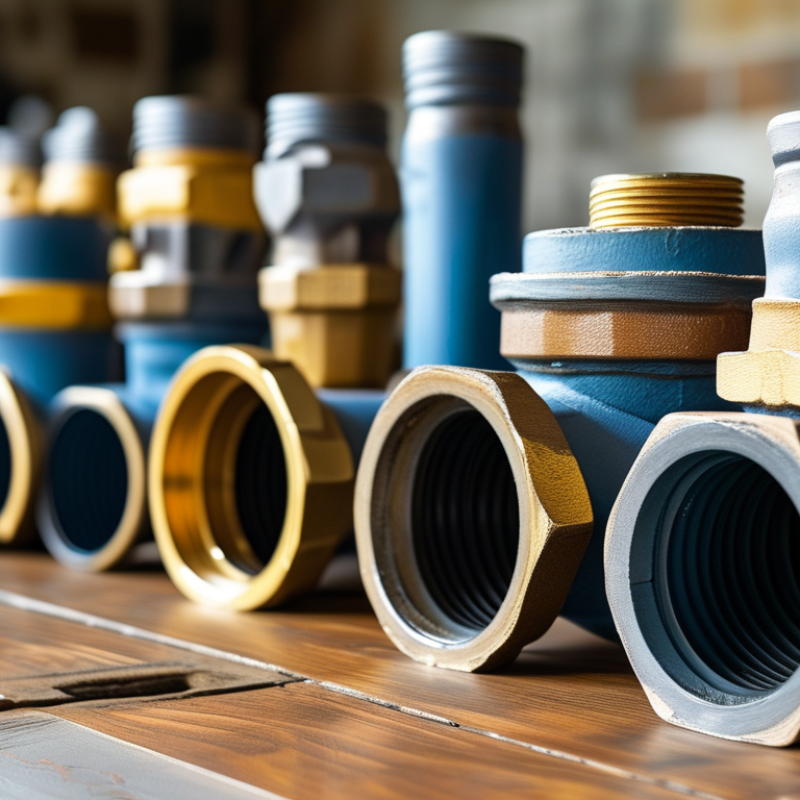
Poly pipe fittings are essential components in various plumbing and irrigation projects. These fittings connect different sections of polyethylene pipes, creating a seamless system for fluid transport. Understanding the types and functions of these fittings is crucial for ensuring project success. Common fittings include elbows, tees, and couplings, each serving specific roles in directing flow or joining pipes.

When selecting poly pipe fittings, consider factors like pressure ratings, compatibility, and environmental conditions. Some projects may require specialized fittings for high-pressure applications, while others focus on durability against UV exposure. It’s vital to match fittings to the pipe’s diameter and material. A mismatched fitting can lead to leaks and costly repairs, so careful attention to detail matters.

A project’s needs may lead to experimentation with various fittings. This process can sometimes result in unexpected challenges. Testing different options might reveal the best choices for specific situations. Documenting these experiences aids future projects and enhances understanding. Making informed decisions based on thorough research is key to achieving reliable installations.

Types of Poly Pipe Fittings and Their Features

When selecting poly pipe fittings, understanding the types available is crucial. Key types include elbows, tees, and couplings. Elbows facilitate directional changes in piping systems. Tees allow connections between three pipes, creating a junction for branching lines. Couplings connect two sections of pipe, ensuring a tight seal.

The features of these fittings vary significantly. For instance, standard poly pipe fittings are lightweight yet robust. They can withstand pressures of up to 100 PSI in typical applications. This resilience proves critical in irrigation and gas distribution. A study by the American Society of Agricultural and Biological Engineers found that improper fitting choices lead to over 30% of pipeline failures in agricultural setups.

Material durability is another vital consideration. High-density polyethylene (HDPE) is often used for its resistance to chemicals and UV light. However, not all HDPE fittings are equally effective. Some may degrade faster under certain environmental factors. Experts recommend assessing the specific conditions of your project to ensure optimal fitting choices.

Factors to Consider When Choosing Poly Pipe Fittings

Choosing the right poly pipe fittings is crucial for any construction project. Several factors need careful consideration to ensure optimal performance. Material compatibility is essential. Polyethylene and polybutylene are commonly used materials, each with unique properties. Understanding the specific requirements of your project can lead to better material selection.

Environmental conditions also play a significant role. Temperature fluctuations and UV exposure can impact the longevity of fittings. For instance, reports indicate that UV resistance can reduce the life expectancy of fittings by up to 40%. When selecting fittings, consider how they will endure in various settings.

**Tips:** Always check pressure ratings. They can vary significantly. Ensure the fittings match your project specifications. Regular inspections help catch wear early. Watch for signs of stress or cracks. This can save costly repairs down the line.

Selecting fittings without proper evaluation may lead to leaks and failures. Local regulations often dictate specific requirements as well. Gauge the feedback from other professionals in the field. Collaboration can lead to better choices and safer installations. Always seek advice and consult trusted sources.

2026 How to Choose Poly Pipe Fittings for Your Projects?

Factor Description Importance Level Common Uses
Material Compatibility Ensure the fittings match the type of poly pipe being used. High Water supply systems
Pressure Rating Select fittings that support the pressure requirements of your project. Critical Irrigation systems
Size and Diameter Choose fittings that match the diameter of your pipes. High Plumbing installations
Temperature Range Consider the temperature range that the fittings can tolerate. Medium Hot water systems
Installation Method Check if the fittings can be easily installed using the required tools. Medium Various applications
Cost Evaluate the cost against the budget for the project. Important Residential and commercial projects

Installation Techniques for Poly Pipe Fittings

When installing poly pipe fittings, it’s crucial to ensure a secure connection. Start by ensuring that both the pipe and fitting are clean and free of debris. A clean surface ensures a better seal. Use a utility knife for precise cutting of the pipe. An uneven cut can lead to leaks. Take your time with this step; precision matters.

Heating fittings can make the installation process smoother. Warm the fitting slightly with a heat gun. This allows the fitting to expand slightly and aids in a snug fit. However, avoid overheating, as this can damage the material. After fitting, allow it to cool naturally to secure the connection.

Testing your installation is essential. After assembly, check for leaks by running water through the system. Look for any signs of moisture around joins and fittings. Address any leaks immediately. Reflect on your installation technique. Continuous improvement of skills can lead to better project outcomes in the future. The more you practice, the more refined your approach will become.

Poly Pipe Fittings Usage in Different Applications

Maintenance Tips for Ensuring Longevity of Poly Pipe Fittings

When it comes to maintaining poly pipe fittings, proper care ensures longevity and performance. Regular inspections are crucial. Check for signs of wear, such as cracks or leaks. Addressing these issues early can prevent larger problems later. Even small damages can compromise the overall system's integrity.


Keep fittings clean and free of debris. Accumulated dirt can restrict flow and lead to pressure issues. Using a gentle brush can help keep surfaces smooth. Lubrication may also be necessary to support easier connections, but be careful not to overdo it. Too much lubricant can attract dirt and have the opposite effect.


Store fittings properly to protect them from UV rays and extreme temperatures. These factors can weaken materials over time. If not in use, keep them covered in a cool, dry place. It’s essential to intervene before problems escalate, even if that means acknowledging mistakes made in installation or usage.


Simple tweaks often lead to significant improvements in longevity.

FAQS

: Why is material compatibility important when choosing poly pipe fittings?

: Material compatibility ensures optimal performance. Different materials, like polyethylene and polybutylene, have unique properties.

How do environmental conditions affect poly pipe fittings?

Temperature changes and UV exposure can significantly reduce fittings' life expectancy, potentially by up to 40%.

What should I check before selecting poly pipe fittings?

Always check pressure ratings. They can vary widely and must match your project specifications.

How can regular inspections help with poly pipe fittings?

Regular inspections can catch wear early. Look for cracks or signs of stress to avoid costly repairs later.

What is the first step in installing poly pipe fittings?

Ensure both the pipe and fitting are clean. A clean surface provides a better seal for connections.

Why is precision important when cutting pipes for fittings?

Uneven cuts can lead to leaks. Taking your time during this step allows for a secure connection.

How can heating fittings help during installation?

Warming the fitting slight allows it to expand and fit snugly. Avoid overheating to prevent material damage.

What should I do after assembling the fittings?

Test for leaks by running water through the system. Address any leaks immediately for safety.

How can I improve my installation technique over time?

Reflect on your installation methods. Continuous practice can enhance your skills and lead to better results.

What should I consider regarding local regulations with fittings?

Local regulations may dictate fitting requirements. It’s wise to gauge advice from professionals in your area.

Conclusion

When selecting Poly Pipe Fittings for your projects, understanding their applications and types is crucial. Poly Pipe Fittings are available in various forms, each designed for specific functionalities, thereby influencing their performance in different environments. Key factors to consider include the material compatibility, pressure rating, and environmental conditions they will be exposed to.

Proper installation techniques and ongoing maintenance are essential to ensure the longevity and efficiency of Poly Pipe Fittings. Adhering to recommended practices during installation can prevent leaks and other issues, while regular inspections and upkeep can enhance their durability. By making informed choices, you can effectively integrate Poly Pipe Fittings into your plumbing or irrigation systems, ensuring optimal performance over time.

Mason

Mason

Mason is a seasoned marketing professional with a deep expertise in the company's offerings and a passion for driving brand awareness. With a strong background in digital marketing strategies, he has an innate ability to connect with diverse audiences and effectively communicate product benefits.......