Irrigation fittings play a crucial role in agricultural efficiency and water management. According to industry expert John Smith, "Choosing the right irrigation fittings can make all the difference in crop yield." His insights highlight the importance of understanding these components.
When choosing irrigation fittings, consideration is key. Different types cater to various needs. For example, PVC, poly, and metal fittings each possess unique advantages. Knowing your specific requirements can save time and resources.
However, it is easy to overlook crucial details. Many users underestimate the importance of compatibility and pressure ratings. This oversight can lead to inefficient systems and higher costs. Careful research and consultation with professionals are essential.
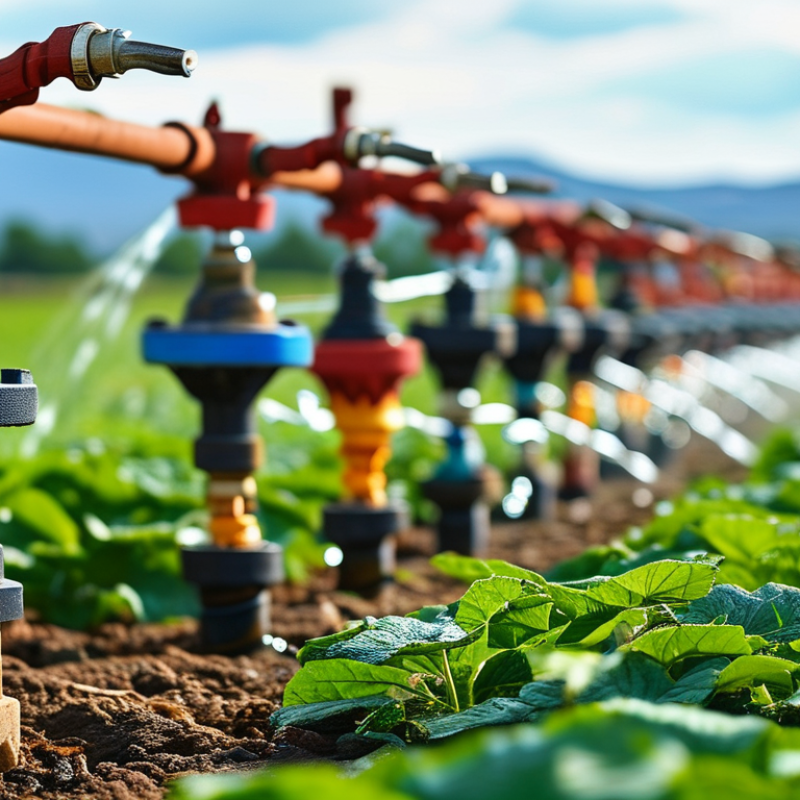
Irrigation fittings are essential components in agricultural water management. They connect various parts of irrigation systems, ensuring efficient water delivery. Different types of fittings serve specific purposes. Common types include connectors, adapters, and valves, each catering to unique requirements.
Connectors link pipes or hoses, making it easier to extend systems. Adapters allow for compatibility between different sizes or materials. Valves control water flow, enabling farmers to manage irrigation schedules effectively. Choosing the right fittings depends on the specific irrigation setup, soil type, and crop requirements.
Farmers often overlook the importance of quality fittings. Low-quality materials may lead to leaks or failures, wasting precious water. In contrast, investing in durable fittings enhances system longevity and efficiency. Analyzing particular needs and potential challenges can lead to better irrigation practices and improved crop yields.
Irrigation fittings are essential components in any irrigation system. They help connect pipes and tubes, ensuring water flows efficiently to plants. The choice of material for these fittings greatly impacts the durability and effectiveness of your system.
Common materials for irrigation fittings include PVC, metal, and polyethylene. PVC is lightweight and resistant to corrosion but can become brittle over time. Metal fittings are strong and long-lasting, yet they may rust or corrode if not properly maintained. Polyethylene is flexible and resistant to chemicals, but it may not hold up in extreme temperatures.
When selecting irrigation fittings, consider the specific needs of your system. Evaluate factors such as pressure requirements, soil conditions, and climate. A wise choice can enhance your irrigation system's performance.
Tips:
- Inspect fittings regularly for wear and tear.
- Choose materials that suit your local environment.
- Don't overlook the importance of quality connections.
When choosing irrigation fittings, several factors come into play. Understanding these elements can ensure you make the right selections for your irrigation system.
Material choice is crucial. Options include PVC, polyethylene, and metal. Each has its own benefits and drawbacks. PVC is versatile, but can become brittle over time in extreme temperatures. Metal fittings offer strength but may corrode. Consider the climate where the system will be installed.
Sizing is another important factor. Pipes must match the size of the fittings to prevent leaks. Measure your system accurately. Too small or too large can cause problems. Take your time to get this right.
Tips:
1. Always check compatibility with your existing system.
2. Test a small section before full installation.
3. Keep spare fittings handy to avoid delays.
Make sure to understand the pressure ratings of the fittings. This is vital for system durability. Low-rated fittings may fail under high pressure. Take into account the specific requirements of your crops. Some plants may need more moisture, demanding a different setup.
Reflect on your selections. Do they serve the long-term goals of your irrigation system? It's essential to periodically revisit and reassess your choices. This ensures continued efficiency and effectiveness in your irrigation efforts.
| Fitting Type | Material | Pressure Rating (PSI) | Compatibility | Common Applications |
|---|---|---|---|---|
| PVC Fittings | PVC | 200 | PVC pipes | Residential irrigation systems |
| Polyethylene Fittings | Polyethylene | 160 | Poly pipes | Drip irrigation |
| Brass Fittings | Brass | 300 | Various sizes | Hose connections |
| Stainless Steel Fittings | Stainless Steel | 500 | High-pressure systems | Commercial irrigation |
| Compression Fittings | Plastic | 100 | Various pipes | Easy installation |
When selecting irrigation fittings, industry standards and regulations play a crucial role. These guidelines ensure safety, efficiency, and environmental protection. Regulations may vary by region, affecting the types of materials and designs permitted. Compliance with local laws not only safeguards the environment but also enhances the durability of your irrigation system.
Understanding the material composition of fittings is essential. PVC, polyethylene, and brass are commonly used. Each material has specific regulations governing its use. For example, PVC is favored for its durability, but certain grades may be restricted in agricultural settings. Referencing local standards helps avoid costly mistakes.
Tips: Always check for compliance labels on fittings. They indicate conformity to industry standards. Consult with local agricultural authorities for updated regulations. Regularly reviewing these standards helps maintain your system's efficiency and legal standing. Take the time to reflect on your choices, as adjustments may be necessary over time.
Irrigation fittings are crucial in improving water efficiency for agriculture. These components connect various parts of an irrigation system, ensuring seamless water flow. Choosing the right fittings can significantly reduce water wastage. For instance, efficient connections minimize leaks, which can waste valuable resources.
Farmers should consider several factors when selecting irrigation fittings. The fitting material is essential. Plastic and metal options each have different benefits. Plastic tends to be lighter and resistant to corrosion. Metal fittings may offer durability, but they can corrode over time. Take into account the local environment, too. Extreme temperatures can affect the choice of materials.
Farmers often overlook the importance of proper installation. Misaligned fittings can lead to inefficiencies. Regular checks are needed to ensure all connections function well. This ongoing maintenance ensures optimal water usage. A small oversight in fitting choice or installation can lead to bigger problems later.
: Irrigation fittings connect parts of irrigation systems, ensuring efficient water delivery.
Common types include connectors, adapters, and valves, each serving specific purposes.
Low-quality fittings may cause leaks, wasting water. Durable fittings enhance system efficiency and lifespan.
Common materials include PVC, metal, and polyethylene, each with pros and cons.
Extreme temperatures may impact the durability of certain materials, especially plastics.
Regular inspections help identify wear and potential leaks, ensuring efficient water flow.
Misaligned fittings can cause inefficiencies. Proper installation is crucial for optimal performance.
Consider pressure requirements, soil conditions, and local climate.
Efficient connections reduce leaks and waste, maximizing water use for crops.
Neglecting maintenance can lead to larger problems, affecting overall water usage and crop yields.
Irrigation fittings play a crucial role in modern agriculture by connecting various components of irrigation systems, ensuring efficient water distribution to crops. This article explores the different types of irrigation fittings available, emphasizing their significance in enhancing water efficiency and promoting sustainable farming practices.
The selection of irrigation fittings requires careful consideration of key factors such as materials used, which come with their own pros and cons, as well as compliance with industry standards and regulations. Understanding these elements will help farmers make informed decisions when choosing irrigation fittings that best suit their watering needs and improve the overall efficacy of their irrigation systems.

Minde