Choosing the right pipe valves is crucial in any project. Industry expert John Smith, a senior engineer with over 20 years of experience, emphasizes, "Quality pipe valves can make or break your project's efficiency." This statement highlights the importance of selecting the right components for success.
Pipe valves play a vital role in managing the flow of liquids and gases. Their functionality directly impacts system performance and safety. Understanding the various types, materials, and applications is key to making informed choices.
Yet, many professionals overlook critical factors when choosing pipe valves. They often prioritize cost over quality. This can lead to failures and costly repairs. It's essential to weigh the pros and cons of each option. Knowledge and careful selection pave the way for a smooth-running project.
Understanding the Different Types of Pipe Valves Available
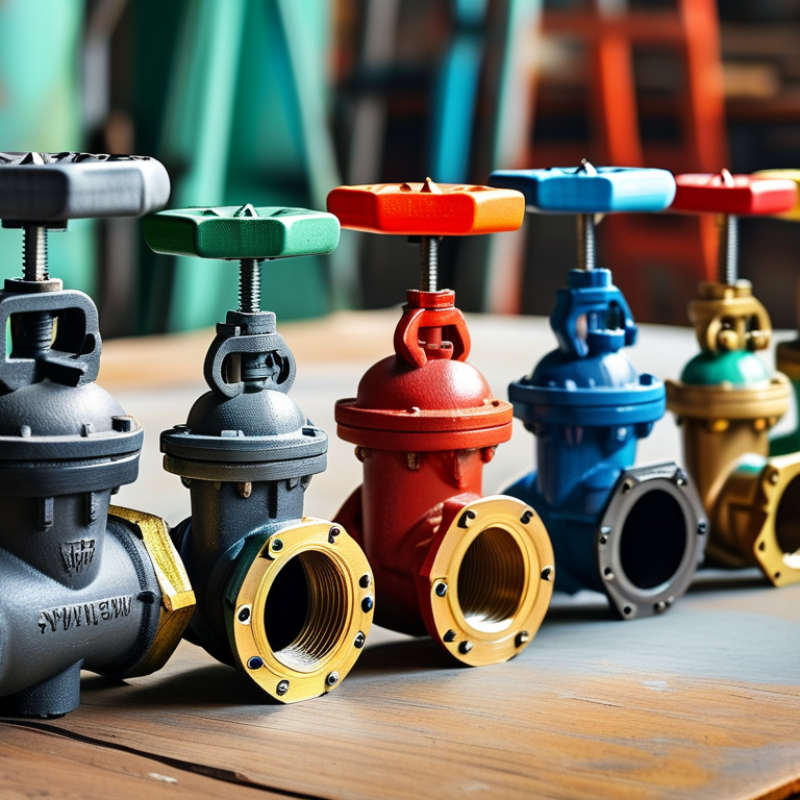
Choosing the right pipe valves is crucial for any project. Various types of pipe valves are available, each serving different purposes. Gate valves control flow in a straight line, allowing for minimal pressure drop. They are ideal for situations needing full flow. However, they are not suitable for throttling. For more precise control, globe valves are commonly used. They can regulate flow but have higher resistance, impacting efficiency over time.
Butterfly valves offer a compact design that works well in tight spaces. Their quick operation is beneficial for large pipelines, but they may struggle with complete sealing. Check valves are essential for preventing backflow in a system. They automatically block reverse flow, ensuring safety and system integrity. Each type has its pros and cons.
Selecting the right valve requires careful consideration of factors such as flow requirements, installation space, and long-term maintenance. Often, the decision can feel overwhelming. Evaluating each option and its application in your project is vital. You must balance efficiency, cost, and functionality. Sometimes, common mistakes arise from not considering the system's specific needs. The wrong choice can lead to leaks, inefficiencies, or even system failure. Therefore, thorough research and planning are critical for successful outcomes.
Assessing the Application Requirements for Valve Selection
When selecting pipe valves, assessing application requirements is crucial. Understanding factors like pressure, temperature, and fluid type ensures effective operation. A recent industry report indicates that improper valve selection can lead to equipment failure in 30% of cases. Such failures can result in costly downtime and extensive repairs.
Different materials perform better under specific conditions. For instance, high-temperature applications may necessitate specialized alloys. Furthermore, when dealing with corrosive materials, selecting a valve with appropriate coatings is essential. The right choice can extend the valve's lifespan significantly, as shown in studies where optimized selections reduced maintenance costs by 25%.
It’s also important to consider installation and operational environments. Often, valves might require customization to fit existing systems well. Yet, some projects overlook these nuances, which can cause performance issues. In fact, over 40% of project managers reported encountering compatibility problems post-installation. Thus, thorough analysis of application requirements can not only prevent costly mistakes but also improve overall system efficiency.
Evaluating Materials for Durability and Compatibility
When selecting pipe valves, evaluating materials is crucial. The choice of material affects durability and compatibility with various fluids. For example, metals like brass and stainless steel resist corrosion and wear. However, these materials might not be suitable for all situations.
Consider the environment where the valve will be used. Some materials can degrade in harsh conditions, which leads to failures. It's essential to assess temperature ranges and chemical exposure. A valve might pose risks if it reacts adversely with the transported fluid. Understanding these factors is vital for achieving reliable performance.
Not all projects are straightforward. Factors like cost, availability, and fabrication methods can complicate decisions. A reliable valve might exceed a limited budget. Balancing quality and expense often requires deep reflection. The right material is a cornerstone for success, but even experienced professionals sometimes overlook local conditions. Attention to detail in material selection can prevent costly failures down the line.
Considering Pressure and Temperature Ratings in Valve Choices
When selecting pipe valves for your projects, understanding pressure and temperature ratings is essential. The valve’s pressure rating determines how much pressure it can withstand. If you exceed this level, the valve may fail, leading to costly leaks or even accidents. For example, a valve rated for 150 psi should not operate at a higher level. It’s crucial to know your system’s requirements.
Temperature ratings are equally important. A valve designed for high temperatures might not function properly in a cold environment, and vice versa. Materials used in the valve construction influence its temperature rating. For instance, certain metals can become brittle at low temperatures. This brittleness can lead to unexpected failures. Always match the valve’s capabilities with your operational environment.
Mistakes can occur when pressure and temperature ratings are not considered. Using the wrong valve can result in operational inefficiencies and safety issues. A common oversight is neglecting to account for fluctuating temperatures or sudden pressure spikes. Regular review of your setup can help avoid these pitfalls. Proper documentation of valve specifications will improve project reliability and efficiency.
Choosing Pipe Valves: Pressure and Temperature Ratings
Reviewing Manufacturer Reputation and Product Warranty Options
When selecting pipe valves for your projects, reviewing manufacturer reputation is crucial. A strong reputation often reflects years of experience and reliability. Look for manufacturers known for quality and innovation. Check customer reviews and industry feedback to gauge satisfaction levels. The impressions of others can guide your decision-making process.
Product warranty options should also be a priority in your evaluation. A robust warranty provides peace of mind. It indicates that the manufacturer stands behind their product. Warranties can vary significantly. Some may offer extended coverage, while others might have limitations. Ensure you understand what the warranty entails.
It's important to consider if the manufacturer has a track record of honoring warranties. Instances of claims being denied can be frustrating. Engage with support teams directly to assess their responsiveness. This interaction can reveal how much the company values its customers. These factors ensure that your choices align with your project’s needs.
Top 5 Tips for Choosing Pipe Valves in Your Projects
| Tip |
Description |
Considerations |
Importance |
| 1. Review Manufacturer Reputation |
Research manufacturers' history, reliability and market presence. |
Consider industry reviews and customer feedback. |
High |
| 2. Evaluate Product Warranty Options |
Check the warranty coverage durations and conditions. |
Understand what is covered under the warranty. |
Medium |
| 3. Assess Material Compatibility |
Ensure valve materials are suitable for the fluids involved. |
Consider factors like temperature, pressure, and chemical properties. |
High |
| 4. Check for Industry Compliance |
Verify if the products meet required industry standards and regulations. |
Consult relevant compliance documents and certifications. |
High |
| 5. Compare Pricing and Value |
Analyze pricing against features and warranty to ensure value. |
Don’t equate the lowest price with the best value. |
Medium |
Conclusion
When selecting pipe valves for your projects, it's essential to understand the various types available, as each serves a distinct function. Assessing the application requirements is crucial, as different scenarios demand specific valve functionalities. Evaluating materials for their durability and compatibility with the substances they will control ensures long-term performance and reliability.
Moreover, it's important to consider the pressure and temperature ratings of the valves, as these factors can significantly impact their operational efficiency. Lastly, reviewing manufacturer reputation and the warranty options they provide can give you greater confidence in your valve choices, ensuring that you select the best options for your project's needs. By following these tips, you can make informed decisions regarding pipe valves that meet your project's demands.

 Minde
Minde