Top 5 Clamp Fitting Options for Global Buyers?

Time:2026-09-05 Author:Madeline
0%

In the world of industrial manufacturing, choosing the right clamp fitting is critical for operational efficiency. As industry expert John Smith notes, “The right clamp fitting can save time and reduce risk.” This insight highlights the importance of selecting dependable fittings for various applications.

Clamp fittings are essential components in many sectors, including food processing, pharmaceuticals, and petrochemicals. They ensure secure connections and facilitate maintenance. However, with various options available, making the best choice can be daunting.

Buyers must consider material compatibility, temperature limits, and pressure ratings when selecting clamp fittings. Observations from the field show that many buyers overlook these factors, leading to costly missteps. Seek reliable solutions that align with your specific needs to avoid potential issues in production lines.
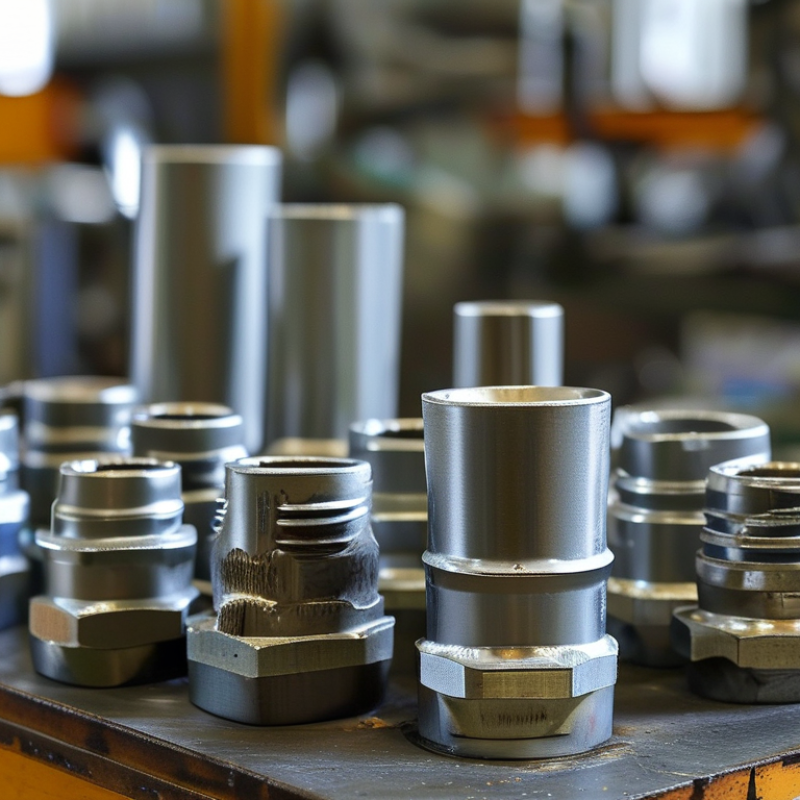
Top 5 Clamp Fitting Options for Global Buyers?

Overview of Clamp Fittings and Their Importance in Various Industries

Clamp fittings play a crucial role in various industries. They are essential in systems that require secure connections for pipes or hoses. These fittings facilitate easy assembly and disassembly. This feature is vital in environments where maintenance is frequent. Robust materials are often chosen to ensure durability. Stainless steel and plastic are common options due to their resistance to corrosion.

In food and beverage applications, cleanliness is non-negotiable. Clamp fittings are designed for easy cleaning, minimizing contamination risks. In pharmaceutical settings, precision is key. Fittings must ensure leakage-proof conditions. This is vital for product integrity and safety. However, not all fittings perform equally. Some may wear out faster than expected under certain conditions. Proper selection based on specific needs is critical.

Notably, the importance of clamp fittings spans beyond just functionality. They contribute to overall system efficiency. A reliable connection reduces downtime caused by leaks or failures. Understanding the specific requirements of each application can lead to better choices. This proactive approach may avoid costly mistakes in the long run.

Key Features to Consider When Choosing Clamp Fittings

When selecting clamp fittings, there are several key features to consider. Material is paramount. Stainless steel and plastic are common choices. Each material offers unique benefits and drawbacks. For example, stainless steel provides durability but may be prone to corrosion. Plastic, while lightweight, can fail under high pressure. Understanding these options helps buyers make informed decisions.

Compatibility is another crucial aspect. Fittings must align with existing piping systems. Mismatched sizes can lead to leaks and inefficiencies. Buyers should measure connection points carefully. Sometimes, even slight variations can cause significant issues later. It’s essential to keep track of dimensions during the selection process.

Additionally, the ease of installation can’t be overlooked. Some fittings require specialized tools or skills. This can complicate projects and increase costs. Assessing the installation requirements beforehand is vital. Buyers should also reflect on long-term maintenance needs. Choosing fittings that allow easy access for repairs can save significant time and money.

Top 5 Clamp Fitting Options for Different Applications

Clamp fittings come in various designs, making them versatile for different applications. For instance, sanitary clamp fittings are ideal for the food and beverage industry. They ensure a sterile connection, preventing contamination during processing. These fittings often feature smooth surfaces, which are easy to clean. They provide a reliable seal without compromising hygiene.

In industrial settings, adjustable clamp fittings are commonly used. These fittings allow quick adjustments, making them suitable for dynamic environments. Users can easily change configurations, which enhances flexibility. However, they may require regular checks to maintain their performance. Ignoring this can lead to pressure loss or leaks, necessitating a thorough understanding of operational needs.

Another option gaining traction is quick-release clamp fittings. They facilitate rapid assembly and disassembly, especially in maintenance tasks. This speed can be a game-changer when downtime is costly. On the downside, improper handling can lead to wear and tear. It’s critical to ensure the right materials are chosen based on the specific application to maximize durability.

Top 5 Clamp Fitting Options for Global Buyers

Clamp Fitting Type Material Application Pressure Rating Temperature Range
Tri-Clamp Stainless Steel Food & Beverage 150 psi -20°C to 120°C
Hygienic Clamp Aluminium Pharmaceutical 100 psi -40°C to 150°C
Quick Release Clamp Plastic Water Treatment 80 psi 0°C to 60°C
Worm Gear Clamp Stainless Steel Industrial 120 psi -10°C to 85°C
Saddle Clamp Steel Construction 200 psi -20°C to 100°C

Comparative Analysis of Materials Used in Clamp Fittings

When evaluating materials for clamp fittings, several key options emerge. Stainless steel is often favored for its robustness. It withstands harsh conditions and resists corrosion, making it a reliable choice. Plastic fittings are lighter and can be more cost-effective. However, they may lack the durability required in high-pressure applications.

Another material worth considering is brass, known for its strength and versatility. It’s suitable for various environments but can corrode under certain conditions. Finally, aluminum offers a unique combination of lightness and strength. It’s an excellent choice for lightweight applications but may not perform well in acidic environments.

Each material has its pros and cons. Choosing the right one depends on the specific requirements of the application. Factors like temperature, pressure, and the nature of the fluids involved must be considered. Sometimes, the ideal material is not the most obvious choice. This decision often requires careful analysis and reflection on the project’s goals and constraints.

Global Market Trends and Future Prospects for Clamp Fittings

The global market for clamp fittings is witnessing significant growth. According to a recent industry report, the market is projected to expand at a CAGR of 5.6% from 2023 to 2030. This growth is largely driven by the increasing demand in sectors like construction, automotive, and manufacturing. Innovative materials and manufacturing processes are enhancing the efficacy of clamp fittings, making them more reliable and easier to install.

Regional trends indicate that Asia-Pacific leads the market, accounting for over 40% of global sales in 2022. This region benefits from a booming industrial sector and rising infrastructure investments. However, challenges such as fluctuating raw material prices pose risks. Buyers need to monitor these developments closely, as they can impact overall supply chain stability.

Sustainability is becoming a focal point. Many manufacturers are adopting eco-friendly materials. Certifications related to environmental impact are gaining importance among buyers. While the future appears promising, the market must address issues related to quality control and product standardization. These factors will ultimately shape the next phase of clamp fitting evolution.

Top 5 Clamp Fitting Options for Global Buyers

FAQS

: What are clamp fittings?

: Clamp fittings are essential components that connect pipes or hoses securely. They are vital in many industries.

Why are clamp fittings important in food and beverage applications?

Cleanliness is critical. These fittings minimize contamination risks, ensuring safe processing.

What materials are commonly used for clamp fittings?

Stainless steel and plastic are popular. They offer durability and corrosion resistance.

How do adjustable clamp fittings enhance flexibility?

They allow quick adjustments in dynamic environments. Users can change configurations easily.

What are the drawbacks of quick-release clamp fittings?

Improper handling can lead to wear and tear. Users must ensure correct material selection.

Why is proper selection of clamp fittings critical?

Not all fittings perform equally. Choosing the right one avoids costly mistakes related to maintenance.

What growth trends are noted in the clamp fittings market?

The market is growing steadily. A CAGR of 5.6% is projected from 2023 to 2030.

How does sustainability affect clamp fittings?

Many manufacturers adopt eco-friendly materials. Environmental certifications are becoming more important.

What risks do fluctuating raw material prices pose?

They can disrupt the supply chain. Buyers should monitor these trends for stability.

What challenges does the clamp fittings market face?

Issues like quality control and product standardization need addressing. They impact future developments.

Conclusion

Clamp fittings are essential components across various industries, providing secure connections for pipes and hoses in fluid transfer applications. Understanding the key features such as material durability, pressure ratings, and compatibility with different systems is crucial when selecting the appropriate clamp fitting.

This article outlines the top five clamp fitting options available to global buyers, catering to various applications. It includes a comparative analysis of the materials used in clamp fittings, highlighting their strengths and weaknesses. Additionally, the piece discusses global market trends, offering insights into the future prospects for clamp fittings as industries continue to evolve and demand more efficient solutions.

Madeline

Madeline

Madeline is a dedicated marketing professional with a wealth of expertise in our company's core offerings. With a keen understanding of the industry, she brings a unique perspective to her role, consistently delivering high-quality content that highlights the superior aspects of our products. As......