Top Hdpe Pipe Fittings for Global Buyers What to Consider?

Time:2026-07-12 Author:Sienna
0%

As global demand for HDPE pipe fittings increases, it is crucial to understand what factors to consider when selecting these components. High-density polyethylene (HDPE) is renowned for its strength and durability, making it a popular choice in various industries. According to recent market research, the global HDPE pipe fittings market is projected to reach $6 billion by 2027, reflecting a significant growth rate driven by infrastructure development and water management needs.

When evaluating HDPE pipe fittings, buyers must consider aspects like compatibility, pressure ratings, and environmental impact. Using reliable data, experts suggest that the right fittings can enhance system performance and reduce leakage risks. Professionals recommend examining product certifications to ensure quality standards are met, which boosts trust in the fitting's reliability. However, not all suppliers offer the same level of quality or service, leading to potential pitfalls in procurement.

In an industry characterized by rapid innovation, staying informed about new technologies and materials is essential. Adopting the latest advancements ensures that buyers make optimal selections. Yet, many still overlook critical factors, exposing themselves to inefficiencies. An informed choice in HDPE pipe fittings not only supports operational success but also prepares industries for future demands.
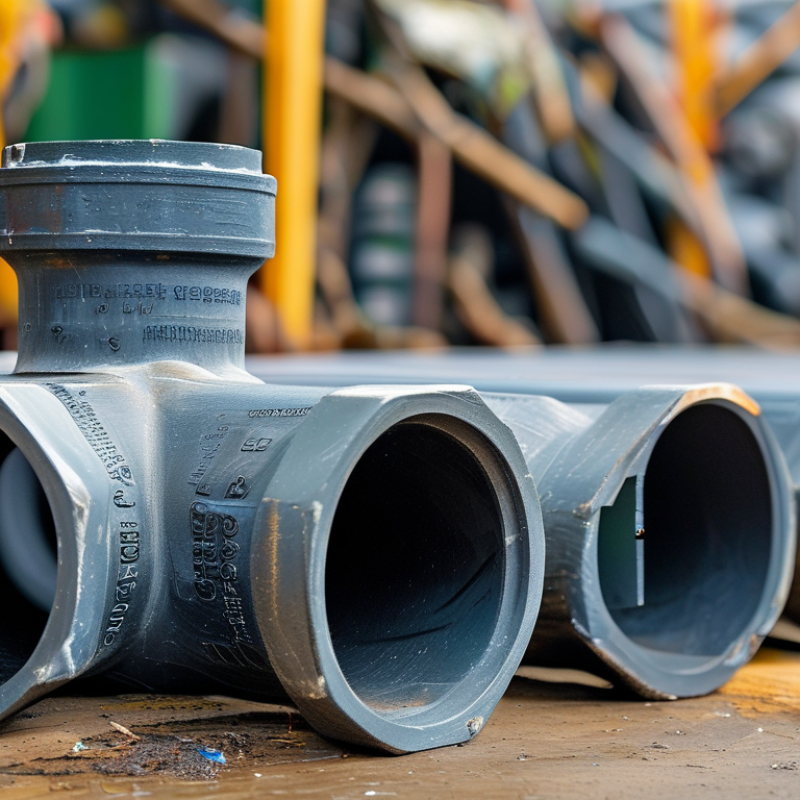
Top Hdpe Pipe Fittings for Global Buyers What to Consider?

Key Features of HDPE Pipe Fittings to Look For

When selecting HDPE pipe fittings, the key features can significantly impact performance. Durability is crucial. High-density polyethylene offers resistance to corrosion and impacts. This makes the fittings suitable for various environments, including harsh conditions. Look for products that withstand extreme temperatures, both hot and cold. Flexibility is another important feature. It allows for easier installation in tight spaces, which is often necessary in complex projects.

Additionally, consider the fitting's compatibility with other systems. Seamless connections can reduce leakage risks. This point often gets overlooked but is vital for system integrity. Ultimately, transparency in material specifications can guide choices. Buyers should ensure they are not settling for low-quality alternatives. Most importantly, assess the supplier’s reputation. Reliable feedback from previous customers can reflect product trustworthiness. Engaging with suppliers can clarify any uncertainties.

Popular Types of HDPE Pipe Fittings in Global Markets

Choosing the right HDPE pipe fittings can be challenging. There are various types available, catering to different needs in global markets. Common types include couplings, elbows, tees, and reducers. Each type serves a unique purpose in piping systems.

When selecting fittings, consider their application. Are they for water supply, drainage, or industrial use? The pressure and temperature conditions are crucial factors too. Ensure the fittings can withstand the specific environment they’ll be in. Improper choices can lead to leaks or failures.

Tips: Always check the compatibility of the material. Mixing different types can cause issues. Research installation methods beforehand to avoid complications. Test the fittings for durability and reliability before large-scale application. Remember, not all fittings will perform equally. Consider seeking advice from knowledgeable sources in the field.

Top HDPE Pipe Fittings in Global Markets

Factors Influencing the Selection of HDPE Pipe Fittings

When selecting HDPE pipe fittings, several factors play a crucial role. First, it’s essential to consider the application requirements. Different industries, like agriculture and construction, have varied needs. For instance, data from the Plastic Pipe Institute indicates that HDPE pipes can handle high pressures and resist corrosion effectively. This makes them ideal for specific applications.

Another significant factor is the environmental conditions the fittings will face. HDPE materials have excellent resistance to chemical exposure. According to a 2021 report by the International Association of Plastics, HDPE's longevity varies based on environmental factors. Understanding the local climate helps identify the best fittings to avoid premature failure.

Moreover, compatibility with existing systems can’t be overlooked. Improper fittings can lead to leaks and costly repairs. According to industry surveys, roughly 25% of all plumbing issues stem from misfitting components. Therefore, buyers should assess the fittings' design carefully. Even small deviations can lead to significant consequences. Prior experience and expert recommendations can guide selections effectively.

Quality Standards and Certifications for HDPE Pipe Fittings

When selecting HDPE pipe fittings, understanding quality standards is essential. The International Organization for Standardization (ISO) offers various certifications relevant to HDPE materials. For example, ISO 4427 defines the specifications for polyethylene piping systems. This standard ensures that fittings are durable and safe for various applications.

Another relevant standard is the ASTM F714, which addresses polyolefin piping. According to industry reports, adherence to these standards significantly reduces the risk of system failures. A report from the Plastic Pipes Conference International notes that non-compliance can lead to serious operational disruptions. Data indicates that over 30% of piping failures arise from inferior quality fittings.

Considering certifications such as NSF/ANSI 61 can also guide buyers. This standard evaluates the health effects of materials in drinking water systems. Choosing certified fittings not only ensures compliance but enhances safety for end-users. However, not all manufacturers consistently adhere to these standards. Regular audits and certifications help mitigate risks associated with low-quality materials. Careful evaluation of these standards and certifications can lead to better purchasing decisions.

Best Practices for Sourcing HDPE Pipe Fittings Internationally

Sourcing HDPE pipe fittings internationally requires careful consideration. Understanding the material properties of HDPE is essential. This plastic is known for its durability and resistance to various chemicals. When searching for suppliers, investigate their reputation and experience in the industry. Reliable suppliers often provide certifications and test reports that demonstrate their products' quality.

Communication is key when working with international partners. Clear specifications should be established before the procurement process begins. This helps avoid misunderstandings that could lead to costly delays. Don't hesitate to ask suppliers for recent customer testimonials. Trust but verify is a good approach here.

Familiarize yourself with the shipping and handling regulations in both your country and the supplier's location. Costs can add up quickly if you overlook hidden fees or tariffs. Always assess the lead times involved in delivery. A longer waiting period might affect your project's timeline. As with any international transaction, flexibility and patience are necessary.

FAQS

: What should I consider when choosing HDPE pipe fittings?

: Durability is crucial. Check for resistance to corrosion and temperature extremes.

How does flexibility impact HDPE fittings?

Flexibility allows for easier installation in tight spaces, benefiting complex projects.

Why is compatibility important in HDPE fittings?

Proper compatibility prevents leaks and costly repairs. Misfitting components are a common issue.

How can environmental conditions influence fitting selection?

HDPE's resistance varies with climate factors. Choose fittings to avoid premature failure.

What role does supplier reputation play in sourcing?

A reliable supplier's reputation reflects product trustworthiness and quality.

What should I do prior to sourcing internationally?

Establish clear specifications and investigate suppliers' certifications and testing.

How can recent customer testimonials help?

They provide insights into the supplier's reliability and product performance. Verify them.

What shipping factors should I consider?

Be aware of shipping regulations and hidden fees that can affect costs.

How can communication affect international sourcing?

Clear communication can prevent misunderstandings and costly delays in procurement.

What is a key mindset when sourcing internationally?

Embrace flexibility and patience throughout the sourcing process.

Conclusion

When sourcing HDPE pipe fittings, it's essential to understand the key features that define quality products, such as durability, resistance to corrosion, and compatibility with different applications. Popular types of HDPE pipe fittings available in global markets include elbows, tees, and couplings, each serving specific functions in piping systems.

Several factors influence the selection of HDPE pipe fittings, including environmental conditions, pressure ratings, and intended use. Ensuring compliance with quality standards and certifications is critical for reliability and safety. Lastly, adopting best practices for international sourcing, such as establishing reputable supplier relationships and verifying product specifications, can significantly enhance the procurement process of HDPE pipe fittings, thus ensuring optimal performance in various applications.

Sienna

Sienna

Sienna is a skilled marketing professional with a deep expertise in our company’s core products and services. With a passion for innovation and detail, she plays a pivotal role in crafting insightful blog posts that not only highlight the unique features of our offerings but also provide valuable......