Top 10 Pe Fittings You Need for Efficient Plumbing Solutions?

Time:2026-07-03 Author:Amelia
0%

In the plumbing industry, the importance of high-quality PE fittings cannot be overstated. These components are essential for creating efficient and reliable systems. According to a report from the International Plastic Pipe Association, the use of polyethylene fittings has risen by 25% in the last five years due to their durability and resistance to corrosion. Industry expert Dr. John Williams emphasizes, “Choosing the right PE fittings can significantly impact the longevity and efficiency of plumbing systems.”

Efficient plumbing solutions rely heavily on the quality of materials used. PE fittings offer flexibility and strength, which are crucial for various applications. However, not all installations meet industry standards. A survey revealed that 40% of plumbing failures stemmed from improper fittings. This startling statistic highlights the need for careful selection and installation of PE fittings.

As plumbing continues to evolve, the demand for reliable fittings will only increase. Investing in quality PE fittings ensures not just compliance with regulations but also long-term performance and safety. As we delve into the top 10 PE fittings essential for plumbing efficiency, we’ll shed light on both popular choices and common pitfalls to avoid.
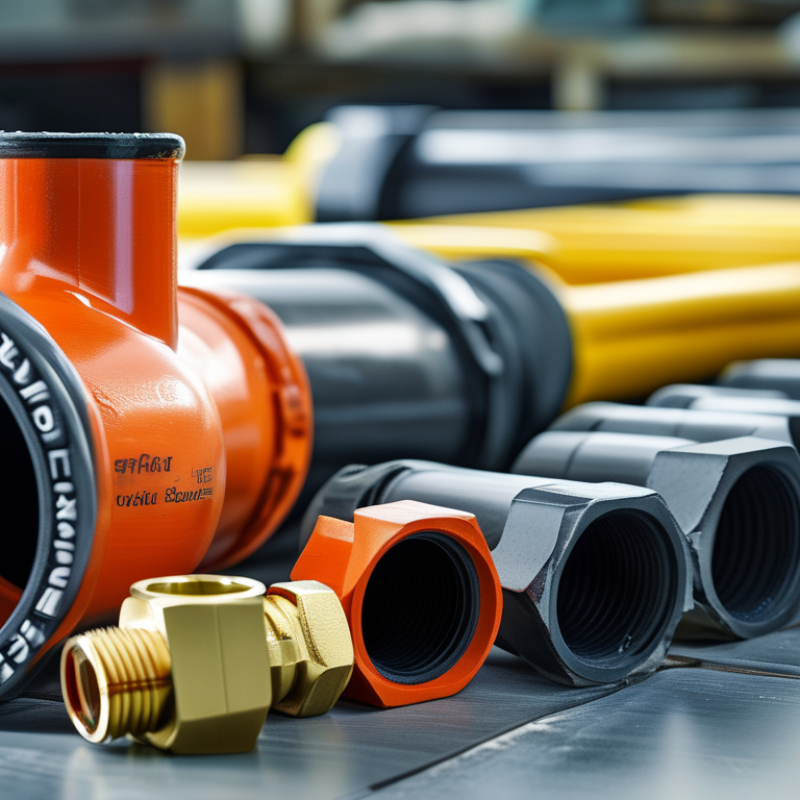
Top 10 Pe Fittings You Need for Efficient Plumbing Solutions?

Essential Features of PE Fittings for Plumbing Systems

When choosing PE fittings for plumbing systems, certain features are vital. Durability is paramount. Polyethylene (PE) fittings can withstand harsh environments. They show resilience against corrosion, which is essential in plumbing. A report by the Plastic Pipe Institute indicates that PE pipes can last over 50 years in many cases. This durability translates into fewer replacements and lower maintenance costs.

Another feature to consider is flexibility. PE fittings can bend and adapt to various shapes without breaking. This adaptability makes installations easier in tight spaces. According to industry data, this flexibility reduces the need for additional fittings, saving both time and resources during projects. However, while PE fittings offer advantages, installers must ensure proper joining techniques to avoid leaks.

Cost-effectiveness cannot be ignored either. A study by the American Society of Civil Engineers illustrates that using PE fittings can lower overall project costs by up to 30%. This benefit encourages more professionals to adopt PE solutions. Yet, not every situation calls for PE fittings. It's crucial to assess the specific needs of plumbing systems to maximize efficiency.

Top 10 PE Fittings for Efficient Plumbing Solutions

Types of PE Fittings Commonly Used in Plumbing Solutions

Polyethylene (PE) fittings are essential in plumbing. They are known for their durability and resistance to corrosion. Various types of PE fittings are commonly used in plumbing solutions, each serving a specific function. These fittings include elbows, tees, couplings, and reducers. According to industry studies, PE fittings can last over 50 years when installed correctly. This longevity makes them a popular choice among plumbing professionals.

Elbows are crucial for changing the direction of pipes. They allow for seamless transitions in tight spaces. Tees are used to connect three sections of pipe, making them vital in branching systems. Couplings help in joining two pipes together. They can be straight or threaded, depending on the application. Reducing fittings enable the transition from a larger pipe to a smaller one, optimizing flow and water pressure.

However, it’s essential to acknowledge that not all installations are perfect. Misalignment or improper installation can significantly affect performance. A study highlighted that nearly 30% of plumbing issues arise from faulty fitting connections. Therefore, quality installation is as important as the choice of fittings. As professionals emphasize, understanding the specific needs of a plumbing system is vital for selecting the right PE fittings.

Top 10 PE Fittings You Need for Efficient Plumbing Solutions

Fitting Type Description Usage Size (inch)
Elbow Fitting Used to connect two pipes at an angle. Pipeline routing 1/2 - 4
Tee Fitting Allows pipe to branch off in a T shape. Water distribution 1/2 - 6
Coupling Connects two straight pieces of pipe. Pipe extension 1/2 - 8
Reducer Connects pipes of different diameters. Flow management 1/2 x 3/4 - 2 x 4
Cap Closes off the end of a pipe. Pipe termination 1/2 - 6
Union Connects two pipes and allows easy disassembly. Maintenance 1/2 - 4
Flange Provides a connection point for pipelines. Jointing 1 - 12
Socket Used to insert a pipe end into another. Pipe connections 1/2 - 4
Bend Changes the direction of a piping system. Routing 1 - 4

Benefits of Using PE Fittings in Modern Plumbing Applications

Polyethylene (PE) fittings have become increasingly essential in modern plumbing. Their lightweight nature and resistance to corrosion make them ideal for various applications. A report from the American Society of Civil Engineers highlights that using PE materials can reduce plumbing system failures by up to 30%. This statistic underscores the reliability of PE fittings in delivering efficient plumbing solutions.

Moreover, PE fittings are versatile. They can be easily connected, promoting faster installation without extensive training. According to a study published by the Plumbing Manufacturers International, 65% of plumbers reported shorter project timelines due to the ease of using PE fittings. Their flexibility allows for better adaptability in different plumbing configurations, reducing the risk of leaks.

However, challenges still exist with PE fittings. While they resist corrosion, prolonged exposure to ultraviolet (UV) rays can weaken them. Plumbers must ensure proper installation and consider protective measures in outdoor settings. An awareness of these factors is essential for maintaining long-term efficiency. Overall, PE fittings represent a significant advancement in plumbing technology, but like all materials, they require thoughtful implementation for optimal performance.

Installation Techniques for PE Fittings: A Step-by-Step Guide

When it comes to working with PE fittings, proper installation is crucial for ensuring efficient plumbing systems. Many industry reports indicate that improper installation can lead to leaks, wasting 30% more water than a correctly fitted system. A recent study highlighted that around 15% of plumbing issues arise from faulty fittings. This underscores the importance of mastering installation techniques.

Start with the correct tools. A pipe cutter, adjustable wrench, and a marker for measurements are essential. Make accurate cuts on the pipe. Smooth edges prevent damage and ensure a tight seal. Use appropriate fittings to connect the pipes. Push fittings should be inserted fully until they click. A visual inspection is essential. Any gaps can lead to significant leaks over time.

Test the system before full operation. Pressurizing the system reveals potential weaknesses. Experts recommend waiting 24 hours after installation to monitor for leaks. However, many installers overlook this step, risking substantial future costs. Data from ASPE (American Society of Plumbing Engineers) shows that one in five post-installation leaks come from rushed initial tests. Installers should take time to inspect, adjust, and rectify any issues. Precision and diligence can significantly enhance longevity and efficiency in plumbing solutions.

Maintaining PE Fittings for Long-Lasting Plumbing Efficiency

Maintaining PE fittings is crucial for plumbing efficiency. Studies show that up to 40% of water loss in plumbing systems can be traced back to poor fittings. Regular inspection and care can drastically reduce this issue. Proper maintenance extends the lifespan of PE fittings and minimizes costly repairs.

Correct installation is vital. Tight connections prevent leaks, but over-tightening can lead to cracks. Inspect fitted areas for signs of wear. Replace worn-out O-rings promptly. Industry reports indicate that 30% of plumbing failures result from neglecting small maintenance tasks. Simple checks can save you time and money.

Additionally, environmental factors play a significant role in fitting longevity. UV exposure deteriorates some plastics over time. Keep fittings shaded if possible. Seasonal checks can identify potential problems. Remember, regular maintenance is an investment in durability and efficiency, not just an extra chore.

FAQS

: What are the main benefits of using PE fittings in plumbing?

: PE fittings are lightweight, resistant to corrosion, and can reduce plumbing failures by up to 30%.

How does the installation of PE fittings affect project timelines?

About 65% of plumbers report shorter project timelines due to the ease of using PE fittings.

What are essential tools for installing PE fittings?

A pipe cutter, adjustable wrench, and a marker for measurements are crucial for proper installation.

What should be done before operating a plumbing system with PE fittings?

It’s important to pressurize the system and wait 24 hours to check for leaks.

How can environmental factors impact PE fittings?

Prolonged UV exposure can weaken PE fittings, so it’s wise to keep them shaded if possible.

What maintenance tasks are vital for PE fittings?

Regular inspections, replacing worn-out O-rings, and avoiding over-tightening connections are crucial tasks.

What happens if PE fittings are not installed correctly?

Improper installation can cause leaks, potentially wasting 30% more water than properly fitted systems.

Why is it important to monitor fittings regularly?

Up to 40% of plumbing water loss can be traced back to poor fittings, highlighting the need for regular checks.

What common mistake do installers make after fitting PE pipes?

Many installers skip the initial leak test, risking substantial future costs due to unnoticed issues.

How can simple maintenance tasks benefit plumbing systems?

Addressing minor maintenance can save significant time and money in the long run, enhancing durability and efficiency.

Conclusion

In the article "Top 10 Pe Fittings You Need for Efficient Plumbing Solutions," the essential features of PE fittings are highlighted as crucial components for effective plumbing systems. These fittings come in various types, each tailored for specific applications, offering advantages such as durability, corrosion resistance, and flexibility. The article delves into the numerous benefits of using PE fittings in modern plumbing, including their ease of installation and low maintenance requirements.

Furthermore, a step-by-step guide on installation techniques for PE fittings is provided, ensuring that users can achieve optimal results. Proper maintenance strategies are also discussed to ensure these fittings remain efficient and functional over time. Overall, understanding the significance and application of PE fittings is vital for anyone looking to enhance their plumbing systems effectively.

Amelia

Amelia

Amelia is a seasoned marketing professional with a wealth of expertise in our company’s core offerings. With an unwavering passion for driving growth and innovation, she plays a pivotal role in shaping our marketing strategies and enhancing brand visibility. A key aspect of her responsibilities......