When engaging in the global plumbing market, understanding plumbing fittings is crucial. These components are essential for water supply and drainage systems. They connect pipes and ensure seamless operation. However, the variety of options available can be overwhelming. Buyers need to navigate this complexity with care.
There are several factors to consider when selecting plumbing fittings. Quality varies significantly across manufacturers. Some brands are known for their durability, while others may cut corners. Buyers must research reputable suppliers to ensure reliability. The right fittings can prevent leaks and costly repairs.
Understanding materials is also vital. Different fittings serve unique purposes based on their composition. For instance, brass fittings are corrosion-resistant. However, plastic options may be cheaper but less durable. Buyers often overlook these details, leading to poor decisions. A thoughtful approach to plumbing fittings can save money and headaches in the long run.
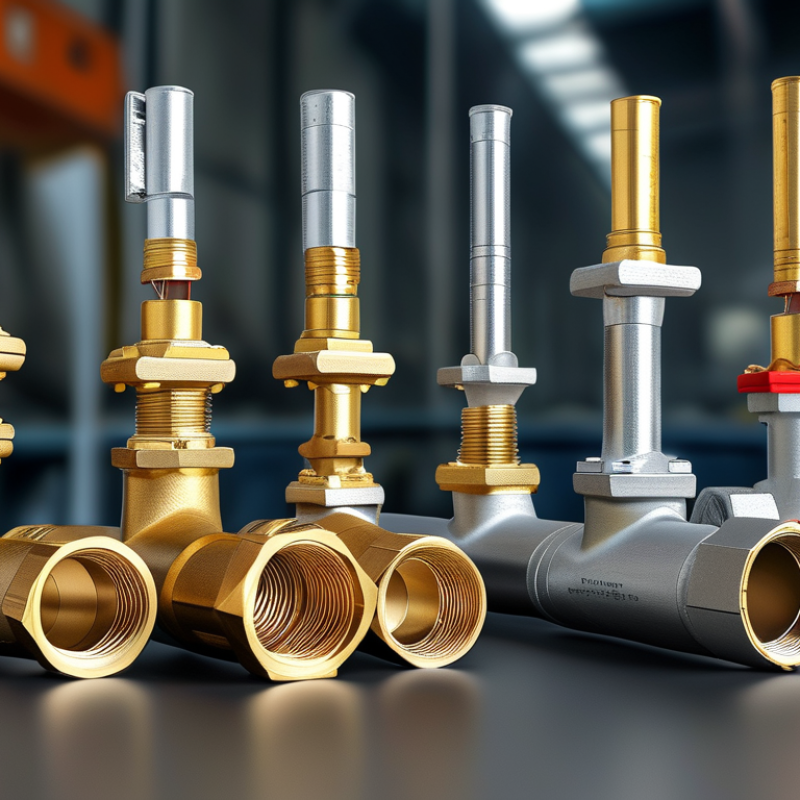
Choosing the right plumbing fittings is crucial for any construction or renovation project worldwide. Different types of fittings serve various purposes, including connecting pipes and controlling flow. Common types include elbows, tees, couplings, and valves. Each type has its role, and selecting the right one can significantly affect the efficiency of plumbing systems.
Many buyers overlook the varying materials used in plumbing fittings. Copper, PVC, and brass are popular choices, each with distinct properties. Copper is excellent for durability and corrosion resistance. PVC is lightweight and cost-effective, while brass fittings offer strength and longevity. Understanding these materials can prevent issues down the line.
Buyers often face challenges when navigating global supply chains. Sourcing can lead to delays and inconsistencies in quality. It is critical to verify supplier reliability and product specifications. Ensuring compatibility with local plumbing codes is essential. Ignoring these factors can result in costly mistakes. Overall, knowledge of available fittings and careful selection processes contribute to successful plumbing solutions.
When selecting plumbing fittings, material options greatly impact durability. Buyers should consider common materials like PVC, copper, and stainless steel. Each material has unique properties and varying resistance to corrosion. PVC is lightweight and cost-effective but can become brittle over time. It works well in specific applications but may not be suitable for high-pressure systems.
Copper fittings are known for their high durability and excellent thermal conductivity. They resist corrosion but can be more expensive than alternative materials. While reliable, copper’s vulnerability to acidic water should not be overlooked. Stainless steel provides a good balance of strength and resistance to rust. However, its higher cost may not fit every budget.
Every option has trade-offs. Buyers should evaluate their project’s requirements carefully. Assessing the environment and system demands can prevent costly mistakes. A thorough understanding of these materials will lead to better choices in the long run. It’s crucial to ask suppliers for detailed specifications. Thus, informed decisions can be made to ensure lasting performance in plumbing systems.
| Material | Durability | Advantages | Disadvantages |
|---|---|---|---|
| PVC | 5-10 years | Lightweight, corrosion-resistant, and easy to install | Not suitable for hot water, can become brittle over time |
| Copper | 50 years or more | Excellent corrosion resistance, offers antimicrobial properties | Higher cost, requires special tools for installation |
| Stainless Steel | 50 years or more | Resistant to rust and corrosion, durable and strong | Expensive, can be difficult to work with |
| Brass | 40 years or more | Strong, resistant to corrosion, easy to machine | Pricier than other options, can tarnish over time |
| PEX | 25 years or more | Flexible, resistant to scale and chlorine, easy to install | Not suitable for outdoor use, can be vulnerable to UV light damage |
| Galvanized Steel | 20-50 years | Strong and durable, good for a long lifespan | Prone to rust, heavy and difficult to install |
| Ductile Iron | 50 years or more | Excellent strength and reliability | Heavy, can be subject to rust |
| ABS | 10-20 years | Lightweight, easy to install, resistant to impact | Not suitable for hot water applications |
| Lead | Varies, but generally not recommended | Historically used for water pipes | Highly toxic, not recommended for any use |
| Polypropylene | 20-30 years | Resistant to chemicals, low moisture absorption | Not suitable for high-temperature applications |
When purchasing plumbing fittings, buyers must pay close attention to sizing standards and compatibility. Different regions use various measurement systems, such as metric and imperial. For instance, a 1-inch fitting in the U.S. does not have the same dimensions as a 25-mm fitting in Europe.
Misunderstanding these differences can lead to costly installation errors.
Compatibility extends beyond just size. Thread types also differ globally. Some regions use NPT threads, while others prefer BSP threads. This can cause frustration during installation. Buyers need to verify that the fittings they select can connect seamlessly to existing infrastructure. Conducting thorough research can save time and avoid complications.
Understanding local regulations is vital too. What is acceptable in one country may not meet standards in another. It's crucial to know these details to ensure safety and compliance. Even experienced buyers might overlook nuances like these. Staying informed and cautious is essential in making successful purchases in the plumbing fittings market.
When buying plumbing fittings internationally, understanding cost factors is crucial. Shipping fees and taxes can significantly impact your budget. Always factor in the total landed cost, not just the initial price of the items. This oversight can lead to unexpected expenses.
Tip: Research different shipping options. Some may offer lower rates but take longer. Balancing time and cost can save money.
Consider currency fluctuations. A favorable exchange rate can alter costs. Keep an eye on currency trends and adjust your purchases accordingly. This proactive approach can lead to savings.
Tip: Seek multiple quotes from suppliers. This helps identify competitive pricing. It can also reveal potential hidden costs associated with specific vendors.
In international transactions, communication with suppliers is key. Misunderstandings about product specifications can lead to dissatisfaction. Make sure all details are clear before finalizing your order.
Tip: Build strong relationships with suppliers. This can lead to better pricing, improved service, and more reliable deliveries. Good communication often leads to trustworthy partnerships.
When investing in plumbing fittings, vendor reputation is crucial. Buyers should delve into the history of potential suppliers. Search for reviews and customer testimonials. A reliable vendor often has a proven track record. It's best to find companies known for quality products and responsive service.
Quality assurance practices are equally important. Evaluate how vendors ensure their products meet industry standards. Some may conduct rigorous testing, while others might skip essential checks. Always ask for certifications that support their claims. Taking the time to verify these practices can save significant headaches later.
Remember, not every vendor will meet your expectations. Some might have glossy catalogs but lack the necessary support. Stay vigilant and conduct thorough research. You want a partner who values your needs. This ensures a smoother purchasing journey and better results for your projects.
: Common materials include PVC, copper, and stainless steel. Each has unique properties affecting durability.
PVC is lightweight and cost-effective but can become brittle over time. It is not ideal for high-pressure systems.
Copper fittings offer high durability and excellent thermal conductivity. They resist corrosion but can be expensive.
Yes, copper is vulnerable to acidic water. This could impact its longevity in some environments.
Stainless steel provides strength and rust resistance. However, it may not fit every budget due to its higher cost.
Sizing affects compatibility. For example, a 1-inch fitting in the U.S. may differ from a 25-mm fitting in Europe.
Thread types can vary globally. Some use NPT, while others prefer BSP threads. Compatibility is crucial for installation.
Thorough research on sizing, thread types, and local regulations helps prevent installation errors and ensures compliance.
Buyers should request detailed specifications to make informed decisions and ensure lasting performance.
Overlooking local regulations can lead to compliance issues. Staying informed is essential for successful purchases.
When buying plumbing fittings on a global scale, it is crucial to understand the various types available in different markets. This knowledge helps buyers make informed decisions, ensuring they select the right type for their specific needs. Additionally, evaluating material options based on durability can significantly impact the longevity and performance of plumbing fittings in various environmental conditions.
Sizing standards and compatibility across regions should also be considered, as inconsistencies can lead to installation issues. Cost factors and pricing strategies are vital for international purchases, influencing overall budget and profitability. Lastly, researching vendor reputation and quality assurance practices is essential for confirming that the plumbing fittings purchased meet safety and quality standards, ultimately leading to a successful procurement process.
Minde