Explore our flagship CE-certified polypropylene fittings and valves manufactured to withstand high industrial load tolerances and extreme fluid pressures.
Over the past two decades, global pipeline engineering has shifted rapidly from traditional metallic components towards advanced thermoplastic solutions. Polypropylene (PP) and its associated copolymer variants—such as PP-R (Random Copolymer), PP-H (Homopolymer), and PP-B (Block Copolymer)—have emerged as materials of choice for pressurized water distribution networks, heavy agricultural irrigation, and underfloor thermal radiant heating. The primary driving forces behind this global shift are durability, complete immunity to electrochemical corrosion, and significant reductions in friction-induced pressure drops.
Modern infrastructure requires piping materials that offer chemical inertness alongside excellent mechanical strength. Our raw material sourcing and production processes prioritize high-grade virgin polymers that eliminate structural vulnerabilities common in recycled or blended thermoplastics. Through precision manufacturing, we align each batch with European harmonized standards, guaranteeing an estimated operational service life exceeding 50 years under standard pressure and temperature ratings.
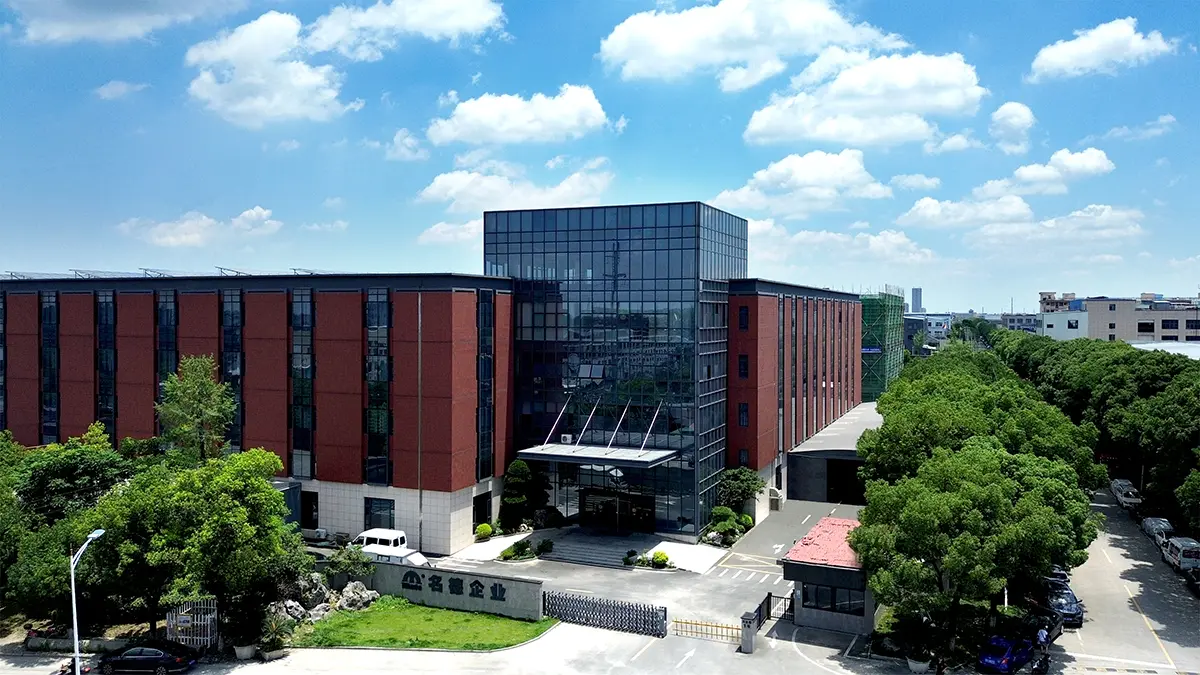
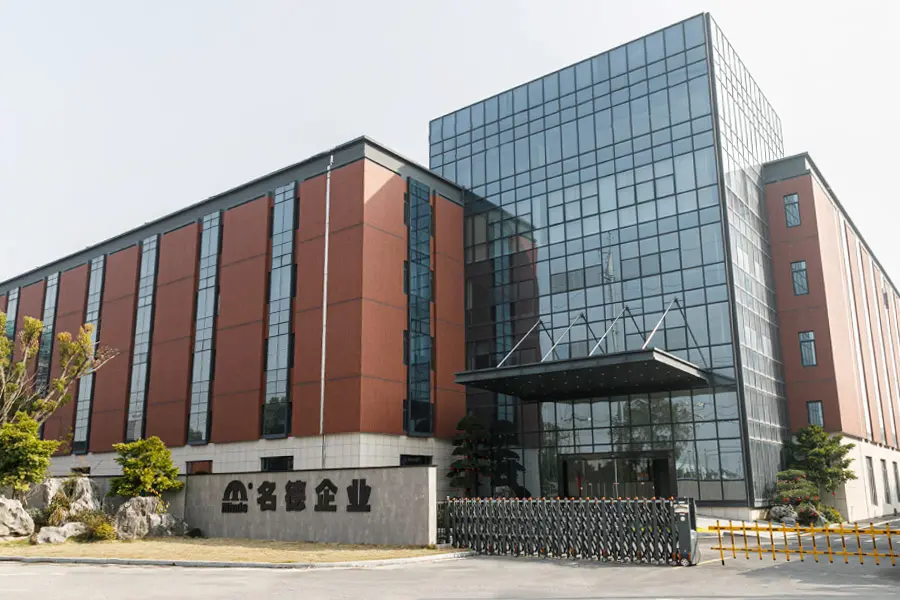
Based in Zhejiang Province, China, Ningbo Minde Building Materials Co., LTD. commands a modern industrial campus designed to satisfy bulk global procurement pipelines.
To ensure stable and uniform material properties across high-capacity output cycles, our plant employs an automated continuous raw material feeding and dosing system. Every millimeter of our extruded PP pipes is subjected to automated ultrasonic thickness inspection and visual check-ups.
In municipal plumbing and civil infrastructure projects, global regulatory alignment is the cornerstone of risk management and long-term asset security.
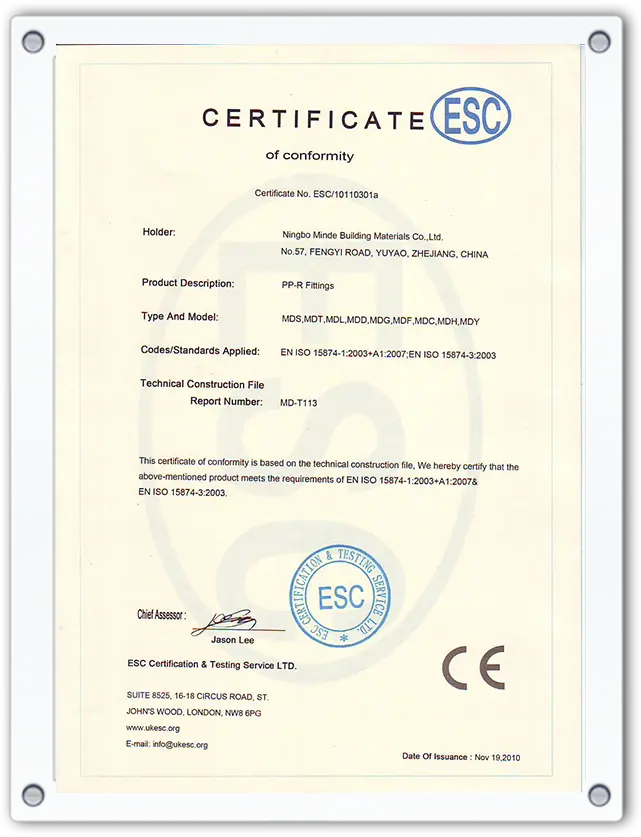
CE marking confirms that our polypropylene pipes and fittings comply with the European Union's Construction Products Regulation (CPR). By satisfying the requirements of EN ISO 15874, our systems are certified for hot and cold water installations under specified operating conditions, ensuring chemical, physical, and organoleptic stability under temperature and mechanical loads.
We work directly with third-party verification bodies to hold valid British WRAS approvals and NSF/ANSI 61 drinking water credentials, verifying that no toxic plasticizers, lead compounds, or volatile organic compounds (VOCs) leach into the potable supply. For Eastern European markets, our materials comply fully with GOST quality standards.
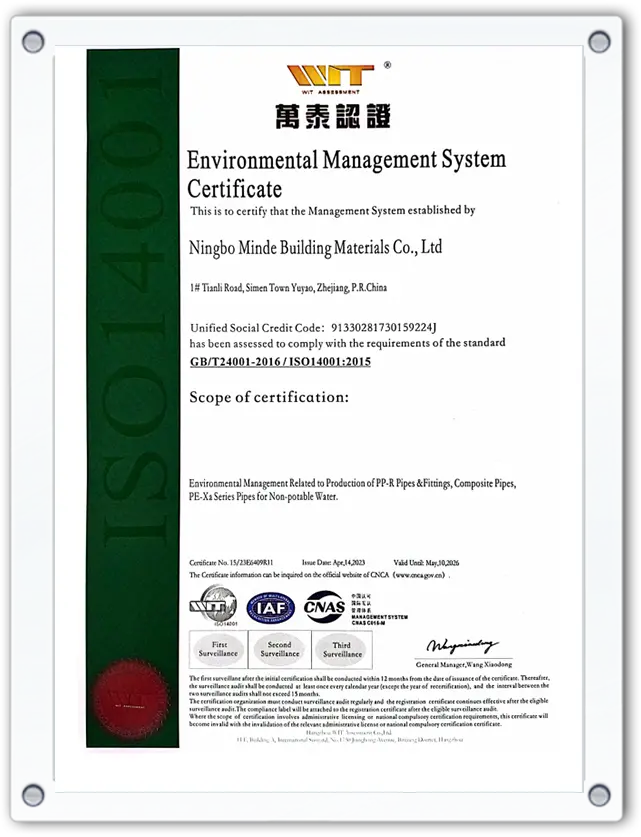
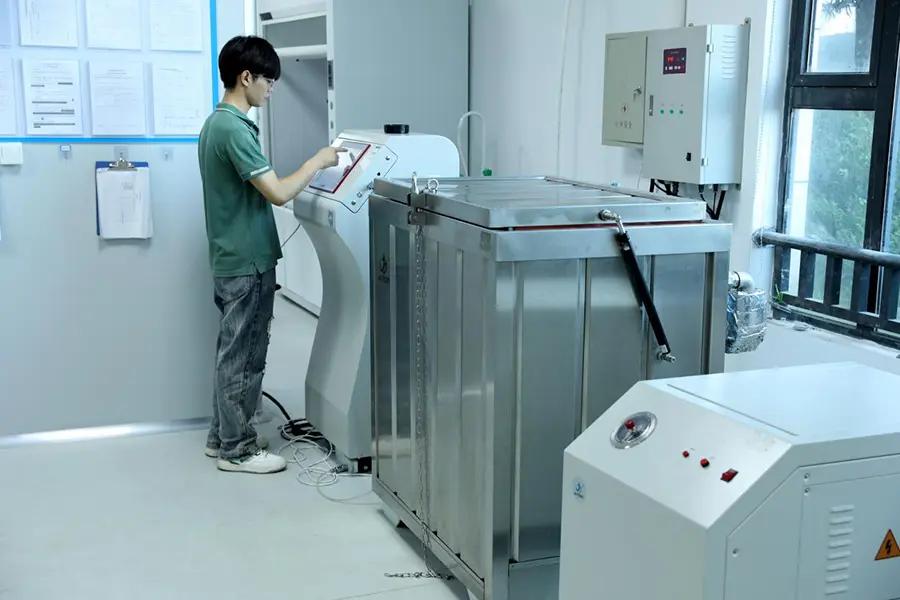
Minde operates a strict quality inspection regime split into three primary gate-keeping steps: Raw Material Incoming Analysis (density, melt flow index testing), Inline Process Quality Control (continuous dimension checks, wall thickness profiling), and Finished Goods Destructive Testing (long-term hydrostatic pressure resistance, thermal cycle testing).
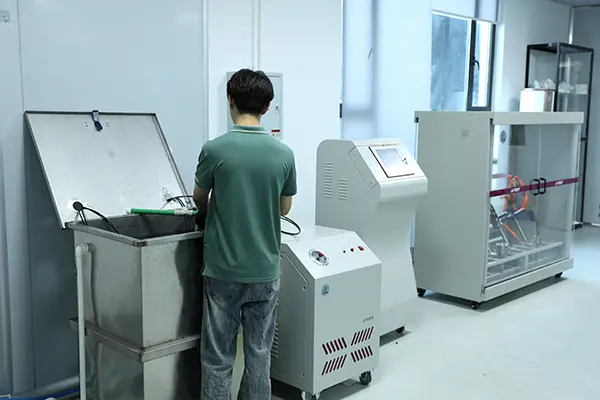
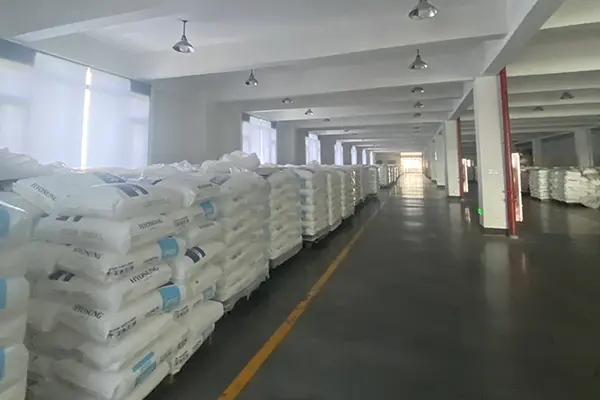
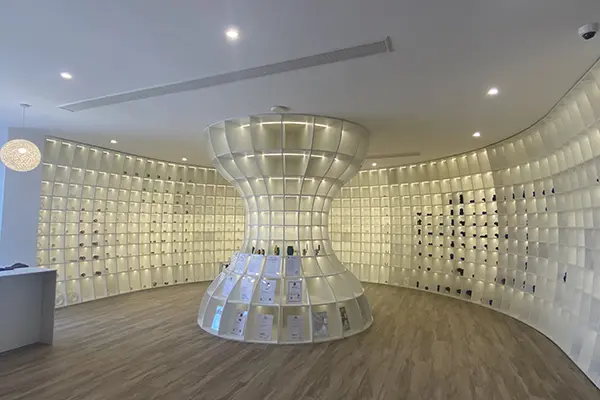
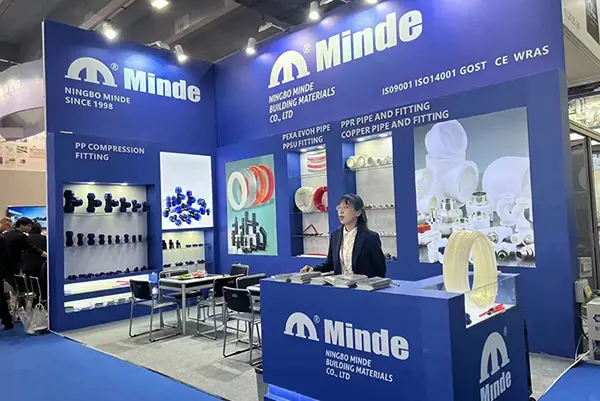
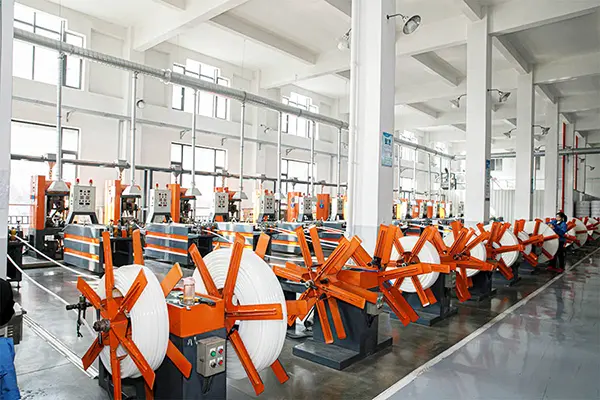
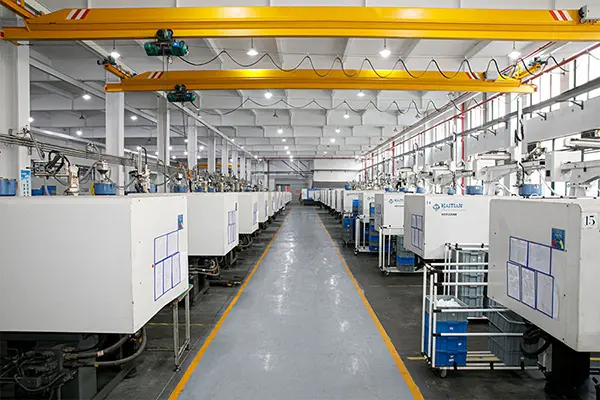
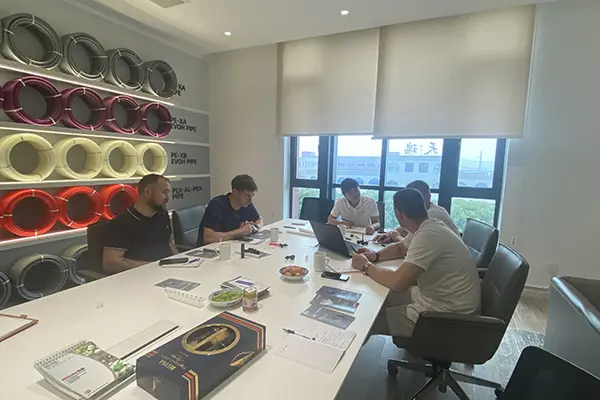
From complex commercial HVAC cooling circuits to massive agricultural water projects, our systems serve diverse infrastructure domains.
Engineered to guarantee sanitary safe potable delivery, our PP pipes prevent mineral scaling, resist biofilm accumulation, and maintain taste neutrality. High chemical resistance ensures resistance to standard chlorination protocols used in municipal sterilization.
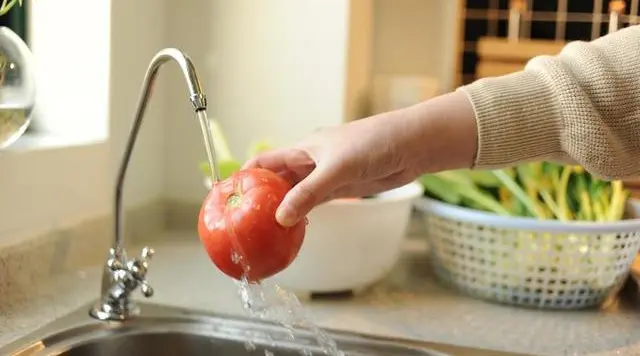
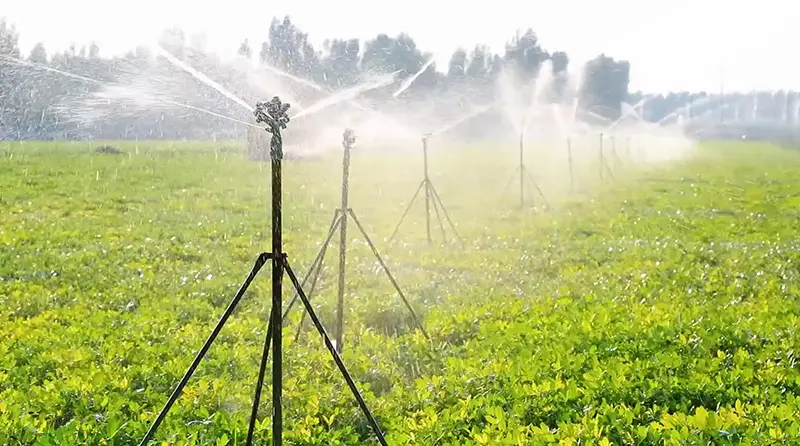
Engineered with special carbon black and chemical UV stabilizer compounds, our outdoor PP compression systems withstand direct sunlight without molecular degradation. Designed for flexible installations, these systems reliably manage hydraulic surge events.
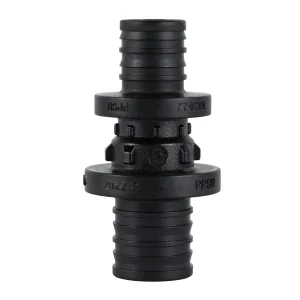
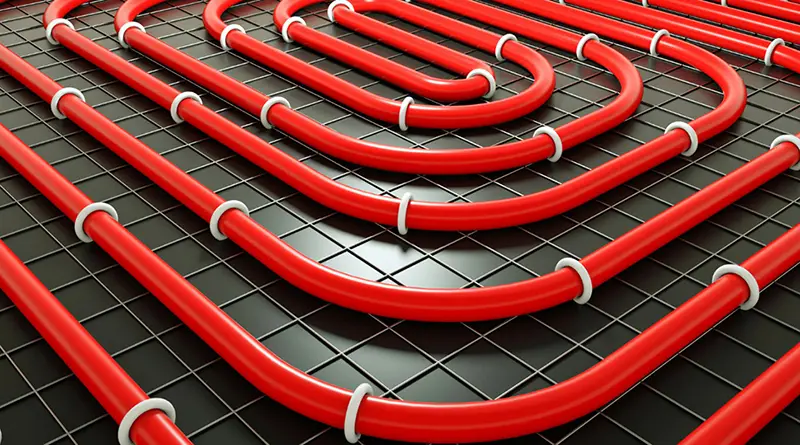
Using premium NSF61 Poly PPSU components and high-integrity PEXa thermal pipe couplings, our systems maintain structural strength under continuous high temperatures. These leak-proof compression rings are optimized for poured-concrete thermal floor systems.
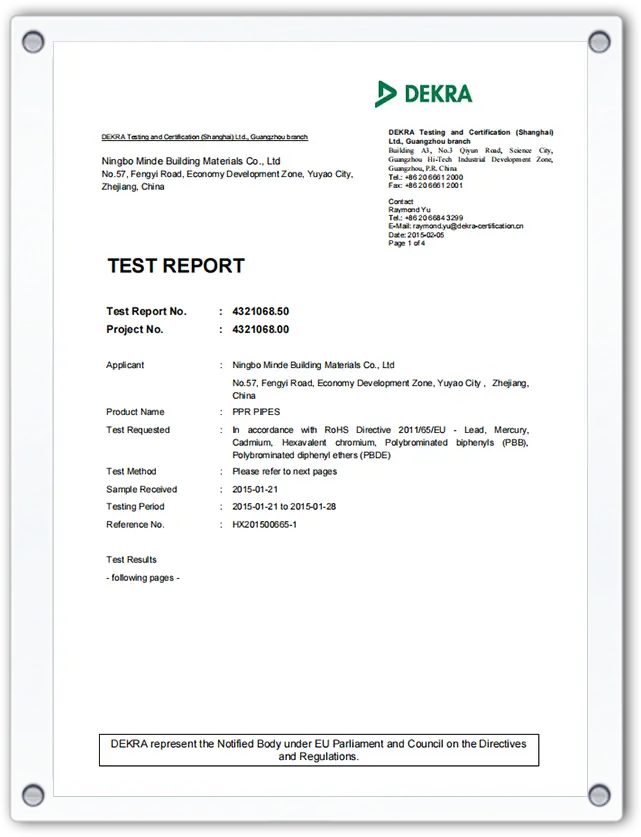
Minde Building Materials regularly exports to more than 50 countries, including Russia, Ukraine, South America, the Middle East, and Southeast Asia. We supply comprehensive engineering test reports, technical datasheets, and compliance documentation for import clearance and municipal tenders. We welcome distributors, contractors, and original equipment manufacturers (OEMs) looking for long-term partnerships built on consistent quality, cost efficiency, and dedicated engineering support.
To support global supply chains, we offer tailored design and customization services. Our on-site R&D engineering department translates performance specifications into custom injection molds. We utilize high-grade engineering polymers (PP-R, HDPE, PPSU) to handle specialized projects requiring specific chemical resistance, dimensions, or custom connection threads.

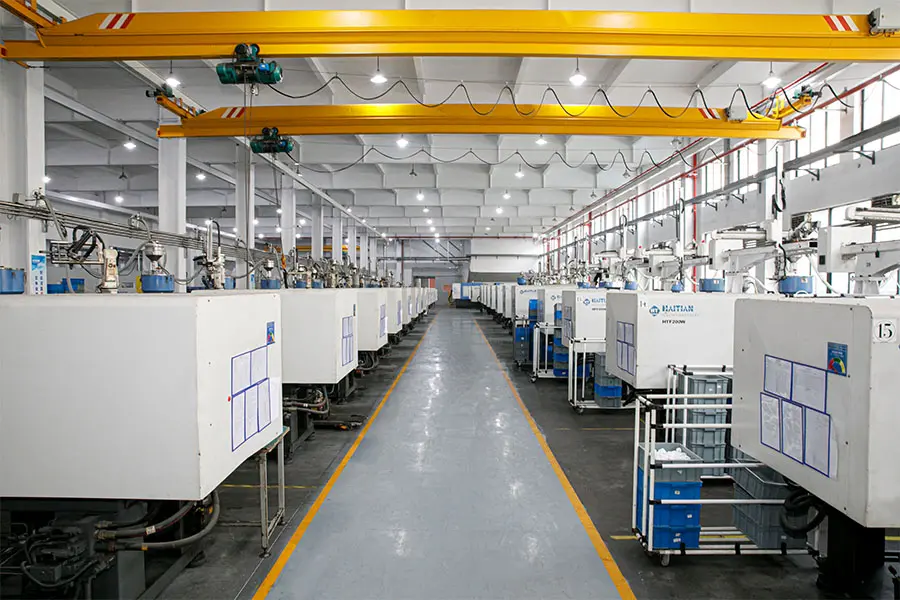
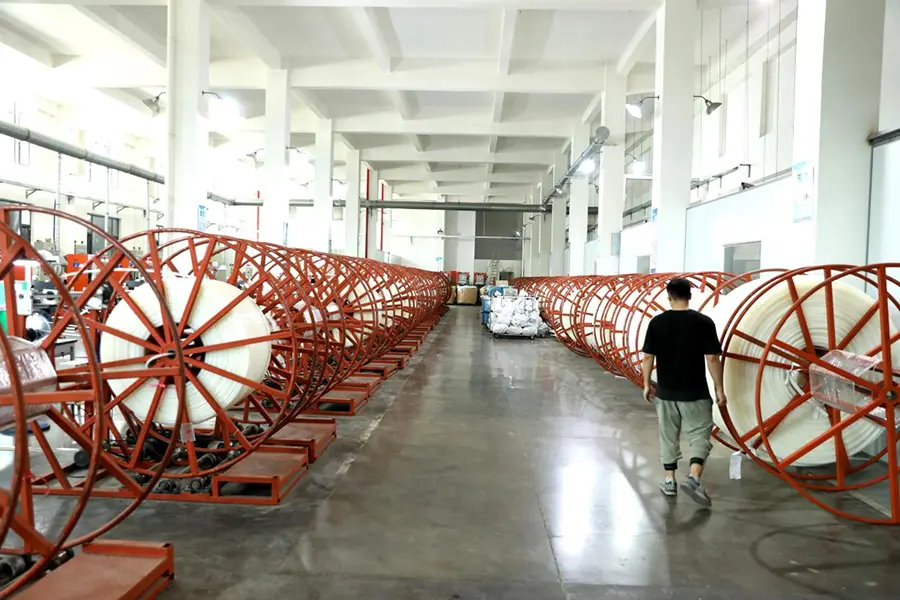
The mechanical performance metrics below outline the physical characteristics of our certified polypropylene formulations under standardized laboratory test protocols.
| Technical Performance Property | Testing Standard | Target Value (PP-R Grade) | Target Value (PP-H Grade) |
|---|---|---|---|
| Density (g/cm³) | ISO 1183 | 0.909 | 0.905 |
| Melt Flow Rate (MFR) 230°C/2.16 kg (g/10 min) | ISO 1133 | 0.30 | 0.25 |
| Flexural Modulus (MPa) | ISO 178 | 800 | 1200 |
| Charpy Notched Impact Strength (23°C, kJ/m²) | ISO 179/1eA | 20.0 | 8.0 |
| Coefficient of Linear Thermal Expansion (mm/m·K) | DIN 53752 | 0.15 | 0.12 |
| Vicats Softening Temperature (°C) | ISO 306 | 132 | 150 |
In-depth responses to critical technical queries from specifying engineers, quality assurance inspectors, and global procurement officers.
Thermoplastic piping systems experience a reduction in mechanical hoop strength as operating temperatures rise. In accordance with ISO 15874, the nominal pressure rating (PN) is established at a standard reference temperature of 20°C. For continuous operation above 20°C, a temperature reduction factor (derating factor) must be applied to the maximum allowable working pressure (MAWP).
For instance, a PN16 system rated for 1.6 MPa at 20°C may experience a derating of approximately 30% to 40% when operated continuously at 60°C. This calculation must account for the specific application class, fluid chemistry, and standard service life factors (SF) to prevent premature creep failure under thermal stress.
Under the EU Construction Products Regulation (CPR 305/2011), construction materials integrated into civil works must carry a CE mark to verify compliance with harmonized European standards. For polypropylene pressure pipes, this validates conformity with EN ISO 15874.
The Declaration of Performance (DoP) outlines key parameters like hydrostatic strength, longitudinal reversion, dimensional tolerance stability, impact resistance, and compliance with drinking water hygiene limits. This documentation helps municipal authorities verify safety compliance and streamlines project approval workflows.
Polyphenylsulfone (PPSU) is an amorphous high-performance engineering thermoplastic. Compared to Polypropylene (PP), PPSU exhibits higher heat deflection temperatures (up to 190°C), superior tensile strength, and excellent resistance to cyclical steam sterilization and hot water exposure.
While PP compression fittings are ideal for PN10/PN16 HDPE agricultural lines and domestic cold water hookups due to their ease of installation and cost efficiency, PPSU fittings are typically specified for critical hot-water distribution lines and radiant heating systems. The choice depends on the system pressure, chemical compatibility, and thermal demands.
Polypropylene is naturally sensitive to ultraviolet light in the 290–400 nm range, which can lead to molecular chain scission, brittleness, and loss of tensile strength. To counter this, our outdoor-rated PP compression fittings incorporate finely dispersed carbon black (typically 2-2.5%) or hindered amine light stabilizers (HALS).
These additives absorb UV radiation and dissipate it as thermal energy, protecting the polymer matrix. This chemistry helps ensure our fittings remain structurally sound and reliable in outdoor agricultural and municipal distribution systems.
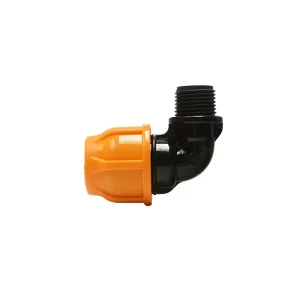
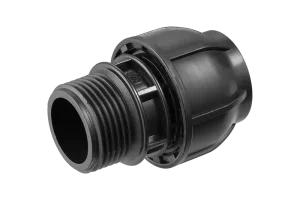
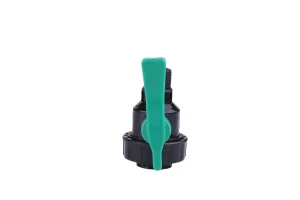
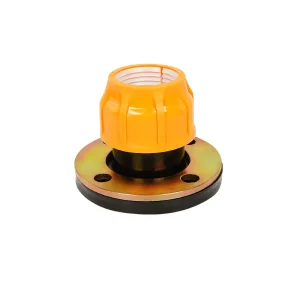
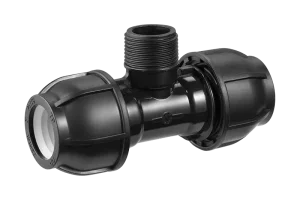
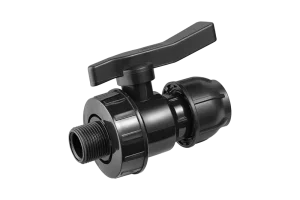
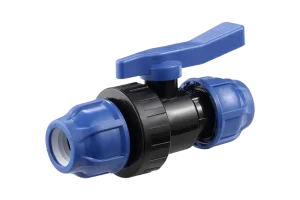
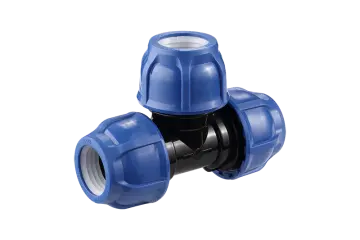
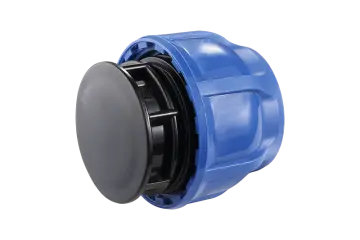
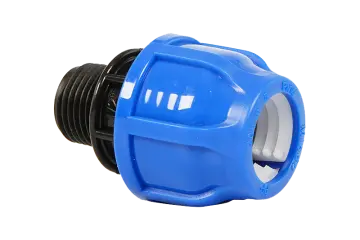
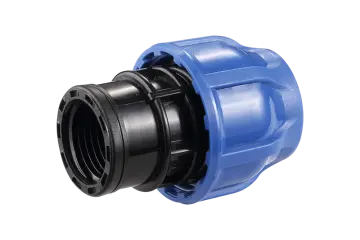
A selection of our high-tolerance PN16 compression fittings, threaded couplings, and industrial ball valves designed for direct HDPE and PEX pipe integration.
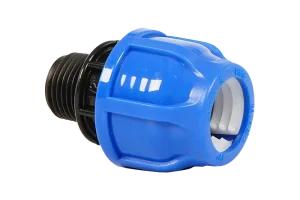
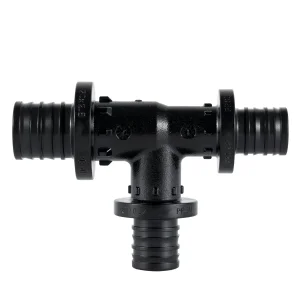
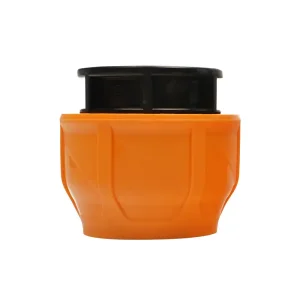
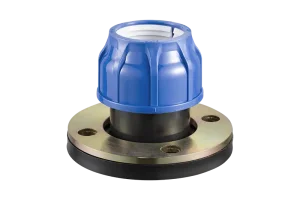
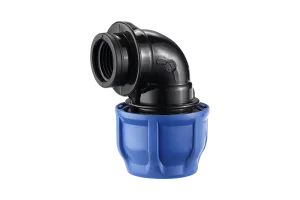
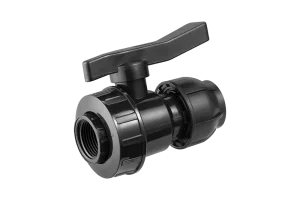
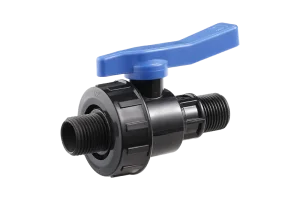
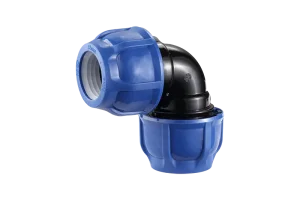
We provide a comprehensive range of solutions for HDPE pipeline transitions, including PN10 Equal Tees, End Caps, reducing couplings, and female thread configurations. These components feature deep insertion sockets and high-performance NBR O-rings, ensuring reliable, leak-free joints in municipal water mains, geothermal loops, and agricultural distribution lines.
For hot-water services, we supply specialized PPR piping systems designed to operate within a -10°C to 50°C envelope. These materials are engineered to prevent internal scaling and withstand continuous pressure loads without cracking or structural failure.
Exploring the next generation of thermoplastic piping systems: Material science developments, life cycle analysis, and intelligent network monitoring.
PP-RCT (Random Copolymer Polypropylene with Modified Crystalline Structure) represents a significant advance in PP material science. By employing beta-nucleation, PP-RCT achieves higher pressure resistance at elevated temperatures. This allows engineers to design systems with thinner pipe walls, increasing hydraulic flow capacity while reducing total material weight.
Polypropylene is highly recyclable and requires less energy to manufacture and transport than copper or cast iron. A complete Life Cycle Assessment (LCA) demonstrates that PP systems produce significantly lower greenhouse gas emissions over their service life, helping green building projects satisfy BREEAM and LEED environmental criteria.
Future municipal systems are increasingly integrating sensor arrays directly into pipe networks. Our design teams are actively exploring the integration of passive RFID tracking and smart pressure-monitoring nodes within major manifolds. This setup enables real-time flow analysis and rapid leak detection, helping operators minimize non-revenue water losses.
 Minde
Minde