High-durability PP compression valves, PPR tees, and specialized engineering fittings conforming to strict European compliance frameworks.
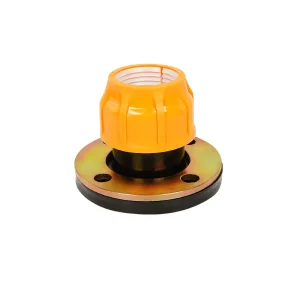
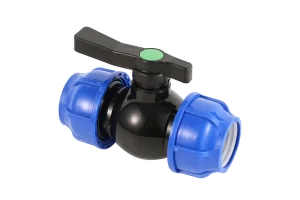
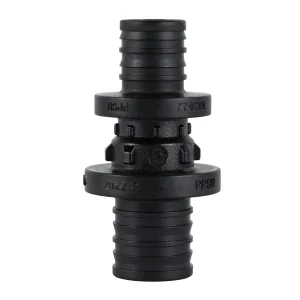
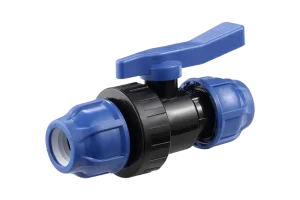
Over 20 years of manufacturing excellence in high-density engineering thermoplastics and compression fittings.
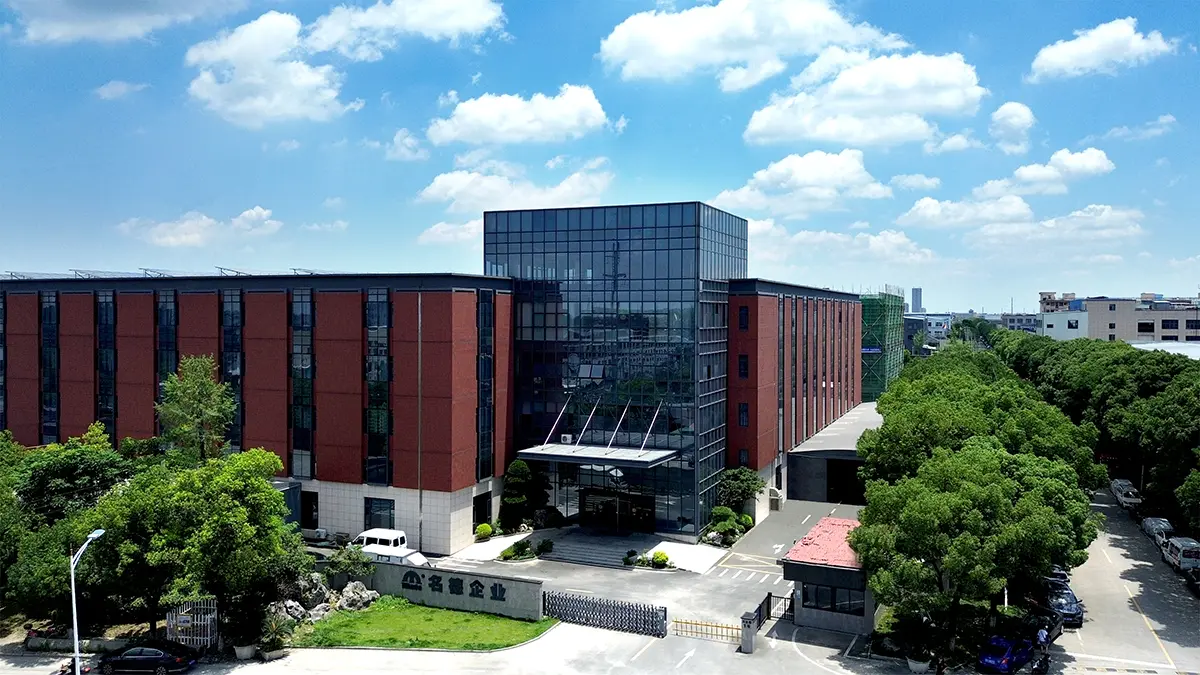
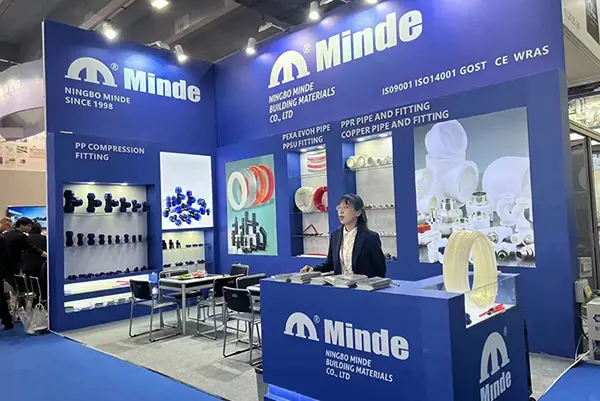
Established in the industrial heart of Zhejiang Province, China, Ningbo Minde Building Materials Co., LTD. specializes in the R&D, manufacturing, and distribution of advanced plastic piping systems. Our robust, chemically-stable product line is widely integrated into global municipal water supplies, commercial underfloor heating schemes, and automated agricultural micro-irrigation networks.
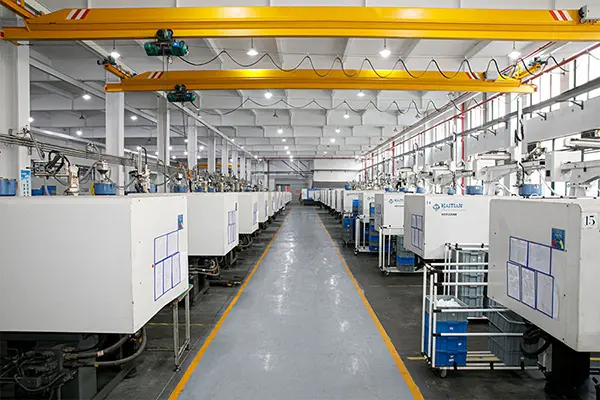
To deliver outstanding performance, Minde enforces a strict policy of utilizing only premium, 100% virgin imported raw materials (such as Borealis and Hyosung copolymer formulations). This commitment ensures that each product resists cracking, chemical degradation, and joint failure under continuous cyclic loads. We combine massive scale, advanced molding machinery, and professional chemical testing to provide a reliable sourcing base for international distributors, OEM partners, and engineering contractors.
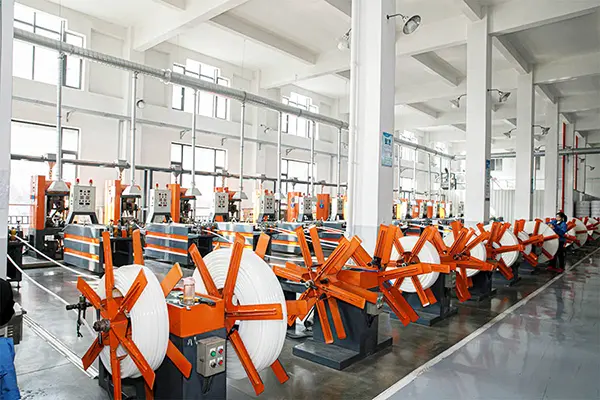
Our 90,000+ square meter campus houses specialized lines capable of running 24/7 schedules to meet heavy logistics timelines.
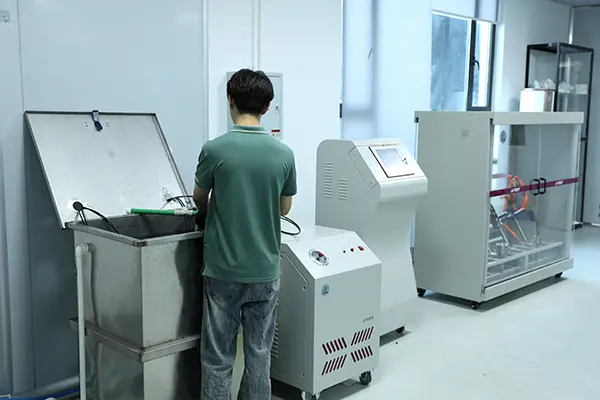
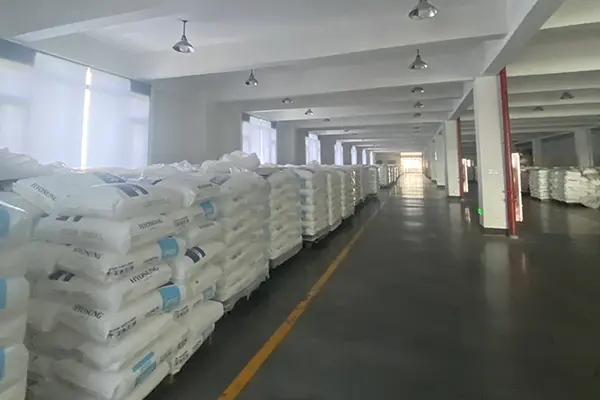
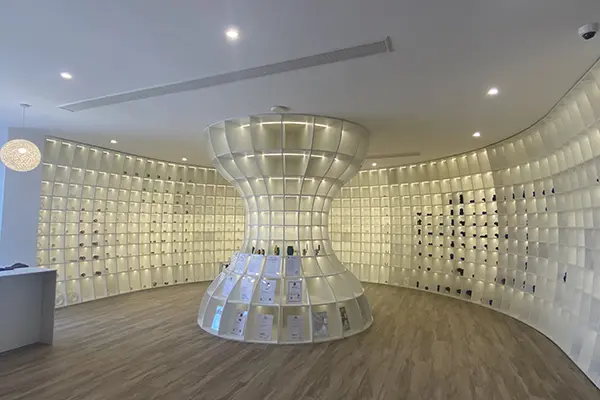
Decoding long-term supply resilience, mechanical standard enforcement, and global sourcing parameters.
In international construction, municipal works, and industrial piping, CE-certified PPR (Polypropylene Random Copolymer) fittings represent a key technological shift. Modern engineering procurement has evolved beyond simple unit-price metrics. Infrastructure operators now prioritize total life-cycle cost (LCC), structural reliability, and mechanical compliance with European Standards (EN ISO 15874).
Large procurement entities face complex supply chain dynamics. Rapid urbanization, strict water safety regulations, and environmental demands drive the transition from traditional copper and galvanized steel to high-density polymer systems. PPR fittings offer superior chemical resistance, scale prevention, and a service life exceeding 50 years under continuous high pressure and temperature loads.
Furthermore, the integration of PP-RCT (Polypropylene Random Copolymer with Crystalline Structure Modification) has expanded modern plumbing capabilities. These materials feature a modified crystalline structure that enables pipes and fittings to operate at higher hydrostatic pressures at elevated temperatures with thinner walls, increasing flow rate capacity and simplifying installation.
High-performance piping architectures for commercial distribution, agricultural irrigation, and underfloor radiant heating.
SDR classification and flow modeling to eliminate dynamic cavitation risks.
Computerized control of melt temperature and cooling cycles to prevent internal stress.
Burst testing, dimensional validation, and thermal stability verification.
Thermal fusion bonding to create a continuous, leak-free piping network.
Minde's engineering solutions cover three major macro-industry areas:
For drinking water safety, our PPR systems provide chemical resistance that prevents scale buildup and maintains water purity. Raw material testing ensures the elimination of heavy metal migration. Our PPR pipe fittings are WRAS approved, meeting strict regulatory requirements for public water supply infrastructure.
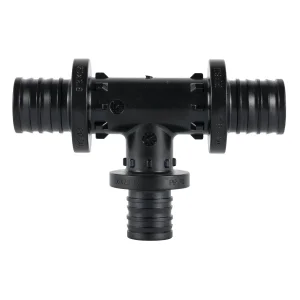
Underfloor heating requires components that can withstand long-term thermal stresses. Minde manufactures high-quality PPSU (Polyphenylsulfone) fittings and PEXa connectors. These fittings handle continuous hot-water circulation without degradation, preventing costly underfloor leaks.
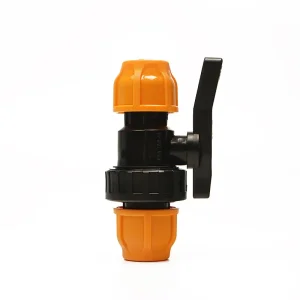
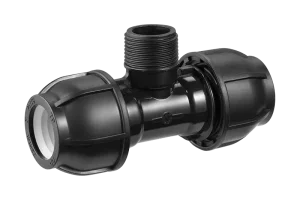
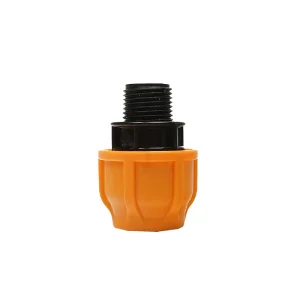
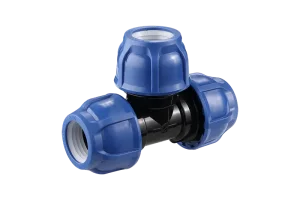
For farming applications, our PN10/PN16 PP compression fittings connect HDPE lines without welding. Resistant to UV exposure, agricultural chemicals, and rough soil conditions, these quick-assembly fittings support durable and flexible field irrigation setups.
Low thermal conductivity (0.24 W/mK) reduces heat loss in hot-water piping systems.
Resists acids, bases, and salts. Suitable for industrial and saline soil installations.
Smooth interior walls minimize pressure drop and prevent friction-induced energy loss.
How molecular structure optimization, design engineering, and fusion technology enhance pipeline longevity.
The physical properties of PPR fittings depend on their molecular design. Polypropylene Random Copolymer (PP-R Type 3) incorporates ethylene monomer segments randomly into the polypropylene backbone. This molecular layout provides both flexibility and impact resistance, while maintaining the high tensile strength of polypropylene.
Minde's engineering research focused on optimizing three critical material parameters:
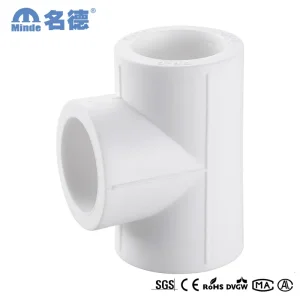
1. Melt Flow Rate (MFR) Consistency: Standardized flow rates during injection molding prevent internal stresses, ensuring uniform material density across complex shapes like elbows and tees.
2. Crystalline Phase Stabilization: Controlled cooling stages in our automated molds prevent brittle crystalline structures, improving impact strength in low-temperature environments down to -10°C.
3. Metal-Plastic Thread Interface Strength: For composite fittings, we use high-grade dezincification-resistant (DZR) brass threads with ribbed anchoring geometry. This design prevents leaks at joint transitions during thermal expansion and contraction cycles.
| Property | PPR (Type 3) |
|---|---|
| Density | 0.909 g/cm³ |
| Thermal Conductivity | 0.24 W/(m·K) |
| Elastic Modulus | 800 MPa |
| Thermal Expansion | 1.5 x 10⁻⁴ K⁻¹ |
For specialized environments like hydronic loops, Minde integrates NSF61-compliant Poly PPSU (Polyphenylsulfone) and PEXa solutions. These polymers feature cross-linked molecular chains and sulfone-linked aromatic groups, enabling them to operate at continuous temperatures up to 95°C. PPSU's high impact strength and resistance to chlorinated water make it a reliable choice for modern commercial building projects.
Helping regional distributors navigate certification and customs requirements in global markets.
Navigating building regulations requires clear technical documentation. Minde supports global buyers with comprehensive product passports, chemical resistance tables, and pressure rating charts adjusted for local temperature conditions.
Our quality control program operates three primary check-points to maintain standard compliance:
Incoming Raw Material Audit: Every shipment of PP-R polymer undergoes spectrographic testing and Melt Flow Index (MFI) verification before entering processing silos.
In-Process Monitoring: Automated injection systems monitor temperature profiles and hydraulic clamping pressure to prevent internal voids and structural defects.
Batch Destructive Testing: Samples from each batch are subjected to hydrostatic stress testing (at 95°C under constant hoop stress) to confirm their long-term burst rating.
Our manufacturing processes are audited annually to maintain compliance with:
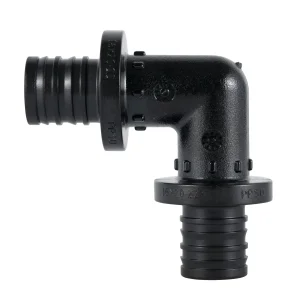
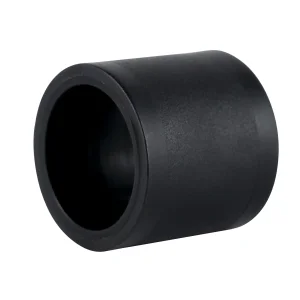
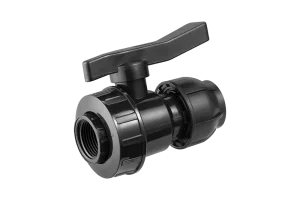
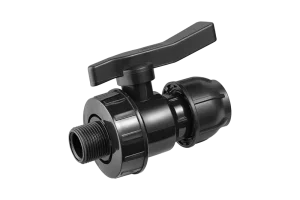
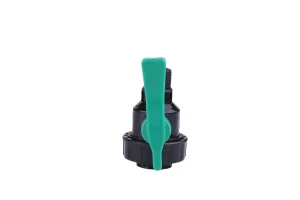
High-spec engineering fittings for underfloor heating networks, residential plumbing, and agricultural piping projects.
Decarbonization, recyclability, and smart fluid control in modern polymer piping networks.
The building materials industry is shifting toward lower carbon footprints and higher energy efficiency. Polymer piping systems support this transition by replacing carbon-intensive metal pipes.
PPR fittings are 100% recyclable, allowing clean manufacturing scrap to be reprocessed into non-critical industrial items. This aligns with circular economy goals. Their smooth interior surfaces also minimize pressure loss, reducing pumping energy requirements in commercial systems.
Minde is actively developing new technologies to improve pipeline performance, including:
Anti-microbial inner layers: Utilizing silver-ion technology to prevent biofilm formation in warm-water distribution loops.
Smart electrofusion fittings: Integrating QR-coded welding parameters and temperature sensors to automate the joint fusion process and reduce installation errors.
Technical answers about material specs, standards compliance, and installation procedures.
 Minde
Minde