Explore our European Standard certified high-performance plumbing fittings and premium underfloor heating lines.
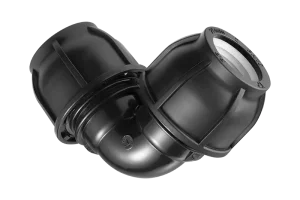
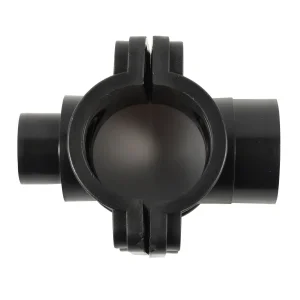
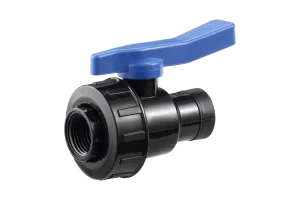
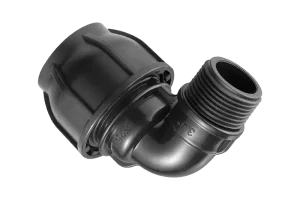
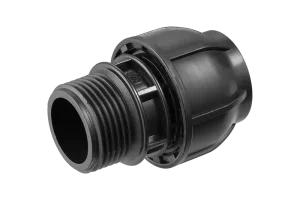
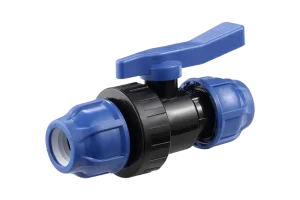
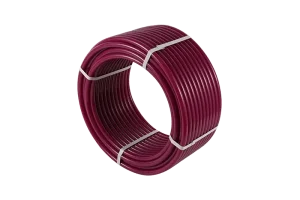
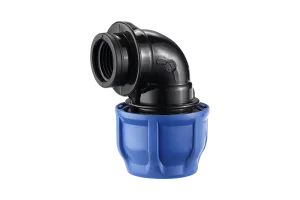
A comparative overview of chemical mechanisms, thermal dynamics, and mechanical properties across different PEX manufacturing techniques.
In municipal water systems and modern underfloor heating pipelines, Cross-linked Polyethylene (PEX) has largely superseded traditional copper and legacy polymers due to its superior durability, high thermal stability, and corrosion immunity. Under the hood, cross-linking transitions linear low-density or high-density polyethylene (HDPE) molecules into a robust 3D matrix. This macro-structure locks the polymer chains, preventing slipping at elevated temperatures.
The chemical cross-linking methods directly define the performance profile and determine standard compliance for various residential and industrial scopes. Understanding these differences is paramount for international contractors and OEM procurement teams.
Executed at temperatures above the crystalline melting point, this process involves introducing peroxides into the raw HDPE resin before extrusion. The chemical cross-linking occurs during the molding process, yielding a minimum cross-linking density of 70% to 85%. The high density results in a highly uniform distribution of molecular bonds, providing PEX-a with unique elastic properties, thermal memory, and a lower minimum bend radius than other types of PEX. If kinked during installation, PEX-a can be safely repaired with a simple heat application.
In this system, silane molecules are chemically grafted onto the polyethylene molecules before extrusion. The actual cross-linking occurs post-extrusion by exposing the extruded pipe to a high-temperature moisture environment (steam baths or hot water treatment). PEX-b requires a minimum cross-linking density of 65%. Thanks to its higher tensile strength and burst pressure resilience, it is widely utilized for high-pressure municipal applications and heating systems that incorporate an EVOH (Ethylene Vinyl Alcohol) oxygen diffusion barrier. This extra barrier prevents oxygen ingress into heating loops, thereby protecting boiler heat exchangers from oxidation.
PEX-c is generated post-extrusion using high-energy electron beam radiation to break existing carbon-hydrogen bonds and induce cross-linking. With a minimum target of 60% cross-linking, PEX-c is free from chemical additives, making it ideal for high-purity water supply lines. However, it exhibits lower structural flexibility compared to PEX-a and PEX-b.
| PEX Subtype | Cross-linking Density | Production Method | Flexibility & Memory | Oxygen Barrier Capability |
|---|---|---|---|---|
| PEX-a | 70% - 85% | Peroxide (Thermal Grafting) | Excellent, Kink repairable | Compatible with external EVOH coatings |
| PEX-b | 65% - 70% | Silane (Moisture Cure) | Good, rigid structure | Outstanding, optimal with multi-layer EVOH |
| PEX-c | 60% - 65% | Electron Beam (Radiation) | Moderate, structural rigidity | Standard mechanical layer addition |
A meticulous breakdown of EU Construction Products Regulation (CPR) and standard requirements for manufacturing high-integrity piping systems.
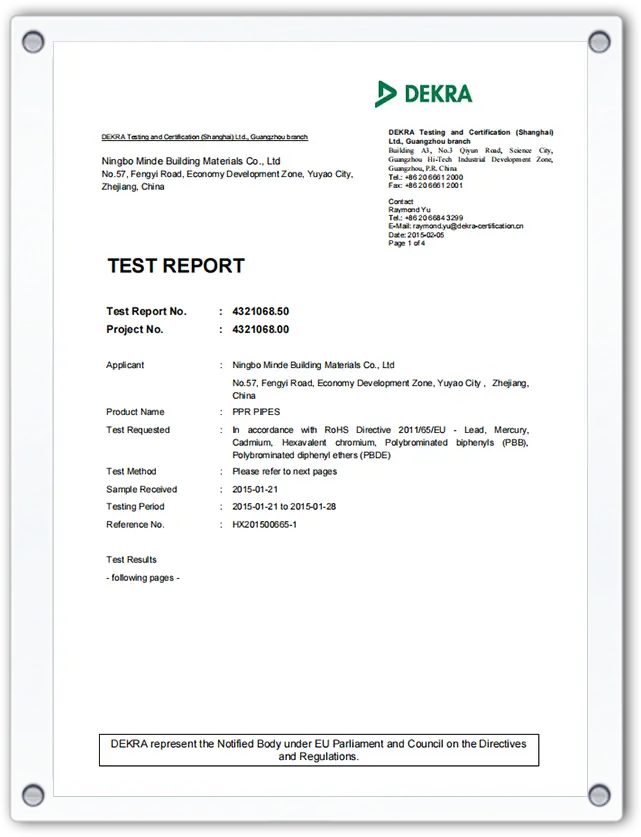
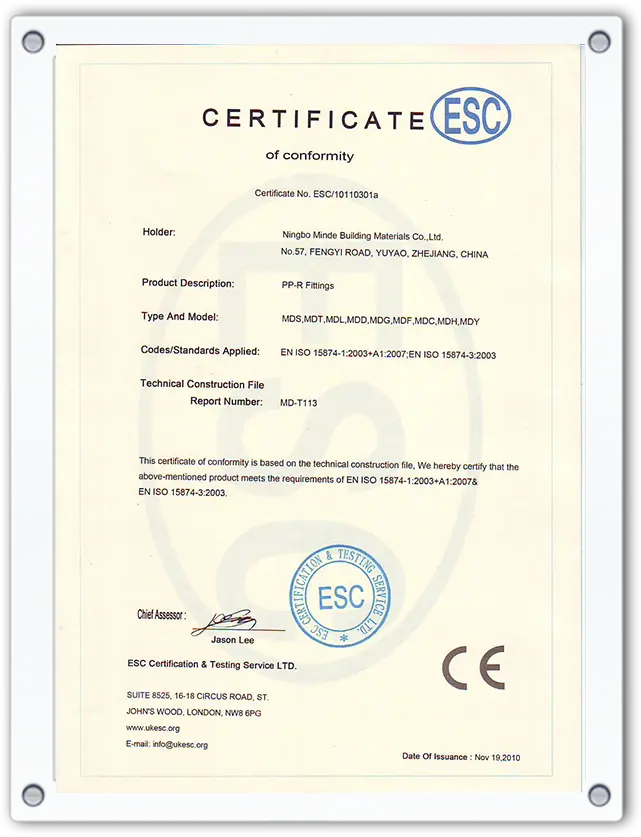
For European and global infrastructure integration, carrying the CE marking is a mandatory passkey. CE compliance guarantees that PEX piping systems meet the comprehensive technical criteria outlined in EN ISO 15875, the international reference standard for cross-linked polyethylene hot and cold water installations.
PEX systems must undergo Assessment and Verification of Constancy of Performance (AVCP) under System 3, requiring independent third-party laboratory verification of physical properties.
Compliance demands rigorous verification under continuous pressure loads. For example, testing PEX pipes at 95°C for over 1,000 hours under hoop stress curves without material failure.
In compliance with DIN 4726, oxygen diffusion must remain under 0.32 mg/m²·d at 40°C. This is crucial for maintaining the efficiency of high-temperature boilers and radiators.
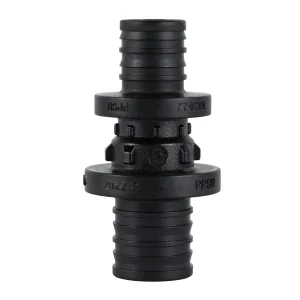
The scope of CE certification extends beyond the pipe extrusion itself. Crucially, the system validation also encompasses mechanical fittings—such as PP compression fittings and PPSU sliding sleeves—to verify fit-for-purpose compatibility. A CE-certified manufacturer must verify that the connection point maintains leak-free operation through thermal cycling tests (alternating between 20°C and 90°C over thousands of cycles under dynamic hydraulic stress).
Leveraging over 20 years of precision engineering in plastic water pipes and high-performance compression fittings.
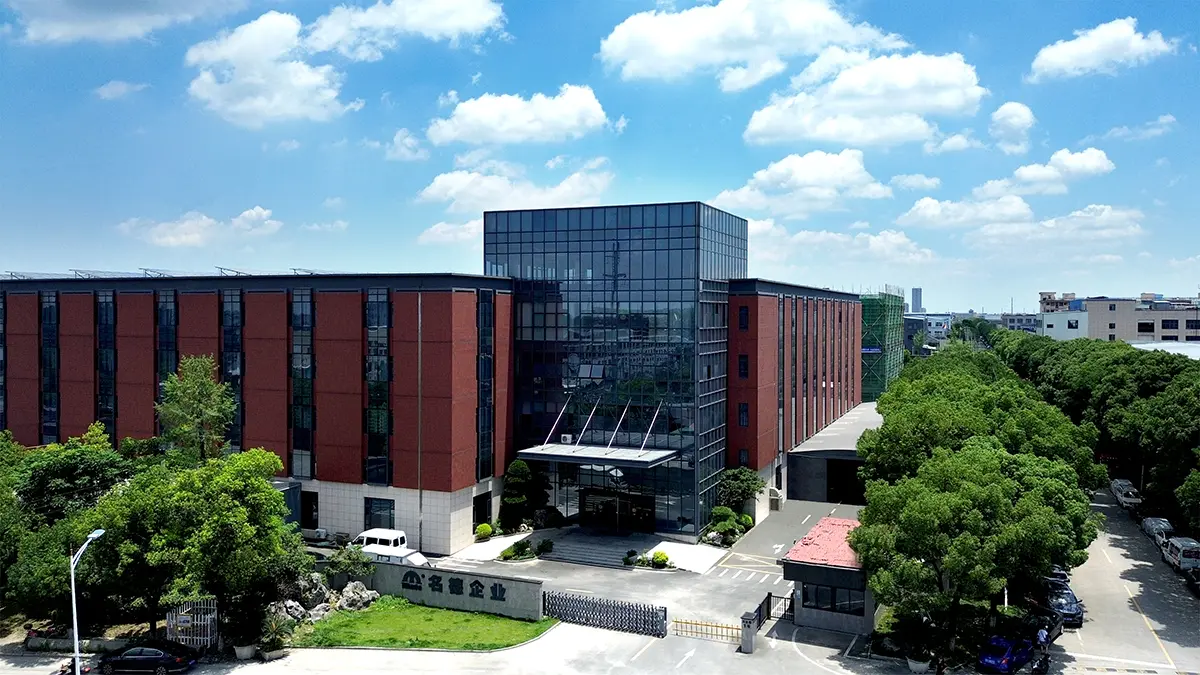
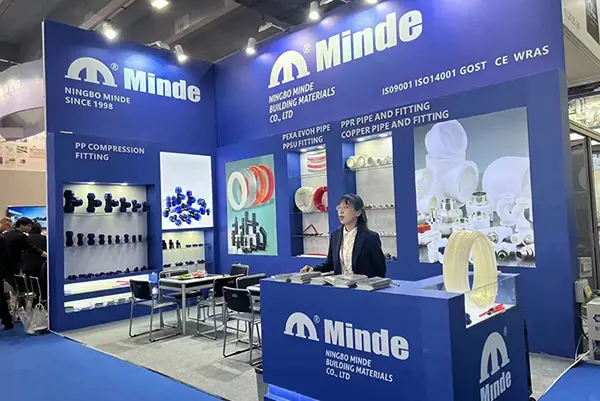
Rooted in Ningbo, Zhejiang Province, China, Ningbo Minde Building Materials Co., LTD. has grown into a trusted global manufacturer specializing in the production of high-performance plastic pipes and fittings. Our comprehensive product solutions are widely utilized in residential municipal water systems, large-scale agricultural irrigation projects, and modern commercial underfloor heating networks.
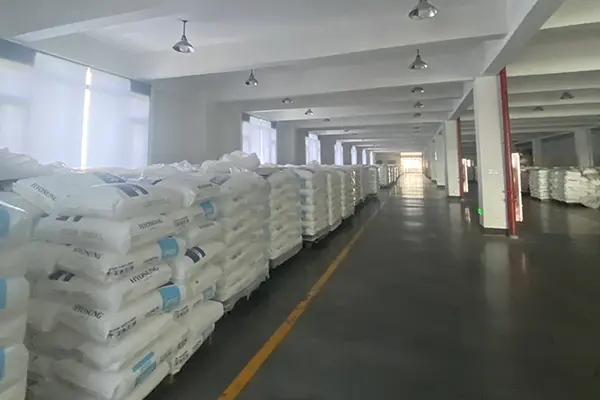
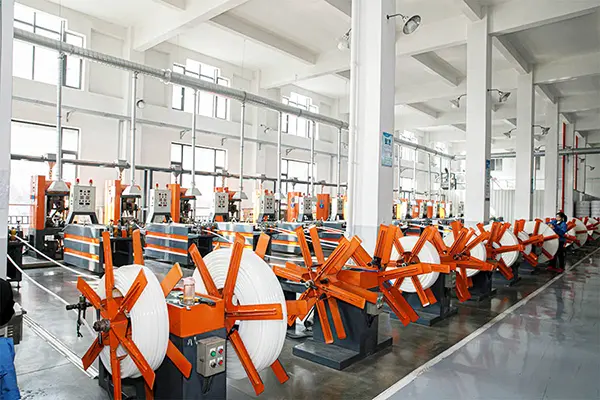
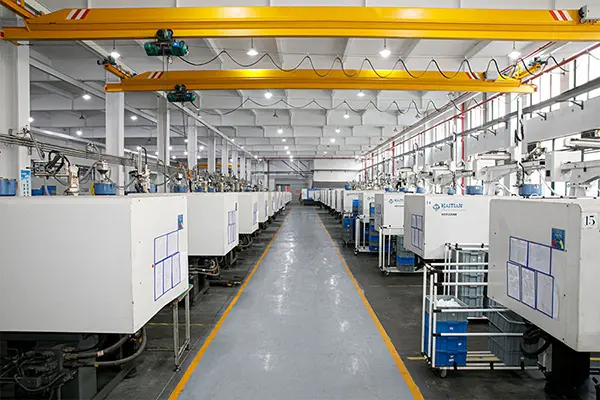
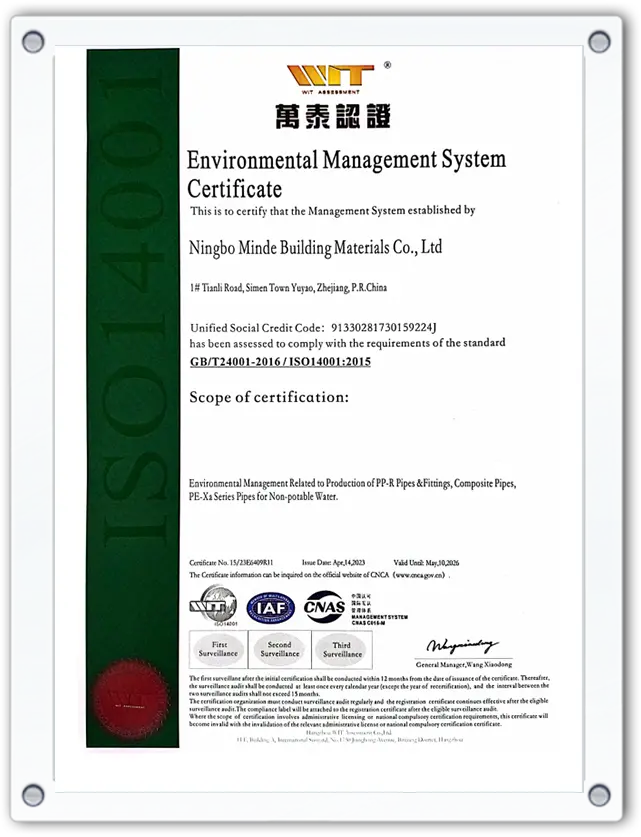
To deliver environmentally friendly, food-grade, and reliable piping products, MINDE exclusively utilizes high-grade, virgin imported raw materials, avoiding the regrind or recycled plastics that compromise mechanical life and chemical purity. Operating from a state-of-the-art facility spanning over 90,000 square meters, our plant employs advanced, automated material feeding systems to ensure absolute batch consistency.
How Ningbo Minde executes systematic quality control checkpoints to sustain compliance with international certification bodies.
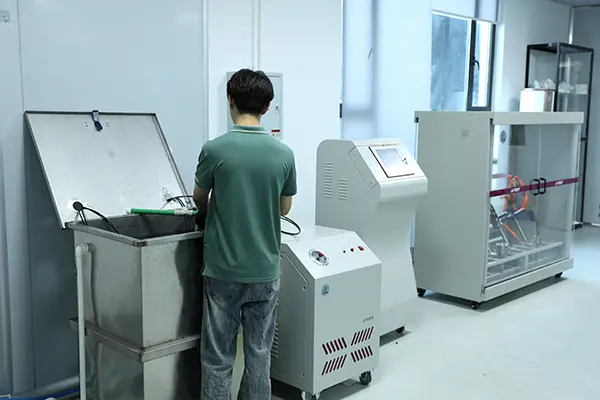
To maintain a 100% excellence rate across all extrusion and injection batches, MINDE has established three primary quality inspection points within our manufacturing workflow:
Evaluating the shifting priorities of engineering consultants, municipal boards, and master distributors.
The global PEX pipeline market is undergoing rapid evolution. System integration, environmental compliance, and supply chain transparency have become key criteria for decision-makers. Procurement managers are transitioning away from buying simple components to specifying holistic, certified product systems.
Our market research highlights three major structural trends in global purchasing:
Historically, piping system failures occurred at connection interfaces. Global procurement teams now prefer manufacturer-validated system solutions where pipes and fittings come from the same certified facility, such as Minde. This unified sourcing reduces the risk of dimensional variations between components, which can compromise system reliability.
With regulations like REACH (Registration, Evaluation, Authorisation and Restriction of Chemicals) in Europe and NSF/ANSI 61 in North America, there is tight scrutiny on the leaching of volatile compounds, heavy metals, and organotin stabilizers. The demand for virgin polymer bases is at an all-time high. Our PEX-b and PPSU fittings are manufactured to comply with clean drinking water requirements.
Oxygen ingress in closed hydronic systems is the leading cause of internal corrosion in boilers and radiant manifolds. Consequently, building codes increasingly mandate EVOH-barrier co-extruded PEX. Our five-layer co-extruded PE-Xb EVOH pipes offer high protection, preventing structural oxidation and extending system longevity.
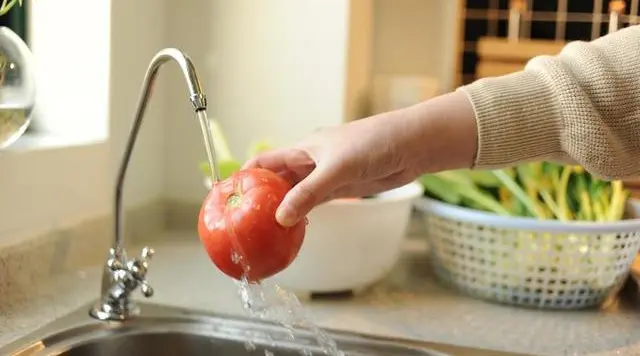
How Ningbo Minde systems deliver high-integrity performance in residential, agricultural, and commercial systems.

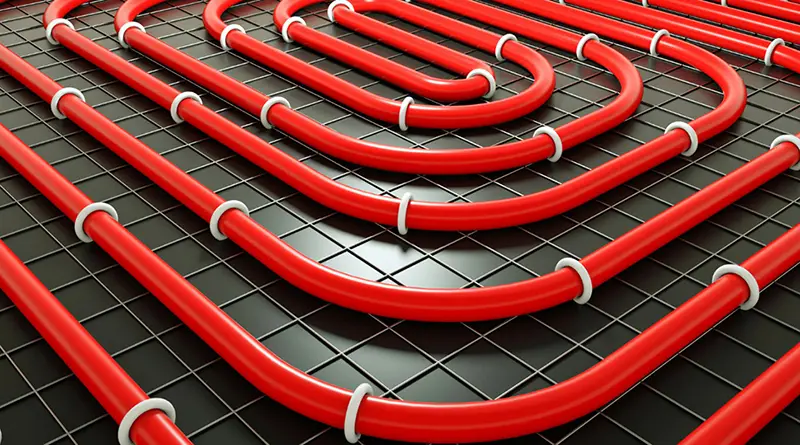
A look ahead at upcoming trends in the municipal infrastructure and radiant plumbing industry.
As smart cities and high-efficiency buildings continue to develop, piping infrastructure must keep pace. Industry standardizations are focusing on smart leak detection, bio-based polyethylene alternatives, and fast-connection push-fit solutions.
Our engineering research focuses on three core pillars:
Direct, engineering-focused answers to common questions about CE-certified PEX piping systems.
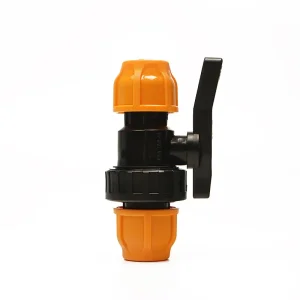
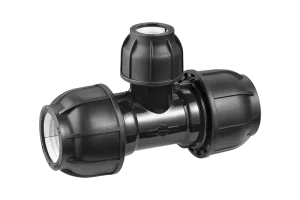
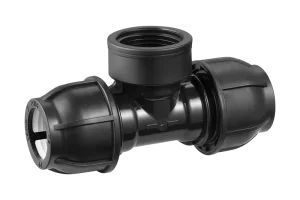
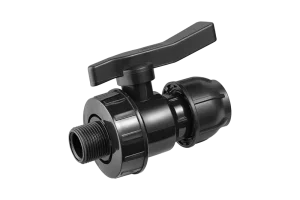
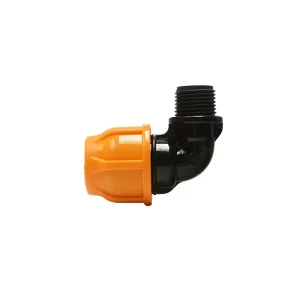
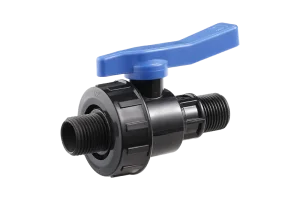
Browse more solutions, from PPSU reduction couplings to high-pressure PN16 ball valves.
 Minde
Minde