Engineered to optimize thermal transfer efficiency, lock out moisture, and provide decades of maintenance-free operation.
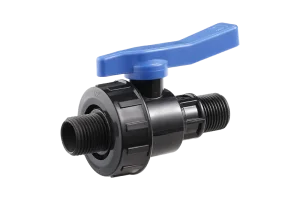
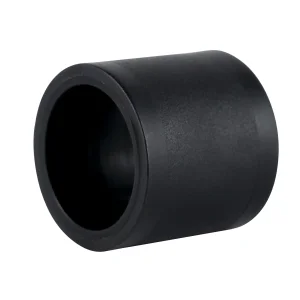
The global industrial HVAC and infrastructure sectors are undergoing a massive transition. As energy conservation targets become strict worldwide, reducing transmission heat loss in thermal systems is critical. Traditional metallic pipelines suffer from corrosion under insulation (CUI), excessive heat loss, and structural decay over time.
Pre-insulated Cross-linked Polyethylene (PEXa) piping has emerged as the definitive solution. By enclosing a high-performance PEX carrier pipe inside a closed-cell polyurethane foam (PUR) insulation layer, wrapped in a high-density polyethylene (HDPE) protective outer casing, manufacturers now achieve low thermal conductivity and long-term durability. This multi-barrier construction blocks heat dissipation, halts oxygen entry, and maintains hydraulic pressure under intense environments.
Minimal thermal loss over extended transmission loops.
Inert polymeric construction eliminates decay risk.
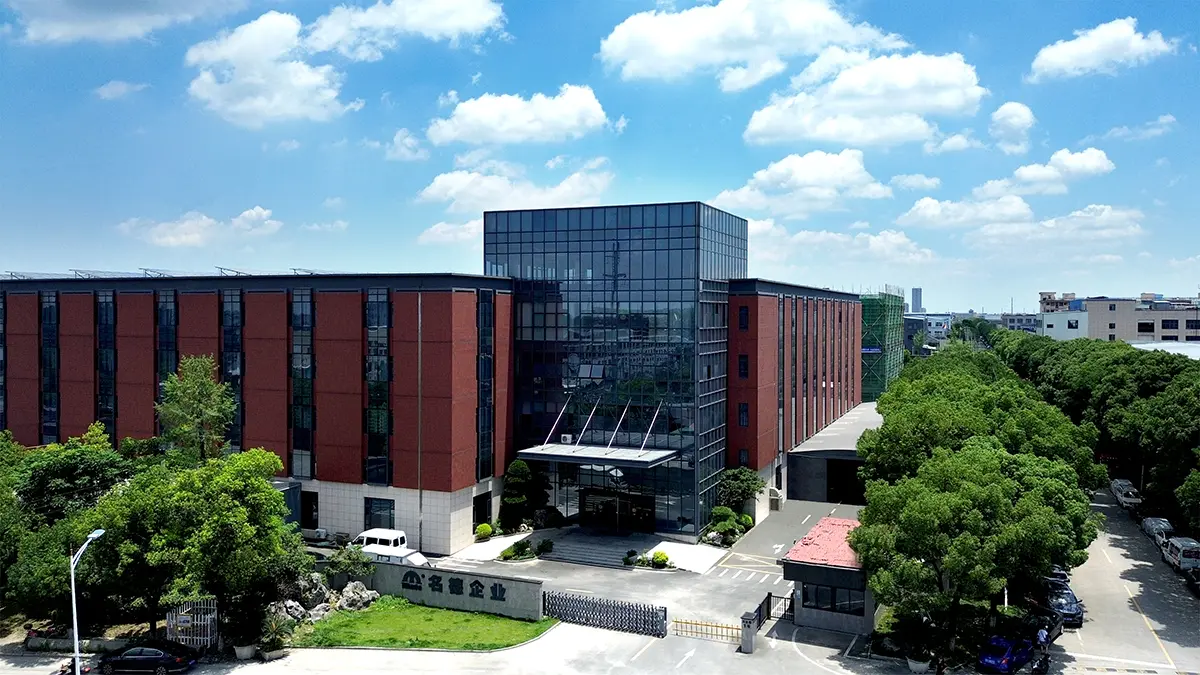
Direct from Zhejiang, China - Standardized engineering capability ensuring global infrastructure security.
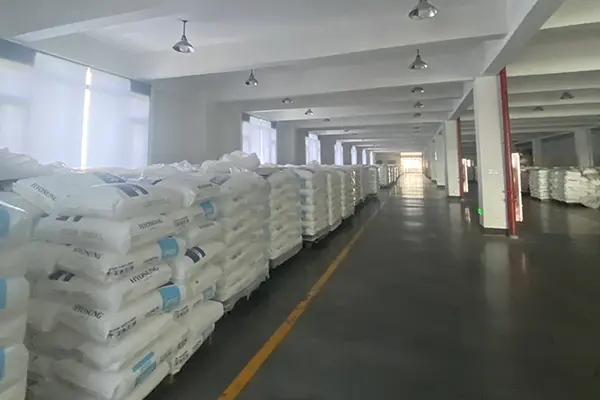
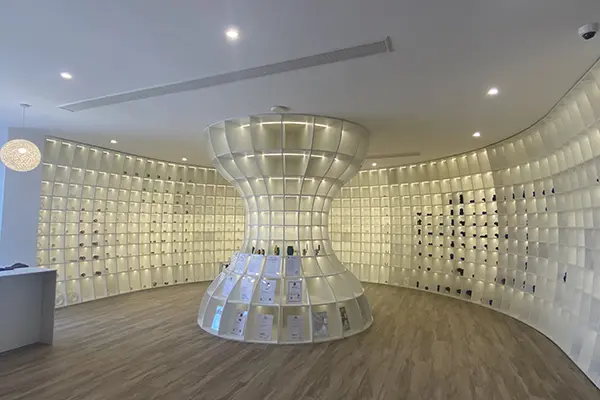
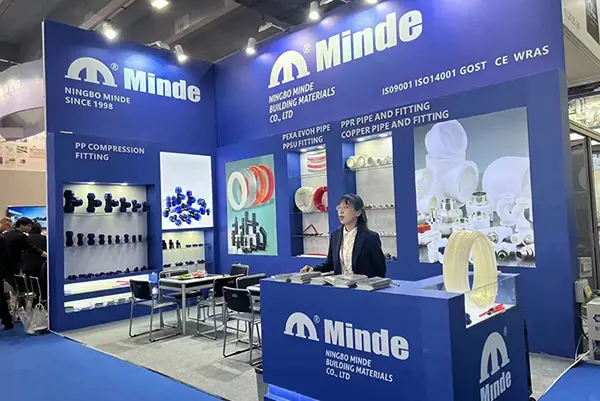
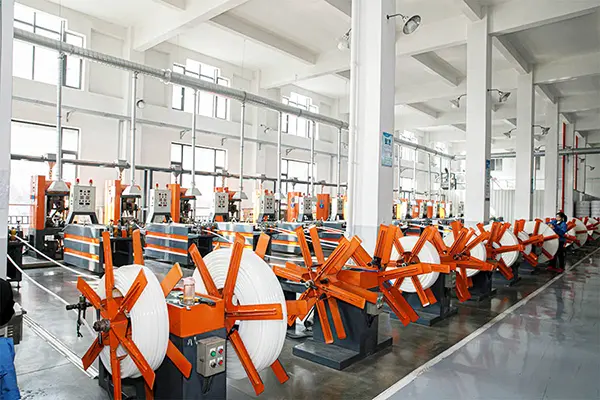
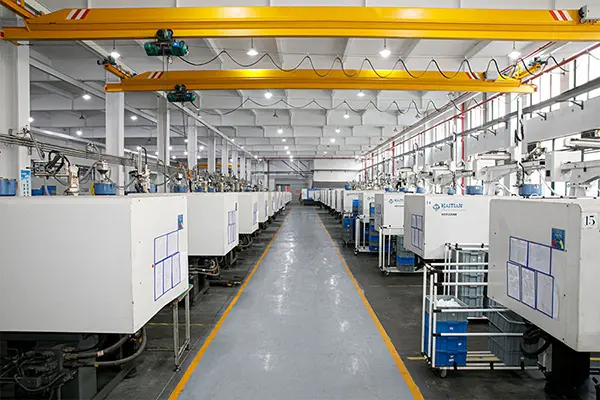
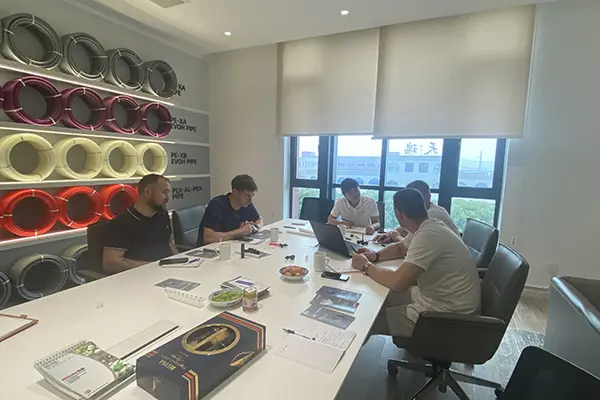
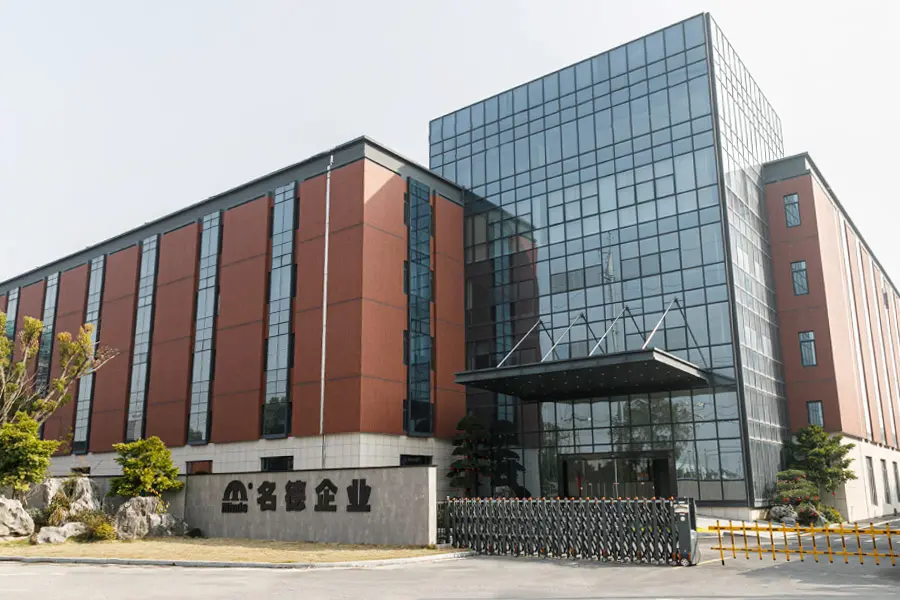
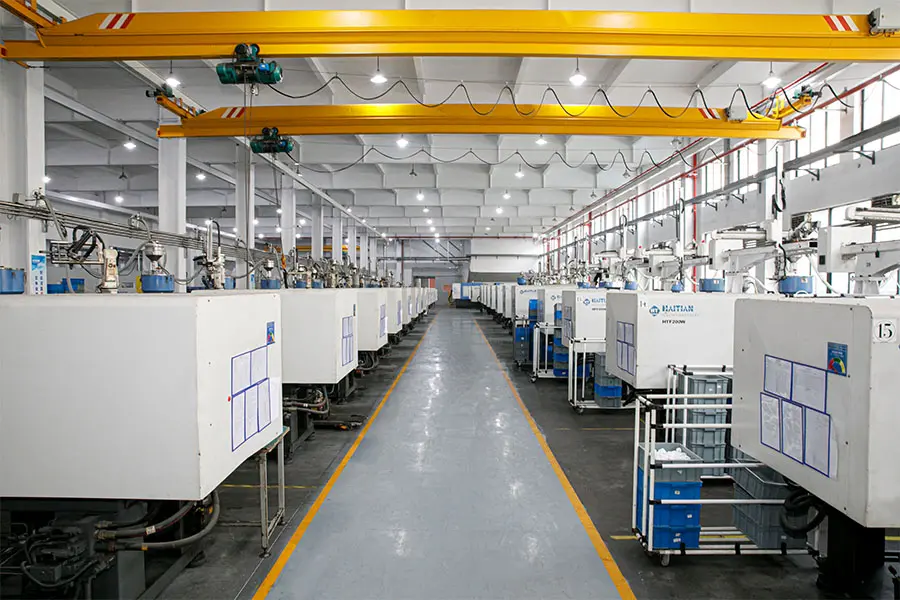
We are Ningbo Minde Building Materials Co., LTD., based in Zhejiang Province, China. For over 20 years, we have specialized in high-performance plastic pipes and specialized matching fittings. Our products are installed in residential water supply networks, modern agricultural irrigation setups, and commercial underfloor heating arrays. To deliver consistent, eco-friendly systems to global markets, we run a strictly controlled, high-volume production setup that relies exclusively on premium, certified raw materials.
Understanding polymer performance characteristics across modern industrial networks.
| Parameter | PEX-a (Peroxide Method) | PEX-b (Silane Method) | PEX-c (Radiation Method) |
|---|---|---|---|
| Cross-linking Degree | > 70% (Uniform molecular structure) | > 65% (Asymmetrical structure) | > 60% (Variable density) |
| Flexibility & Bend Radius | Industry Leading (Lowest bend radius) | Stiffer (Requires extra fittings) | Moderate (Higher risk of kinks) |
| Kink Memory Recovery | Excellent (Restores easily via heat gun) | Non-recoverable (Requires section cut) | Poor (Usually needs replacement) |
| Stress Crack Resistance | Outstanding (Optimized for extreme pressure) | High (Medium long-term stress load) | Moderate (Prone to local fatigue) |
| Service Pressure Rating | PN10 & PN16 at elevated thermal levels | Mainly limited to PN10 under stress | Limited standard commercial use |
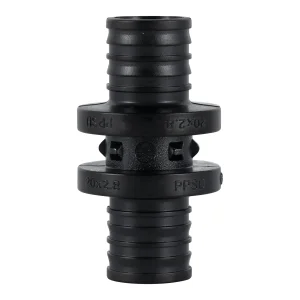
*Note: Ningbo Minde primarily utilizes the premium PEX-a method alongside high-grade Poly PPSU and PP compression fittings to guarantee maximum mechanical strength and chemical stability.
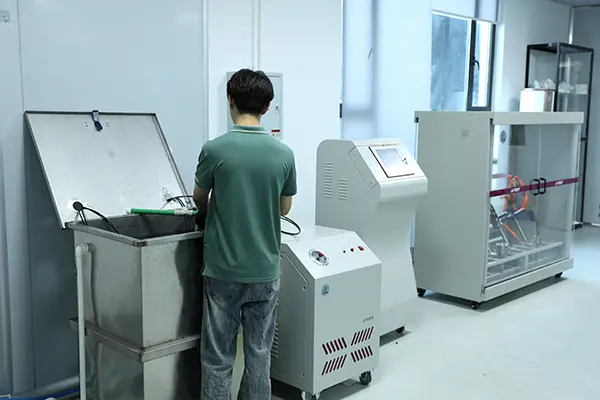
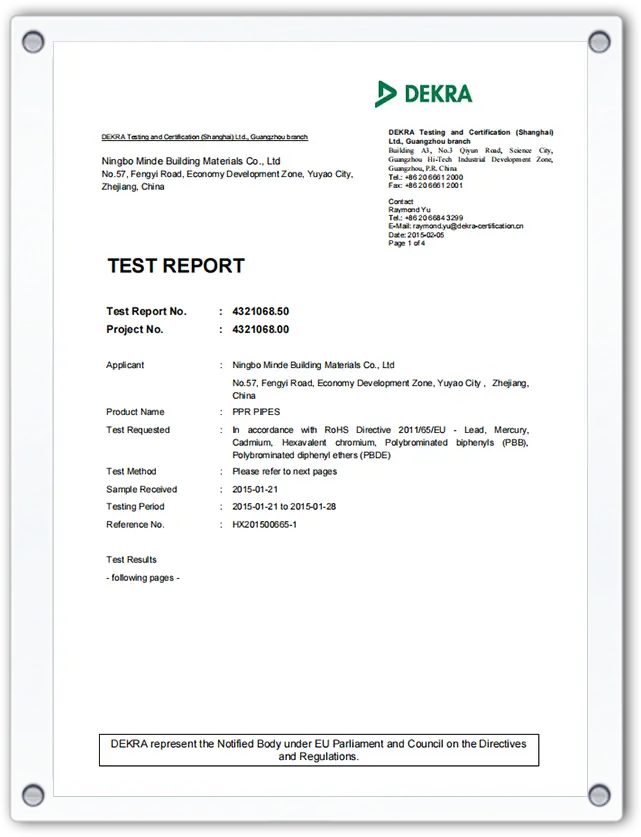
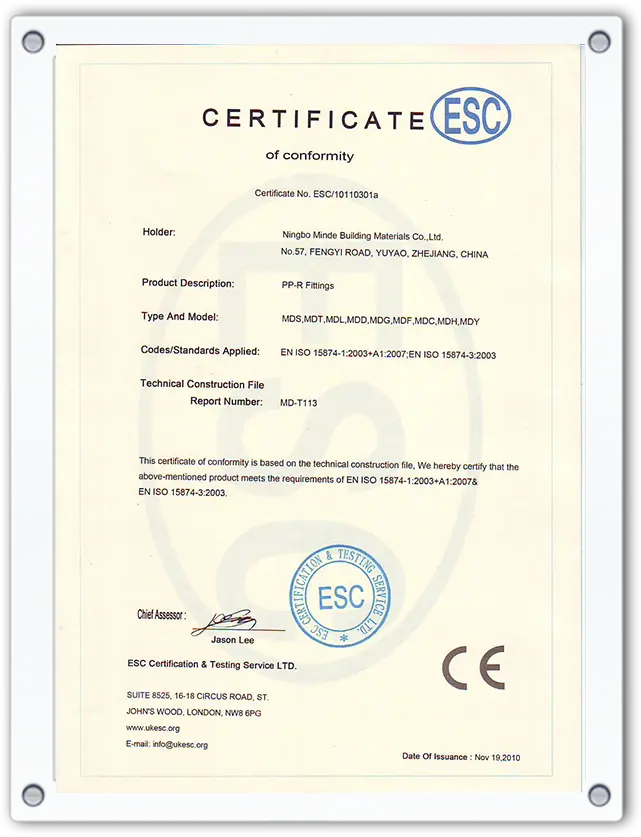
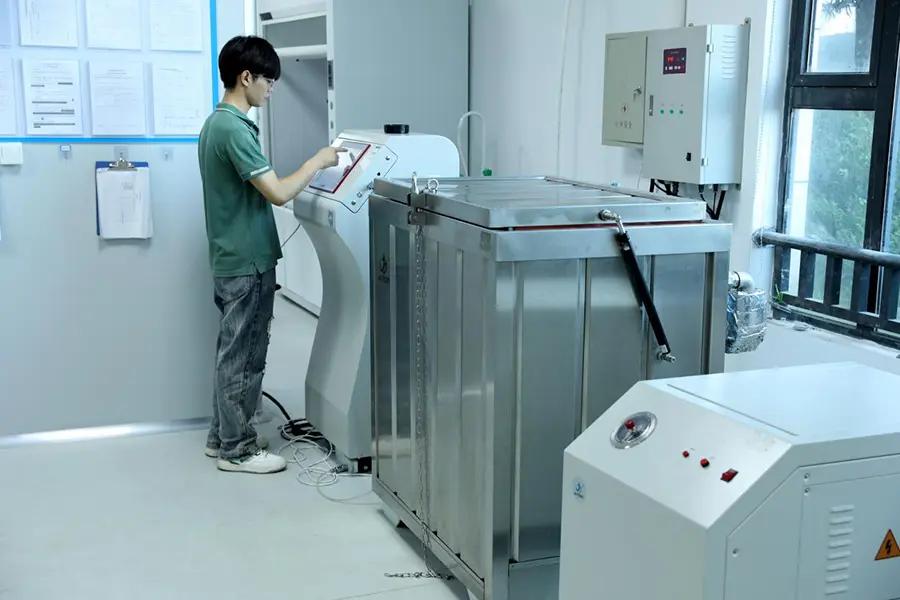
Entering major engineering pipelines demands absolute compliance with international water quality, safety, and pressure requirements. At Minde, we run a rigorous three-tier testing regime (raw material verification, in-process dimension checks, and automated hydrostatic pressure testing) to eliminate potential failures before shipment.
Our quality management systems conform to the highest global standards. Minde products are certified by major regulatory bodies, ensuring smooth approval processes for project managers and distributors worldwide.
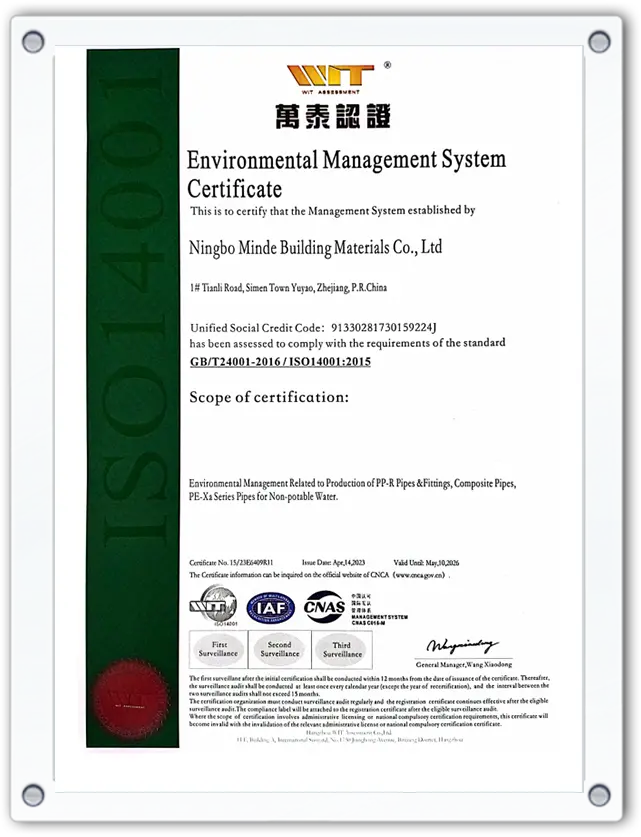
How Minde pipeline systems are adapted to meet localized environmental conditions globally.
In cold regions like Northern Europe and Russia, low-temperature district heating (LTDH) networks use pre-insulated pipes to deliver thermal energy. Minde PEX-a carriers resist sustained high temperatures (up to 95°C) and mechanical pressure, while the outer HDPE jacket resists soil stress and chemical decay in direct-burial applications.
Hydronic slab systems require high flexibility and complete oxygen protection. Minde EVOH co-extruded PEX-a pipes stop oxygen permeation, protecting metallic boiler parts from corrosion. Combined with lead-free NSF-61 certified PPSU fittings, they ensure clean, long-lasting performance.

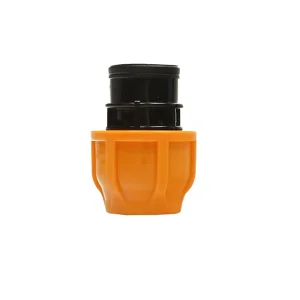
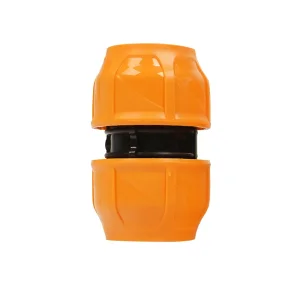
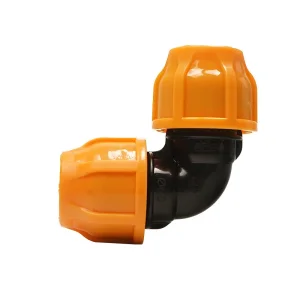
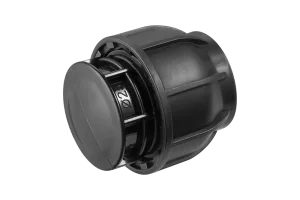
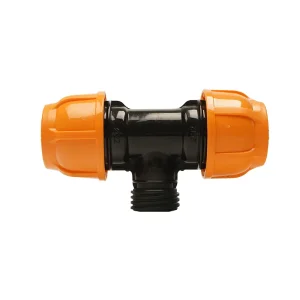
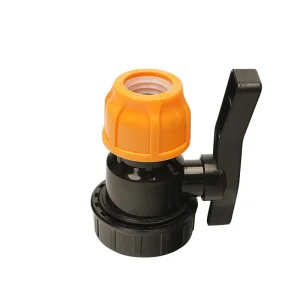
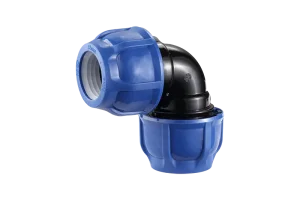
High temperatures and UV exposure require tough pipeline materials. Minde PP compression fittings provide quick mechanical joints for HDPE and PEX pipes. Engineered for PN10 and PN16 pressure ratings, they handle intense water hammer forces and agricultural fertilizer exposure.
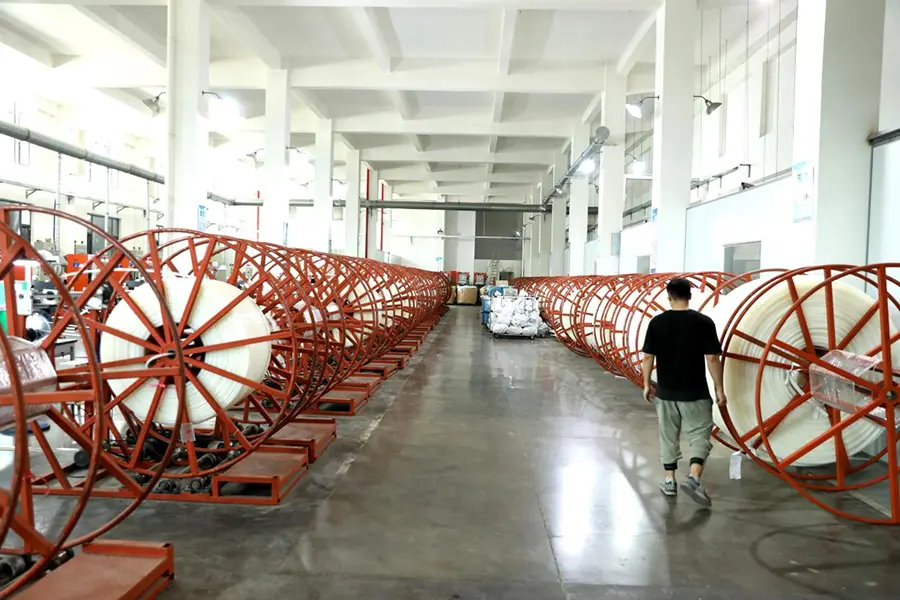
Our pipeline designs minimize installation labor. PEX-a allows long continuous runs with fewer connections, reducing potential leak points and simplifying installation.
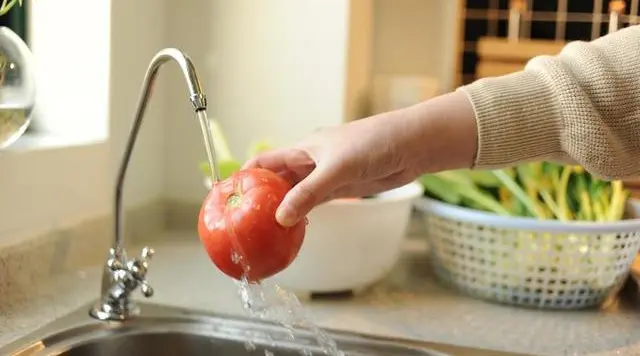
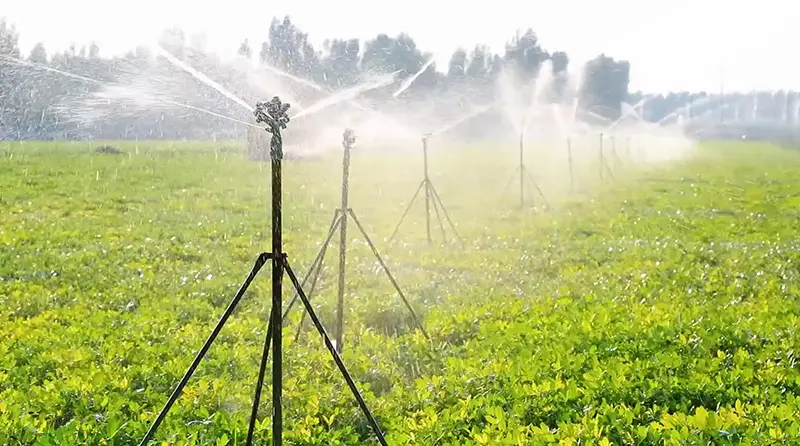
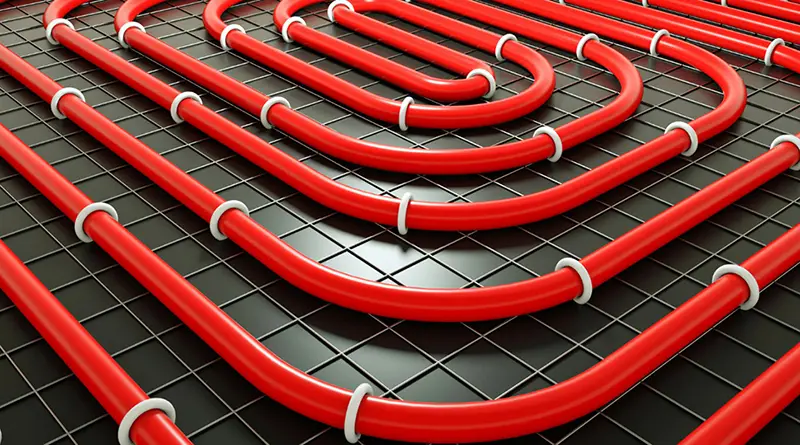
Plastic piping needs to perform reliably under varied chemical, thermal, and stress environments. Minde systems are customized to three primary engineering fields:
How Minde is upgrading its pipeline designs for next-generation green heating systems.
We are upgrading our co-extrusion technology to manufacture five-layer EVOH PEX-a pipe. Placing the oxygen barrier layer in the middle of the pipe wall protects it from physical wear during transport and installation.
In step with global green initiatives, we are transitioning to zero-ODP (Ozone Depletion Potential) and ultra-low GWP (Global Warming Potential) polyurethane foaming gases. This update matches strict European environmental mandates without affecting insulation density.
We are testing pre-insulated pipes with built-in leak monitoring wires. By embedding sensory cables in the polyurethane layer, system operators can instantly detect jacket damage, helping protect large-scale district networks from unseen water damage.
To support low-carbon energy systems, Minde focuses on minimizing thermal loss and improving installation durability.
Answers to common technical and structural questions on pre-insulated PEX piping design, performance, and engineering specs.
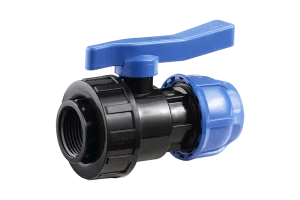
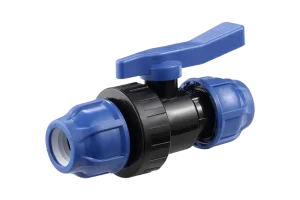
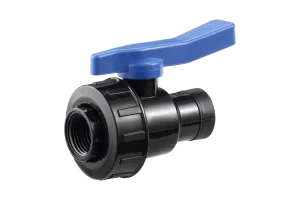
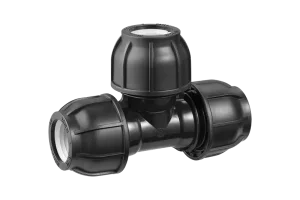
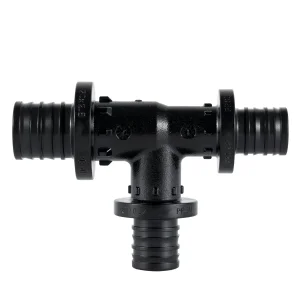
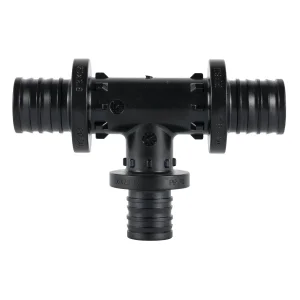
Complete your layout with high-durability fittings designed for long-term reliability under thermal and physical stress.
 Minde
Minde