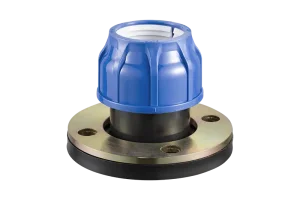
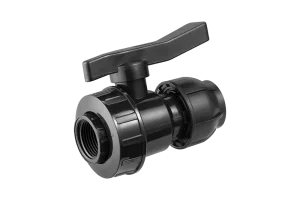
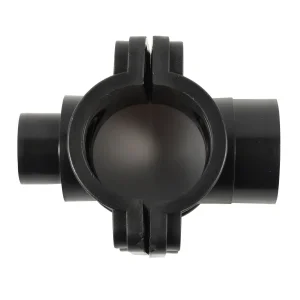
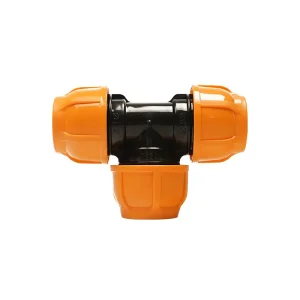
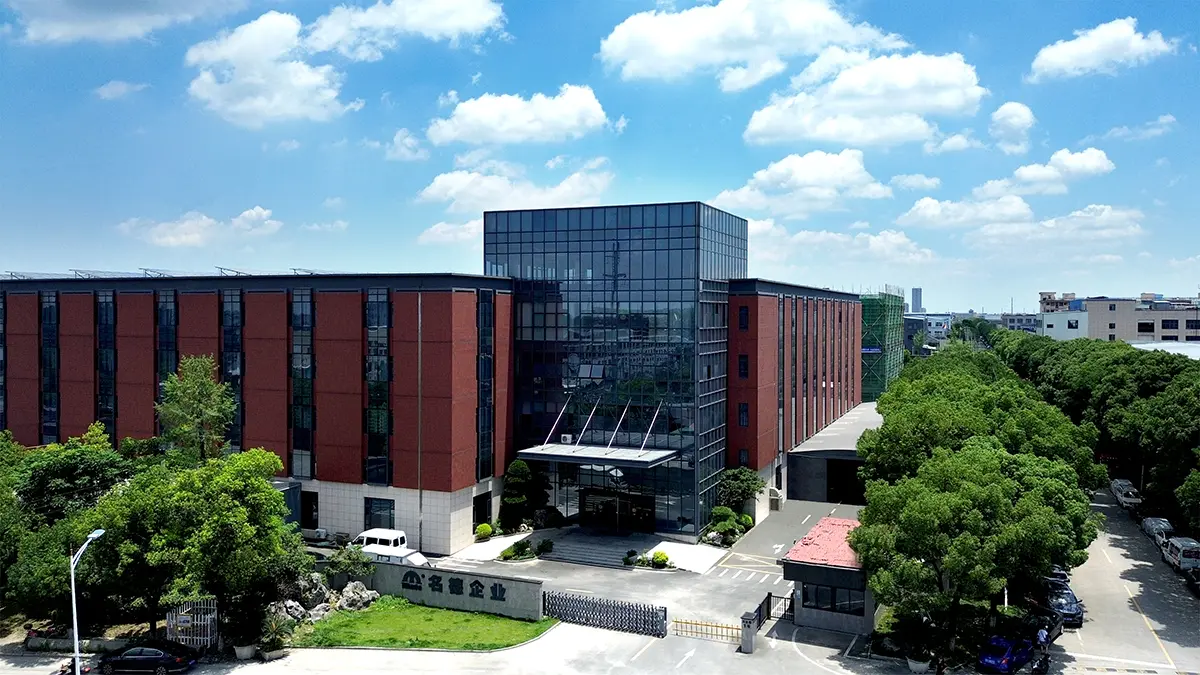
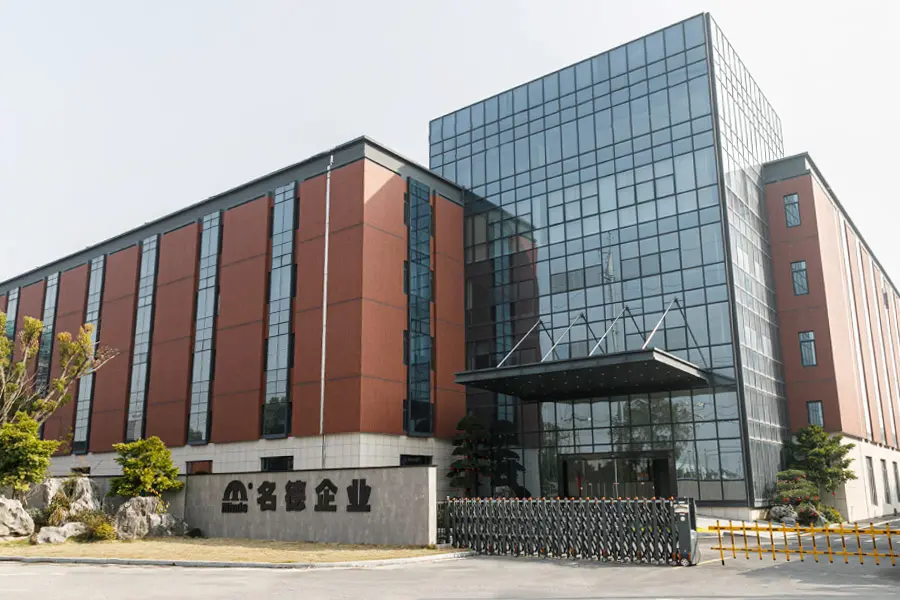
Established in the heart of China's industrial manufacturing corridor, Ningbo Minde Building Materials Co., LTD. (Zhejiang Province, China) represents over two decades of specialization in structural polymer piping systems. We design, extrude, mold, and distribute high-performance plastic pipes and fittings engineered specifically for residential potable water infrastructure, high-efficiency agricultural irrigation, and radiant underfloor heating setups.
We strictly enforce a "zero-recycled-material" protocol, procuring strictly premium-grade, virgin raw material imports to assure long-term mechanical stability, pressure retention, and structural safety. Minde operates a state-of-the-art facility spanning over 90,000 square meters, supported by 200+ trained professionals and specialized technicians.
"By controlling quality at three critical manufacturing milestones—raw material intake, dynamic inline extrusion/injection monitoring, and physical load testing—Minde maintains a 100% QA pass rating for global supply chains."
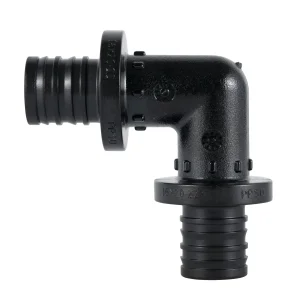
In modern sanitary and hydronic piping topologies, the PPR Double Female Elbow serves as a critical junction element. Designed to execute precise 90-degree changes in pipe routing, it incorporates internal female threads on both outlets. This dual-thread profile allows the seamless physical integration of threaded metal equipment—such as pressure transducers, mixing valves, expansion valves, and domestic faucet spigots—directly into standard polypropylene random copolymer socket-welded circuits.
Unlike generic elbows, the structural configuration of a premium PPR double female elbow must resolve two competing forces: the expansion stresses of high-temperature fluid networks and the mechanical load torque exerted when tightening metal counterpart threads. Under-engineered fittings often yield at the plastic-to-metal transition zone, causing catastrophic pinhole leaks or thread strip failures.
Utilizes high-molecular-weight Polypropylene Random Copolymer, optimizing creep resistance and preventing embrittlement under continuous thermodynamic loads up to 95°C.
Features heavy-duty brass inserts with intricate multi-directional ribbing. The brass is cast directly inside the polymer casing to eliminate rotational torque leakage.
Designed with a smooth interior surface (roughness factor ≤ 0.007mm). This decreases friction loss, limits pressure drops, and prevents mineral scale buildup.
Industrial-scale construction contractors, municipal developers, and agricultural consortiums face rising materials cost volatility. When sourcing piping systems, procurement managers evaluate materials based on Total Cost of Ownership (TCO) rather than initial purchase price alone.
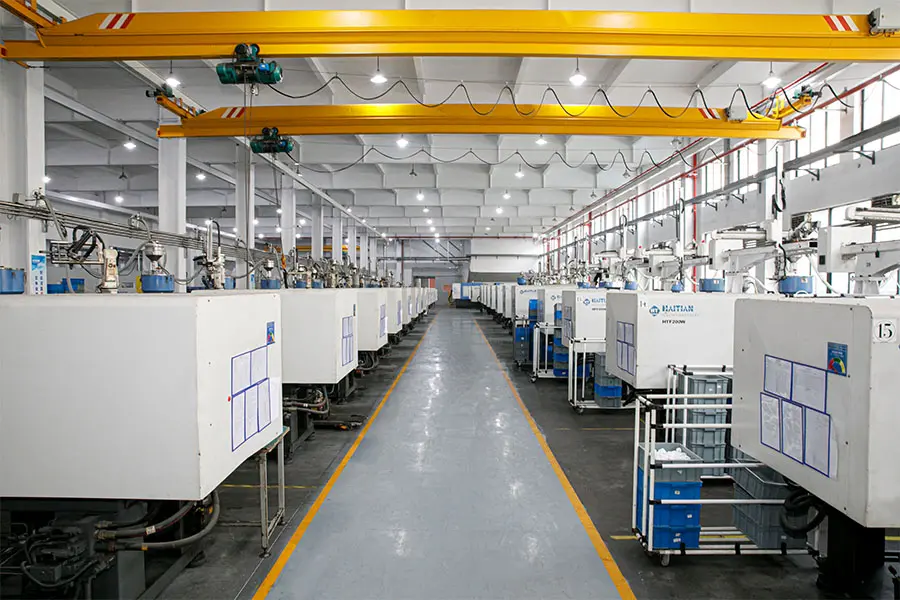
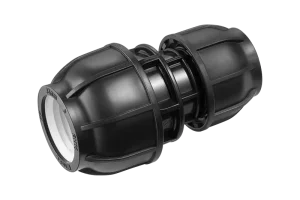
China-based manufacturing facilities like Minde optimize the B2B supply chain by combining raw material access, precision molding, and export logistics at a single location. With 45 dedicated pipe extrusion lines and 85 high-capacity injection units, we balance high-volume standard product runs with bespoke OEM modifications. This dual capability allows wholesale buyers to purchase matched PP compression fittings, PPSU heating adapters, and PPR elbows under one unified lading bill, reducing customs administrative overhead and logistics friction.
"Sourcing from a certified manufacturer prevents the field installation failures associated with multi-vendor, mismatched tolerance assemblies."
| Sourcing Metrics | Direct Manufacturer (Minde) | Secondary Trading Intermediaries |
|---|---|---|
| Material Verification | 100% Certified Virgin Polymeric Resins | Variable (Frequent use of blended regrind) |
| Dimensional Tolerance | Strictly aligned with ISO 15874 / DIN 8077 | Unregulated and inconsistent between lots |
| Tooling & OEM Capacity | Custom molds, custom brass threading profiles | Off-the-shelf inventory catalog only |
| Documentary Compliance | CE, WRAS, ISO9001:2022, GOST, ISO14001 | Incomplete, indirect, or expired certificates |
Minde pipeline installations operate across diverse global infrastructure environments, from high-density agricultural layouts to extreme heating setups.
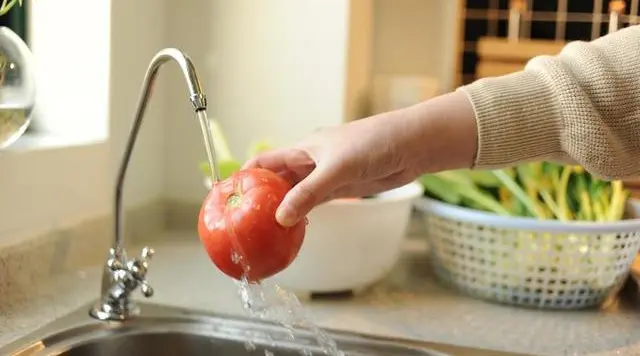
Lead-free, non-toxic sanitary piping networks certified for drinking water supply systems.
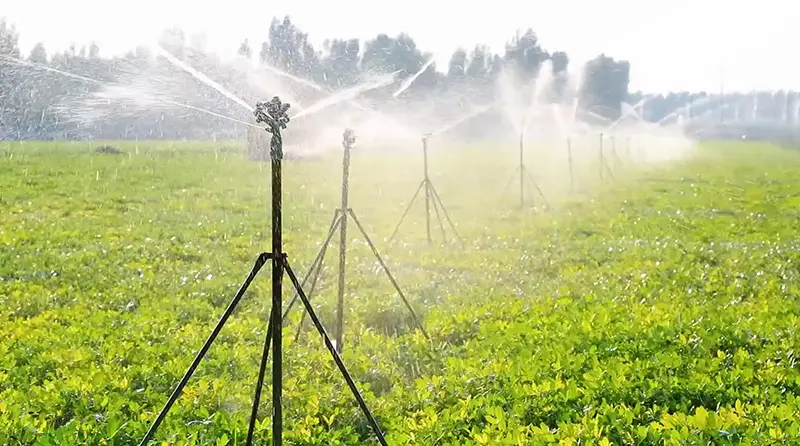
UV-stabilized, impact-resistant compression fittings and mains for dynamic field layouts.
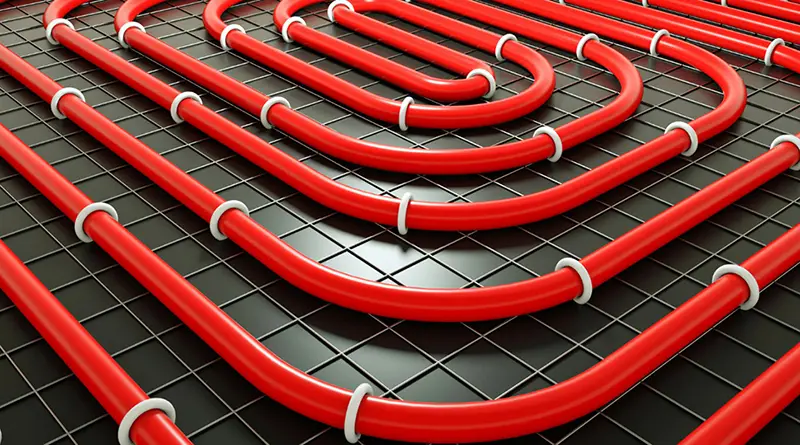
High thermal performance PEXa and PPR cross-link networks for hydronic climate control.
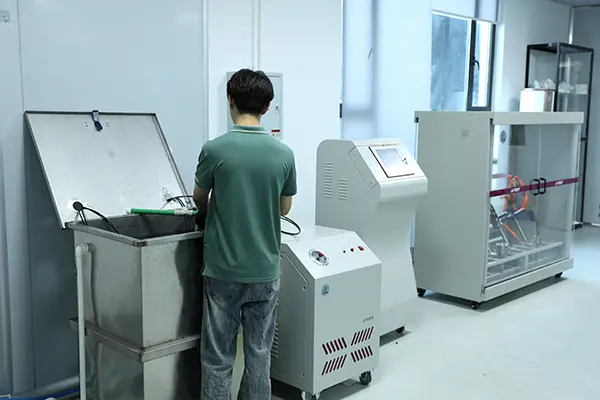
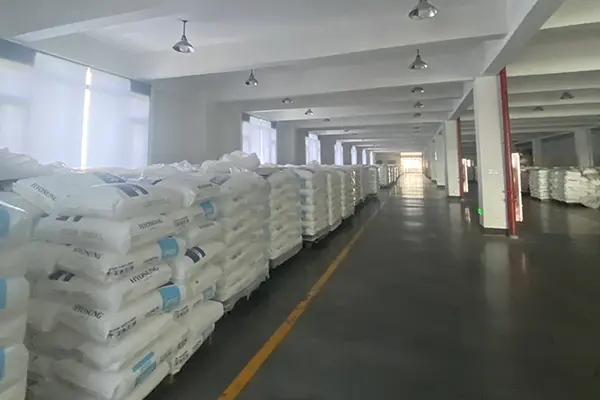
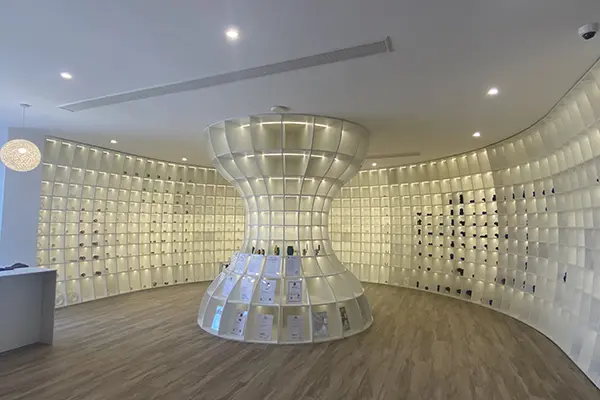
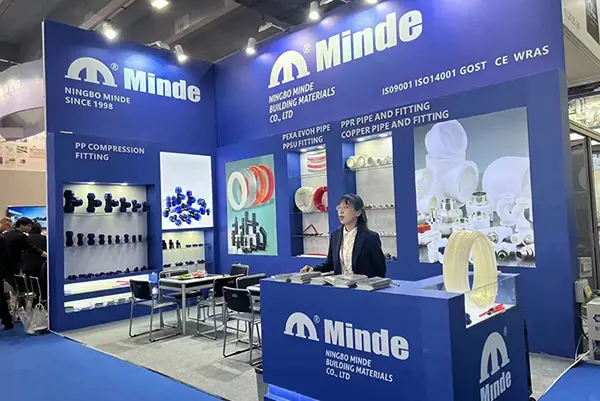
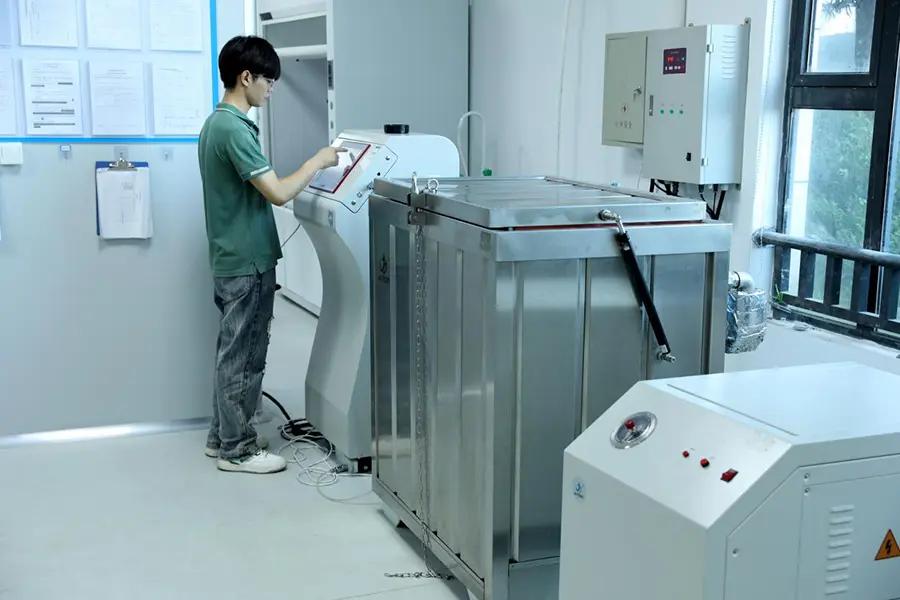
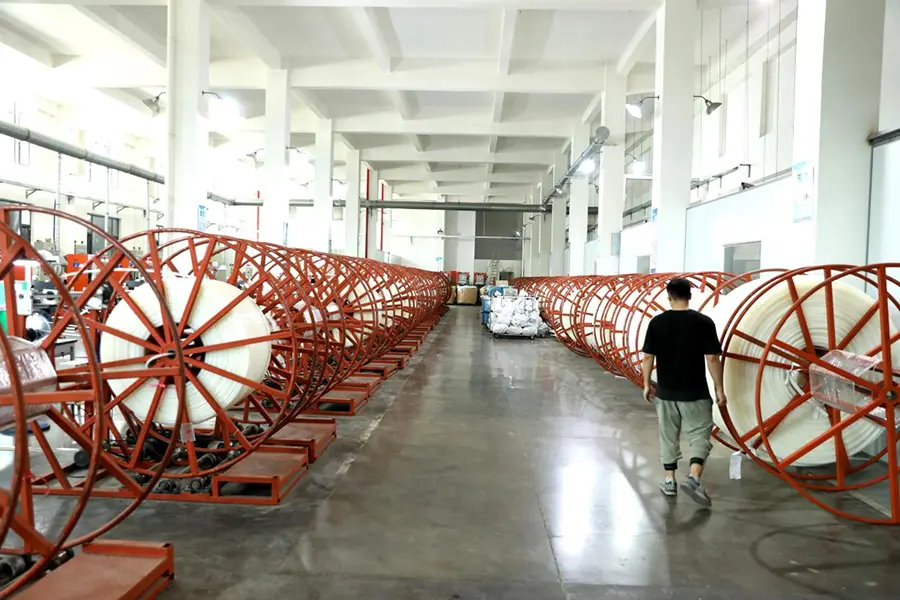
Our production floor operates under strict quality control policies. The workshop images below illustrate our raw material storage, extrusion machinery, automated feeding mechanisms, and high-pressure inspection stations.
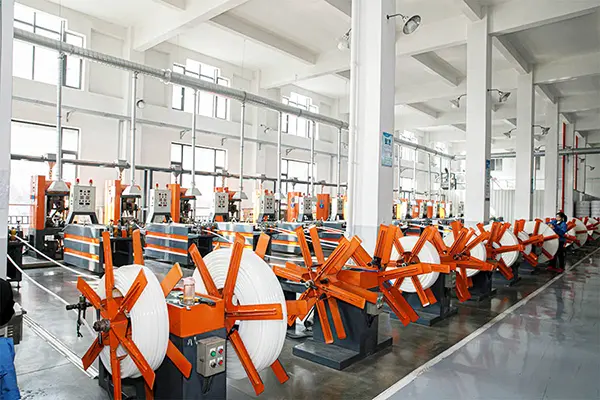
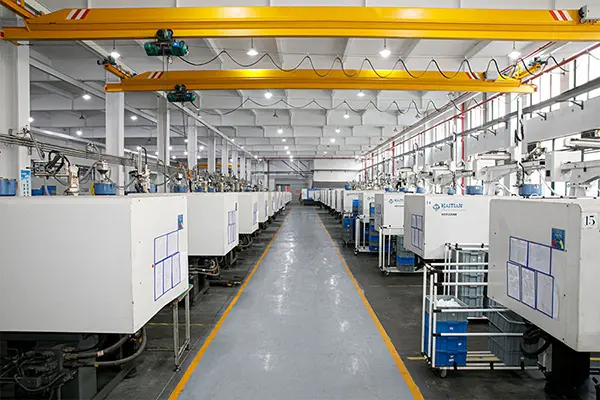
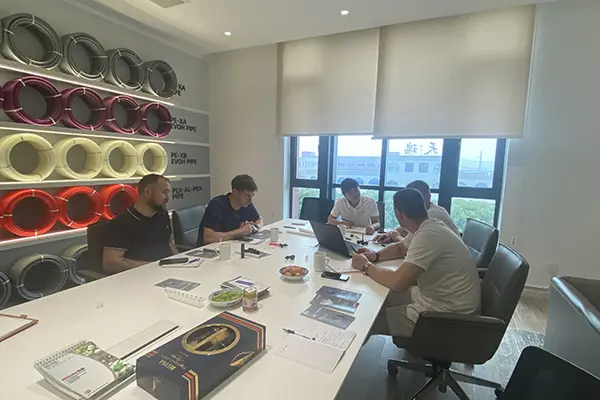
R&D Innovation Directive: We are transitioning our core molds to incorporate PPR-CT (Crystalline Temperature-modified) structures, which will allow a 15% reduction in wall thickness while maintaining equivalent hydrostatic pressure limits.
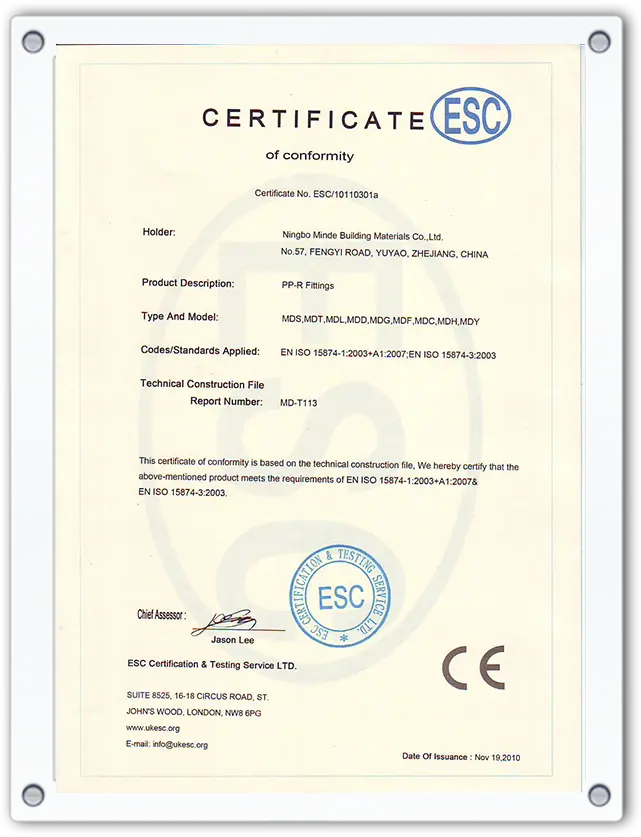
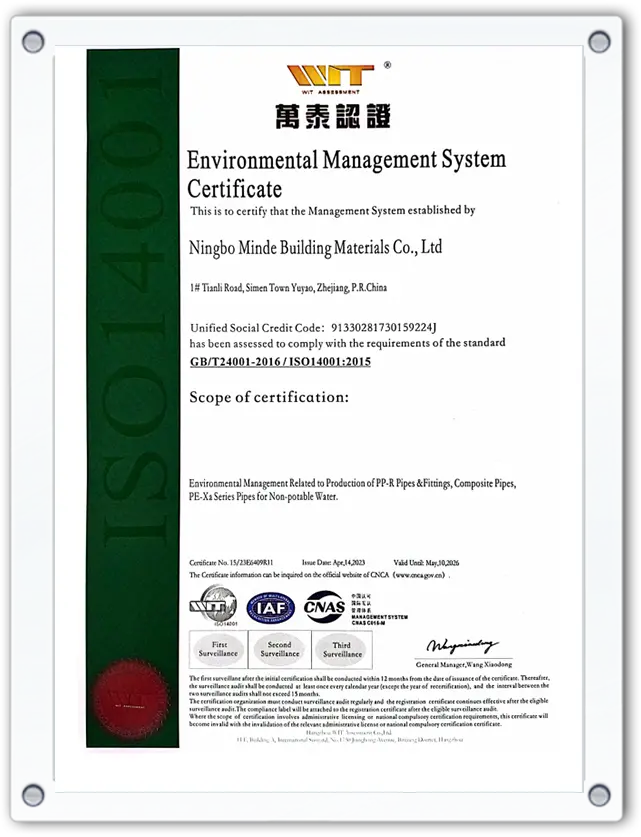
Selling products in overseas markets requires meeting diverse regulatory requirements. Minde satisfies domestic and international compliance codes through verified, audited test results. We hold valid ISO9001:2022 quality management, ISO14001 environmental management, EU CE, British WRAS, and Russian GOST certifications.
These certifications ensure our pipes and fittings meet global standards for mechanical durability, toxicological safety, and dimensional tolerances. Consequently, our systems are exported to over 50 countries, including Russia, Ukraine, South America, the Middle East, and Southeast Asia.
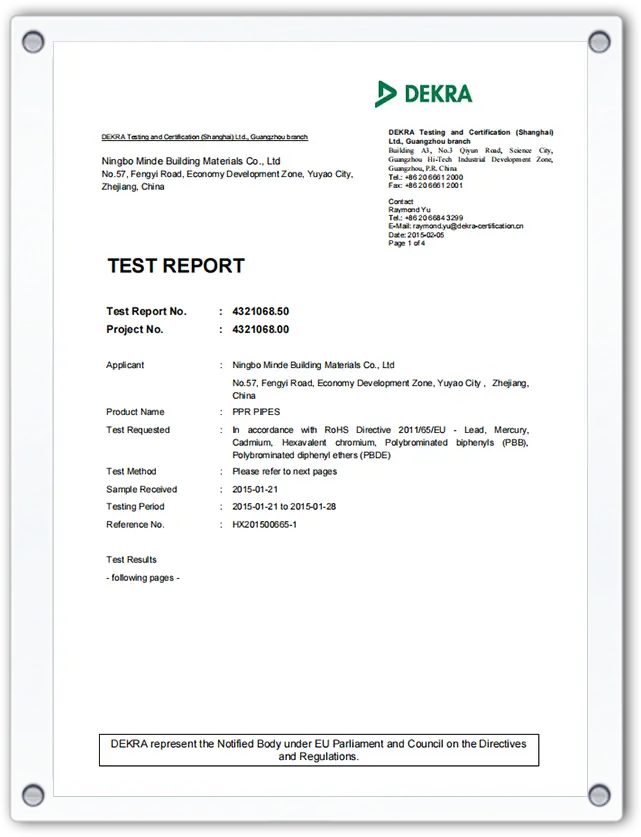
ISO Quality System
ISO Environmental
CE Conformity
We export to global markets from our proximity to the Ningbo Port terminal, optimizing logistics turnaround times and shipping fees. Our custom packing configurations secure piping shipments against damage during maritime transport.

For PPR double female elbows built with PN20 ratings and brass inserts, the maximum operating temperature limit is 95°C. At this temperature, the maximum allowable hydrostatic pressure is typically restricted to 1.0 MPa (10 Bar) under continuous operation. For cold water distribution systems operating below 25°C, these elbows are rated to handle pressures up to 2.0 MPa (20 Bar) or 2.5 MPa (25 Bar) depending on wall thickness class.
Thermal expansion rates differ significantly between polypropylene and brass. During temperature fluctuations, standard metal-to-plastic joints can develop gaps. We address this issue by integrating specialized knurling and deep-cut anchoring grooves into our brass inserts. The virgin PPR is injection-molded around these grooves under high pressure, locking the insert in place to maintain a seal during thermal cycles.
Recycled plastics contain varying polymers that degrade the overall crystalline structure of PPR. This chemical inconsistency leads to stress cracking and premature material failure under high temperatures. Virgin polymer resins guarantee consistent molecular weights and uniform melting indexes during socket fusion welding, preventing joint failures on the job site.
B2B buyers should request verified testing certificates from recognized bodies. Vital certifications include WRAS for UK drinking water safety, CE for general European construction conformity, GOST for Russian market entry, and ISO 9001:2022 to verify standard quality assurance tracking across production runs.

 Minde
Minde