Engineered to PN16 structural compliance. Certified for direct integration within global industrial, agricultural, and residential flow systems.
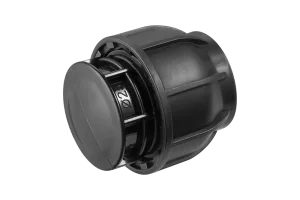
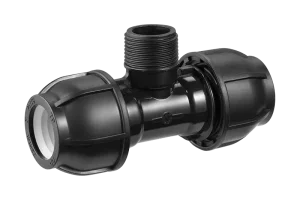
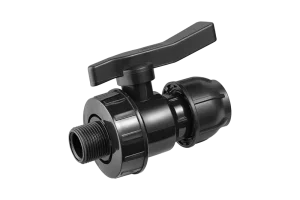
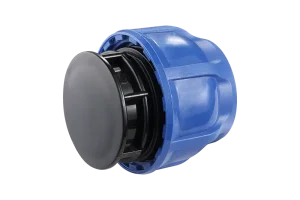
Ningbo Minde Building Materials Co., Ltd. is a pioneer in polymer research, engineering plastic pipe development, and high-performance fitting extrusion.
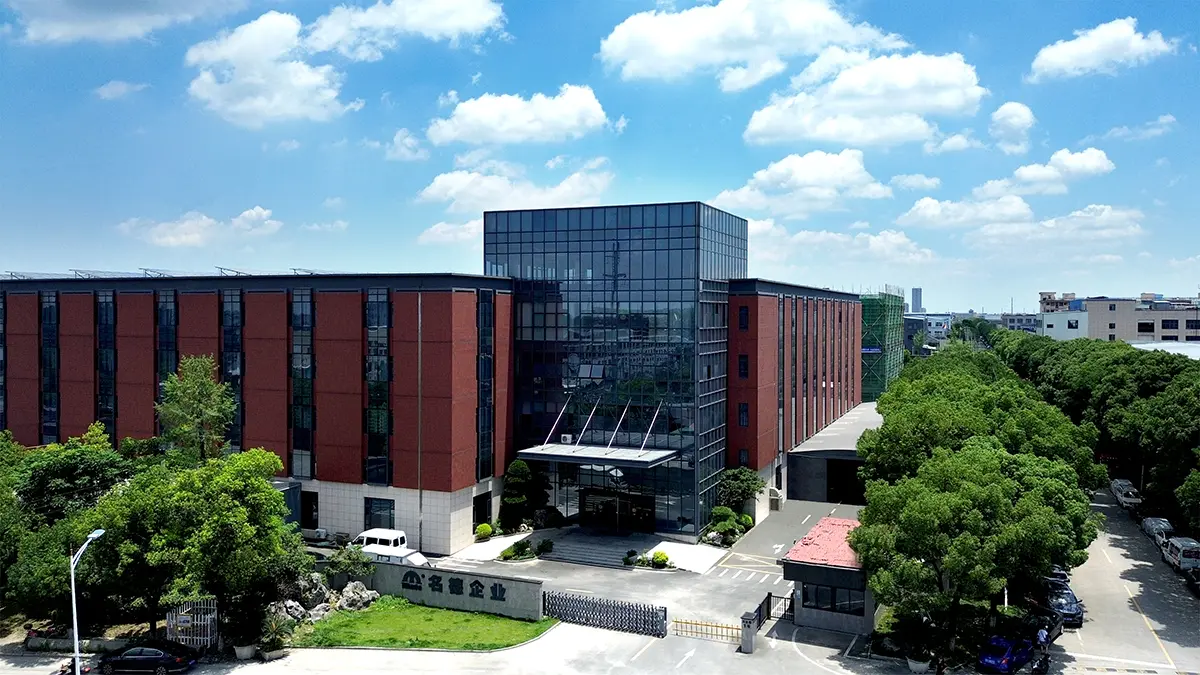
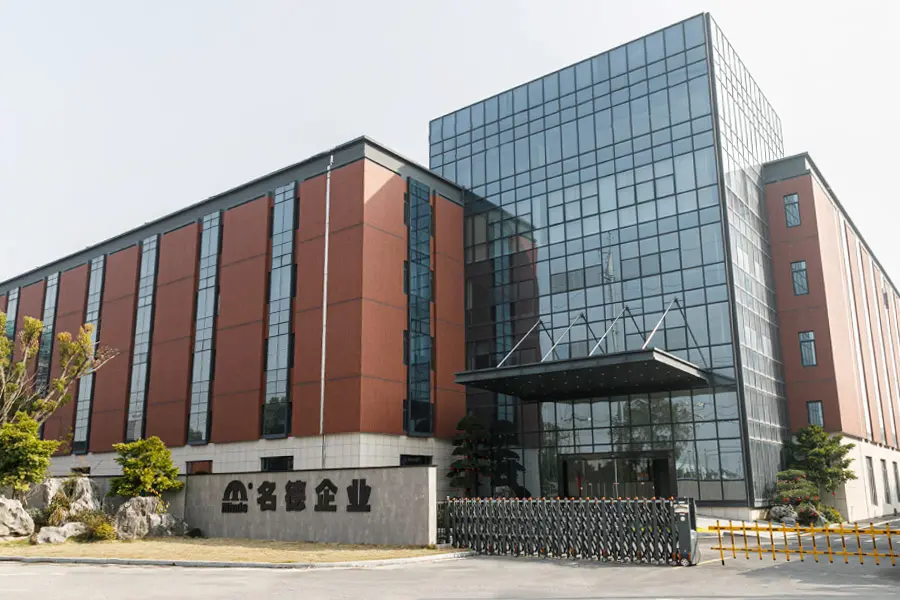
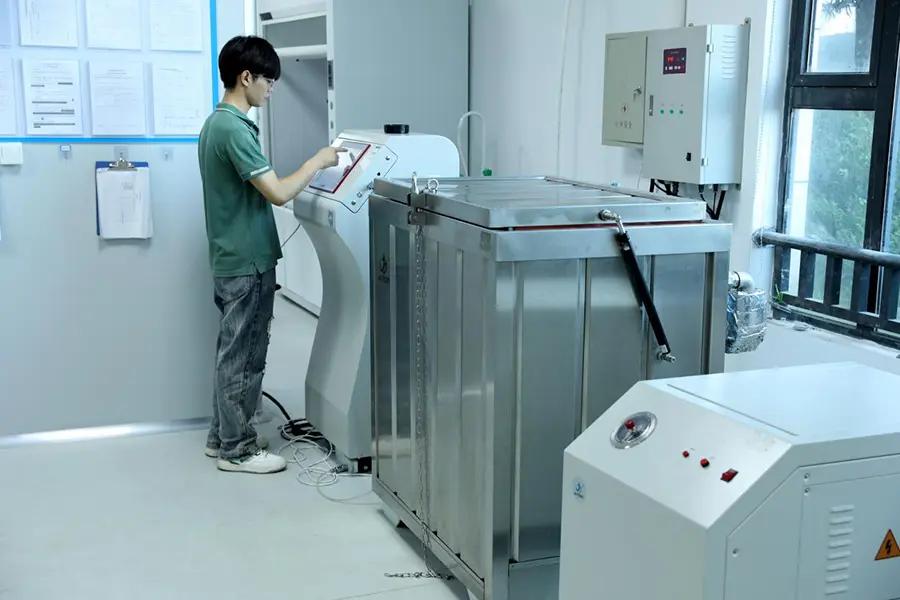
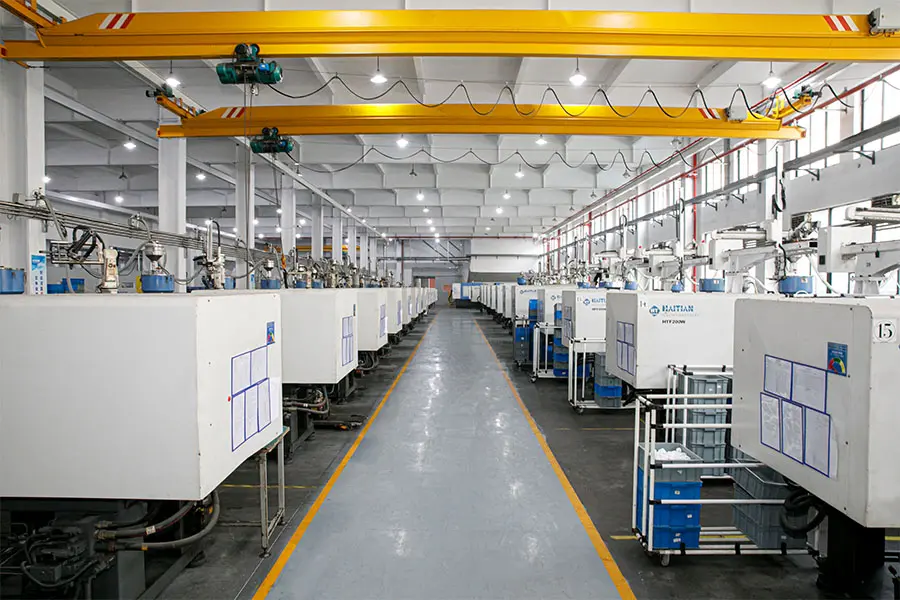
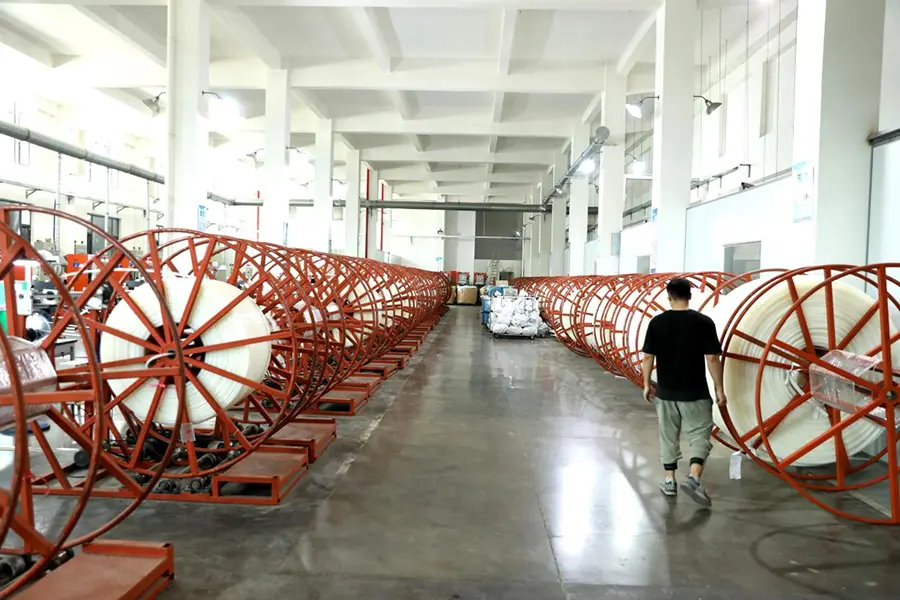
Rooted in Ningbo, Zhejiang Province, China, Ningbo Minde Building Materials Co., LTD. has spent over two decades engineering plastic water pipes and high-durability fittings. Our state-of-the-art industrial complex covers a floor space exceeding 90,000 square meters, housing standardized cleanrooms, automatic compounding systems, and strict QA labs.
We supply international distributors, MEP contractors, and municipal departments with advanced PP-R, PP, and PPSU systems. By sourcing imported raw materials and using a computerized, fully-integrated vacuum extrusion system, we ensure each pipe and fitting holds precise dimensions, exceptional thermal properties, and structural integrity under constant pressure load.
Our operation is driven by a core manufacturing philosophy: Innovation, Quality, Cost Efficiency, and Comprehensive Support. We build trust by delivering certified products that stand up to the most demanding environments.
Why modern fluid mechanics and civil engineering projects depend heavily on random copolymer polypropylene polymer chemistry.
Across Europe, the Americas, the Middle East, and Asia, modern infrastructure is moving away from metal piping due to corrosion, scaling, and heavy metals. PPR (Polypropylene Random Copolymer) has become the gold standard for high-temperature and sanitary fluid transfer. The material's molecular structure—characterized by random distribution of ethylene links in the propylene main chain—gives it exceptional mechanical strength, flexibility, and chemical resistance.
Our PPR systems operate efficiently in high-heat systems without releasing toxins or chemicals. This makes them ideal for safe, long-term drinking water supply and hydronic radiant heating systems. The low thermal conductivity (0.24 W/mK) reduces heat loss by up to 80% compared to copper, improving overall system energy efficiency.
Resists electrochemical decay, acidic soil conditions, and high pH cleaning agents. Smooth inner walls prevent calcium deposit buildup, keeping flow rates consistent over a 50-year service life.
Random polymer structures reduce fluid flow noise and damp water hammer shocks. Low thermal conductivity limits condensation in chilled water systems and cuts heat loss in heating runs.
Unlike mechanical press fittings, PPR forms a permanent, single molecular connection through thermal socket fusion. The welded joint becomes stronger than the pipe itself, preventing leaks.
Combining raw material security, automated production lines, and proximity to major shipping hubs to guarantee high capacity and stable delivery.
Global sourcing managers look for more than just low unit costs; they prioritize production consistency and supply chain stability. Ningbo Minde manages risk by maintaining strategic stockpiles of premium imported raw materials, avoiding the batch-to-batch inconsistencies common in lower-grade alternatives.
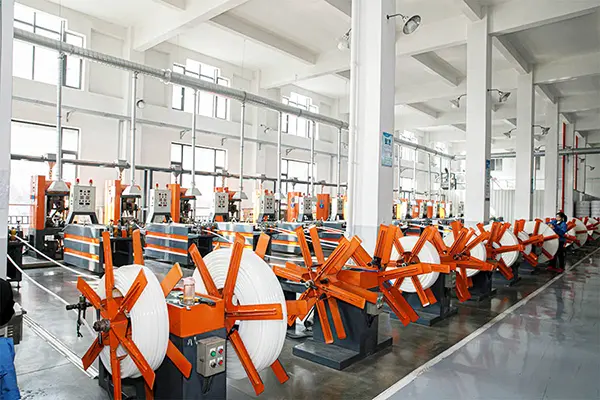
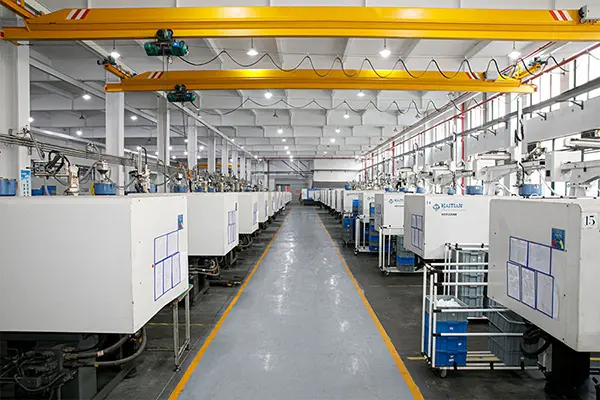
Operating out of Ningbo, near one of the world's busiest container ports, we ship directly to Europe, South America, and the Middle East. With 45 automated pipe extrusion lines and 85 injection molding machines, we easily scale production to meet sudden demand increases without compromising quality.
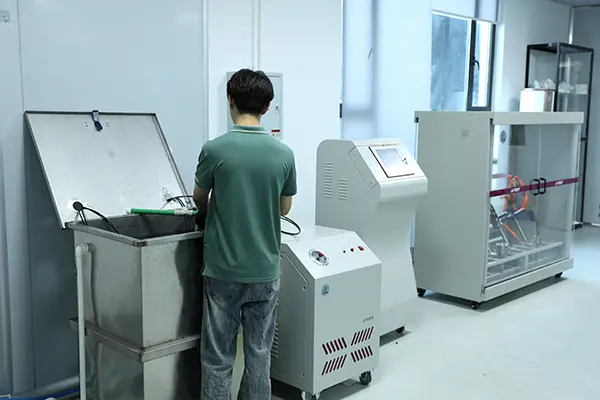
Our quality control program checks products at three critical points: incoming raw materials, online production parameters, and post-production performance testing. Destructive burst, hydrostatic, and melt flow index (MFI) tests are conducted on every batch before loading.
Understanding pressure ratings, raw materials, and the development of next-generation polymer distribution systems.
PPR pipe systems are categorized by pressure ratings (PN) and standard dimension ratios (SDR). Designing safe networks requires selecting the right PN rating for the system's operating temperature profile.
For example, a cold-water system at 20°C can use PN10 or PN12.5 pipes, while high-temperature heating networks (70°C to 95°C) require thicker-walled PN20 or PN25 (SDR 6 to SDR 5) pipes to handle the internal stress. Choosing the correct rating prevents premature polymer oxidation and creep deformation.
Melt Flow Index Control: Minde monitors melt flow parameters (typically 0.2 to 0.5 g/10 min at 230°C/2.16 kg) to ensure smooth extrusion, uniform crystallite size, and solid mechanical strength in our molded products.
Minde continues to innovate with advanced materials. We have integrated PPR-CT (Polypropylene Random Copolymer with Crystalline Structure Temperature-resistance) into our hot-water product lines. The crystalline structure of PPR-CT improves hydrostatic strength at elevated temperatures, allowing thinner walls to handle the same pressure loads, which increases overall flow capacity.
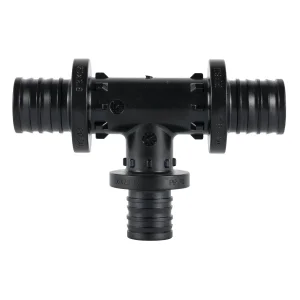
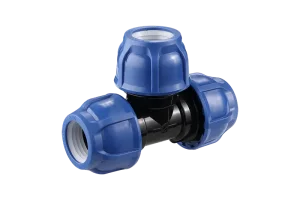
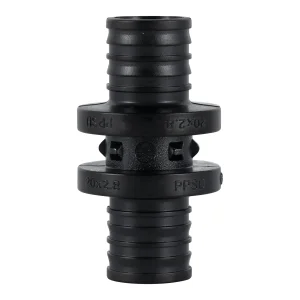
Additionally, we supply high-performance PPSU (Polyphenylsulfone) equal tees and connections for PEXa heating systems. PPSU has exceptional impact strength, high heat deflection temperatures, and resists stress cracking, making it ideal for underfloor heating installations.
Adapting our pipe systems to meet specific climate, regulatory, and engineering requirements across different regions.
Designed for residential towers, hotels, and schools. Chemically inert surfaces prevent metallic taste and won't leach harmful chemicals. Rated for temperatures up to 95°C and pressures up to PN25.
Supplying durable PPSU connectors and multi-layer oxygen-barrier PPR pipes for underfloor radiant networks. Resists constant thermal cycling without joint leaks or structural fatigue.
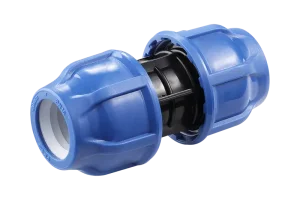
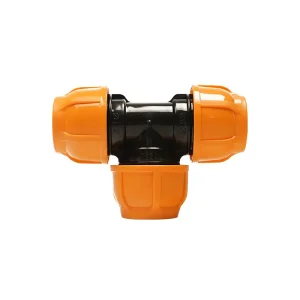
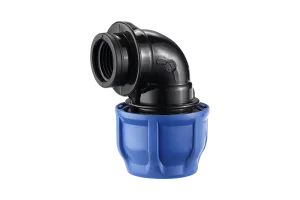
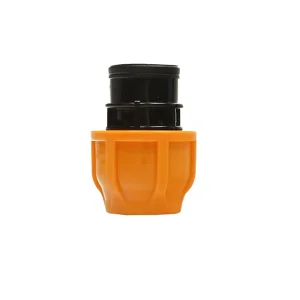
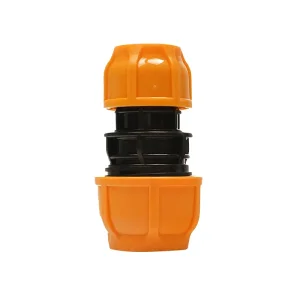
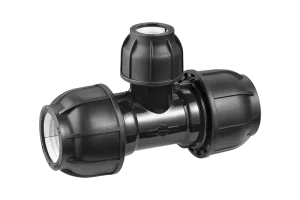
Designed for agricultural projects and industrial networks. Our PP compression fittings form secure, leak-proof joints on HDPE lines, resisting agricultural chemicals and UV rays in outdoor installations.
Approved for clean drinking water and building installations in strict regulatory markets.
Plumbing products must comply with strict regional health and safety codes. Ningbo Minde ensures global access by maintaining certifications for major markets worldwide.
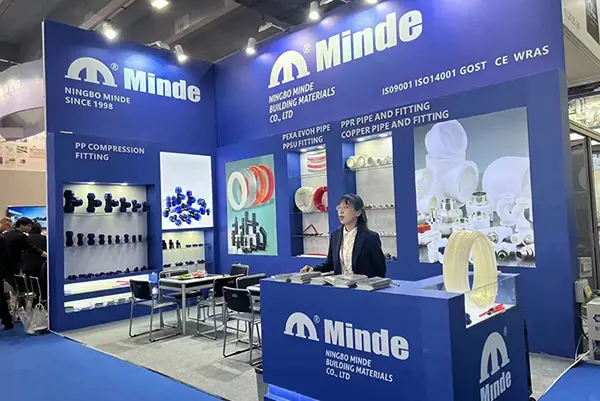
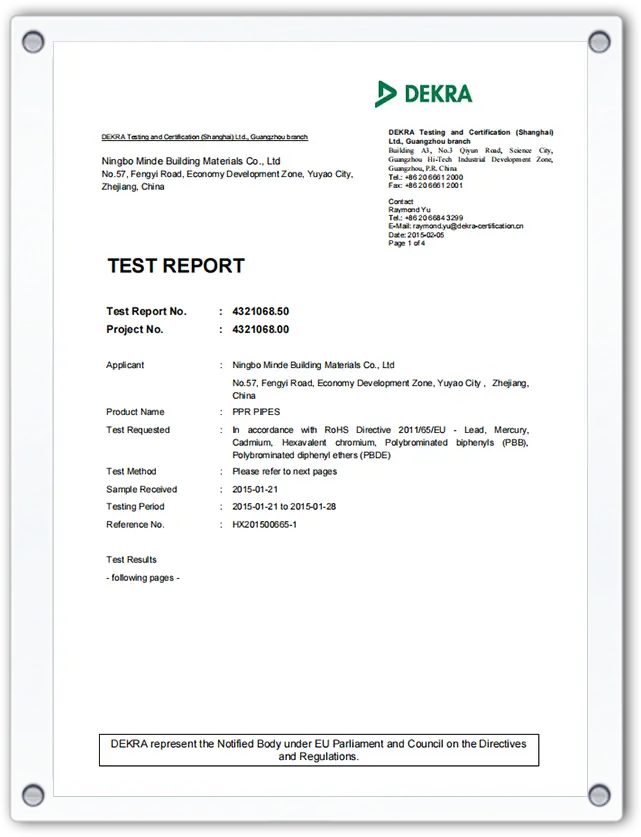
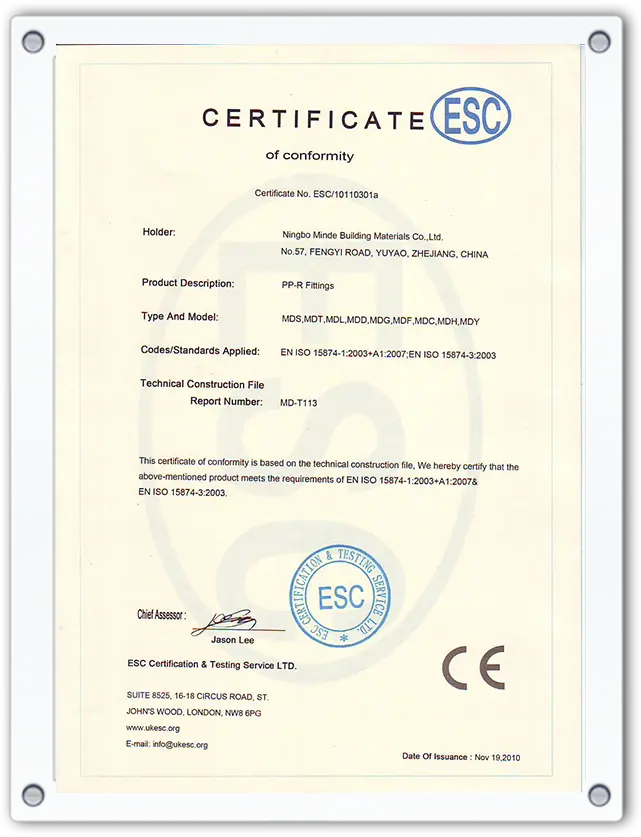
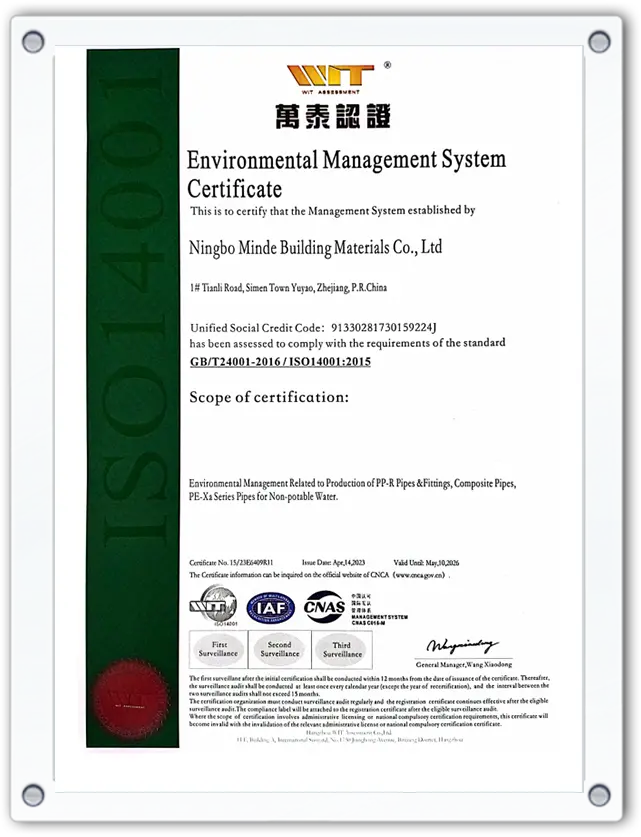
We hold ISO9001:2022 for quality management, ISO14001 for environmental management, and European CE approval. For drinking water safety, our products carry the British WRAS (Water Regulations Advisory Scheme) certification and conform to NSF/ANSI 61. We also carry the Russian GOST standard, ensuring smooth customs clearance and code compliance across Russia and the CIS region.

Detailed technical answers to common questions about PPR polymer selection, welding methods, and factory sourcing.
Traditional PP-R (Polypropylene Random Copolymer) has a standard crystalline structure that loses load-bearing capacity as temperatures rise. PPR-CT (Crystalline Temperature-resistance) utilizes a modified crystalline structure that maintains higher pressure ratings at 70°C and above. This allows engineers to design systems with thinner pipe walls while matching the pressure rating of standard PP-R, resulting in up to 37% higher flow rates.
Heat fusion welding should be performed at 260°C (±10°C). Heating times vary by outer diameter: 5 seconds for 20mm pipes, 7 seconds for 25mm, and 8 seconds for 32mm. The pipe and fitting must be inserted straight into the welding matrix without twisting. After heating, they should be joined immediately and held in place to allow the melted polymers to fuse into a single solid joint.
We use only virgin, food-grade polypropylene copolymers. Our raw material contains no heavy metals, plasticizers, or toxic stabilizers. Because PPR is chemically inert, it prevents corrosion and scale buildup, keeping drinking water clean and safe. Our products are tested and certified to comply with British WRAS and NSF/ANSI 61 standards.
Yes, our PN16 PP compression fittings are designed to operate from -10°C up to 50°C. For freezing climates, pipes must be insulated to prevent water from freezing inside, which can expand and damage the joints. The PP material itself maintains good impact resistance at lower temperatures compared to standard PVC.
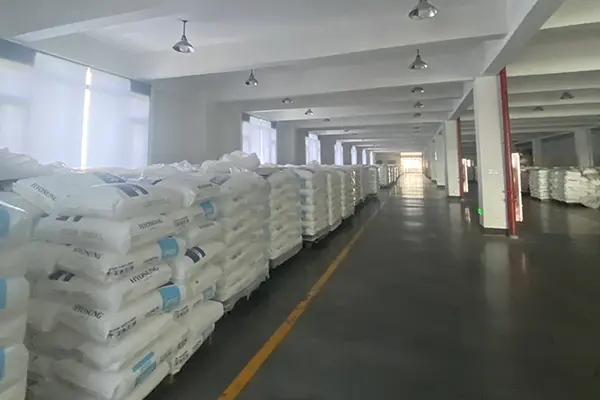
Pipes are typically packed in 4-meter lengths and bundled in protective plastic wrap. Fittings are packed in inner plastic bags and outer cartons on pallets. Thanks to our proximity to the Port of Ningbo, we offer fast loading for FCL (Full Container Load) and LCL (Less than Container Load) shipments worldwide.
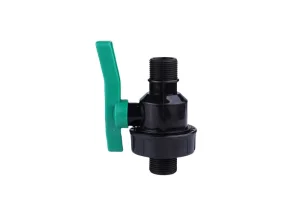
Engineered for high-pressure irrigation networks, municipal utility connections, and radiant heating manifolds.
 Minde
Minde