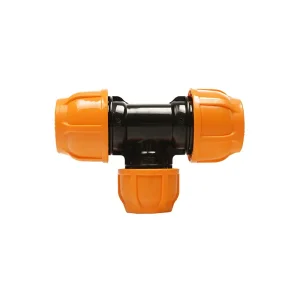
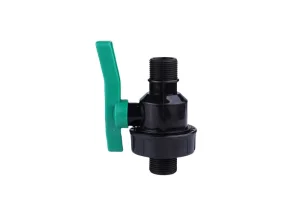
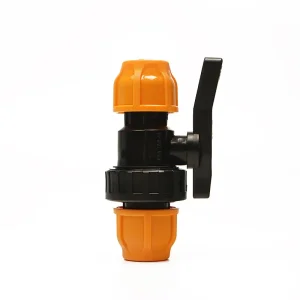
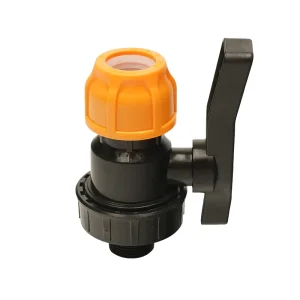
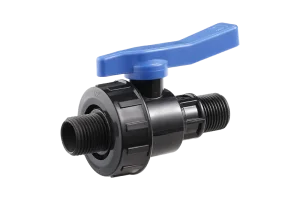
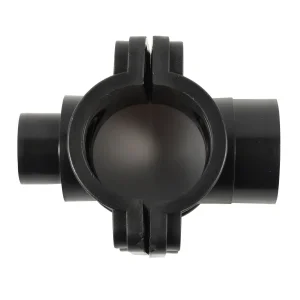
Premium flow control systems, high-pressure fittings, and precision mechanical components manufactured at our state-of-the-art facility.
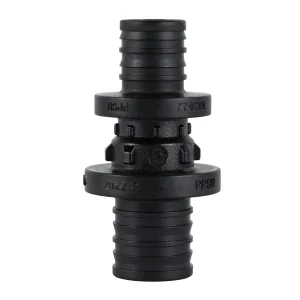
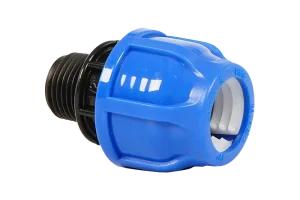
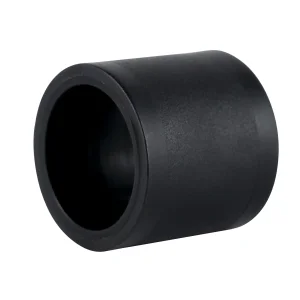
A B2B perspective on micromobility dynamics, material science advancements, and precision engineering constraints in modern bicycle component manufacturing.
The micromobility sector is experiencing an unprecedented structural revolution. As urban congestion and environmental mandates drive global adoption of bicycles and lightweight electric vehicles (LEVs), component-level reliability has emerged as a primary design parameter. Within this context, the bicycle saddle rail clamp represents a vital mechanical interface. It is responsible for transferring dynamic load profiles from the rider directly to the seatpost and frame geometry. As a leading manufacturer of precision custom clamping systems and injection-molded components, we supply high-performance solutions engineered to withstand extreme stress profiles while minimizing weight.
Today, the saddle rail clamp market is characterized by a diversification of rail materials—ranging from traditional steel and chromoly alloys to high-strength titanium and ultra-delicate carbon fiber profiles. This shifts the engineering requirements from simple high-pressure fastening to calibrated load distribution. Excessive clamping force on a carbon fiber rail creates stress concentration fields that lead to sudden, catastrophic shear failure. Conversely, insufficient clamping force causes saddle slippage, compromising rider control and accelerating component wear. Consequently, international standards such as ISO 4210-9 enforce rigorous fatigue and impact testing requirements, pushing manufacturers to innovate beyond legacy cast-metal designs.
Selecting the optimal material for saddle rail clamps requires balancing structural safety factor requirements against manufacturing feasibility and cost constraints. Below is a comprehensive engineering comparison:
| Material Class | Tensile Strength (MPa) | Fatigue Resistance | Weight Profile | Corrosion Resistance | Primary Industrial Application |
|---|---|---|---|---|---|
| 6061-T6 Aluminum Alloy | 290 - 310 | Moderate | Standard Light | High (Anodized) | Commercial OEM Bicycle Assemblies |
| 7075-T6 Aerospace Aluminum | 570 - 580 | Excellent | Very Light | Moderate | High-End Racing & Off-Road Cycles |
| Carbon Fiber Reinforced Nylon | 180 - 240 | High (Damped) | Ultra-Lightweight | Immune | Advanced Eco-Mobility & Urban E-Bikes |
| Ti-6Al-4V Titanium (Grade 5) | 880 - 950 | Superior | Optimal Strength-to-Weight | Outstanding | Custom Handcrafted & Premium Road Frames |
The engineering roadmap for custom bicycle saddle rail clamps is directly influenced by three major macroscopic design patterns: the rise of modern e-Bikes, structural component integration, and advanced structural topology optimization. E-bikes generate higher average speeds and subject components to constant vibration over longer distances, demanding superior fatigue life. The industry is moving from simple bolt-through-cylinder clamp models to multi-directional clamping profiles that isolate carbon rails from direct shear force.
By implementing side-loading dual-cradle geometries, our custom clamps reduce high localized torque stress on delicate carbon saddle rails, expanding rail compatibility across all geometries.
Utilizing high-performance injection-molded thermoplastics to replace metal components, providing weight savings up to 40% while preserving load limits.
Leveraging FEA (Finite Element Analysis) simulations to systematically remove material from low-stress zones, producing organic geometries that maximize stiffness.
Ningbo Minde Building Materials Co., LTD: Supporting B2B production lines with global quality standards.
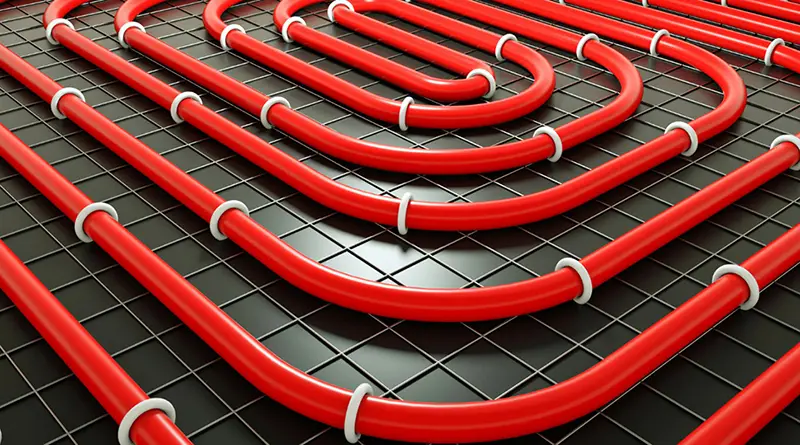
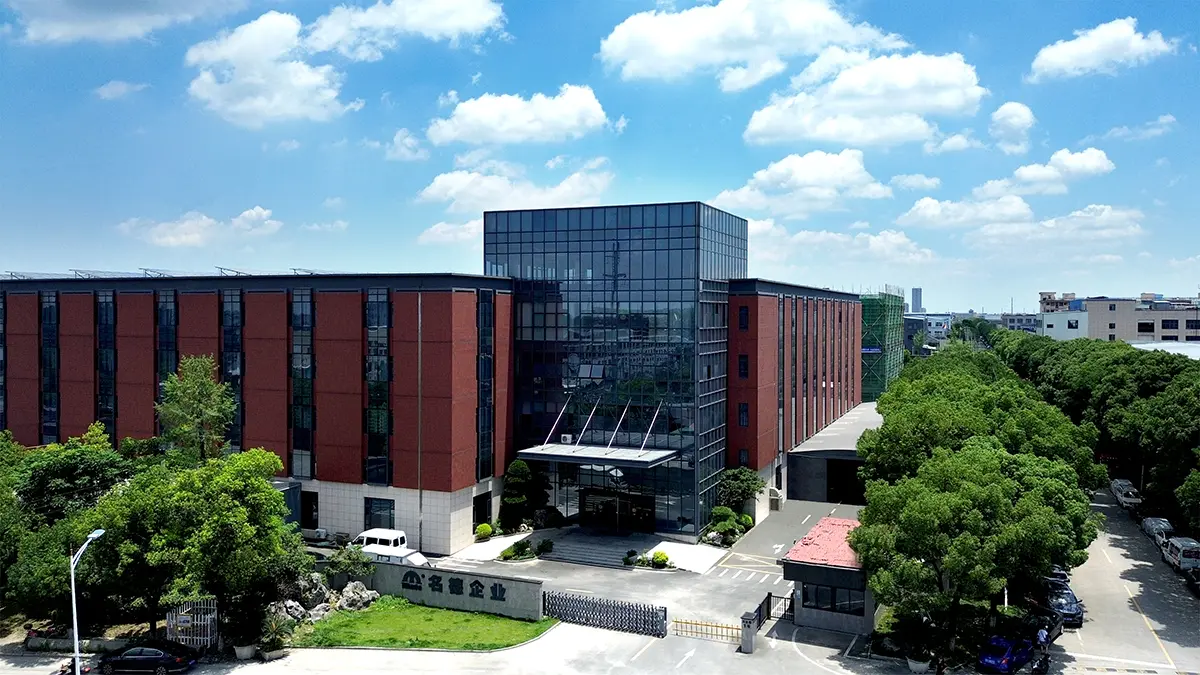
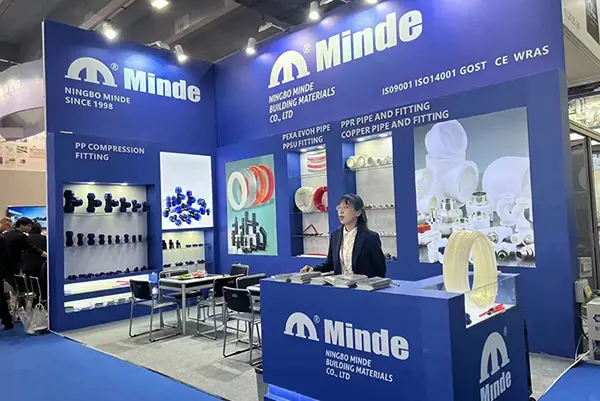
We are Ningbo Minde Building Materials Co., LTD., based in Zhejiang Province, China. As an established factory with over 20 years of experience, we specialize in high-performance polymer extrusion, precision injection molding, and fluid management systems. Our products are widely deployed in modern residential water supply networks, agricultural irrigation infrastructures, and advanced underfloor heating systems.
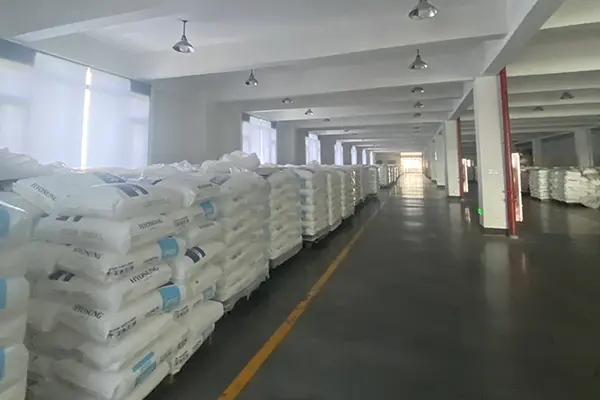
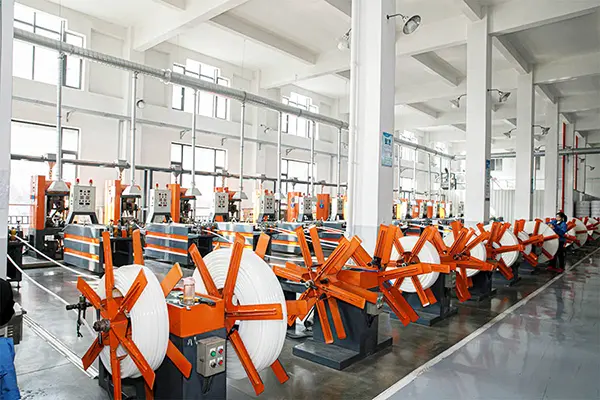
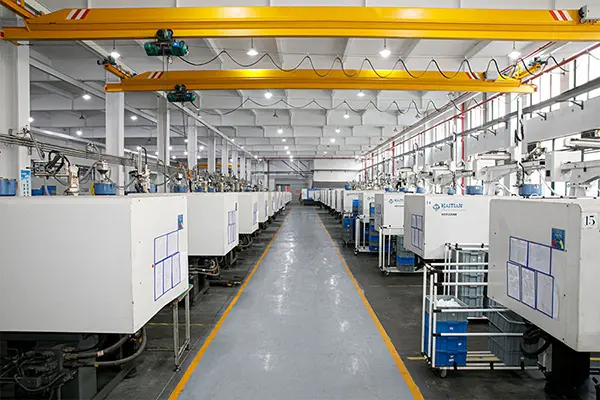
To guarantee excellent structural properties, durability, and safety, MINDE utilizes premium imported raw materials. Our manufacturing base covers more than 90,000 square meters, staffed by more than 200 skilled operators and technical engineers. Our infrastructure contains 45 specialized pipe production lines and 85 precision injection molding machines, enabling us to handle massive volume orders with consistent precision.
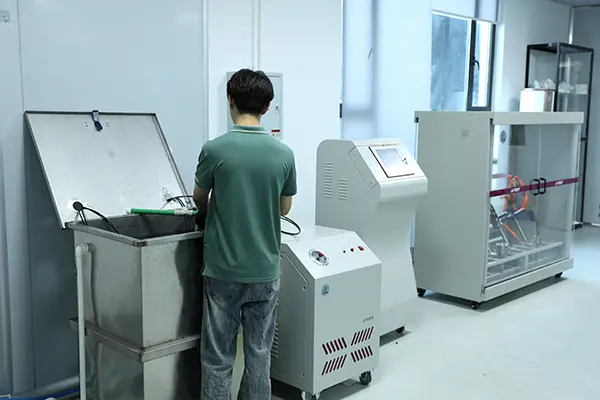
Quality control forms the core of our brand identity. We enforce three independent inspection points (Raw Material Inspection, Process Inspection, and Product Final Sampling Inspection) utilizing advanced diagnostic lab equipment to verify that 100% of finished products meet international quality standards.
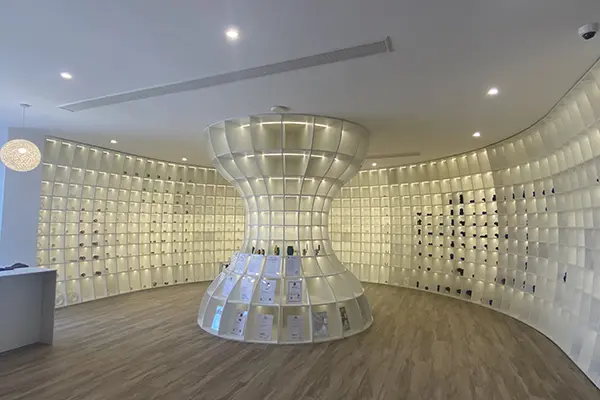
Engineered to satisfy demanding regulatory requirements in global markets.
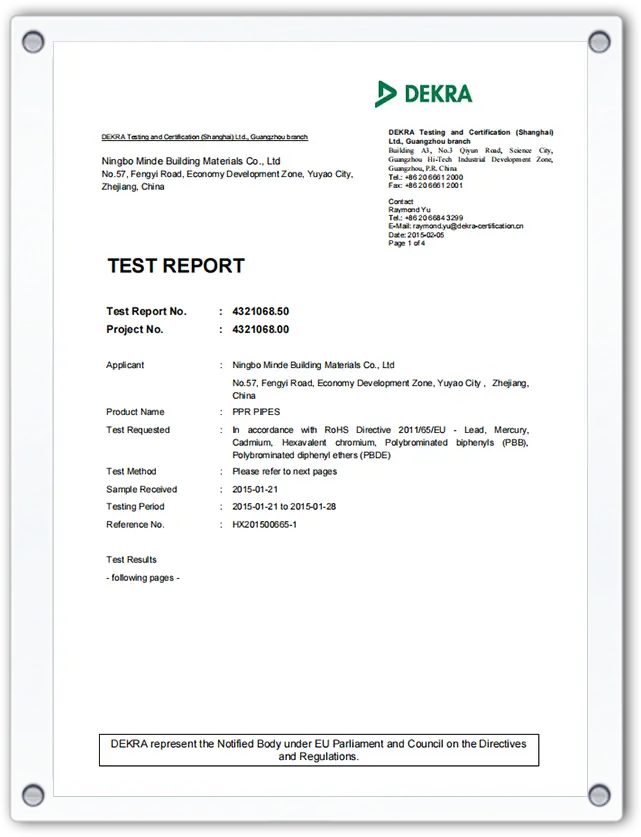
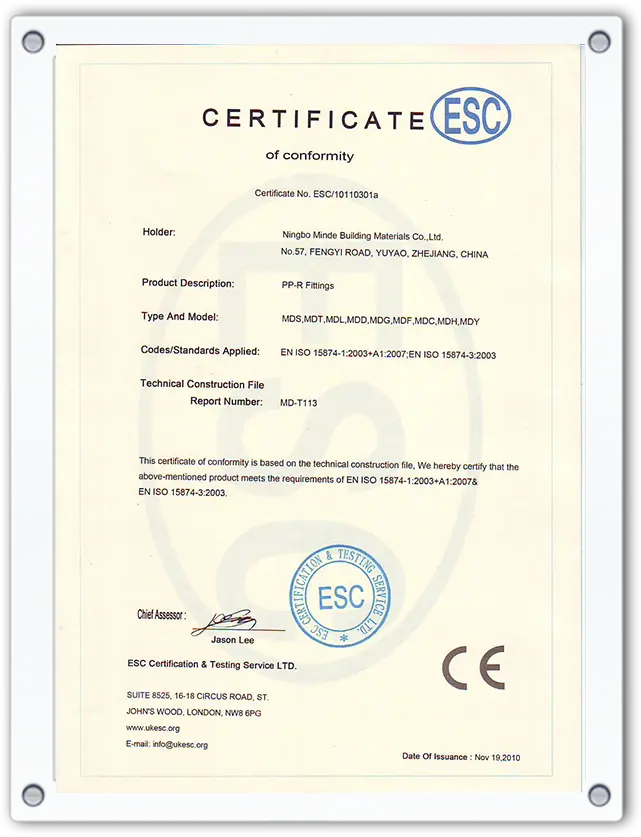
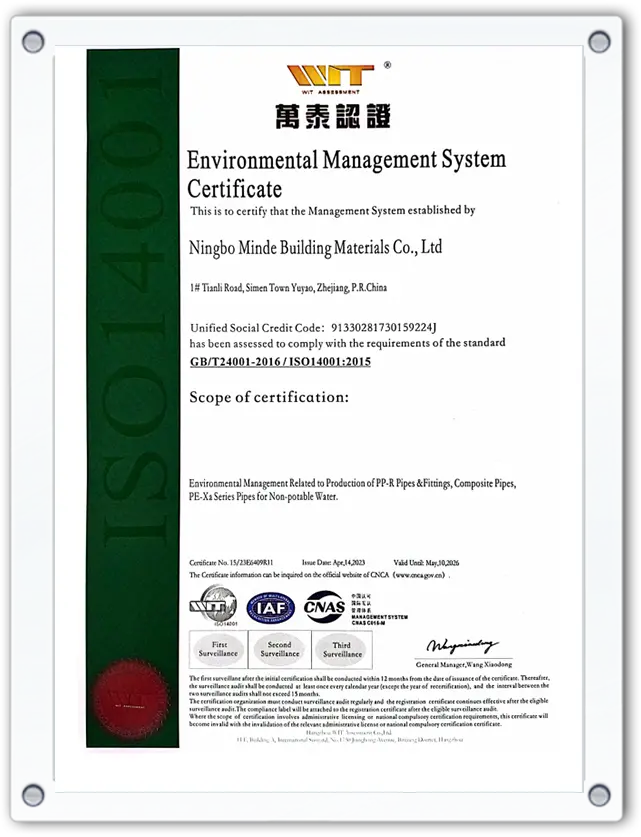
By prioritizing quality management, Minde has achieved comprehensive certifications, including ISO9001:2022, ISO14001, CE, British WRAS, and Russian GOST. Our products are exported to more than 50 countries, including Russia, Ukraine, Southeast Asia, South America, and the Middle East.
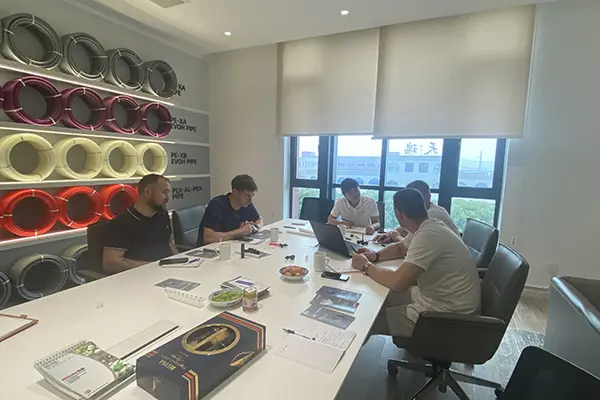
We welcome B2B partners worldwide. Operating on the core values of INNOVATION, QUALITY, COMPETITIVE PRICE, and SERVICE, we support our clients with dedicated engineering resources, structural mold manufacturing capabilities, and rapid custom prototype development.
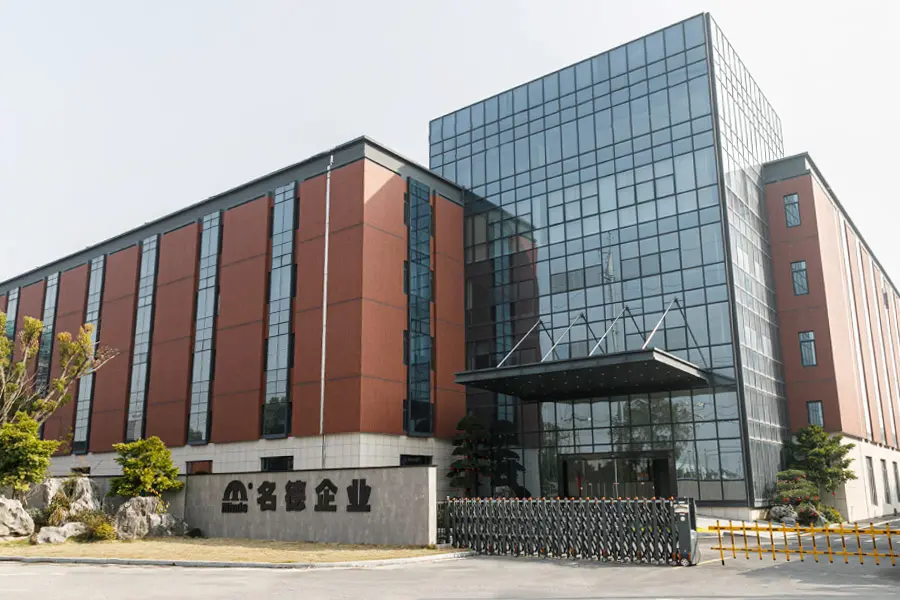
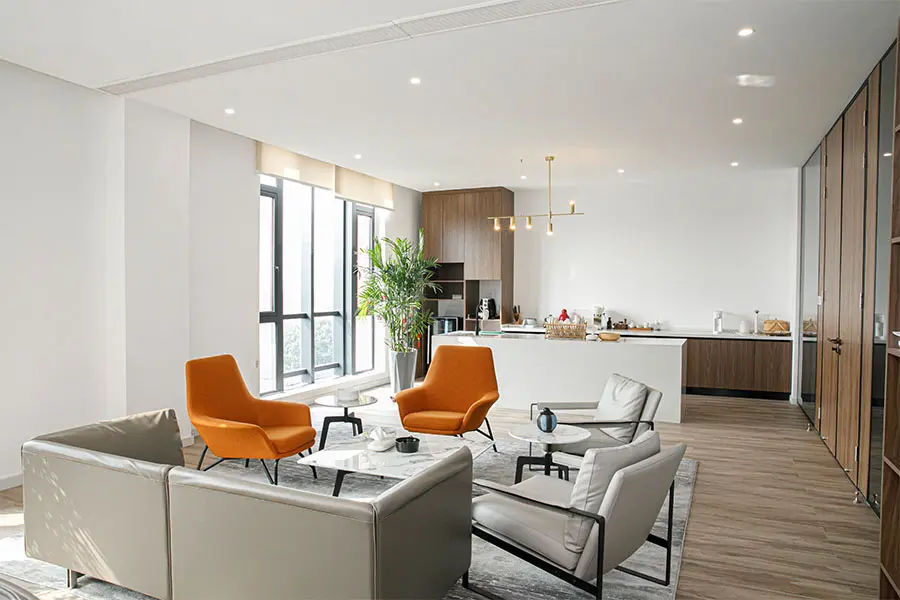
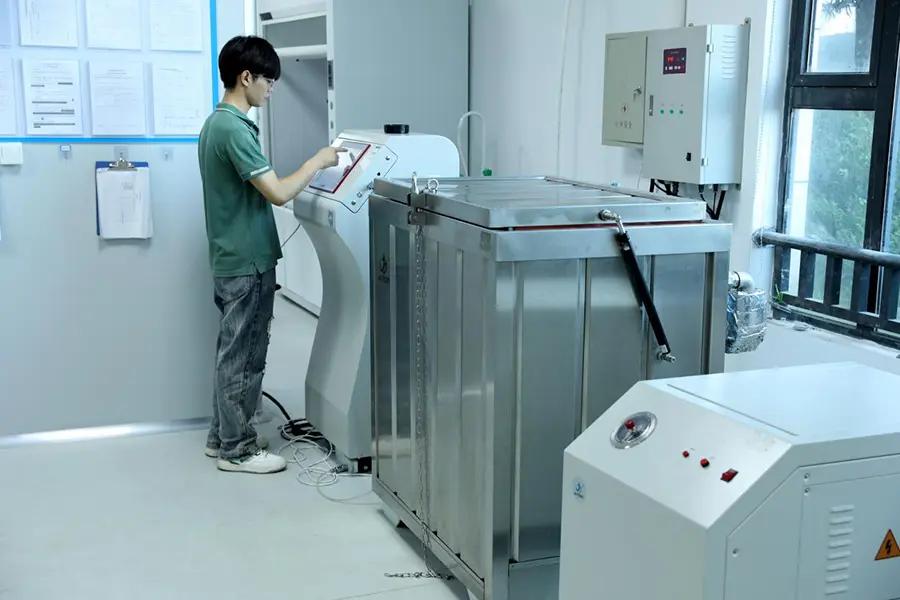
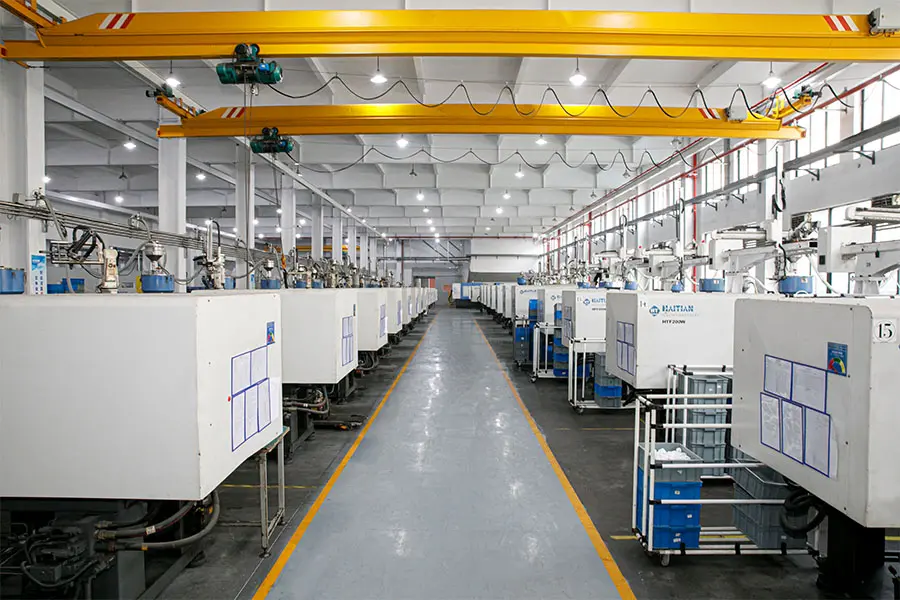
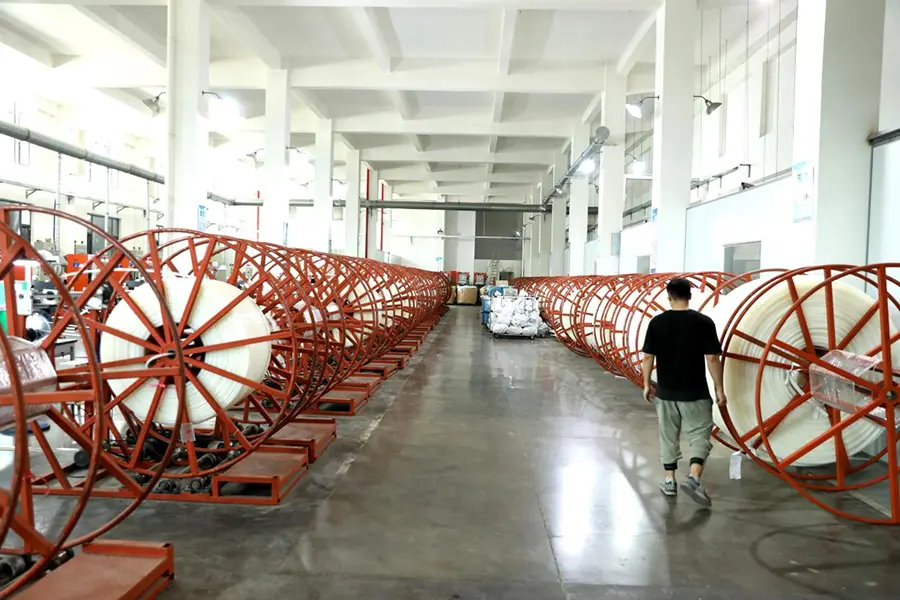
Our structural components and fluid control systems are deployed across diverse sectors.
Detailed engineering answers to assist sourcing agents, design engineers, and global procurement teams.
Explore our full range of certified high-pressure compression fittings and system-compatible accessories.
 Minde
Minde