High-precision PP compression fittings and advanced polymer adapters, rigorously certified for global plumbing, municipal distribution, and agricultural operations.
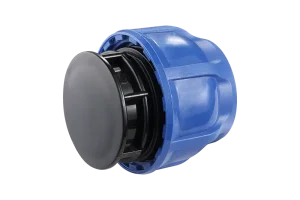
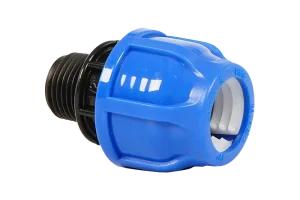
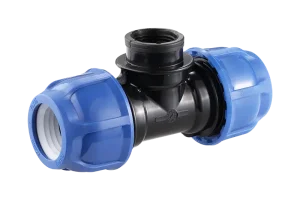
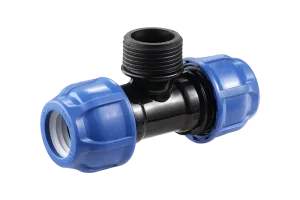
The contemporary global market for fluid management and high-performance agricultural systems relies heavily on advanced polymer connections. In structural irrigation infrastructure, adapters serve as critical junctions regulating flow stability, structural adaptation, and pressure integrity under variable environmental conditions. Rapid global population growth, combined with shifting meteorological patterns and localized aquifer depletion, has accelerated the commercial adoption of micro-irrigation, drip distribution networks, and sophisticated agricultural watering matrices.
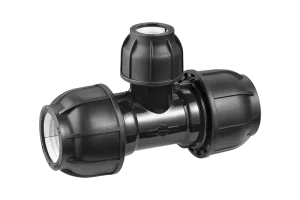
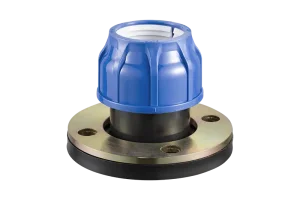
Modern irrigation environments demand robust systems capable of adjusting to varied topological configurations. Standard pipeline networks cannot scale without custom configurations, requiring specialized transition unions like PP compression couplers, reducing tees, and flange-to-metal adapters. Regionally, the demand varies: the Americas focus heavily on large-scale mechanical center-pivot modifications and heavy-duty drip lines, requiring specialized PN16 rated configurations. Meanwhile, the Asia-Pacific region, led by modernizing agricultural schemes in India and China, is rapidly transitioning toward smart greenhouse environments where small-diameter, highly flexible polymer adapters are vital.
"Global infrastructure modernization has transformed irrigation adapters from low-tech pipe connections to precision fluid control assets capable of reducing thermal mechanical stress and eliminating localized joint failure."
Furthermore, European nations, governed by stringent drinking water and agricultural chemical guidelines, prioritize material certification, pushing demand for adapters that carry WRAS (Water Regulations Approval Scheme) and CE designations. Industrial applications outside agriculture, such as municipal potable water networks, mining sludge transport, and civil sub-floor radiant heating systems, further demonstrate the versatility of these connection mechanisms. In these environments, material degradation represents a significant liability risk, making the selection of certified primary polymer materials a critical procurement metric.
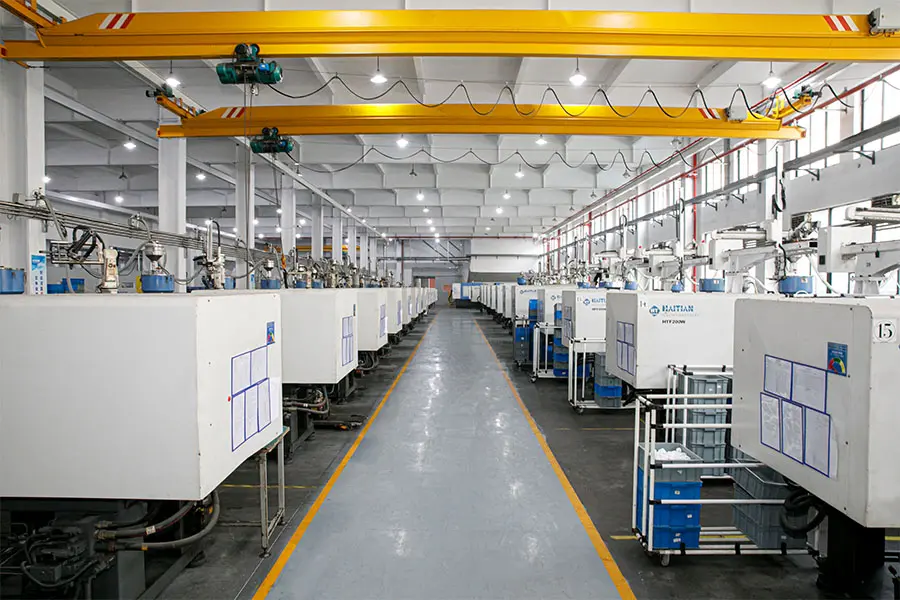
Optimized industrial output powered by high-precision machinery, automated material feeds, and systematic quality assurance protocols.
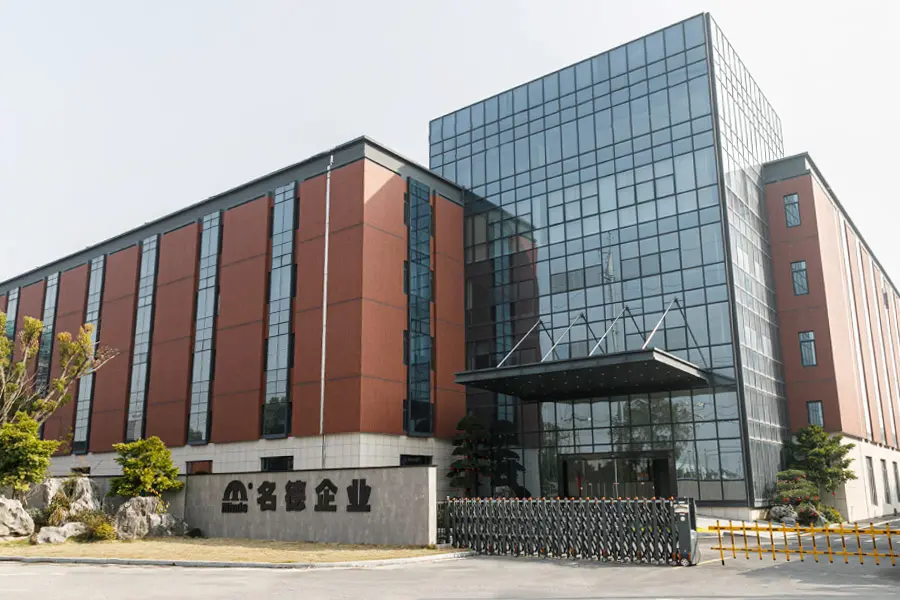
Located in the industrial hub of Ningbo, Zhejiang Province, Ningbo Minde Building Materials Co., LTD. leverages China's industrial clustering benefits. The regional manufacturing ecosystem integrates raw material synthesis, mold design, injection molding optimization, and deepwater logistics through the Port of Ningbo-Zhoushan. This proximity reduces overland transport times and optimizes container shipping to global destinations.
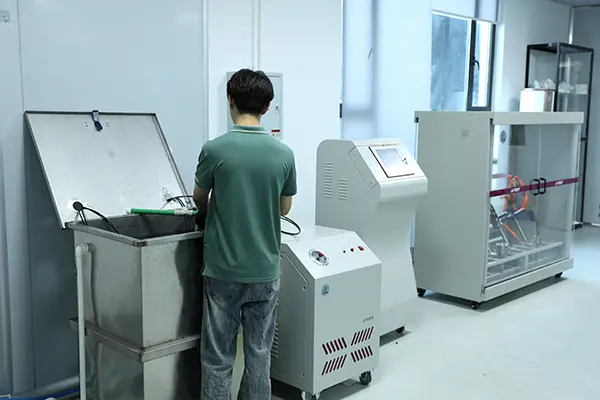
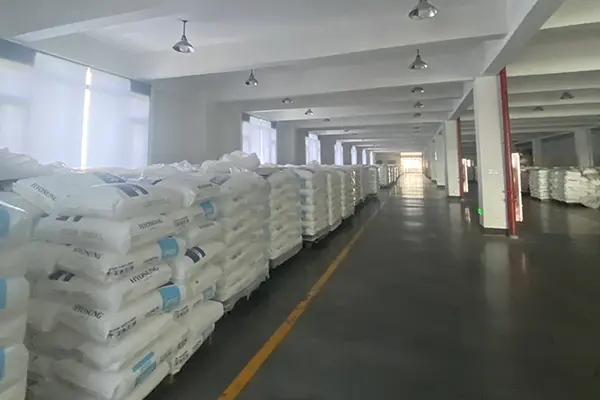
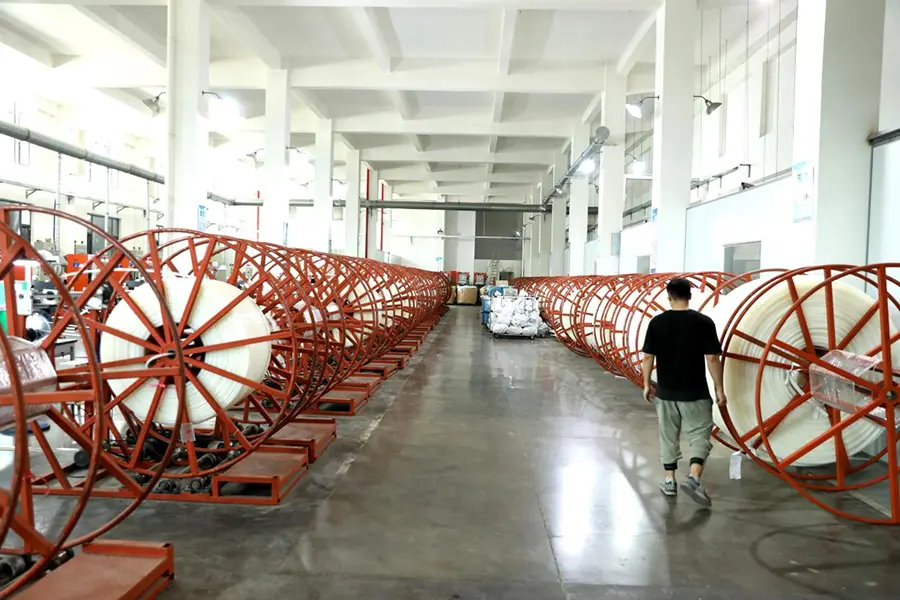
The efficiency of a modern plastic molding facility is determined by its automated material handling and processing consistency. Our 90,000+ square meter manufacturing facility houses 45 state-of-the-art automated pipe extrusion lines and 85 high-tonnage precision injection molding machines. Together, they are supported by a fully integrated pneumatic raw material feeding system. This layout ensures raw material mixes remain contaminant-free, preventing batch variance and mechanical inconsistencies. By avoiding recycled materials and using only imported virgin polymers, Minde ensures every PP compression fitting, PPR pipe, and PPSU adapter exceeds standard functional lifespans under thermal and physical stress.
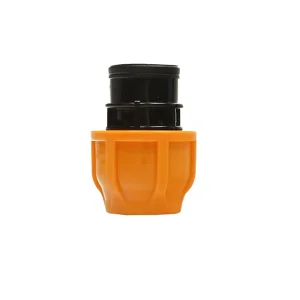
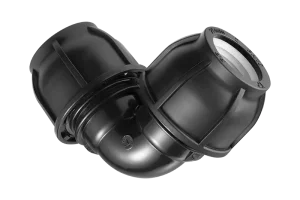
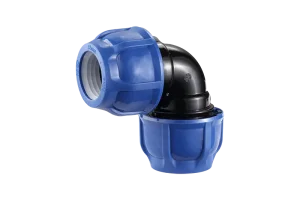
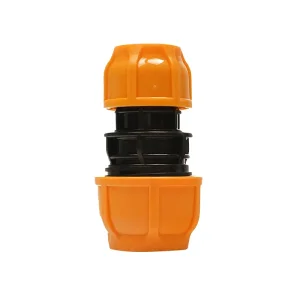
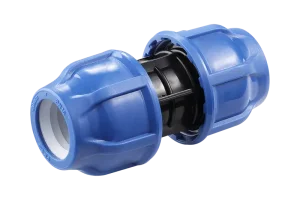
The structural reliability of high-density polyethylene (HDPE) connections depends heavily on the mechanical design of the compression joint. PP compression fittings operate through a mechanical interference seal. This configuration utilizes a high-torque outer nut, a polyacetal (POM) split ring (clinching ring), an NBR70 or EPDM profile gasket, and a polypropylene block-copolymer body. As the nut is tightened onto the male threads of the fitting body, it forces the split ring inwards, gripping the external surface of the HDPE pipe. Concurrently, the compression ring forces the elastomeric gasket into the annular space between the pipe and the fitting socket, establishing a leak-proof seal.
In municipal and agricultural engineering networks, fittings are divided into distinct pressure rating (PN) levels:
| Pressure Rating | Max Operating Pressure (at 20°C) | Primary Material Configuration | Typical Application Scenarios |
|---|---|---|---|
| PN10 Series | 1.0 MPa / 10 Bar / 145 PSI | Polypropylene Copolymer (PP-B) | Low-pressure agricultural distribution, micro-irrigation lines, temporary surface piping. |
| PN16 Series | 1.6 MPa / 16 Bar / 232 PSI | Premium High-Impact PP-B | Municipal mainlines, deep-well pump connections, industrial process fluid pipelines. |
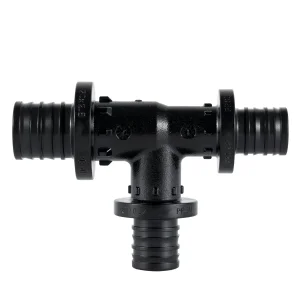
| PPSU Series | 2.5 MPa / 25 Bar / 362 PSI | Polyphenylsulfone (PPSU) | Radiant floor heating distribution, high-temperature domestic hydronic plumbing (PEXa networks). |
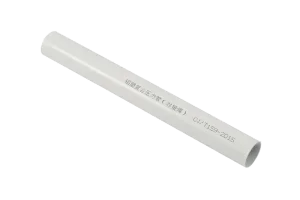
| PPR S5/S4 Series | 1.25 to 2.0 MPa | PP-Random (PPR Type 3) | Hot and cold potable water, building riser pipe manifolds (-10°C to 50°C). |
Ningbo Minde's engineering standard incorporates strict physical tests to prevent common failure modes like environmental stress cracking (ESCR), pull-out failure under axial load, and pressure spikes. Raw polypropylene resin must display appropriate melt flow rates (MFR) and thermal stability values to ensure uniform wall thicknesses during automated molding cycles. Furthermore, for underfloor radiant networks and high-temperature risers, the transition to Polyphenylsulfone (PPSU) and composite Pex-Al-Pex systems offers high chemical resistance, retaining shape and strength at temperatures up to 95°C without leaking.
Exploring how advanced fluid connections perform across agricultural, municipal, and residential heating environments.
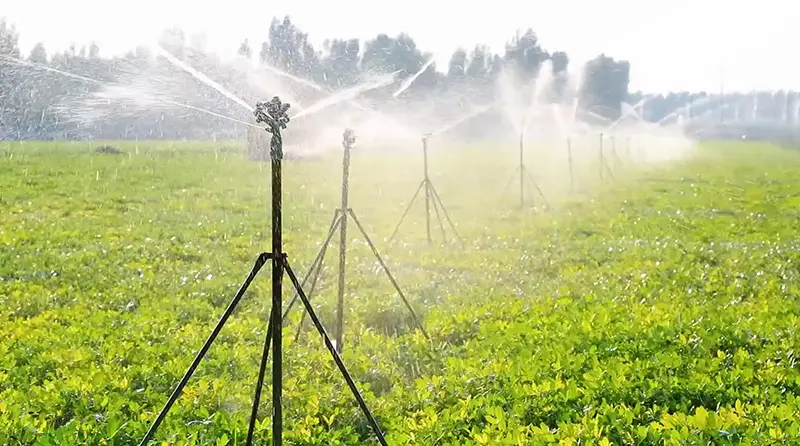
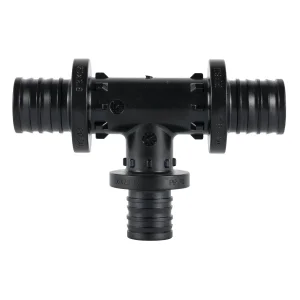
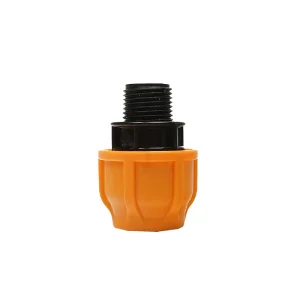
Modern commercial farming demands water delivery systems that resist UV radiation, fertilizers, and acidic soil conditions. Minde's PP compression reducing tees, 90-degree elbows, and male thread couplings allow rapid layout adjustments without requiring hot welding. This adaptability minimizes crop downtime and reduces field installation labor costs.
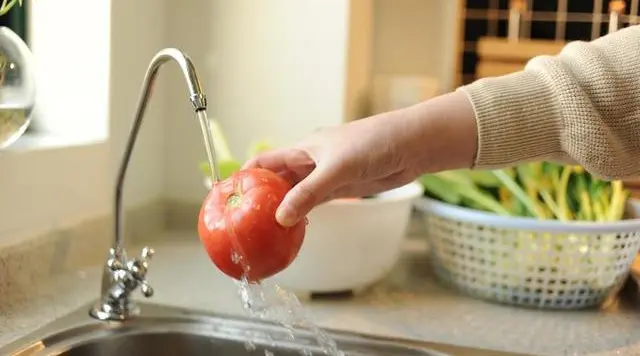
Potable water lines require materials that prevent bacterial growth, maintain mechanical seals under shifting ground loads, and carry safety certifications. Utilizing Minde’s WRAS-compliant compression adapters, municipalities install secure connections that prevent heavy metals from leaching into water supplies.
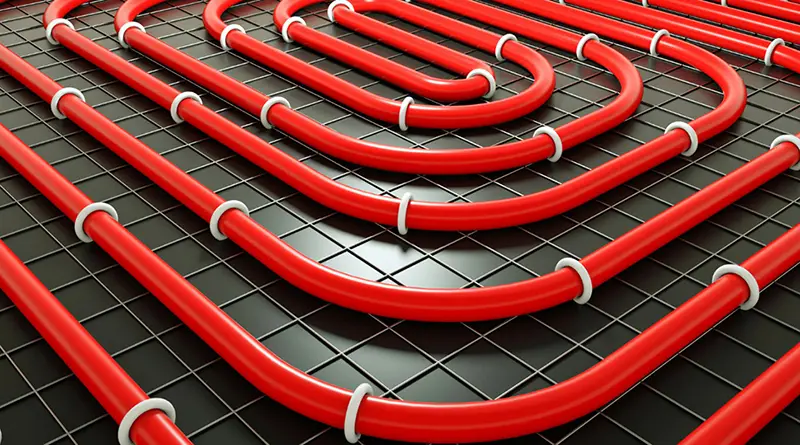
Radiant heating systems require continuous thermal integrity, calling for highly specialized cross-linked polyethylene (PEXa) pipes and robust PPSU equal tees. Operating in enclosed concrete floors, these connection systems must remain maintenance-free for decades under constant hot water circulation.
For B2B procurement managers, sourcing custom irrigation adapters requires balancing unit cost, product reliability, and regulatory compliance. Substandard fittings can lead to joint separations, crop losses, and system downtime, highlighting the importance of strict sourcing standards. Engineering departments evaluating potential manufacturing partners must review quality control processes at three key stages: raw material inspection, online process validation, and final product load testing.
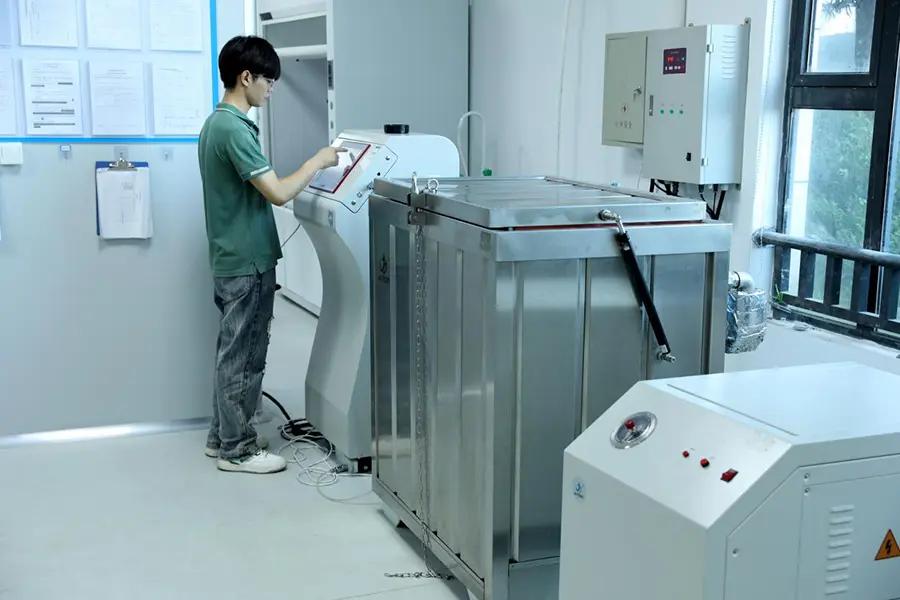
During material sourcing, buyers should request proof of virgin polymer composition. Re-granulated or recycled plastics often contain micro-impurities that lead to internal voiding and structural failure under load. In-process inspection protocols must verify dimensional compliance with standards like ISO 17885 and EN 12201 using automated laser sizing systems. At the packaging stage, batch samples should undergo long-term hydrostatic testing, resisting up to 3 times the rated operating pressure (e.g., 48 bar for PN16 series) for over 1,000 hours to confirm the system's structural integrity.
"Quality assurance cannot be limited to final inspections. It must be built into every step of the process—from verifying the moisture content of incoming raw resin to validating the torque settings on injection molding lines."
Furthermore, sourcing managers should verify that potential manufacturers hold recognized certifications like ISO9001:2022, ISO14001, CE, British WRAS, and Russian GOST. These certifications simplify customs clearing, ensure local compliance, and reduce product liability risks. Establishing structured contracts with transparent lead times, prototype verification phases, and established minimum order quantities (MOQs) helps secure long-term component supply chains.
Our commitment to global standards is backed by strict compliance and quality audits.
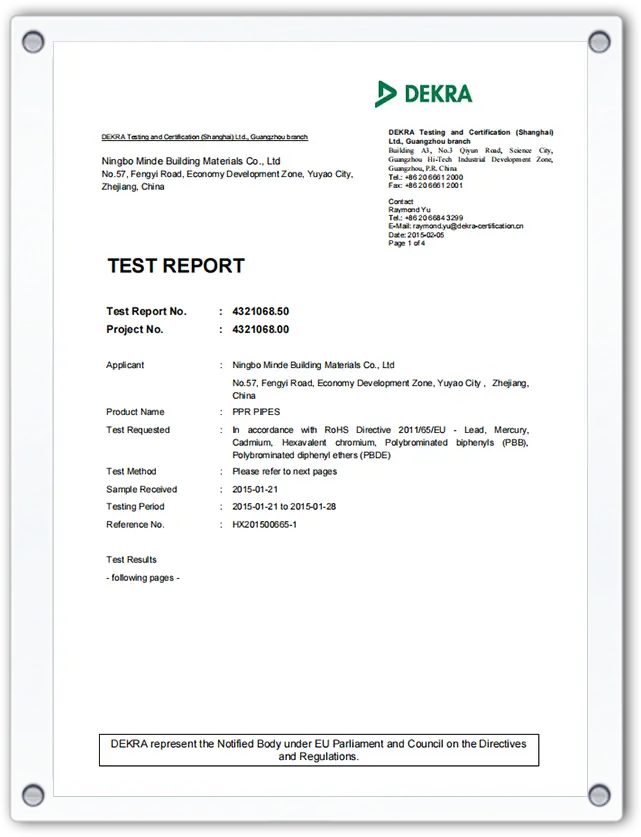
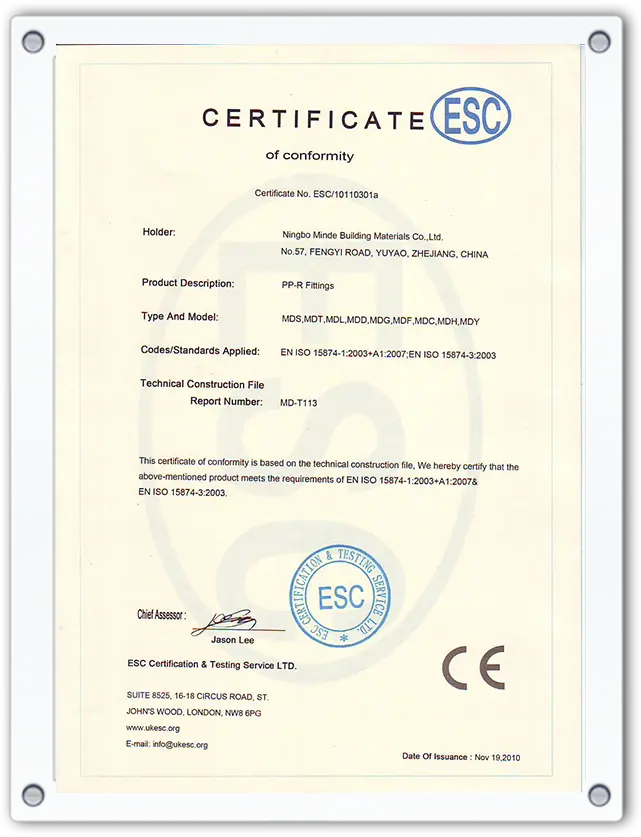
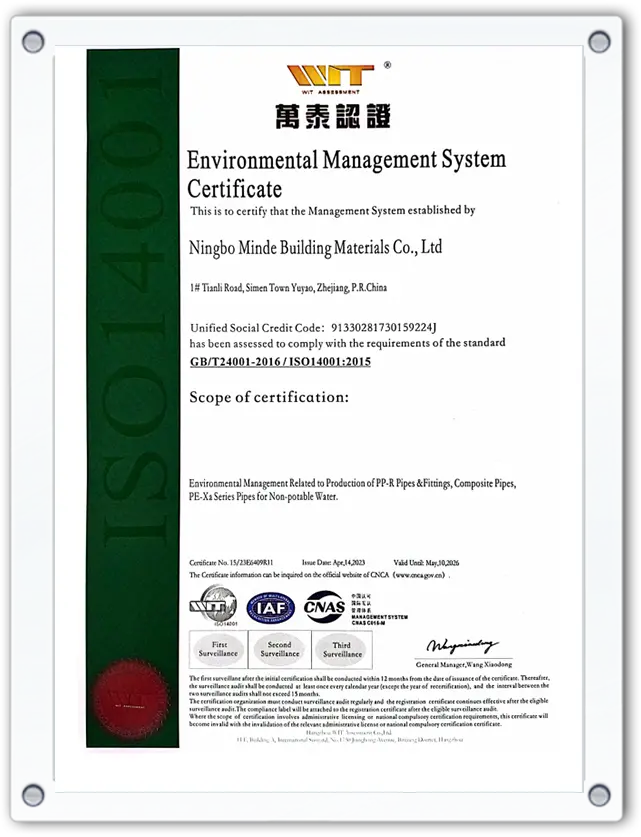
Through consistent quality standards, Ningbo Minde exports its products to over 50 countries, including Russia, Ukraine, Southeast Asia, South America, and the Middle East. Our product engineering complies with standard global specifications, ensuring that Minde fittings can be integrated into existing infrastructure projects without compatibility issues.
We deliver value to our global clients through focused innovation, quality control, and responsive customer service.
We continuously invest in mold design and precision tooling to optimize production speeds and enhance the mechanical properties of our products.
We maintain ISO, CE, WRAS, and GOST certifications, backed by strict raw material testing, to deliver reliable piping products.
Located near the Port of Ningbo, we ensure timely container shipments and streamlined custom clearance for our international partners.

The agricultural sector is undergoing a rapid digital transition. Modern irrigation management relies on real-time data collection, including soil moisture analysis, evaporation rate calculations, and dynamic flow control. As a result, the hardware components of these networks—particularly pipeline connectors—must adapt. Tomorrow's irrigation networks require piping systems that integrate seamlessly with smart sensors and automated, solar-powered control valves.
Concurrently, there is a strong shift toward sustainable manufacturing. Multi-national agricultural projects increasingly select suppliers that utilize bio-based polymer resins or energy-efficient injection processes that reduce the overall carbon footprint of production. In urban and vertical farming systems, space constraints demand more compact, highly integrated adapters. Components like multi-port manifold valves and tool-free quick-connect compression fittings help reduce setup times and simplify maintenance in these tight spaces.
"The future of fluid control lies in the integration of smart systems. Physical piping networks are evolving into data-driven conduits that optimize water usage and support agricultural efficiency."
Additionally, advanced engineering focuses on improving plastic compounds to resist chemical fertilizers, pesticides, and extreme temperature fluctuations. Developing polymers that reduce friction loss and resist mineral scaling helps maintain system efficiency and extends the working life of municipal and agricultural water networks.
Essential technical information and purchasing guidance for engineering firms and distribution partners.
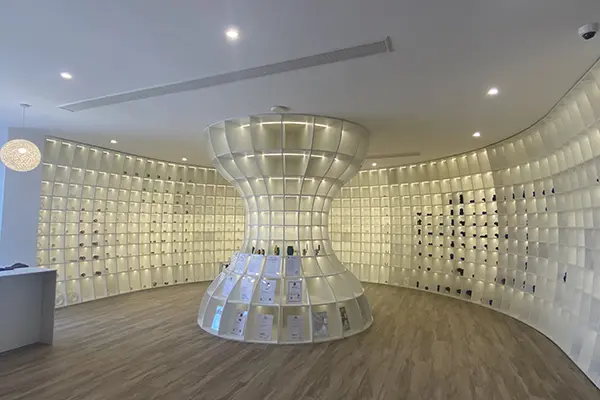
High-performance pipeline components, threaded couplings, and specialty floor heating adapters from our modern production facility.
 Minde
Minde