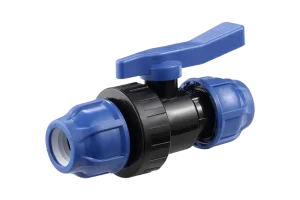
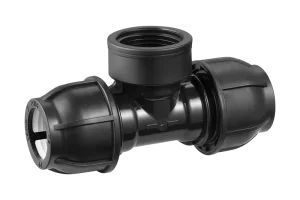
Explore our high-performance ODM / OEM PP compression valves, tees, and thermal piping units engineered for industrial and residential fluid transport networks.
Technical routing, market conditions, and mechanical standards driving modern plastic piping infrastructures.
In modern municipal planning, architectural construction, and high-efficiency agricultural networks, plastic piping and compression fittings have evolved from alternative materials to structural standards. The shift is driven by the intrinsic limits of conventional metal systems, which are vulnerable to corrosion, electrochemical decay, and scale accumulation. Structural plastic polymers—principally Polypropylene Random Copolymer (PPR), Polypropylene (PP), and Cross-linked Polyethylene with an Ethylene Vinyl Alcohol layer (PE-Xb EVOH)—form the core of modern fluid transportation. These systems combine high mechanical integrity with chemical inertness, satisfying long-term performance requirements for drinking water and high-pressure heating operations.
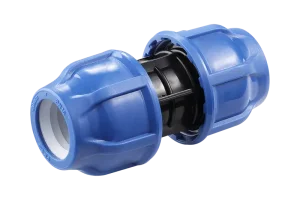
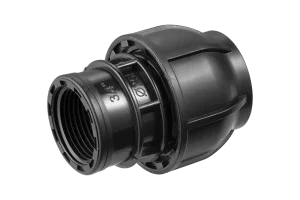
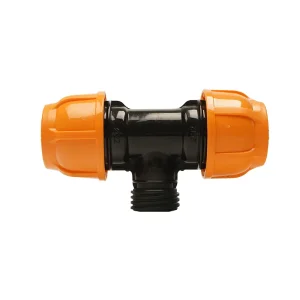
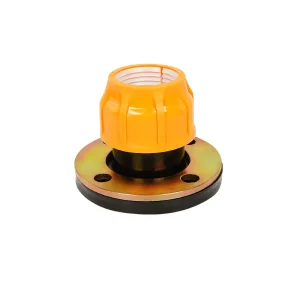
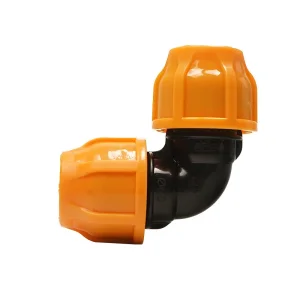
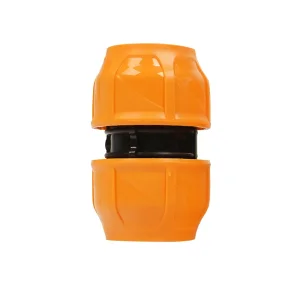
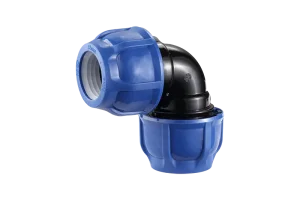
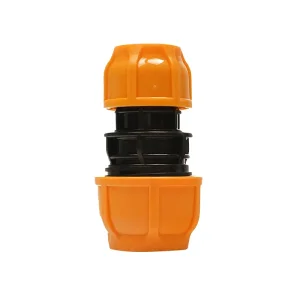
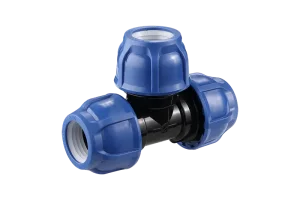
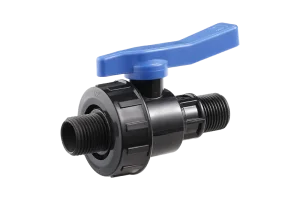
High-density polyethylene (HDPE) remains standard for municipal water transport and large-scale agricultural distribution. However, joining these systems requires specialized mechanical fittings. The Minde series of PP compression fittings, configured for PN10 and PN16 pressure ratings, serves this role. These fittings are rated to support structural integrity under significant working loads. They provide secure seals across municipal connections, industrial chemical transport, and residential plumbing circuits.
Specifying the correct piping components requires an understanding of polymer behavior. The table below outlines the mechanical and environmental parameters of the primary plastic materials produced by Ningbo Minde Building Materials Co., LTD.
| Polymer Variant | Standard Working Temperature Range | Pressure Ratings Available | Primary Application Profile | Key Chemical / Physical Advantage |
|---|---|---|---|---|
| PP Compression Fittings | -10°C to 45°C (Ambient Liquid) | PN10 (1.0 MPa) & PN16 (1.6 MPa) | HDPE Pipe Coupling, Agriculture & Municipal Systems | Fast mechanical connection; high impact resistance and UV stabilization. |
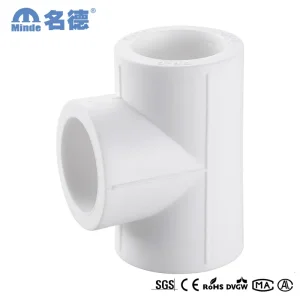
| PPR Pipes & Fittings | -10°C to 95°C | S5 to S2.5 (PN10 up to PN25) | Residential Hot & Cold Water Distribution | Low thermal conductivity; minimal friction loss; noise attenuation. |
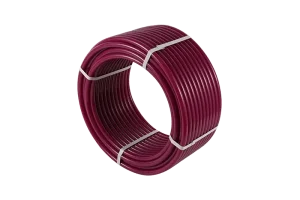
| PE-Xb EVOH Co-Extruded Pipes | -20°C to 95°C | S3.2 to S5 Series | Underfloor Radiant Heating & Cooling Systems | Multi-layer oxygen barrier layer preventing system component oxidation. |
Underfloor heating systems operate at elevated, fluctuating temperatures for decades, making component reliability critical. Standard cross-linked polyethylene (PE-Xb) is highly flexible and durable under thermal stress. However, at high temperatures, polyolefins are permeable to oxygen molecules. Dissolved oxygen in water circulation systems causes corrosion in ferrous components, such as manifold valves, pump impellers, and heat exchangers.
To address this, modern heating system designs specify PE-Xb EVOH pipes. The EVOH (Ethylene Vinyl Alcohol copolymer) layer is co-extruded as a protective barrier on the pipe wall. According to DIN 4726, this barrier reduces oxygen diffusion by over 99%. Keeping oxygen levels low protects the system's structural components, prevents rust and bio-sludge accumulation, and maintains heat transfer efficiency over the system's lifespan.
Over 20 years of manufacturing excellence in Zhejiang Province, China, supplying domestic water supply, agricultural, and heating systems.
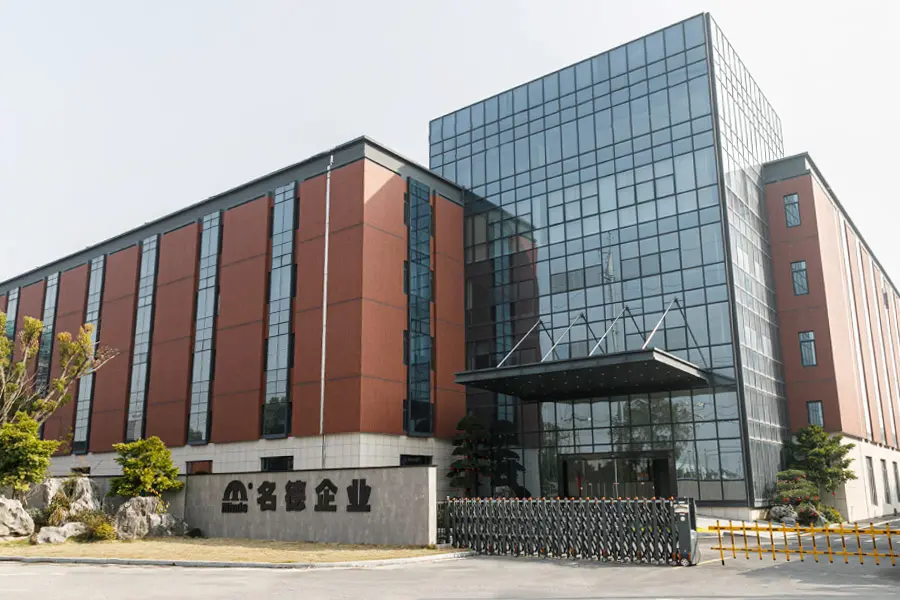
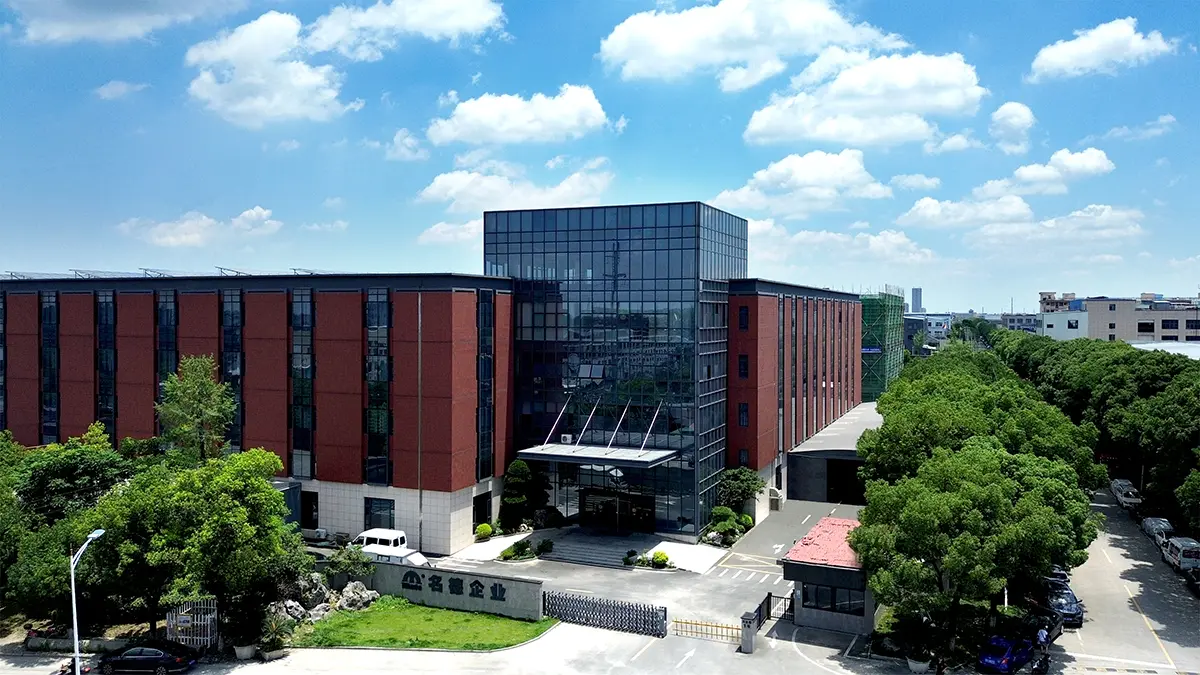
Ningbo Minde Building Materials Co., LTD., located in Zhejiang Province, China, has produced high-grade plastic pipes and matching connection systems for over 20 years. Spanning more than 90,000 square meters of production space, our facility handles large-scale OEM and ODM production runs for international clients.
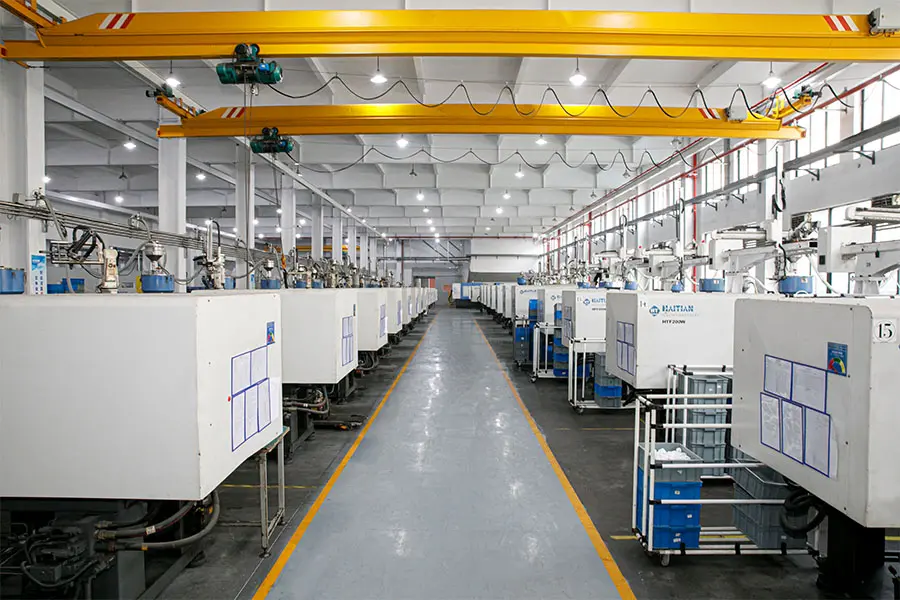
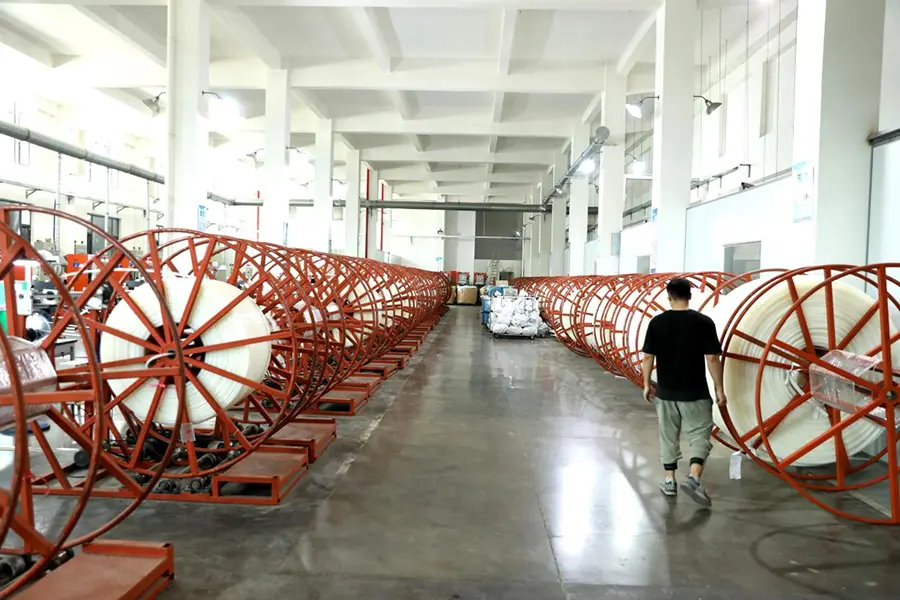
To ensure consistent material quality, Minde utilizes a fully integrated feeding system that processes premium imported raw materials. Our manufacturing floor operates 45 automated pipe extrusion lines and 85 precision injection molding machines. These systems are supported by automated control panels to maintain strict physical and dimensional tolerances for all products, from small elbow couplings to large-diameter distribution pipes.
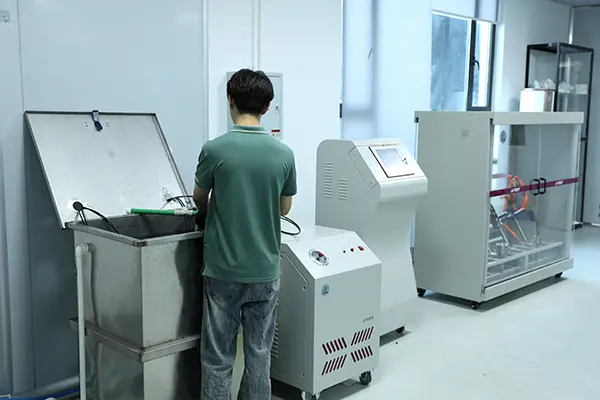
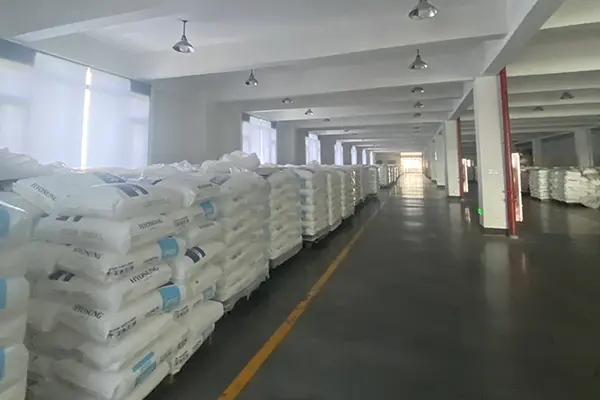
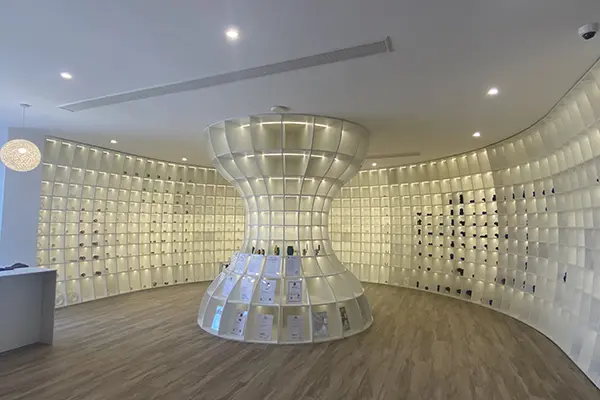
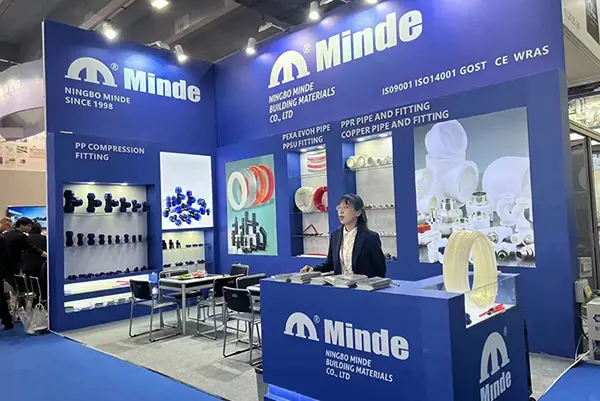
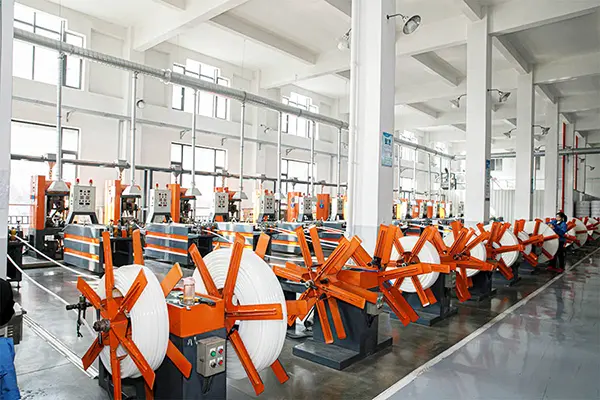
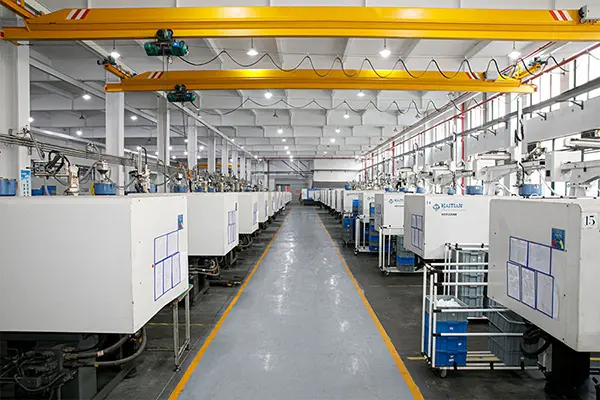
Minde Factory Operations: Standardization and High-Volume Output Capabilities (Ningbo, China)
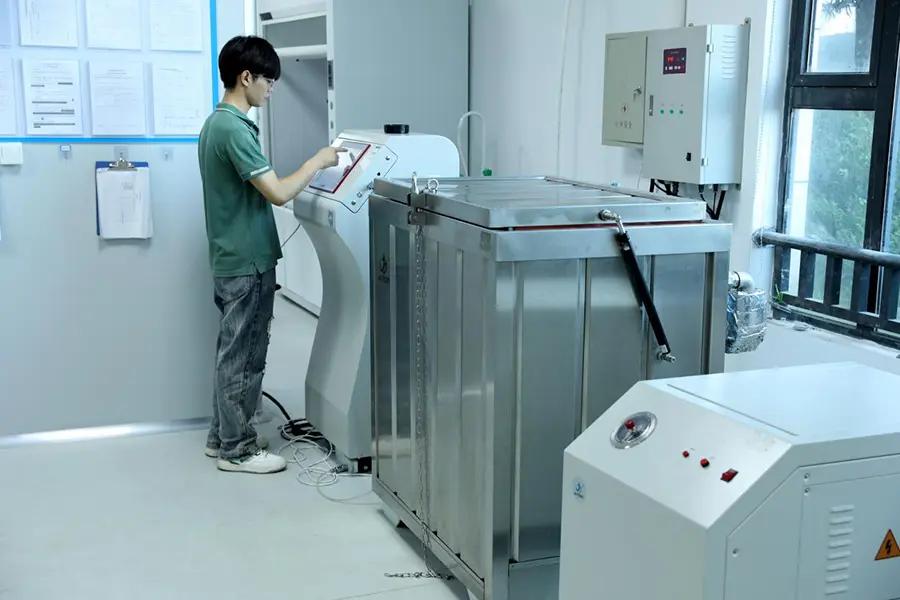
Our quality control system uses three independent inspection checkpoints to ensure product performance before shipment:
Navigating international certifications and providing robust logistics from the industrial core of Ningbo Port.
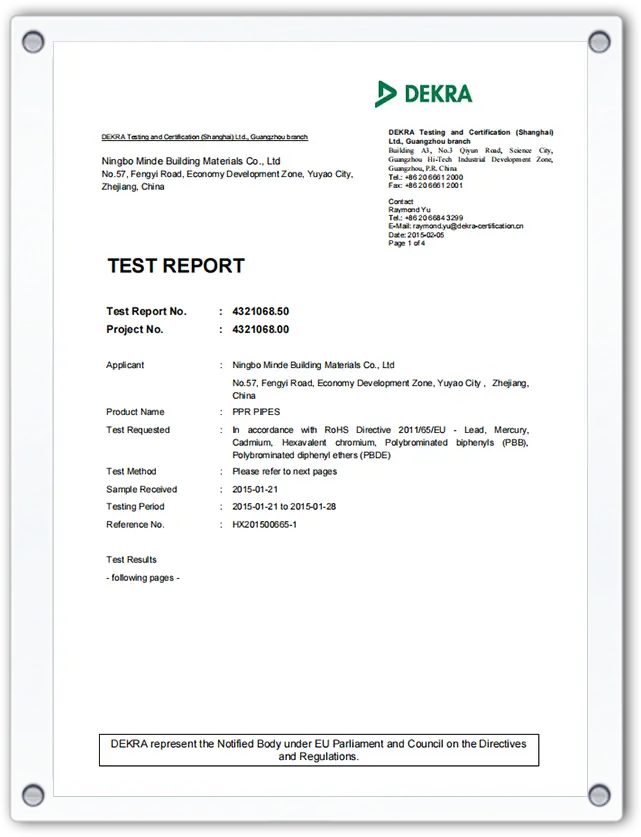
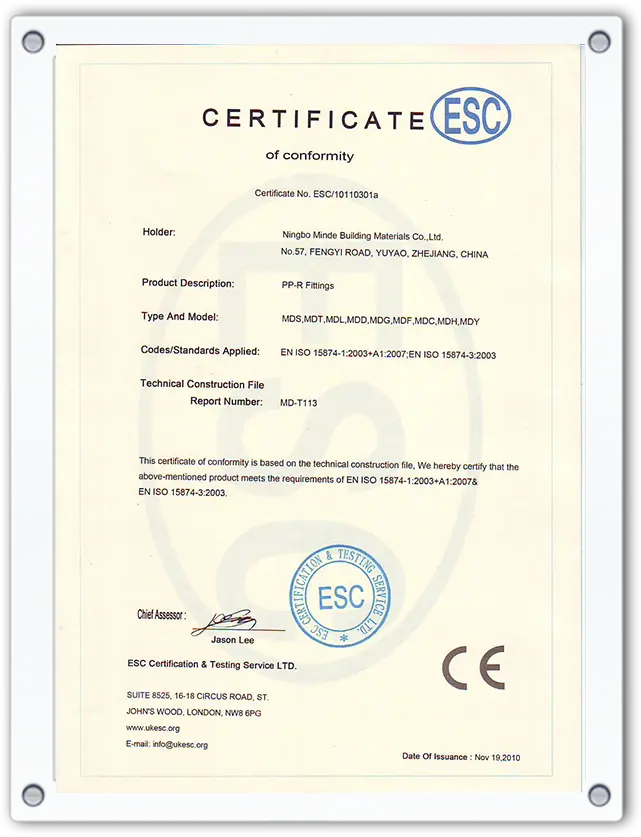
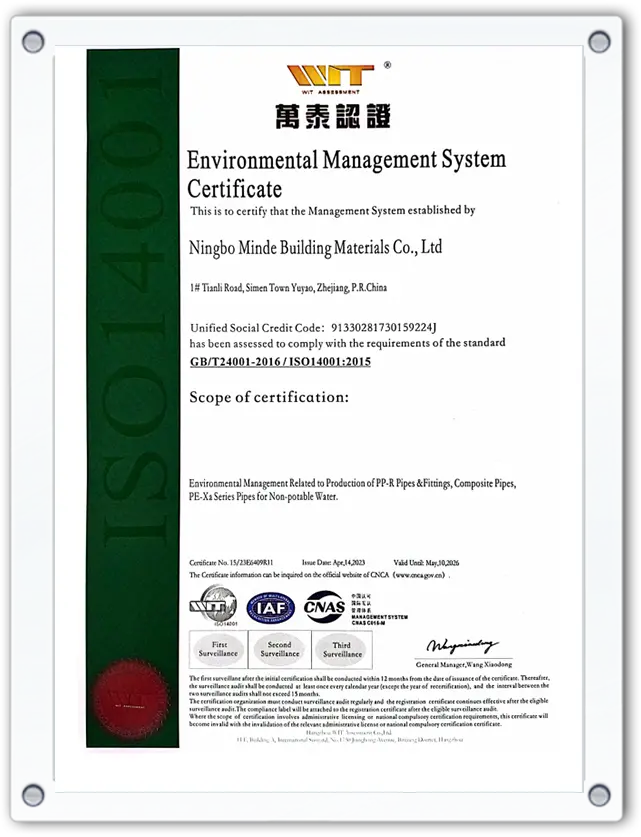
Minde materials comply with major global regulatory frameworks. Our products carry ISO9001:2022 quality management system, ISO14001 environmental management system, CE certification, British WRAS certification for drinking water applications, and Russian GOST standards. These credentials ensure smooth entry into European, Eurasian, and Middle Eastern markets.
Different regions have distinct plumbing requirements. For northern Europe and Russia, we formulate our PP compounds to resist low-temperature brittleness, maintaining impact strength in sub-zero environments. For South America and the Middle East, our materials are compounded with high concentrations of carbon black and UV stabilizers to prevent degradation from sun exposure.
Ningbo's deep-water port infrastructure supports reliable global logistics. Minde coordinates raw material procurement and container shipping routes to minimize delays. By utilizing local polymer producers and direct shipping lines, we buffer against global logistics disruptions and provide stable pricing for contract customers.
MINDE welcomes business partners from across the globe. Guided by our principles of Innovation, Quality, Price, and Service, we develop international markets through reliable products backed by strong technical support. We serve customers in over 50 countries with cost-effective, high-performing pipeline components.
Our project support team provides documentation, technical datasheets, and custom manufacturing solutions. Whether you are stocking regional warehouses or supplying large-scale agricultural installations, our sales team coordinates orders from initial deposit to final custom clearance.
How Minde polymer pipe architectures perform in civil engineering, agricultural irrigation, and underfloor heating setups.
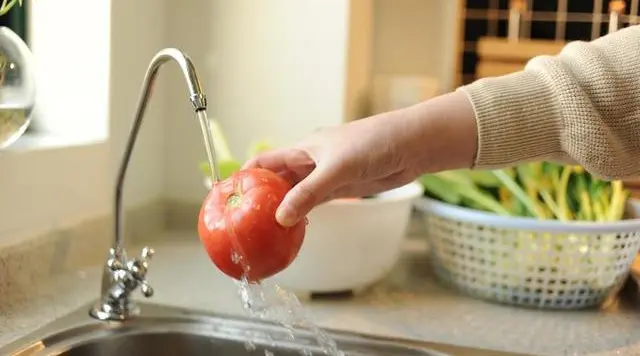
Potable water transport requires systems that prevent contamination and maintain pressure. Minde's PPR systems are chemically inert, preventing the leaching of heavy metals or polymer compounds into drinking water. They meet global hygienic requirements, and their smooth interior surfaces minimize friction losses, keeping energy costs low across municipal networks.
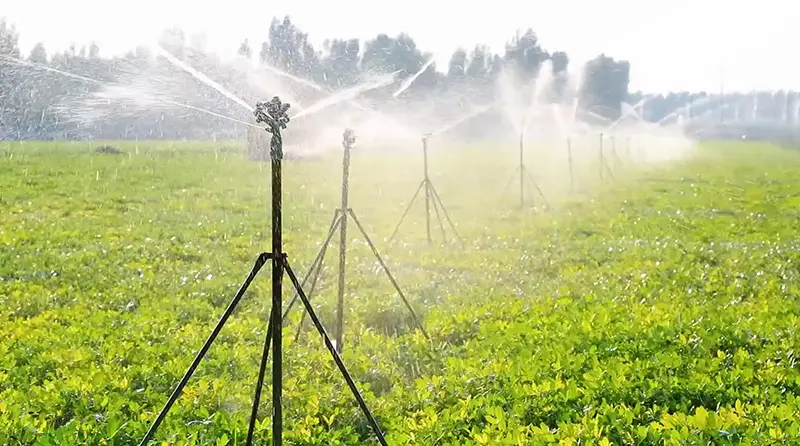
Large-scale farming operations use extensive HDPE networks that experience constant UV exposure, mechanical stress, and soil movement. Our PP compression fittings allow field technicians to make reliable connections without electric power or fusion welding. They withstand fertilizer solutions, acidic water, and shifting soil conditions.
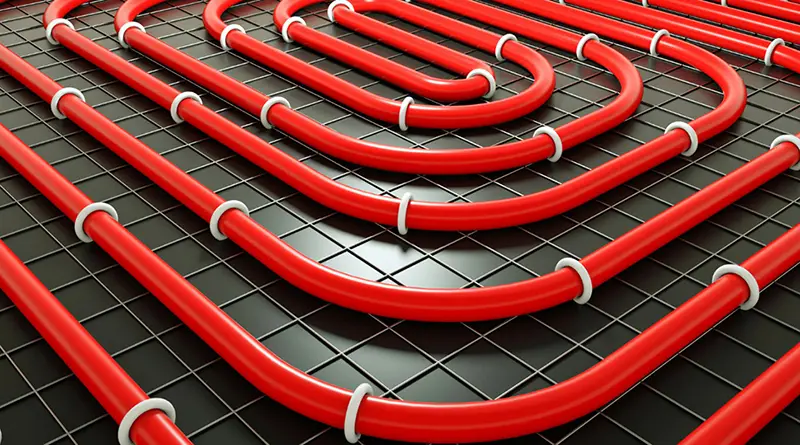
Minde's PE-Xb EVOH multi-layer pipe system provides thermal insulation and consistent radiant heating for residential and commercial spaces. Co-extruded to prevent oxygen diffusion, this system protects boiler circuits and metallic manifolds from corrosion. Its flexibility makes it easy to install in dense floor loops.
Direct answers from Minde's engineering and logistics departments regarding performance, ordering, and installation.
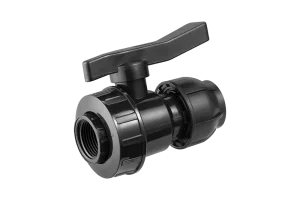
Explore the remainder of our catalog, including heavy-duty elbows, end caps, and high-temperature PPR distribution pipelines.
Standard specifications and mechanical properties for engineers, procurement directors, and system installers.
In municipal and industrial piping systems, long-term performance is verified by testing raw materials under constant pressure. The Minde laboratory tracks parameters such as hoop stress resistance and density deviation. Below is the technical specification table detailing the performance metrics of our primary piping products.
| Physical Property / Metric | PP Compression Fittings (PN16) | PPR Pipe Systems (S3.2/PN16) | PE-Xb EVOH Heating Pipes |
|---|---|---|---|
| Density (g/cm³) | 0.90 – 0.91 (High-grade PP copolymer) | 0.89 – 0.90 (Random copolymer resin) | 0.94 – 0.95 (Cross-linked matrix base) |
| Thermal Conductivity (W/m·K) | ~ 0.22 (Low heat dissipation) | 0.24 (Ideal thermal insulation) | 0.38 (High conductivity for floor heating) |
| Hydraulic Pressure Limit (at 20°C) | Up to 2.4 MPa (Test condition) | Up to 3.2 MPa (Burst threshold) | Up to 3.0 MPa (Failure envelope) |
| Elongation at Break (%) | > 400% | > 500% | > 350% |
| Standard Compliance | ISO 17885, EN 12201-5 | DIN 8077/8078, EN ISO 15874 | DIN 4726 (Oxygen permeability compliance) |
The plastic piping industry is evolving towards smart monitoring and reduced carbon footprints. Minde is exploring biosourced polymers to lower environmental impact while maintaining product strength. Additionally, our R&D team is researching integrated smart sensors for pipeline joints to monitor real-time pressure, temperature, and leakage, facilitating preventative maintenance in municipal water systems.
 Minde
Minde