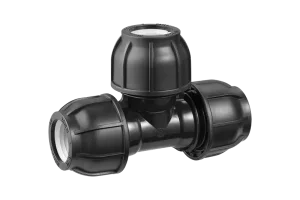
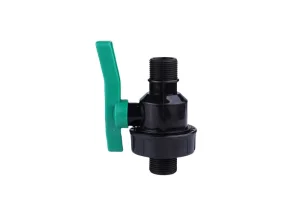
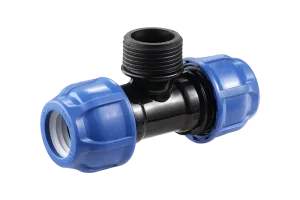
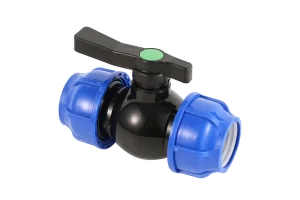
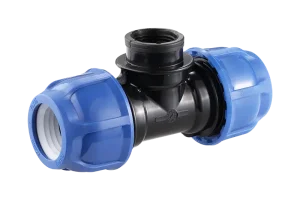
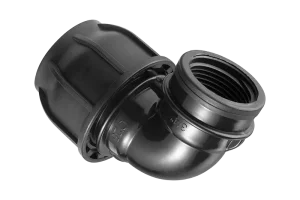
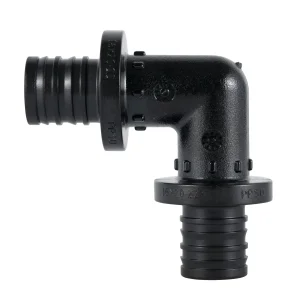
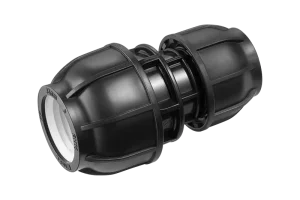
Engineered to PN16 industrial benchmarks, ensuring leak-free integration for municipal, agricultural, and high-temperature floor heating infrastructures.
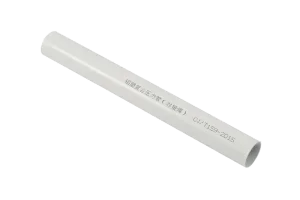
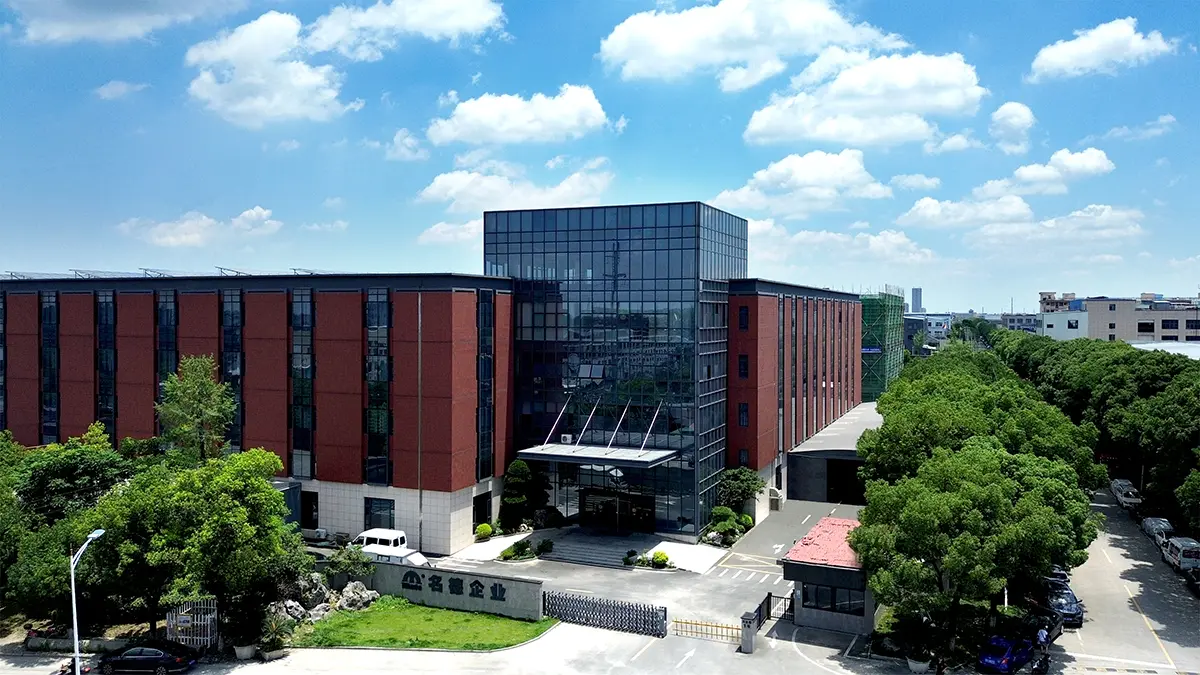
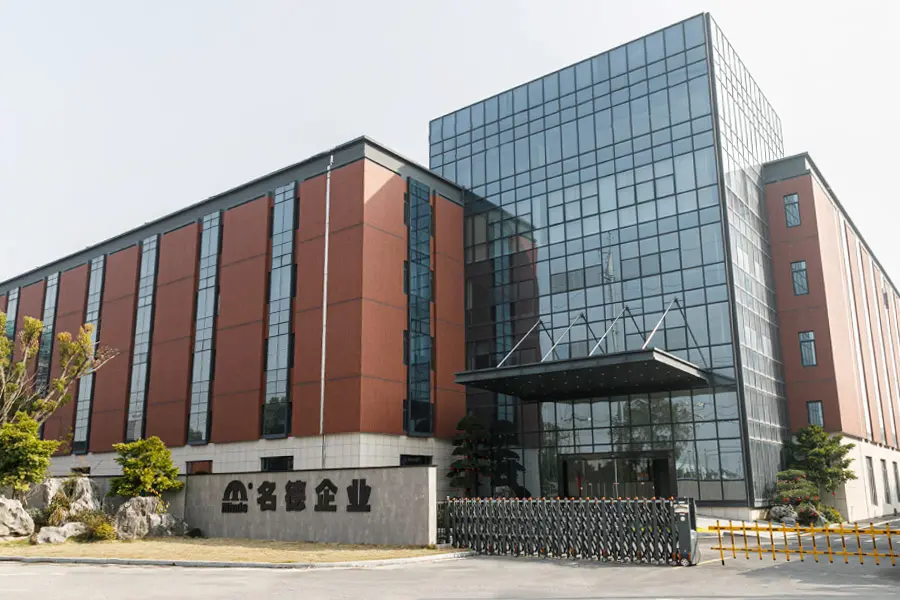
We are Ningbo Minde Building Materials Co., LTD., based in Zhejiang Province, China. We are a premier factory specializing in the design, engineering, and mass production of plastic pipes and premium matched fittings. Our comprehensive ranges are deployed extensively across residential potable water supply systems, modern agricultural drip irrigation schemes, and high-efficiency hydronic underfloor heating infrastructures. Backed by over 20 years of technical expertise in this domain, we deliver robust piping solutions that secure structural integrity, prevent chemical corrosion, and sustain long-term pressure capabilities under demanding environments.
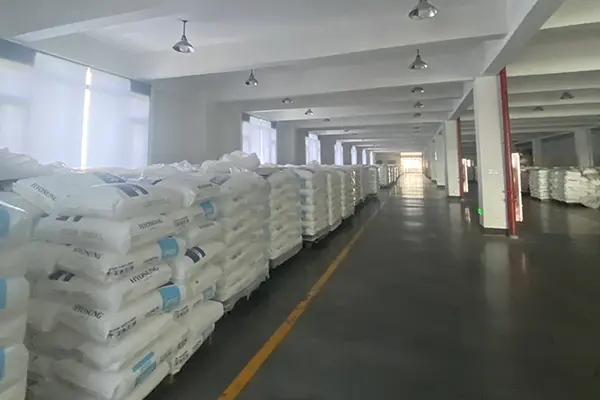
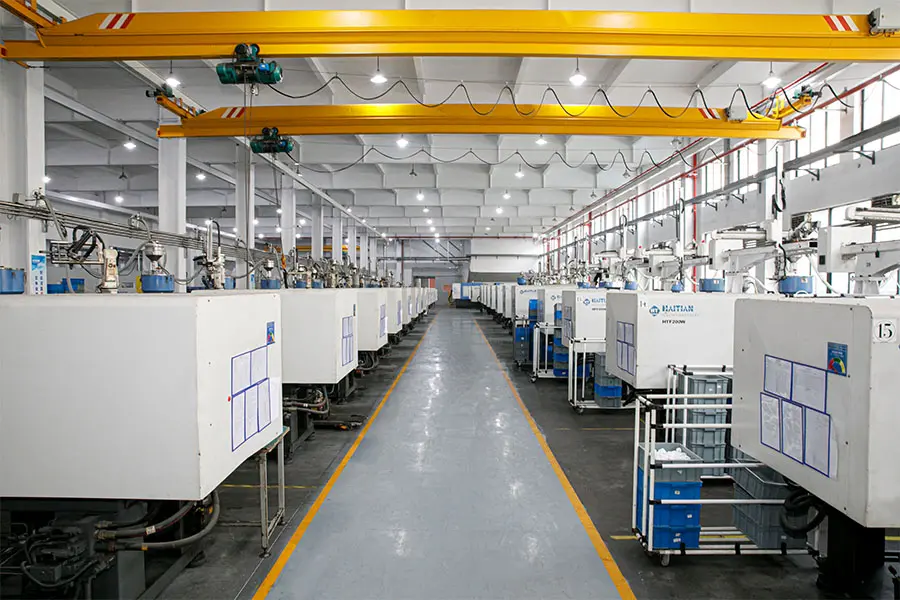
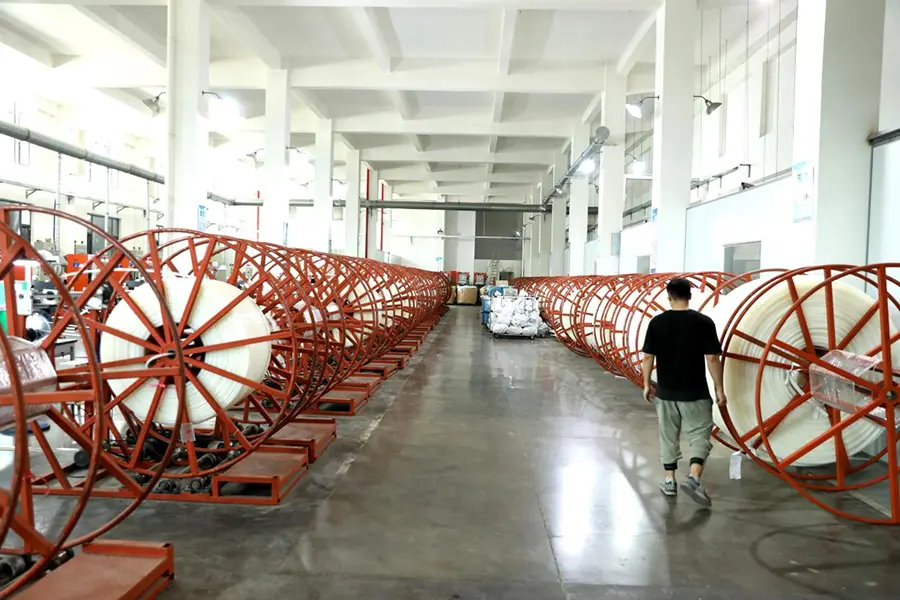
To maintain an eco-friendly and food-grade supply line, MINDE leverages imported high-quality virgin raw materials, strictly avoiding low-cost recycled polymers that jeopardize mechanical strength. Our manufacturing footprint features a 90,000+ square meter integrated facility containing 45 advanced automated pipe extrusion lines, a computerized gravimetric feeding system, and 85 high-precision injection molding machines. Supported by a workforce of over 200 dedicated professionals and a core technical management team, we guarantee 100% component traceability. Quality control is managed via three rigorous monitoring nodes: Raw Material Inspection, Process Control, and Finished Product Hydraulic / Thermal Stress testing.
Polypropylene (PP) compression fittings have emerged as a global commodity of high strategic importance for water conservation, civil engineering, and wastewater distribution. Procurement departments face challenges such as managing fluctuations in raw material pricing (PP-R, PP-H, and PP-B resins), verifying compliance with local sanitary regulations, and securing supply chain continuity.
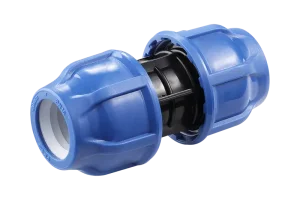
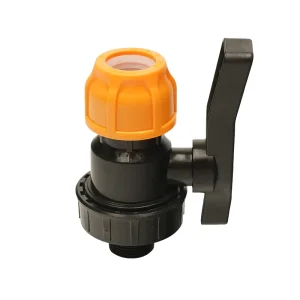
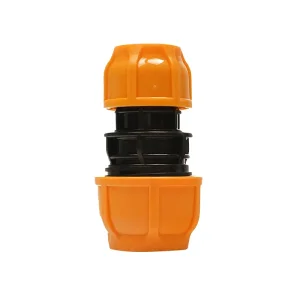
Industrial buyers demand highly durable connectors that reduce the Total Cost of Ownership (TCO) by avoiding premature failures. High-quality PP compression fittings rely on precise physical engineering. The combination of a Polypropylene body, a NBR/EPDM O-ring seal, a Polyacetal (POM) split ring (clincher), and a PP nut ensures a leak-proof mechanical joint without the need for hot-melt welding. This reduces installation time and labor costs across global construction sectors.
Polypro pipe fittings must maintain mechanical integrity under varying temperatures. While PN16 is rated at 20°C, high-temperature applications (such as hydronic heating) require material like Polyphenylsulfone (PPSU) or random copolymer polypropylene (PPR) to resist thermal degradation and creep over a 50-year service life.
Selecting the correct plastic formulation is critical for preventing stress cracks and ensuring chemical compatibility. The table below outlines how our technical team categorizes material selections based on operational requirements:
| Material Class | Common Applications | Key Performance Strengths | Pressure / Temp Limits |
|---|---|---|---|
| PP Compression (PP-B/PP-H) | HDPE pipe connections, Agricultural drip irrigation, Cold water distribution. | Fast mechanical coupling, high UV resistance, zero thermal fusion required. | PN10 to PN16 at 20°C. Temp range: -10°C to 45°C. |
| PPR (PP-Random Copolymer) | Potable hot & cold water plumbing, industrial liquid transfer. | Homogeneous thermal fusion joints, excellent chemical resistance, low friction. | PN20 to PN25. Temp range: -10°C to 95°C (continuous). |
| PPSU (Polyphenylsulfone) | PEXa heating loops, radiator hookups, premium residential water supply. | Extreme impact toughness, high chemical tolerance, no mineral scale buildup. | Designed for high pressure up to 95°C under continuous load. |
Modern infrastructure requires specialized, high-performance piping solutions. The requirements vary significantly across sectors:
Equipped with 45 automated extrusion lines and 85 high-capacity injection units in a 90,000+ sqm manufacturing facility.
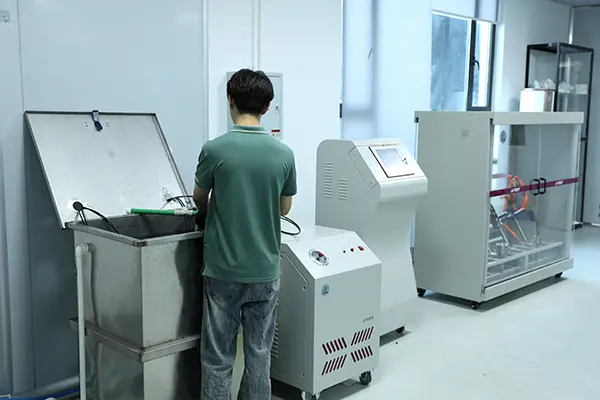
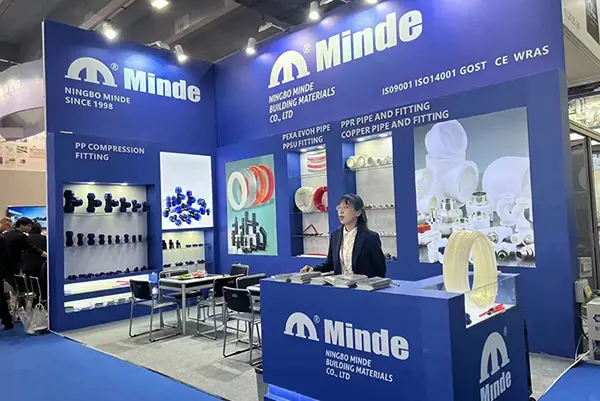
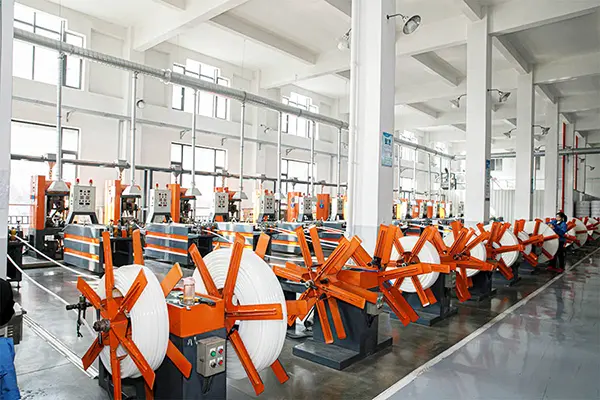
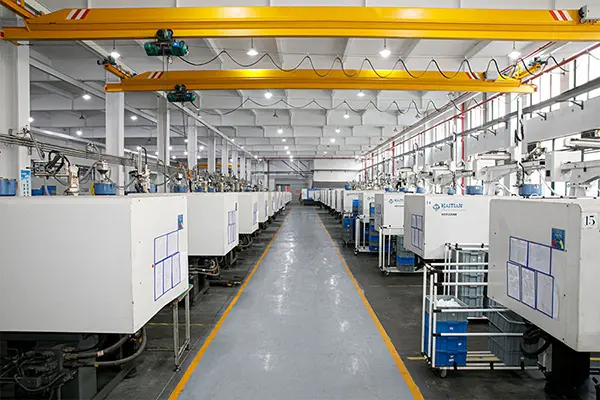
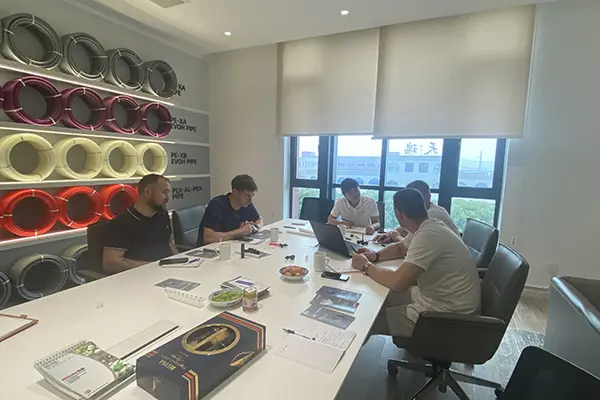
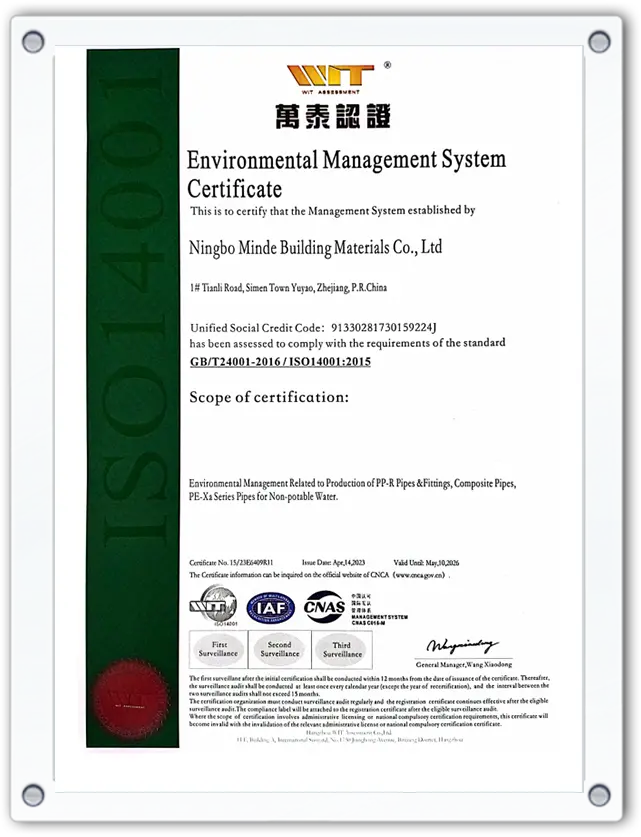
Our commitment to quality is backed by international certifications, enabling distribution across 50+ countries.
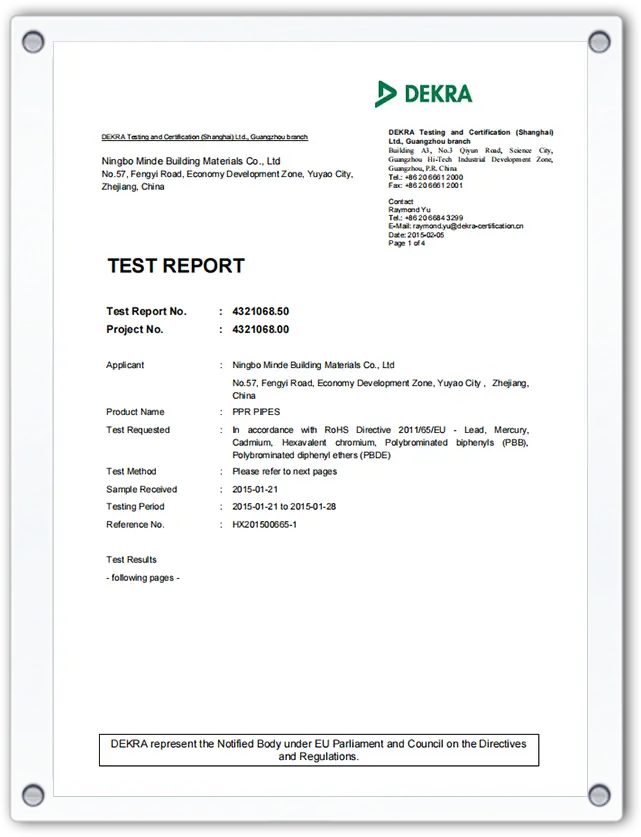 ISO 9001:2022
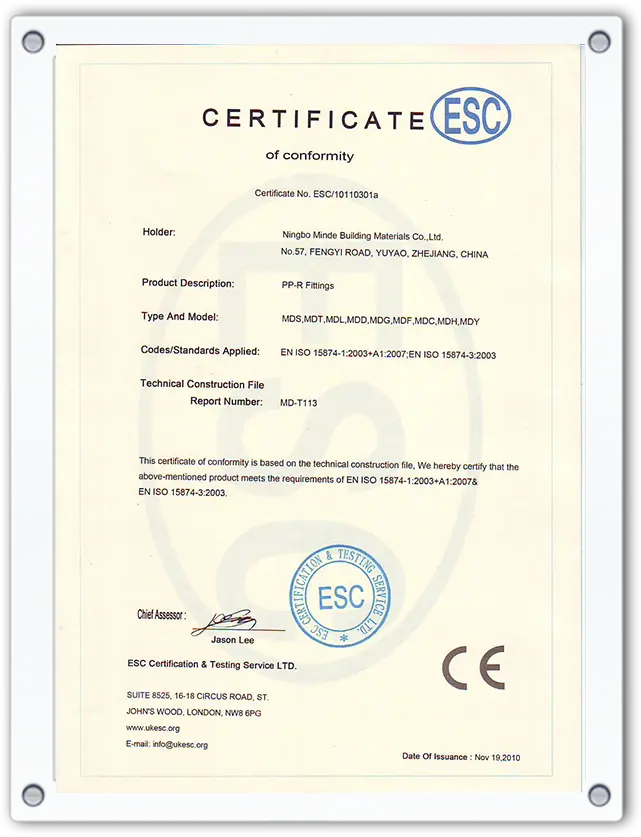 EU CE Approval
 UK WRAS Standard
 RU GOST Certificate
 ISO 14001 EMS
Exploring how our systems perform in primary target environments.
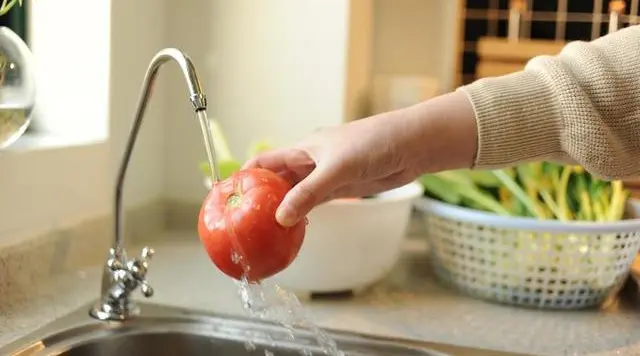
Providing lead-free and chemical-resistant components for safe city and residential building connection lines.
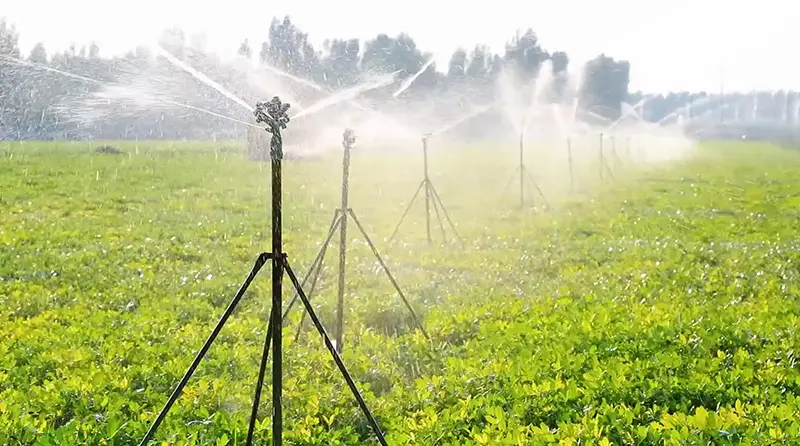
Optimized for UV resistance and quick setup, suitable for large farm networks and drip lines.
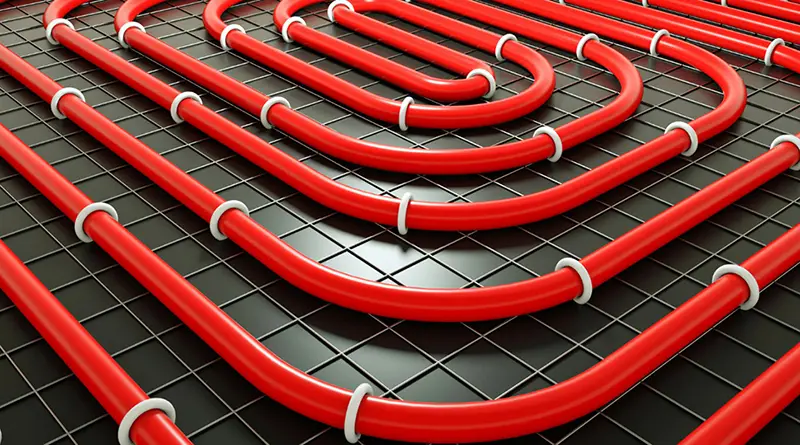
Engineered to manage thermal cycling and continuous heat stress in modern HVAC system piping loops.
Ningbo Minde continues to optimize manufacturing through several key initiatives:
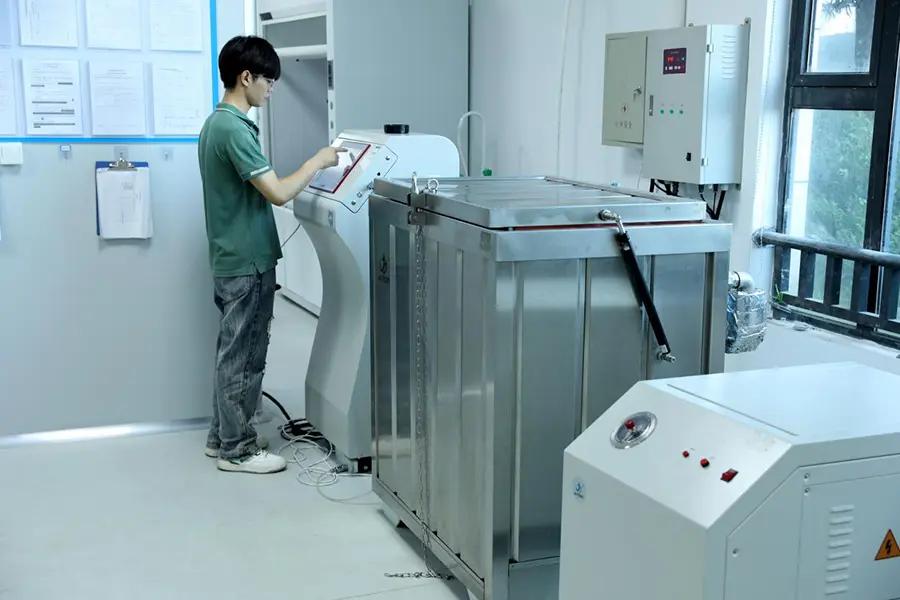
Direct technical explanations addressing key selection, chemical resistance, and quality considerations.
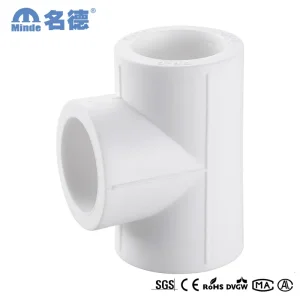
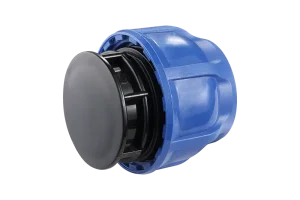
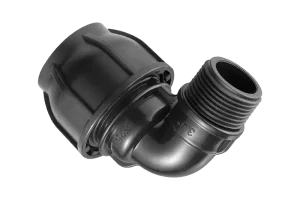
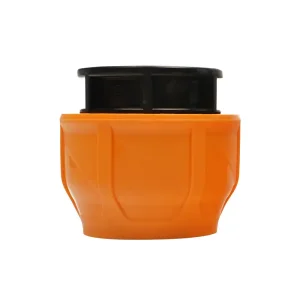
Complete your systems with our comprehensive selection of couplings, elbows, tees, and end caps.
 Minde
Minde