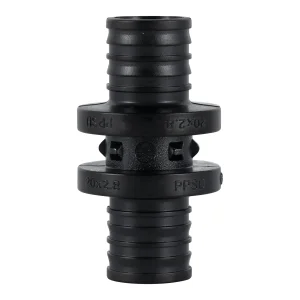
Explore our engineering-grade PP compression fittings and piping components engineered for PN16 pressure systems and modern agricultural irrigation.
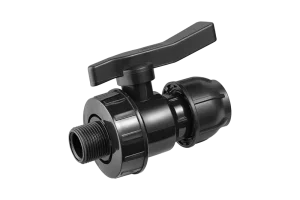
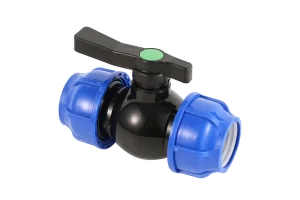
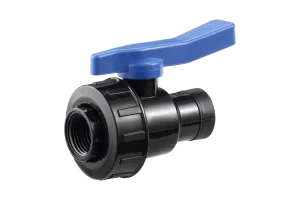
A leading Chinese innovator with over 20 years of experience in manufacturing high-caliber plastic piping and fitting systems.
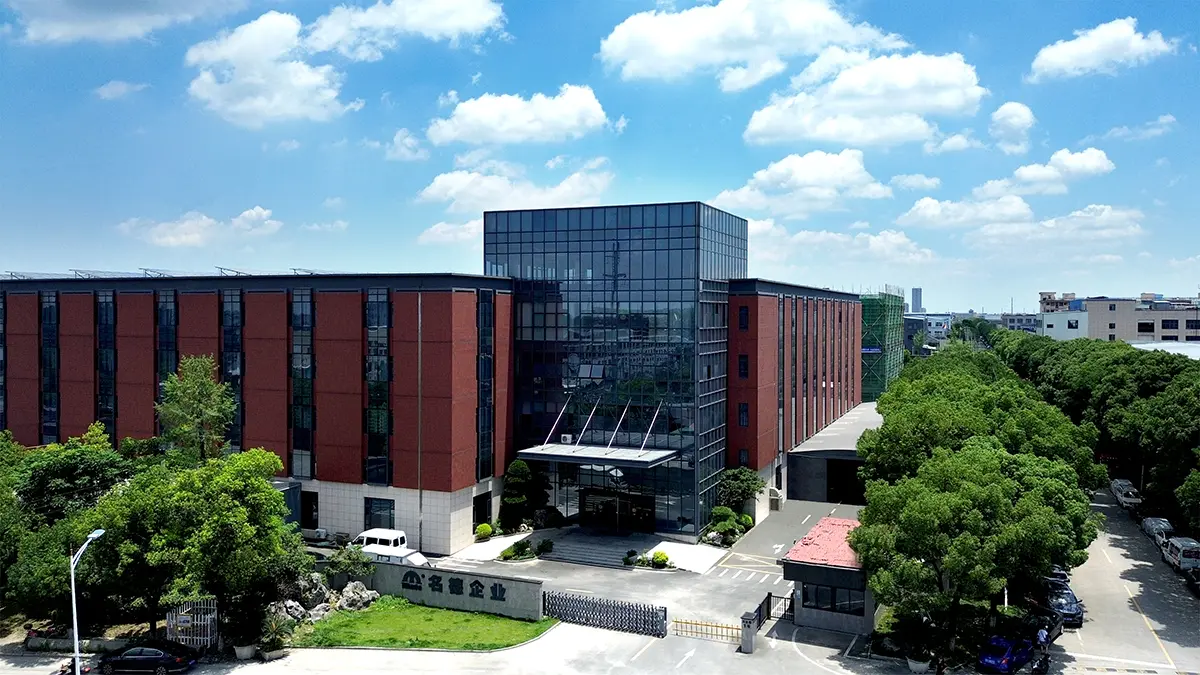
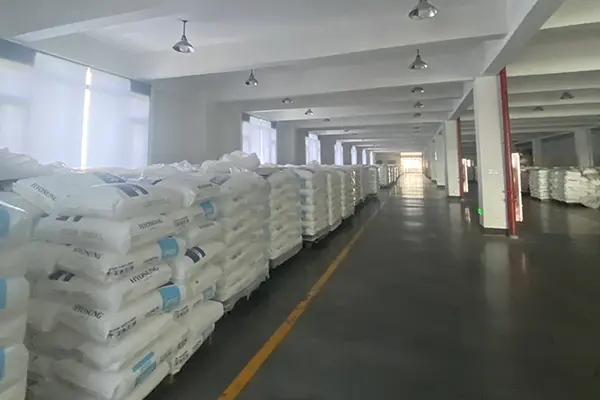
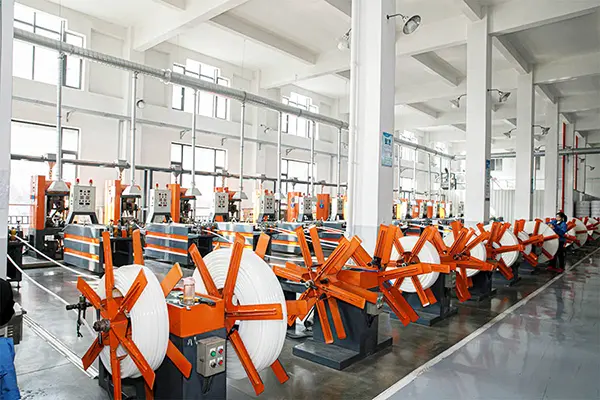
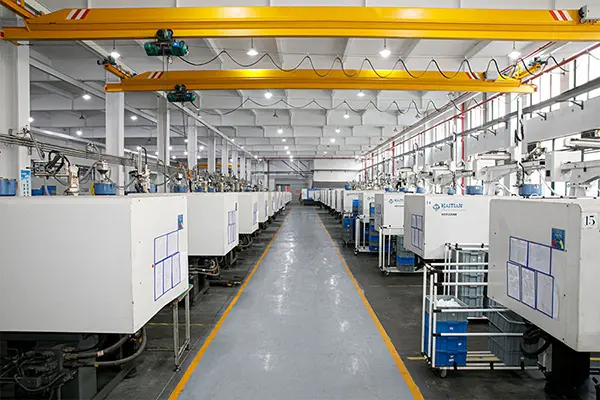
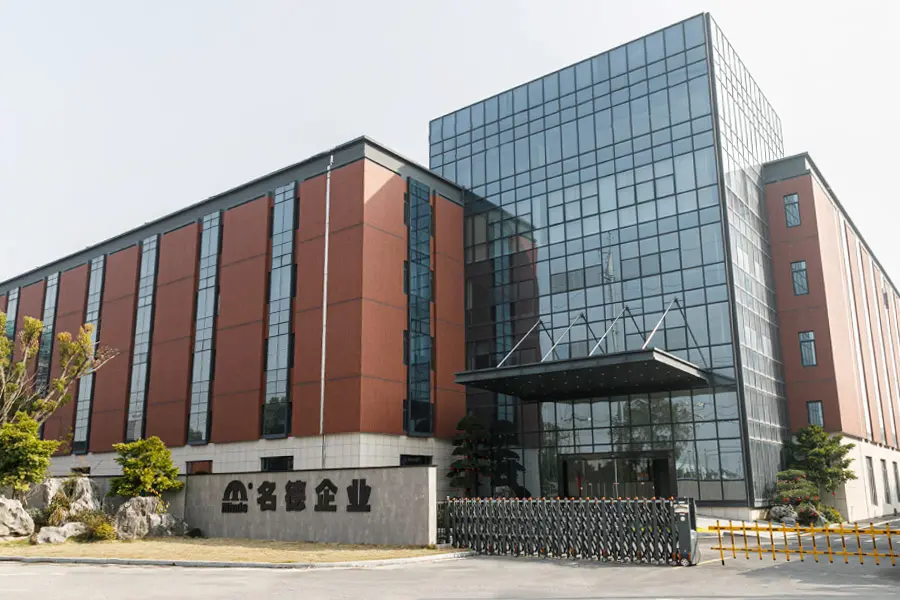
Based in the manufacturing hub of Zhejiang Province, China, Ningbo Minde Building Materials Co., LTD has established itself as an authoritative leader in high-performance polymer extrusion and injection molding. Spanning a modern campus of over 90,000 square meters, we run 45 dedicated pipe extrusion lines and 85 high-precision injection molding machines, powered by automated feeding systems that guarantee raw material consistency.
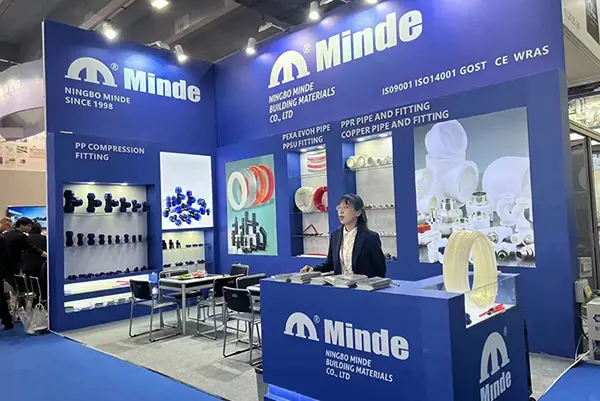
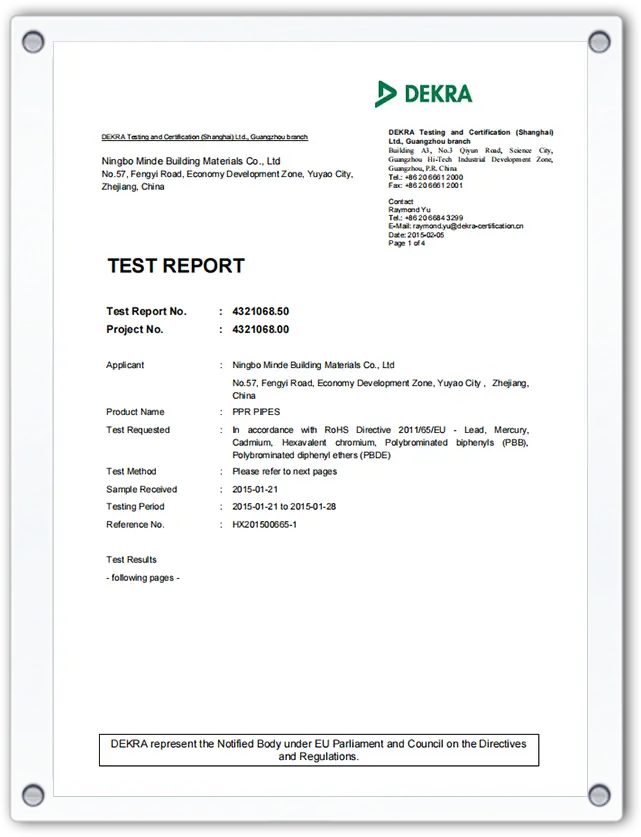
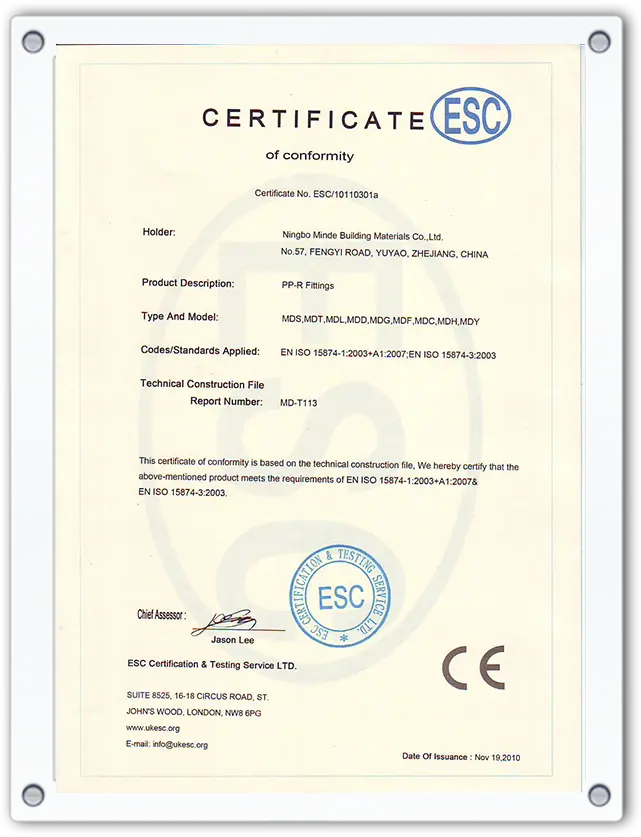
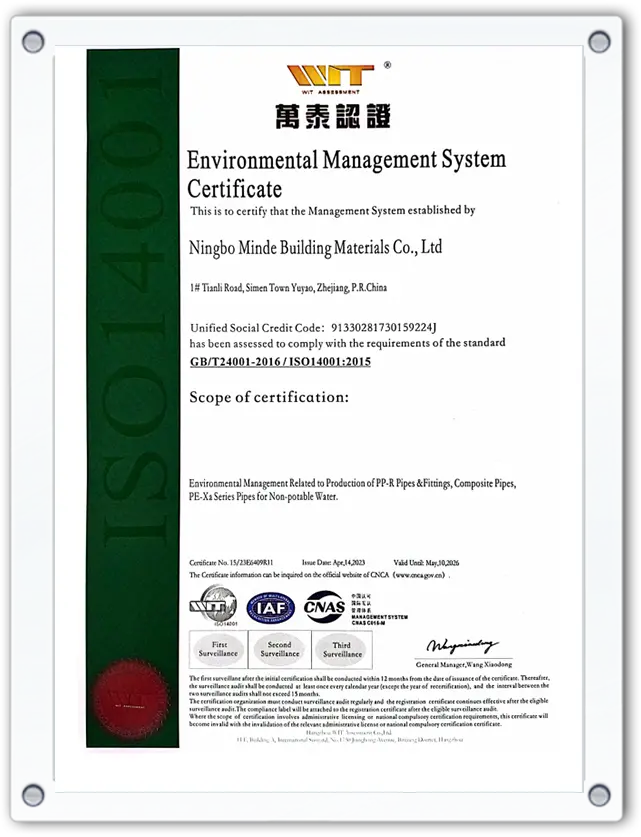
For more than 20 years, our engineering team has integrated state-of-the-art polymer chemistry with precision molding. Our dedication to sustainability and system safety means we exclusively source virgin raw materials, eliminating low-grade recycled polymers to prevent failures under pressure. This commitment to product integrity has earned us international credentials, including ISO9001:2022, ISO14001, CE, British WRAS, and Russian GOST certifications.
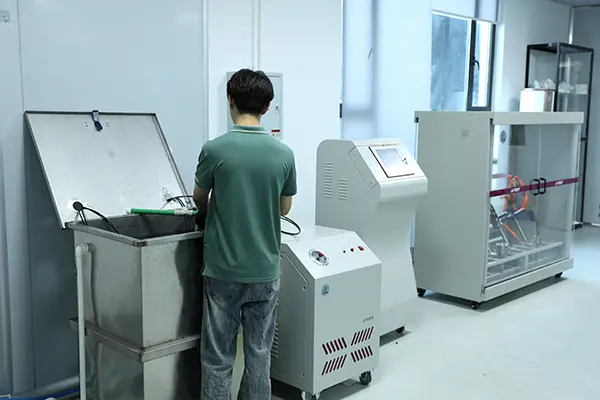
Operating three strict control checkpoints—Incoming Inspection, Process Monitoring, and Finished Product Analysis—to achieve flawless batch execution.
An authoritative analysis of polymer chemistry, standard configurations, and pricing models for engineering, agricultural, and industrial infrastructure projects.
In modern industrial fluid management, infrastructure projects are rapidly transitioning from traditional metals (copper, carbon steel, cast iron) to specialized thermoplastics. Polypropylene (PP) and its advanced copolymers are leading this shift. As global industries prioritize sustainability, chemical resistance, and lower lifetime costs, polymer pipelines have evolved from simple secondary conduits into high-performance, pressure-bearing options.
The global PP piping market is expanding across chemical processing, municipal water distribution, agricultural irrigation, and radiant heating systems. The driving factors are clear: zero rust susceptibility, resistance to scale buildup, simple installation, and a design life that can exceed 50 years under standard conditions. Urban development in the APAC region, combined with agricultural upgrades in South America and the Middle East, continues to drive demand for reliable suppliers capable of handling custom specifications at scale.
For procurement officers and structural engineers, selecting the right material grade is essential. Polypropylene is not a single formulation; it exists in several distinct chemical classes:
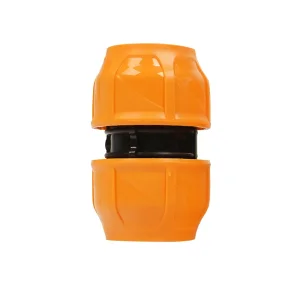
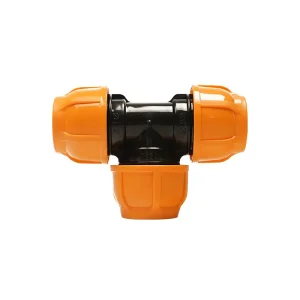
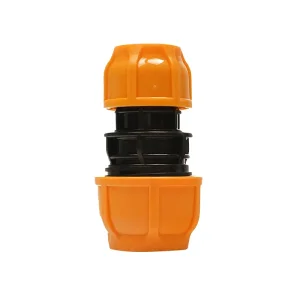
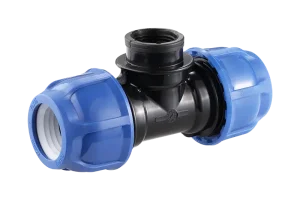
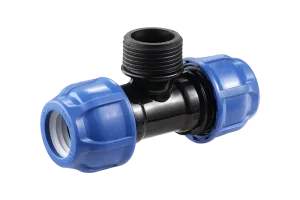
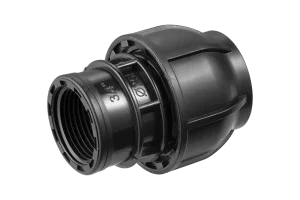
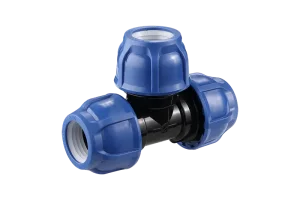
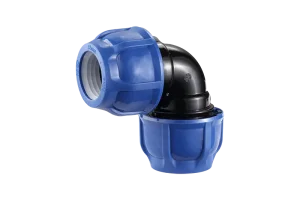
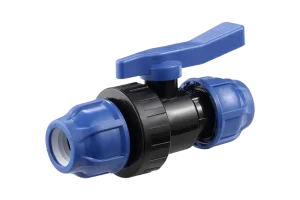
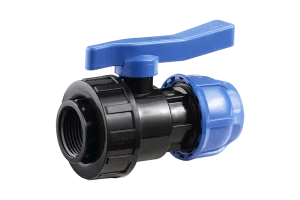
Fittings are critical components in any piping network. PP compression fittings are designed to connect HDPE and PP lines without heat fusion, using mechanical pressure instead. This is achieved through a multi-component configuration: a polypropylene body, an NBR or EPDM O-ring for sealing, a polyacetal split ring (clincher) for mechanical grip, and a high-torque PP nut.
| Pressure Class | Nominal Pressure (PN) | Standard Dimension Ratio (SDR) | Primary Application Areas |
|---|---|---|---|
| PN10 Series | 1.0 MPa (145 PSI) | SDR 17 / SDR 17.6 | Low-pressure agricultural irrigation, lateral distribution lines, and gravity-fed systems. |
| PN16 Series | 1.6 MPa (232 PSI) | SDR 11 | High-pressure municipal water mains, industrial process fluid transport, and main irrigation risers. |
| PN20 & Above | 2.0 MPa+ (290 PSI+) | SDR 7.4 / SDR 6 | Hot water distribution systems, boiler rooms, and high-stress industrial applications. |
Evaluating custom PP pipe pricing requires understanding the variables that influence manufacturing costs. When comparing supplier quotes, procurement teams should consider the following key components:
Leading the market with modern engineering designs, sustainable materials, and target solutions for major industrial applications.
PP-H and specialized PP block copolymer systems provide chemical resistance across a pH range of 1 to 14. These systems resist corrosion from aggressive acids, alkaline mixtures, and organic solvents in chemical processing and electroplating lines.
Our PN10 and PN16 polypropylene compression fittings provide secure connections for HDPE pipe systems in agricultural irrigation. Designed to withstand high UV exposure and fluctuating seasonal temperatures, they ensure leak-free performance in harsh outdoor environments.
Using advanced PP-R and multi-layer oxygen-barrier composite pipes, we supply underfloor radiant heating projects. The low thermal conductivity of PP reduces energy loss, keeping system efficiency high and operating costs low over decades of use.
The next phase of polypropylene piping design focuses on composite material technologies. Multi-layer co-extrusion allows manufacturers to combine different materials to enhance pipe performance. For example, a middle layer reinforced with glass-fiber compounds can reduce linear thermal expansion by up to 75% compared to standard PP-R. This enables long pipe runs without the need for large expansion loops.
Additionally, the integration of smart systems is changing pipe network maintenance. By adding conductive tracking lines or internal sensors, maintenance teams can identify pressure drops, detect leaks, and monitor temperature changes in real time. Ningbo Minde is currently testing these technologies to support modern, automated utility systems.
Common technical and procurement questions answered by our engineering and quality assurance teams.
The differences lie in their molecular structures. PP-H (Homopolymer) is highly rigid with excellent chemical resistance, making it suitable for high-temperature industrial chemical lines. PP-B (Block Copolymer) offers higher impact strength at lower temperatures, which is useful in cold climates and drainage systems. PP-R (Random Copolymer) provides high flexibility and reliable long-term hydrostatic strength, making it the industry standard for domestic hot and cold water distribution.
These ratings define the maximum working pressure of a pipe system at room temperature (approximately 20°C). PN10 components are rated for pressures up to 1.0 MPa (145 PSI) and are commonly used in agricultural irrigation and low-pressure lateral lines. PN16 components are rated up to 1.6 MPa (232 PSI) and are recommended for municipal mains, building risers, and high-pressure industrial fluid lines.
Yes. PP compression fittings are designed to connect HDPE pipes (typically PE80 or PE100) without hot fusion welding. The split ring inside the fitting grips the outer surface of the HDPE pipe, while the EPDM or NBR O-ring provides a secure seal against water leakage.
Recycled plastics often contain impurities, varying polymer grades, and degraded chains, which can reduce mechanical strength and pressure resistance. Using virgin raw materials ensures consistent molecular weight, predictable physical properties, and a long service life, especially in pressurized hot water or industrial applications.
Global buyers should look for international certifications, including ISO 9001:2022 (Quality Management), ISO 14001 (Environmental Management), CE (European Conformity), WRAS (Water Regulations Advisory Scheme for UK drinking water), and GOST (Russian standards) to verify product performance and safety.
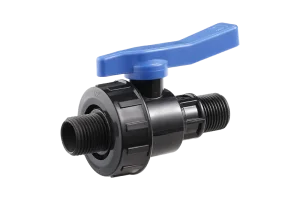
Explore our full range of compression fittings, multi-layer composite pipes, and high-performance valves for plumbing and floor heating projects.
 Minde
Minde