Explore our high-performance compression and connection solutions certified for international water infrastructure projects.
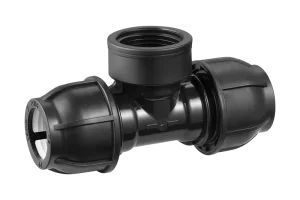
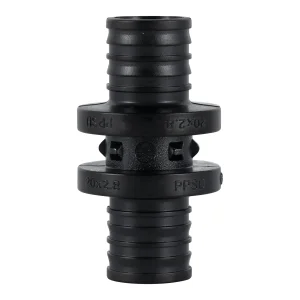
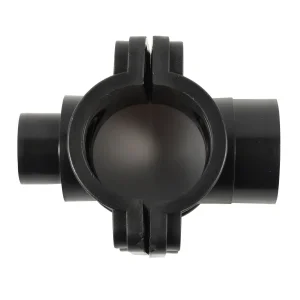
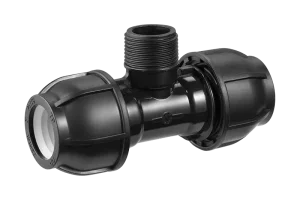
The modern fluid logistics and water distribution landscapes are shifting decisively toward thermoplastic systems. High-Density Polyethylene (HDPE) pipelines have emerged as the gold standard for clean potable distribution, industrial process piping, and advanced agricultural irrigation systems. The reason for this transition lies within HDPE’s chemical inertness, high elastic flexibility, and structural longevity. However, constructing a monolithic PE line is only half the battle; branching pipelines to serve lateral connections reliably is where high-quality HDPE Saddle Clamps play a critical operational role.
Historically, tapping existing pressurized pipelines required system-wide shutdowns, complex electrofusion branching, or heavy metallic assemblies prone to galvanic corrosion. The introduction of engineered composite Double Clamp Saddles and reinforced PP/HDPE saddle clamps changed standard operating procedures globally.
By compressing a resilient seal onto the exterior diameter of the main carrier pipe and anchoring it mechanically, contractors can achieve branch takeoffs in a fraction of the time. According to industry metrics, using mechanical saddle clamps reduces installation costs by up to 65% compared to traditional metallic tapping techniques.
Note on Hydraulic Efficiency: The inner collar of Minde saddle clamps is structurally optimized to minimize turbulences at the branch entry point, keeping the pressure drop coefficients within safe regulatory limits.
Across key regions—Southeast Asia, the Middle East, South America, and Eastern Europe—countries are actively retrofitting aging municipal piping. Rapid urbanization, coupled with strict environmental mandates to prevent water loss (Non-Revenue Water - NRW), requires leakproof, low-maintenance piping solutions. The trend is moving rapidly towards robust mechanical clamping structures designed to withstand physical pressure transitions. The global market demand for high-strength mechanical clamp saddles is projected to expand at a CAGR of 6.2% over the next decade.
A premier Chinese manufacturer supplying high-performance pipeline connections to global markets.
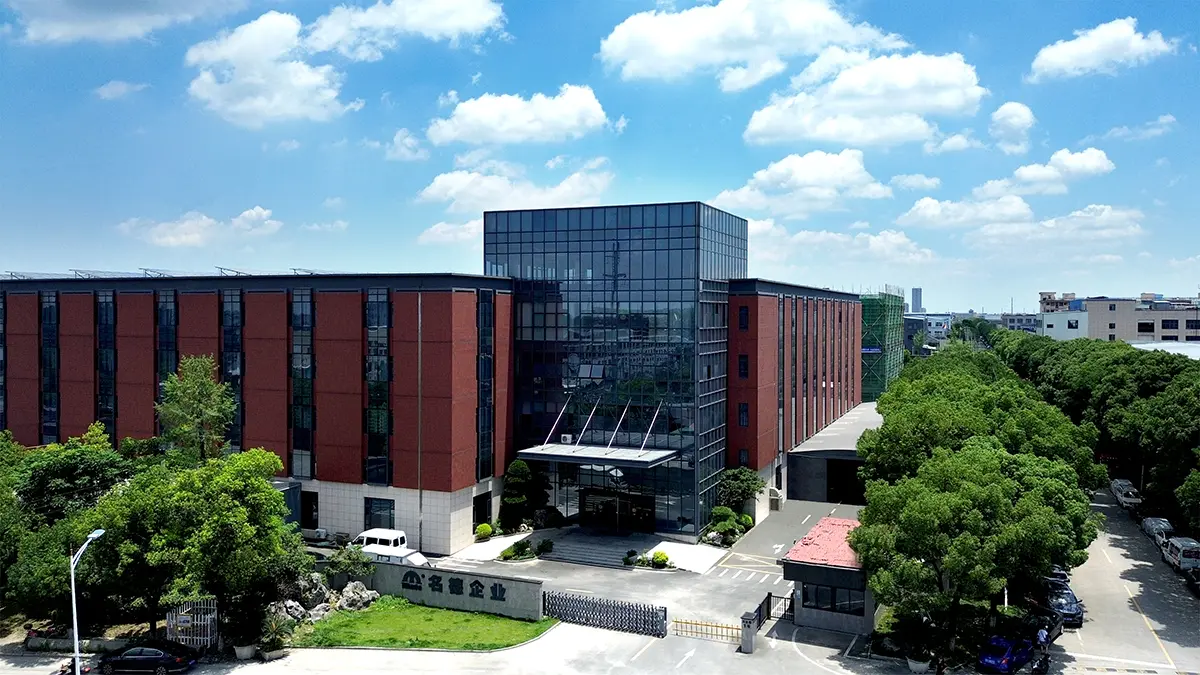
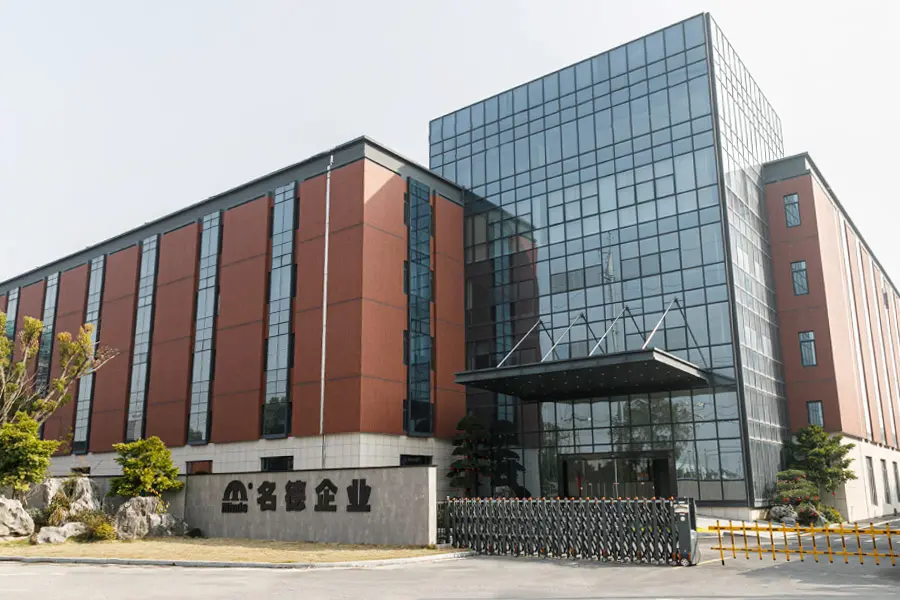
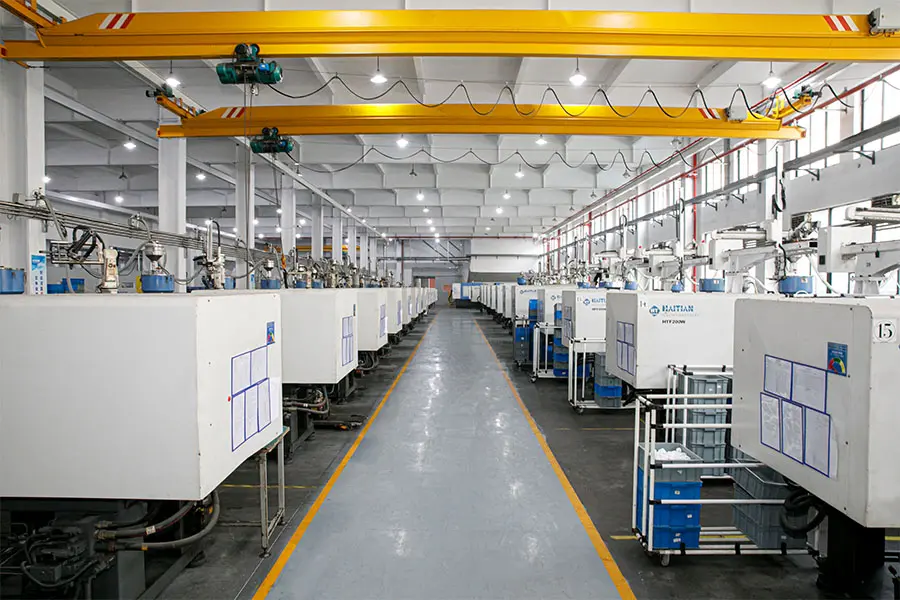
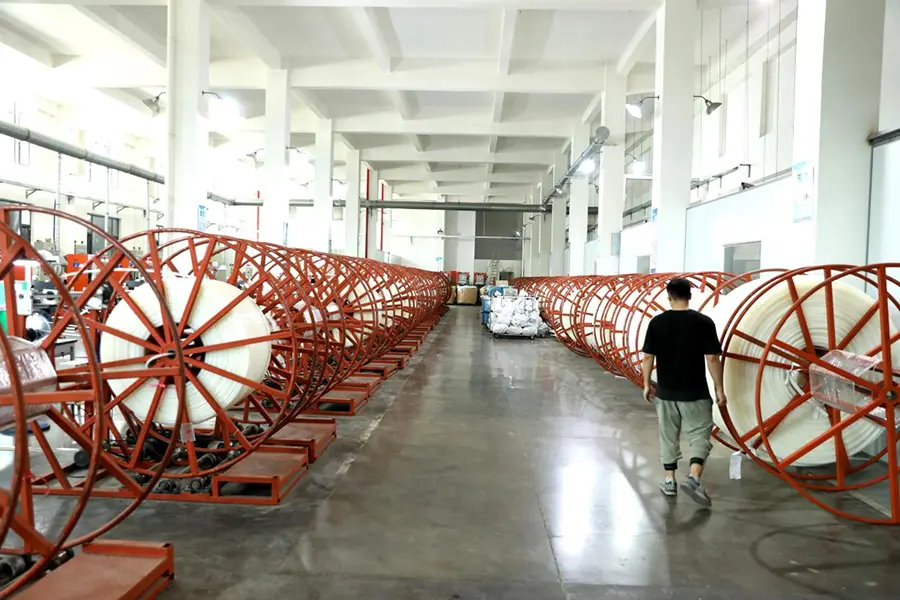
Based in Zhejiang Province, China, Ningbo Minde Building Materials Co., LTD. has specialized in the production of high-grade plastic pipes and fittings for over two decades. Our enterprise integrates advanced research, raw material inspection, molding, and pressure testing under one roof to deliver robust pipeline accessories.
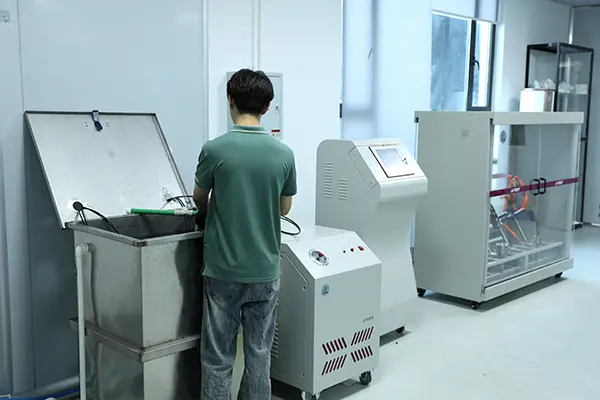
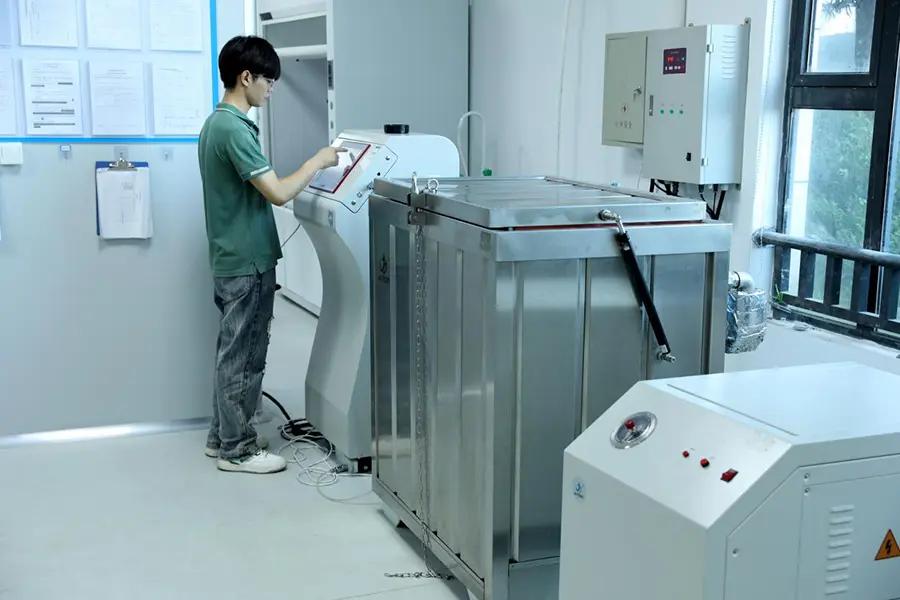
We rely entirely on premium imported virgin raw materials to manufacture our PP compression fittings and PPR pipes. Our facilities features state-of-the-art laboratory testing apparatus, allowing us to perform rigorous physical checks at three strategic checkpoints: raw material inspection, online mid-production control, and final product quality evaluation. This rigorous QC process guarantees that every batch destined for international construction or irrigation networks is zero-defect and capable of long-term operational performance.
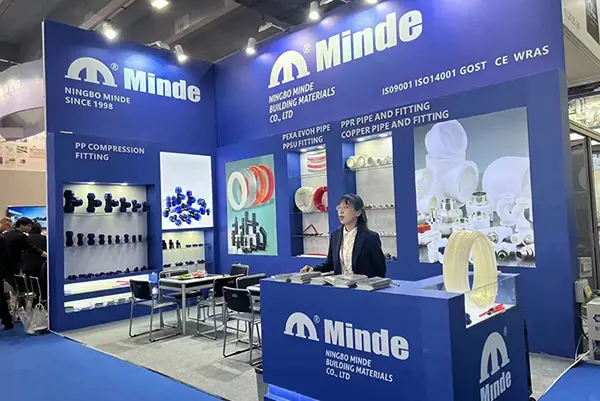
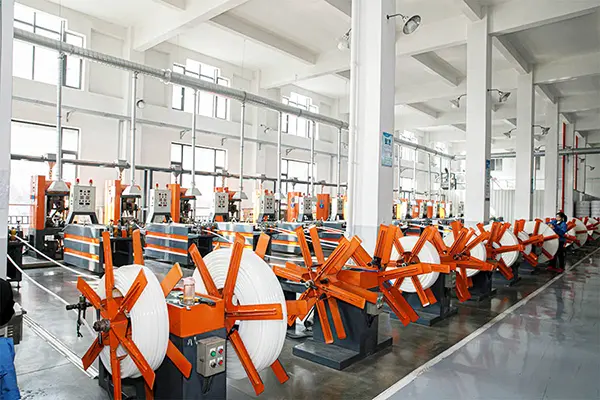
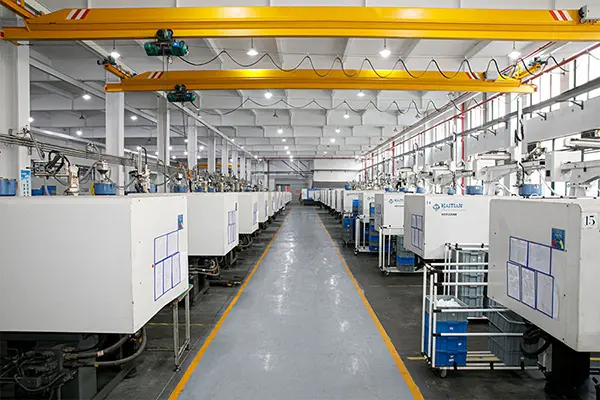
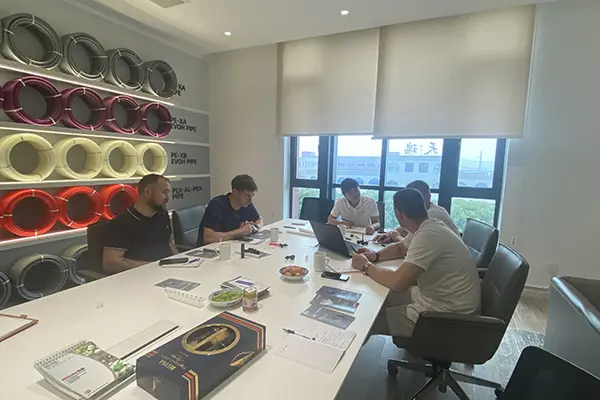
A closer look at the engineering characteristics of saddle clamps and compression connections.
A high-quality saddle clamp consists of two primary plastic shells designed to wrap around the HDPE pipe, secured by stainless steel or zinc-plated carbon steel bolts. The critical element within this connection is the O-ring or flat gasket, typically made of NBR (Nitrile Butadiene Rubber) or EPDM. EPDM is selected for potable water applications due to its excellent ozone and UV resistance, chemical stability, and long-term elasticity.
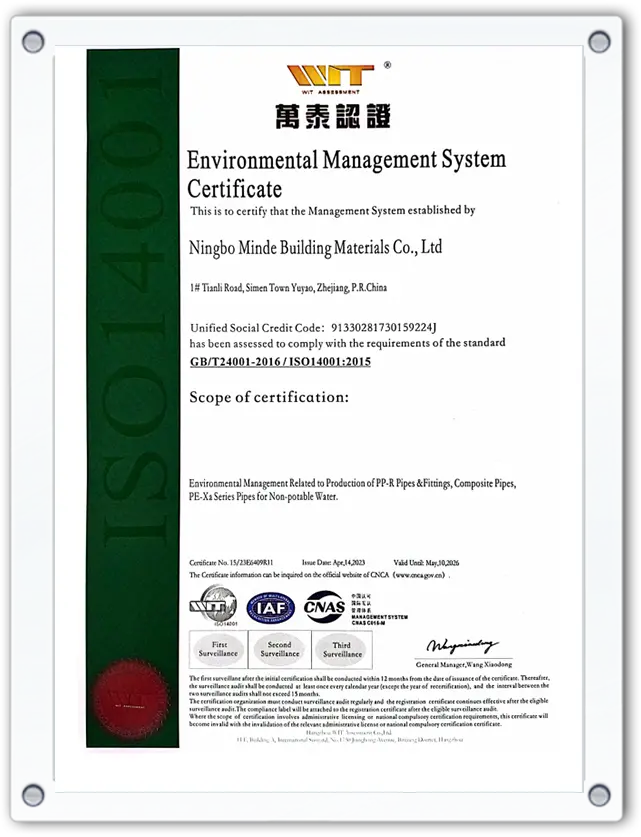
Ningbo Minde’s manufacturing systems are compliant with standard global directives. By implementing a standardized ISO 9001:2022 and ISO 14001 workflow, we verify the material uniformity of each batch. Our products hold certifications that allow them to be distributed in highly regulated jurisdictions.
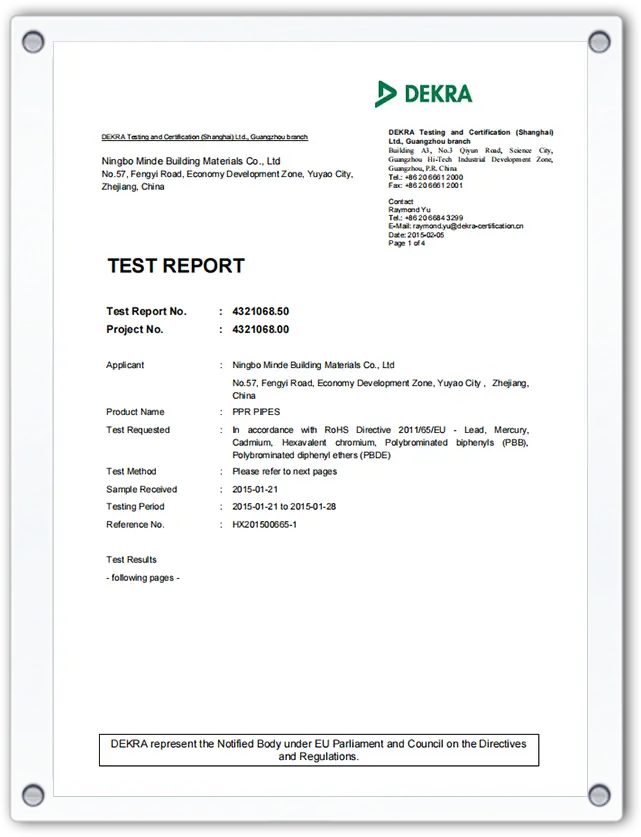
ISO 9001:2022
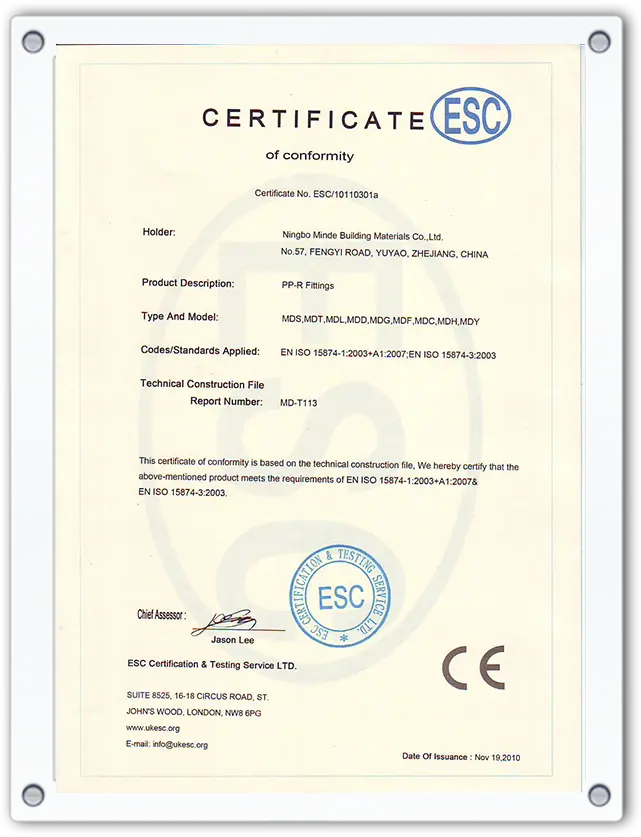
CE Compliant
WRAS Approved
The Safety of Materials (WRAS & NSF61): Since these fittings are integrated into drinking water grids, using raw materials certified under WRAS (Water Regulations Advisory Scheme) and NSF61 ensures that no toxic plasticizers, heavy metals, or chemical tastes leach into the potable supply line.
How industries leverage saddle clamps and PP compression fittings to optimize system operations.
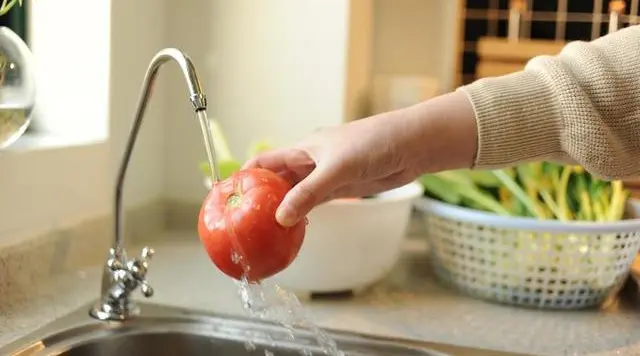
Municipal water networks require continuous service. In residential tap-ins, saddle clamps enable crews to branch off service lines directly to households without depressurizing the main distribution line. This is commonly referred to as "hot tapping."
When utilizing HDPE pipe systems, the mechanical saddle clamp provides a robust, rust-free connection that matches the 50-year service life of the pipeline. Since the clamps are immune to acidic soils and stray electric currents, they eliminate the primary failure points of underground networks.
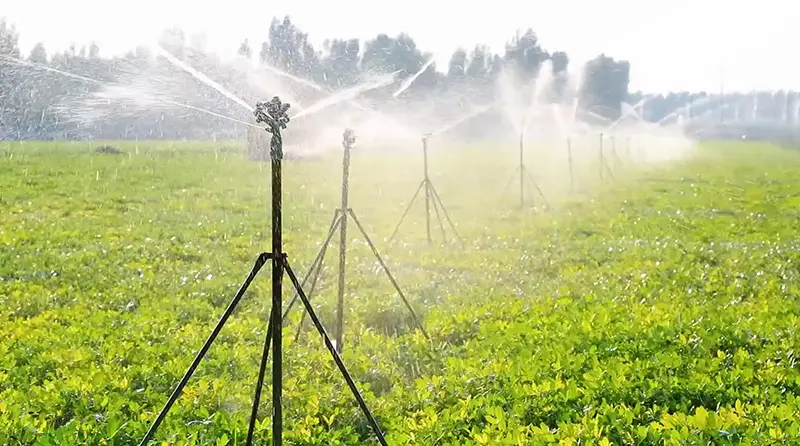
Modern agriculture requires targeted, automated irrigation. Irrigation grids use miles of lateral lines branching off primary trunk pipes to distribute water to emitters.
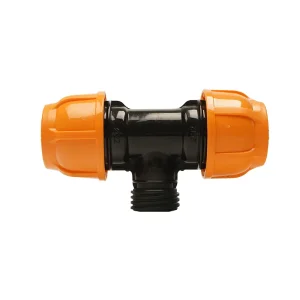
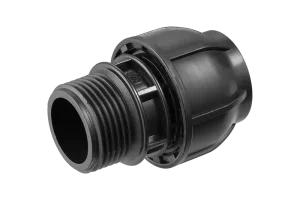
Mechanical PP compression fittings, thread tees, and double saddle clamps are critical for these configurations. Minde’s fittings allow growers to install valves, pressure monitors, and lateral sprinklers directly onto the HDPE lines. The simplicity of our mechanical clamp design enables farming operations to assemble and reconfigure fields without specialized welding tools.
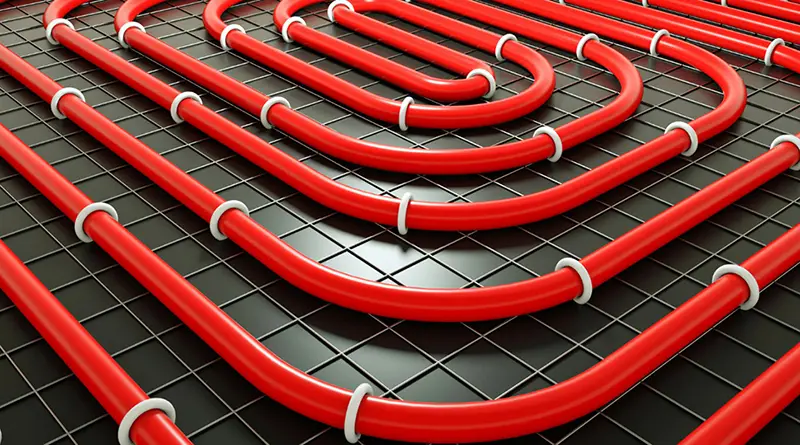
In building technology, floor heating demands high temperature resistance and structural security. By incorporating high-performance PEXa pipes and poly PPSU coupling fittings (tested under strict NSF61 standards), systems maintain absolute seal integrity over decades of thermal cycling. PPSU (Polyphenylsulfone) fittings offer high impact strength and withstand hot water circulation up to 95°C without compromising mechanical performance.
Understanding cost structures to secure competitive rates from global suppliers.
When sourcing Saddle Clamp HDPE, procurement managers often struggle with varying price points. Standardizing pricing parameters is essential to establish a reliable cost-benefit analysis. A competitive pricelist is typically influenced by several key factors:
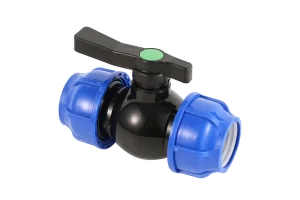
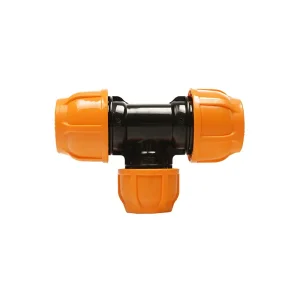
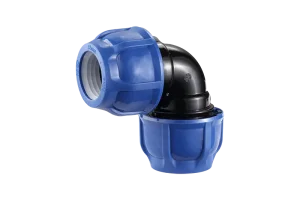
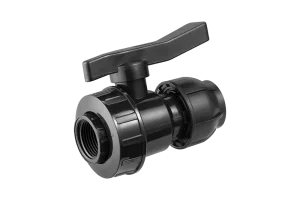
Wholesale Strategy: Integrating saddle clamp procurement with matched PP compression elbows, equal tees, and ball valves allows clients to reduce logistics costs and secure bulk discounts from a single supplier.
Ningbo Minde warmly welcomes partners worldwide. Guided by our principles of Innovation, Quality, Price, and Service, we serve clients in over 50 countries, including Russia, Ukraine, Southeast Asia, South America, and the Middle East. By leveraging our large-scale production capacities, we offer stable pricing structures designed to support competitive wholesale projects.

The transition toward eco-friendly designs and smart water management.
The piping industry is actively designing products to support sustainable infrastructure. The carbon footprint of a pipeline system is closely tied to its efficiency and replacement cycle. Mechanical saddle clamps and PP compression fittings contribute to these green initiatives in two primary ways:
1. Material Recyclability: Polypropylene and High-Density Polyethylene are 100% recyclable. Unlike old metallic pipelines that require high-temperature smelting, used PP and PE components can be mechanically granulated and repurposed for non-critical industrial applications, supporting a circular economy.
2. Integration with Smart Sensors: In modern smart cities, flow control is monitored using digital metrics. The next generation of saddle clamps features sensor ports that allow direct insertion of temperature, pressure, or flow sensors into the pipeline. This enables municipal operators to identify pressure anomalies or micro-leaks without installing costly inline sensor blocks.
Expert engineering answers to common technical queries about HDPE Saddle Clamps.
PN indicates the Nominal Pressure (Pression Nominale) in bars. A PN10 saddle clamp is rated to withstand a maximum working pressure of 10 Bar (approx. 145 PSI) at standard temperatures, whereas a PN16 clamp is rated for 16 Bar (approx. 232 PSI). PN16 clamps feature reinforced walls, thicker EPDM gaskets, and stainless steel support rings to withstand higher pressure surges.
No, mechanical saddle clamps are specifically engineered for water supply, industrial fluids, and agricultural irrigation networks. For high-pressure gas distribution, electrofusion tapping tees are required by safety regulations to eliminate any risk of mechanical sealing failures.
First, ensure the outer surface of the HDPE pipe is thoroughly cleaned, deburred, and free of scratches. Second, verify the EPDM gasket is seated correctly inside the clamp pocket. Third, tighten the bolts crosswise in sequence to ensure even pressure distribution. Over-tightening can crack the plastic housing, so it is recommended to use a calibrated torque wrench.
When threaded male pipes (such as metallic valves or nipples) are screwed into the plastic female outlet of a saddle clamp, the expansion force can split the plastic thread. The stainless steel reinforcement ring binds the outer surface of the female outlet, preventing radial expansion and splitting under high torque.
Yes. Virgin raw materials provide consistent molecular weight distribution, which prevents cracking under high pressures and UV exposure. Recycled plastics often contain impurities, leading to weak points in the injection molding process that cause leaks or stress cracks.
For drinking water, look for WRAS (UK), NSF61, or equivalent domestic credentials. For general mechanical and pressure safety, ISO 9001:2022, CE marking (Europe), and GOST (Russia) ensure the manufacturer complies with international safety and durability standards.
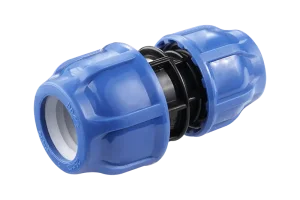
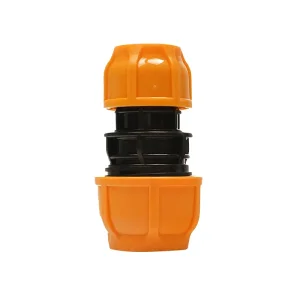
Complete your procurement list with our extensive collection of PPR pipes and PP compression fittings.
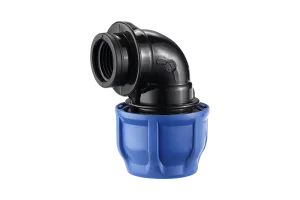
 Minde
Minde