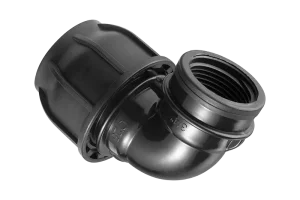
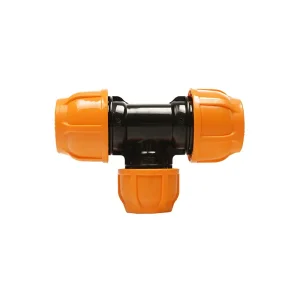
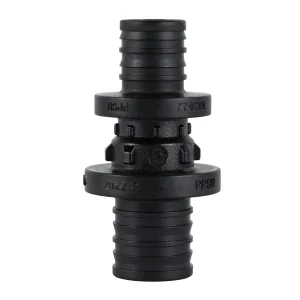
Explore our high-performance engineered components, manufactured under rigorous ISO standards for absolute leak prevention and long structural lifespan.
In an era characterized by climate volatility, rapid urbanization, and an unprecedented focus on resources conservation, fluid conveyance infrastructure faces critical pressure. Water management is no longer merely a utility concern but a key driver of geopolitical and economic stability. Modern irrigation networks, municipal water distribution, and agricultural schemes rely heavily on high-integrity connections that prevent water loss, resist mechanical degradation, and require minimal maintenance over their operating lifecycle.
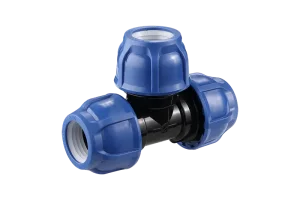
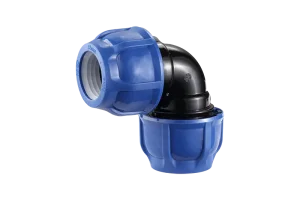
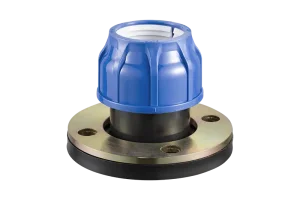
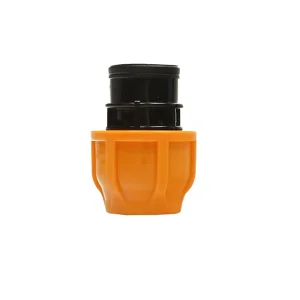
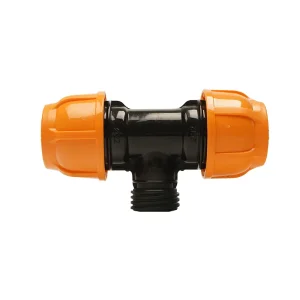
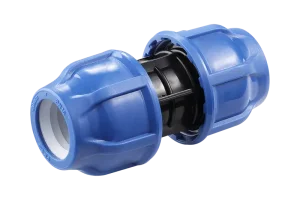
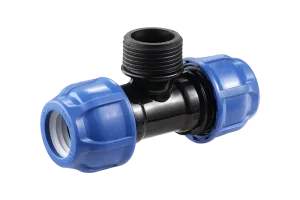
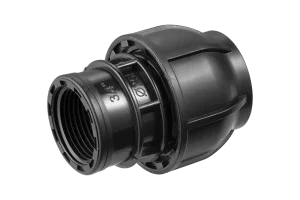
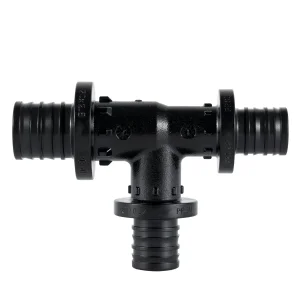
Polypropylene (PP) compression fittings, particularly 90-degree elbows, tees, and couplings, represent the technological vanguard of this sector. By providing a secure joint mechanism without the necessity of specialized welding equipment (such as electrofusion tools), compression systems dramatically lower deployment costs. They offer an adaptable solution that bridges the gap between high-strength High-Density Polyethylene (HDPE) piping systems and complex layouts demanding continuous direction changes.
From macro agricultural projects in arid zones to urban drainage systems, ODM (Original Design Manufacturer) and OEM solutions allow developers to specify customized configurations, pressure ratings (such as PN10 and PN16), and sizing criteria to meet complex flow-rate formulas. The engineering focus has shifted from standard installations toward resilient, vibration-resistant, and high-impact structural solutions.
The global market for agricultural irrigation and fluid transport systems has experienced a massive shift toward advanced polymers. Traditional metallic plumbing systems and rigid PVC variants are increasingly phased out in favor of PP-R (Polypropylene Random Copolymer) and PP-B (Polypropylene Block Copolymer) systems. The market is fueled by massive infrastructure investments in Latin America, Central Asia, and Africa, where food security initiatives demand robust irrigation.
“Industry forecasts indicate a compound annual growth rate (CAGR) of over 6.5% for plastic compression fittings in agricultural and industrial networks through 2030, driven by the global transition toward localized smart farming and sustainable water delivery networks.”
At a commercial level, agricultural operators and engineering procurement contractors (EPCs) demand solutions that mitigate installer errors—the primary source of pipeline failure. Custom-tailored ODM components ensure that structural features, such as deep-seated gaskets and reinforced split rings, are built to match local environmental challenges, such as direct UV exposure in high-heat zones and cyclic thermal expansion.
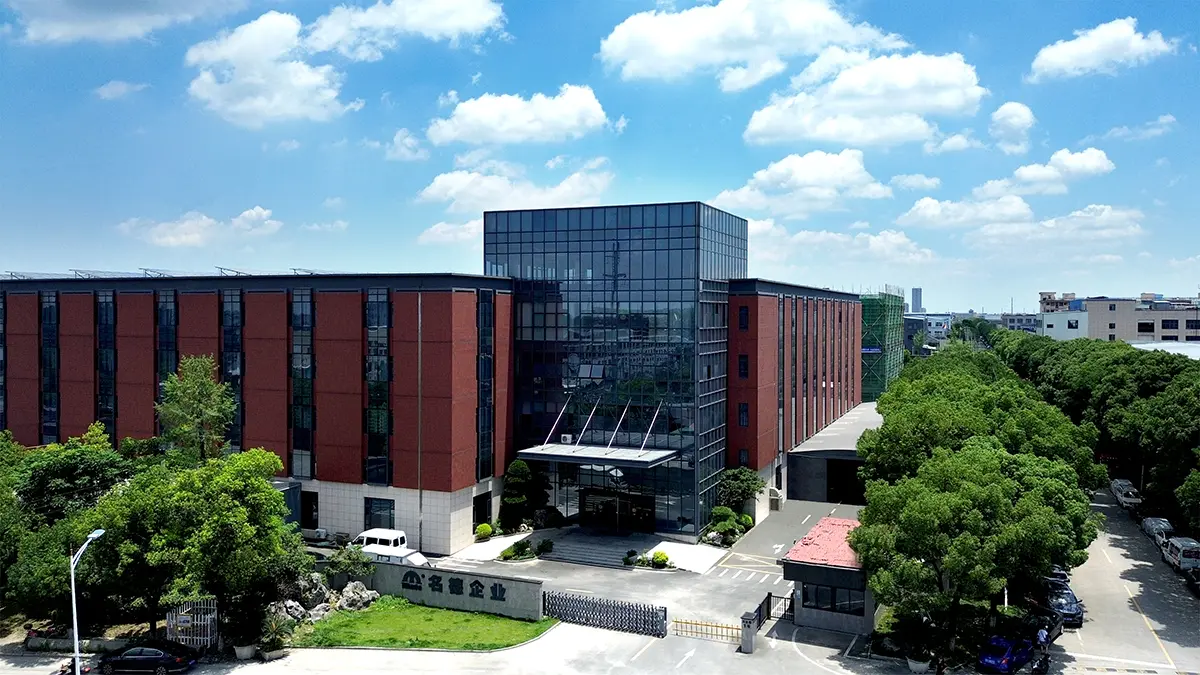
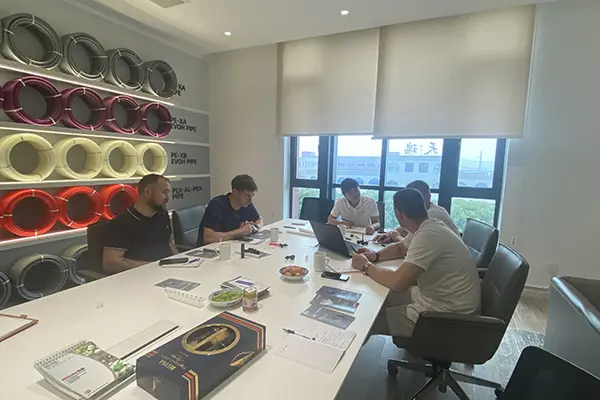
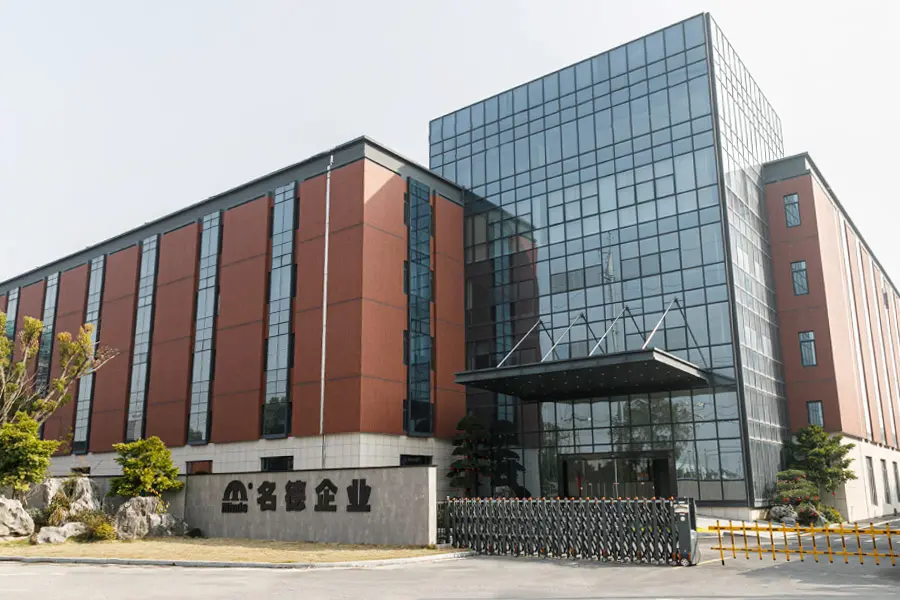
Ningbo Minde Building Materials Co., LTD., headquartered in Zhejiang Province, China, is an established industry pioneer focusing on the engineering and manufacture of premium plastic pipe systems. For over 20 years, Minde has committed to supplying high-integrity water distribution solutions for residential, municipal, and agricultural applications.
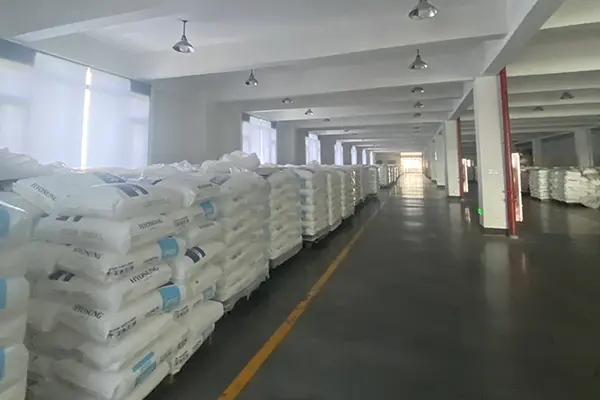
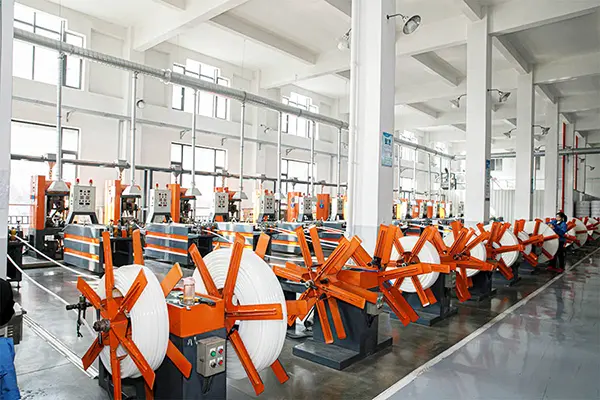
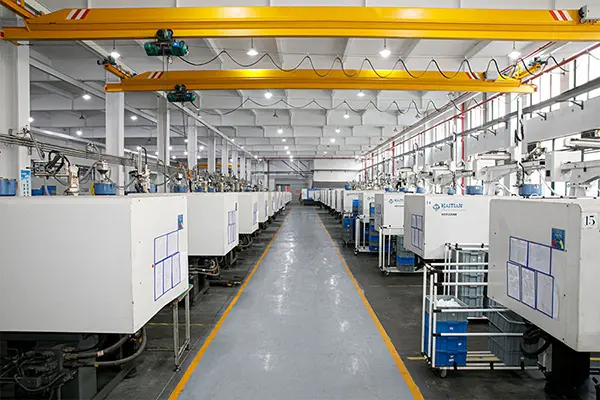
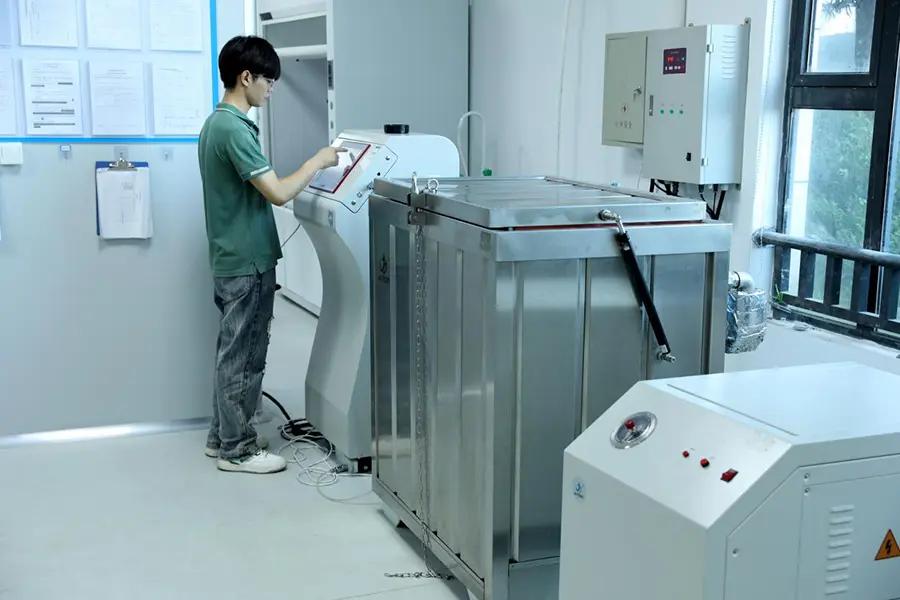
Spanning a standardized manufacturing base of over 90,000 square meters, our facilities house 45 fully automated extrusion lines, 85 high-precision injection molding machines, and a centralized automatic raw material feeding system. This production layout is managed by a team of over 200 skilled operators and technical experts, ensuring consistent product metrics across large production runs.
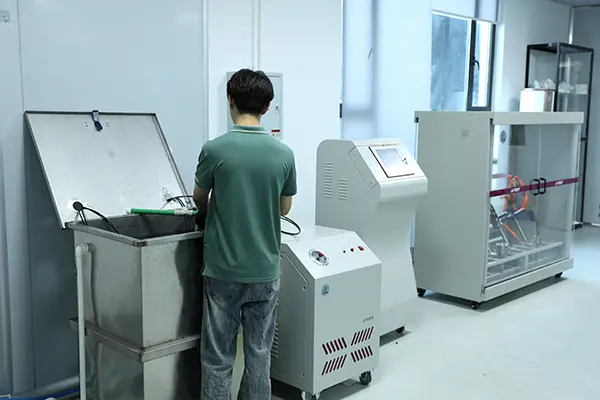
To maintain strict E-E-A-T (Experience, Expertise, Authoritativeness, Trustworthiness) criteria, our manufacturing protocol enforces three distinct inspection check-points: Raw Material Verification, In-Process Calibration, and Post-Production Stress Testing. By using only premium imported virgin materials and avoiding low-grade recycled plastics, we guarantee that each fitting withstands the rated operating pressures, eliminating mechanical vulnerabilities that lead to costly leaks or system downtime.
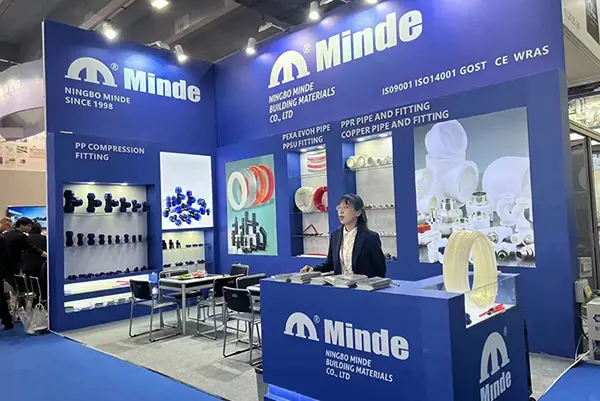
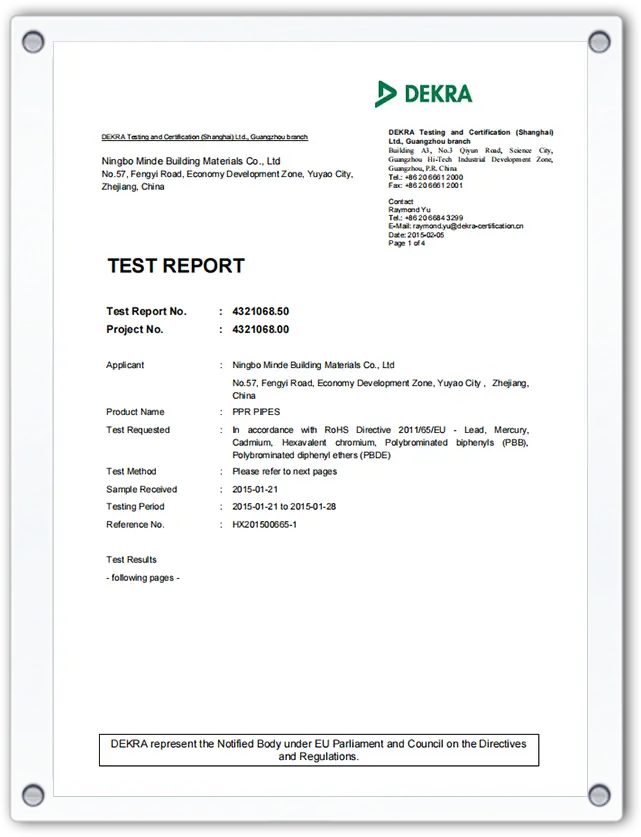
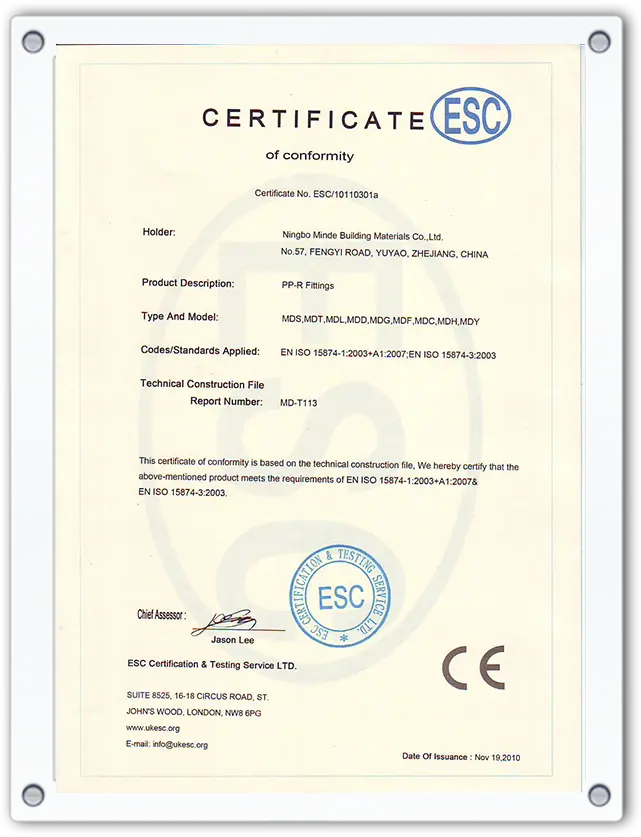
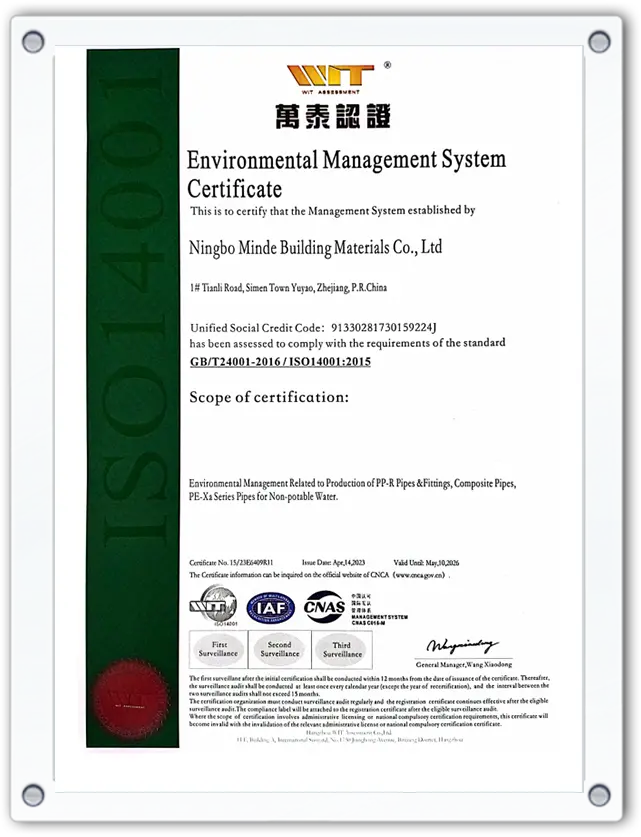
Compliance is critical in modern piping procurement. To serve major engineering consortia globally, Minde has achieved comprehensive certifications ensuring our products satisfy international sanitary, pressure, and mechanical safety standards.
ISO9001:2022 Quality Management
WRAS Drinking Water Standard
EU CE Compliance
Our portfolio complies with ISO9001:2022, ISO14001 environmental guidelines, the European Union's CE Certification, the United Kingdom's WRAS (Water Regulations Advisory Scheme) for potable water safety, and the Russian Federation's GOST standard. Currently, our products are regularly exported to over 50 countries, including Russia, Ukraine, South America, Southeast Asia, the Middle East, and parts of Europe, showing the adaptability and structural integrity of Minde components in diverse operating conditions.

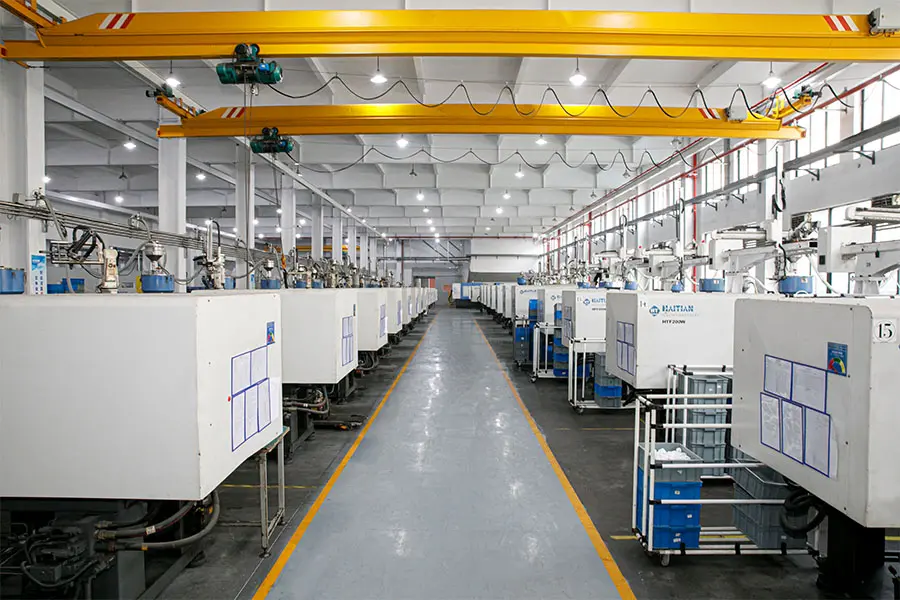
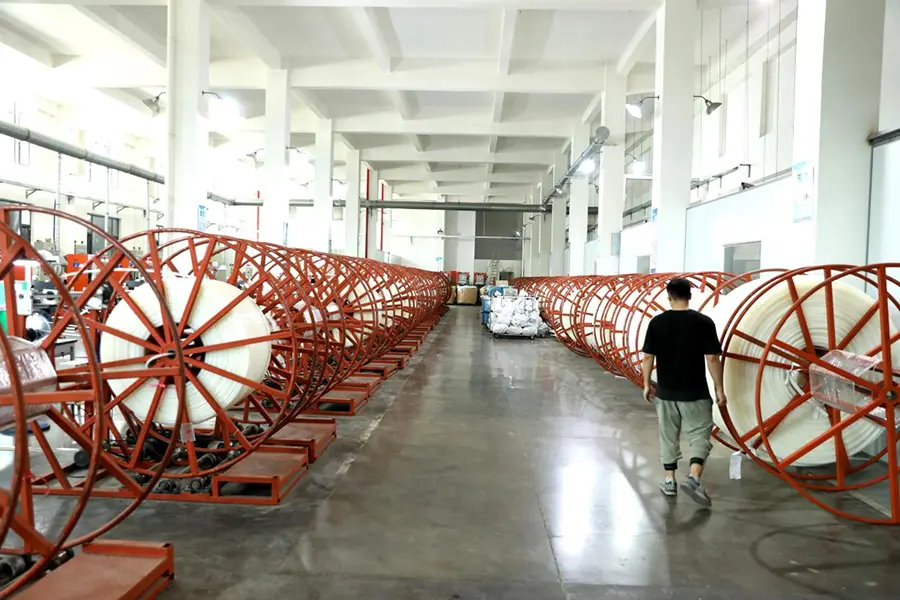
The geometry of a 90-degree elbow introduces localized turbulent flow and frictional resistance, which increases head loss within the pipeline. Minimizing this hydrodynamic resistance requires careful design. Minde's ODM Elbows feature optimized internal curvature profiles that ensure laminar transition flow, reducing drag and energy loss in pumped networks.
We use high-grade NBR/EPDM O-rings that maintain elasticity under continuous thermal shifts, preventing leaks even when pipelines bend under soil load.
Our polyacetal (POM) split-ring locks onto the exterior surface of the PE tube, transforming mechanical tensile forces into radial gripping force.
Molded from virgin PP block copolymer, offering superior mechanical stability, defense against environmental stress cracking, and UV degradation.
Unlike inferior products that use thin-walled plastic bodies or filler minerals, our PN16-rated fittings are engineered for high-stress applications. The thick-walled body resists sudden pressure surges (water hammer), typical in semi-automated agricultural zones and high-pressure pumping stations.
Minde's specialized plastic piping solutions find application across three major sectors, each demanding unique physical tolerances:
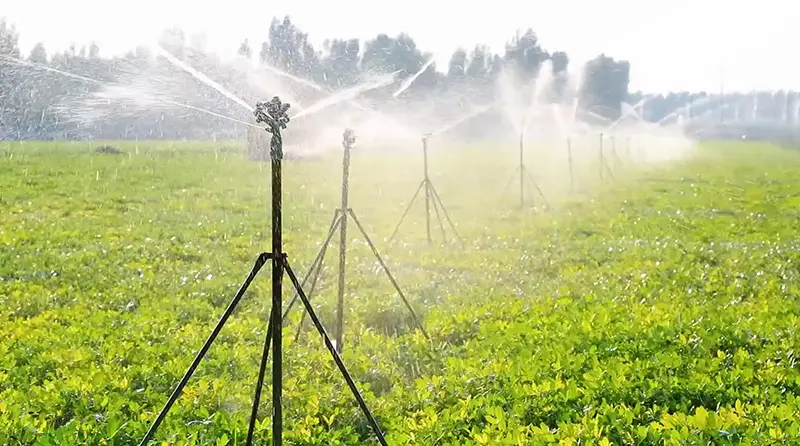

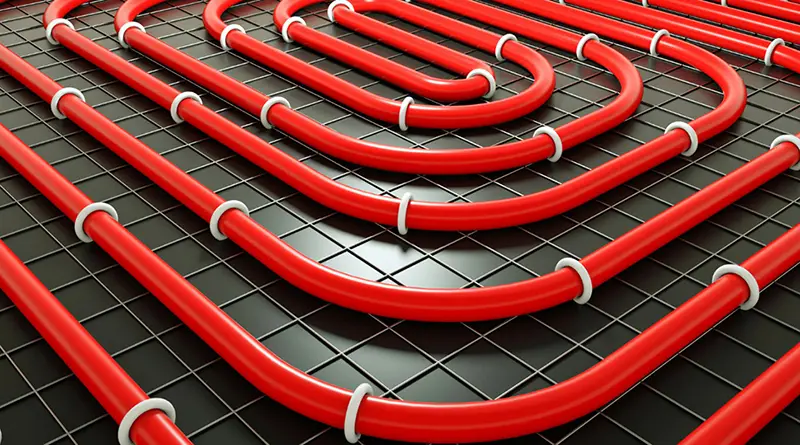
In agricultural environments, fittings face fertilizers, pesticide residues, and acidic soils. Our polypropylene compounds offer complete chemical resistance, avoiding corroding reactions common in brass or galvanized steel fittings. For sub-surface radiant heating layouts, the introduction of our NSF61 certified PPSU reducing couplers and tees ensures leak-free performance within concrete slab installations.
We are committed to continuous technology development. Our production and R&D roadmap focuses on:
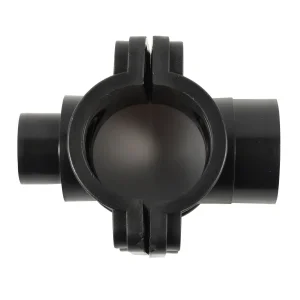
Our expanded selection of structural saddles, PEXa connectors, and heavy-duty reducing couplings for professional distribution networks.
 Minde
Minde