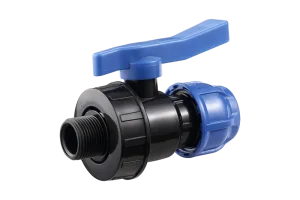
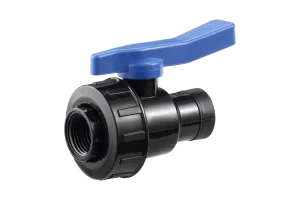
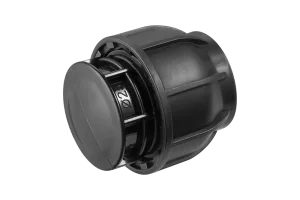
Cross-linked polyethylene (PEX) has revolutionized municipal and industrial civil engineering globally. Known for its exceptional flexibility, high temperature-pressure rating, and resistance to scale build-up, PEX serves as the backbone of modern hydronic installations. The industrial shift away from rigid copper and standard PVC toward flexible polymers has accelerated due to labor shortages and rising raw material costs.
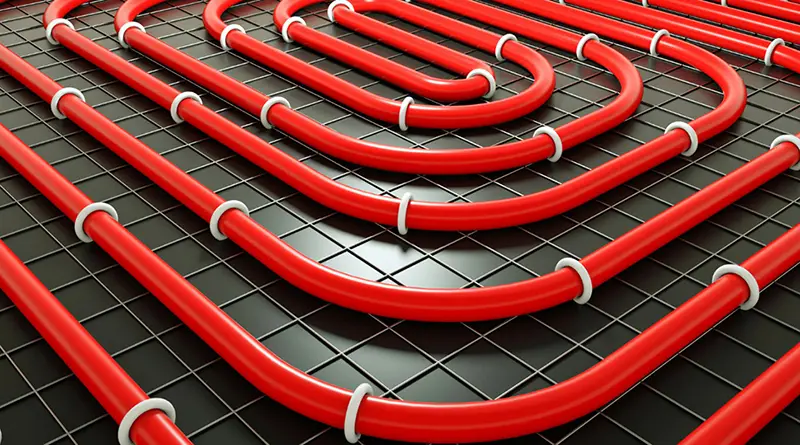
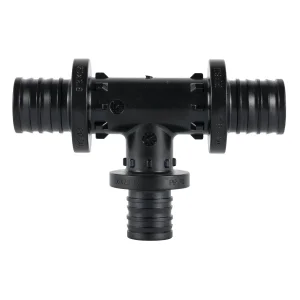
From residential potable water distribution in North America to massive underfloor radiant loops in European commercial complexes, PEX-a (peroxide method), PEX-b (silane method), and PEX-c (electron beam irradiation) are paving the way for durable, long-cycle infrastructure. This transition is further supported by heavy-duty transition fittings like high-performance Poly PPSU (polyphenylsulfone) expansion rings and high-density PP compression couplings, creating robust, leak-proof mechanical connections.
As infrastructure requirements change, three technology vectors shape the PEX and plastic fittings market:
Standardization and Quality Approvals: Global markets demand certified compliance. Infrastructure and commercial tenders require strict compliance with standards such as NSF/ANSI 61 for potable water safety, WRAS approval for water system regulations in the UK, CE conformity in Europe, and GOST certifications for Eastern European customs unions. Manufacturing plants must utilize high-grade, virgin imported raw materials to achieve consistency across dynamic temperature environments (-10℃ to 95℃).
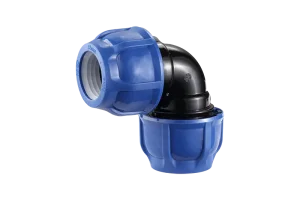
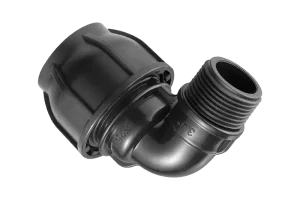
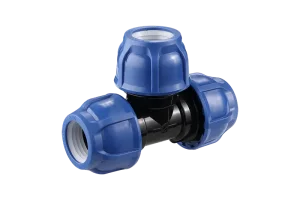
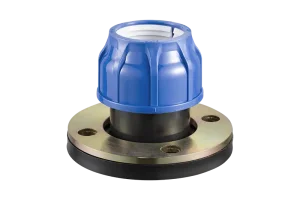
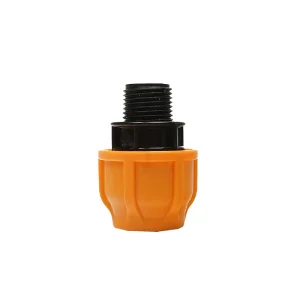
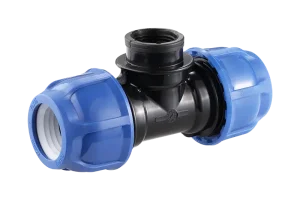
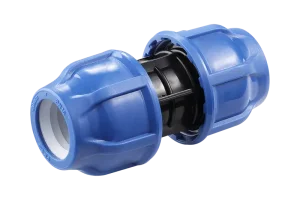
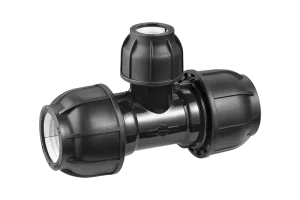
At the product connection interface, quick-coupling PP compression fittings provide the mechanical strength to transition from rigid main lines (such as HDPE) to distribution loops. By relying on high-torque locking nuts and custom-molded elastomeric profile gaskets, they provide reliable seals for long-lasting civil and agricultural irrigation networks.
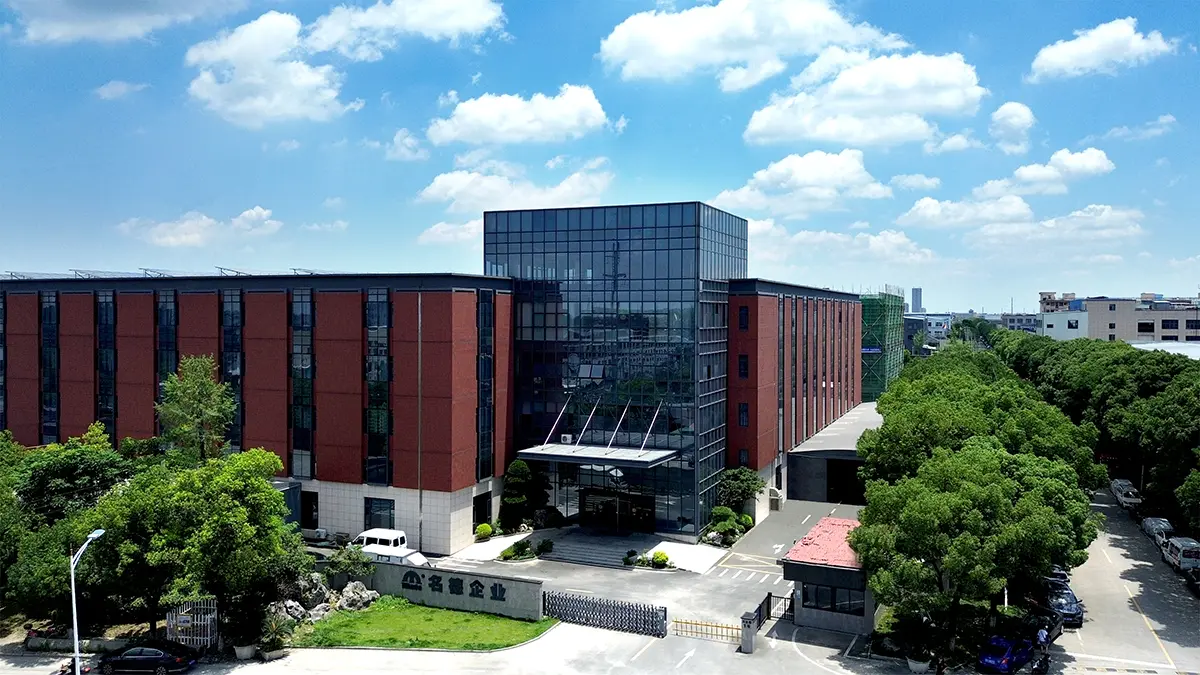
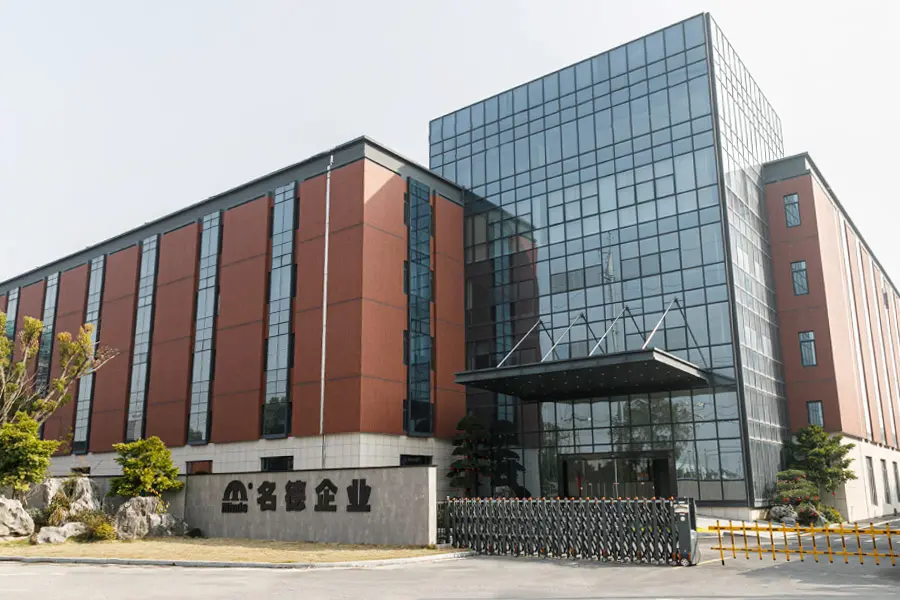
Based in Zhejiang Province, China, Ningbo Minde Building Materials Co., LTD. brings over 20 years of manufacturing experience to the global plastic piping industry. We provide end-to-end extrusion, molding, and engineering solutions to clients across residential, agricultural, and commercial sectors.
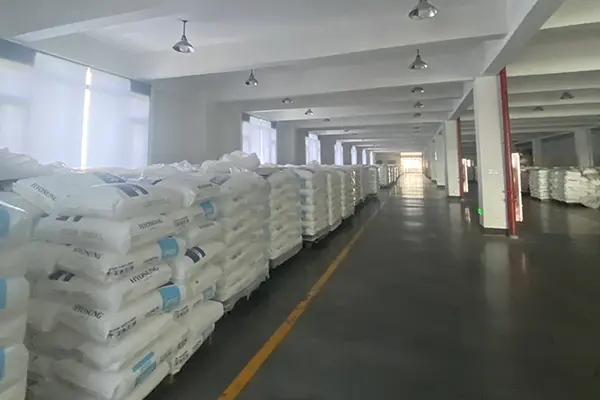
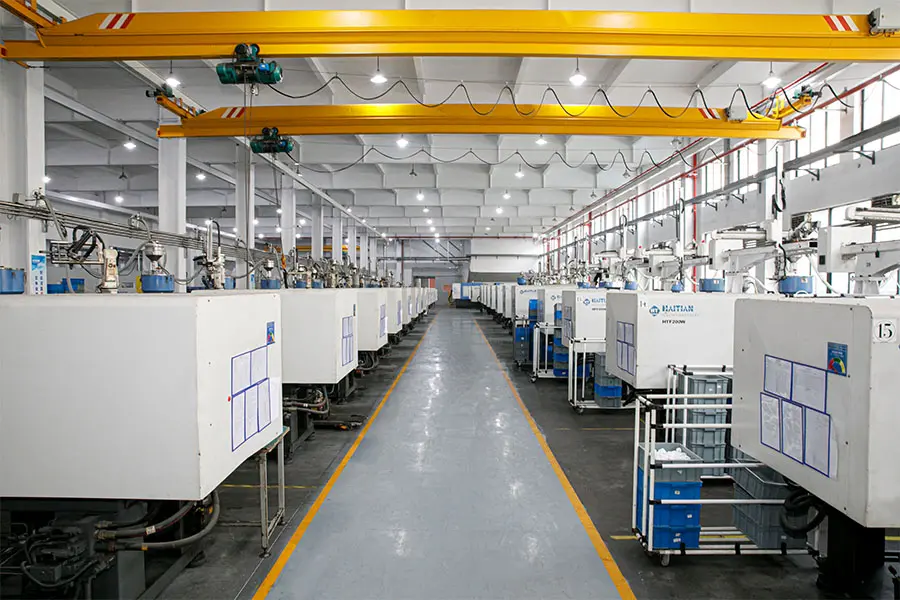
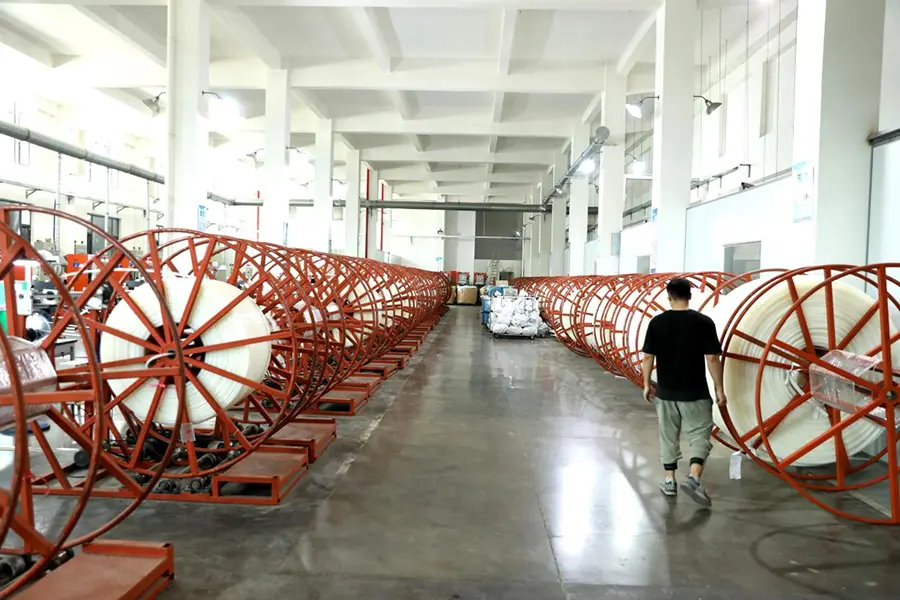
To guarantee eco-friendly, long-lasting pipeline systems for end-users, MINDE strictly utilizes premium imported virgin raw materials. We run a comprehensive factory floor spanning more than 90,000 square meters, managing the entire production flow from raw materials through injection molding to pressure testing.
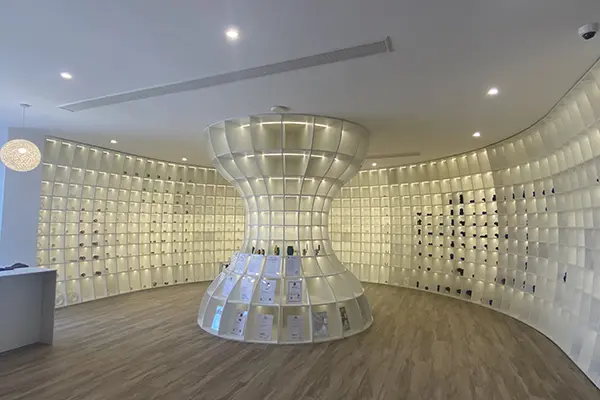
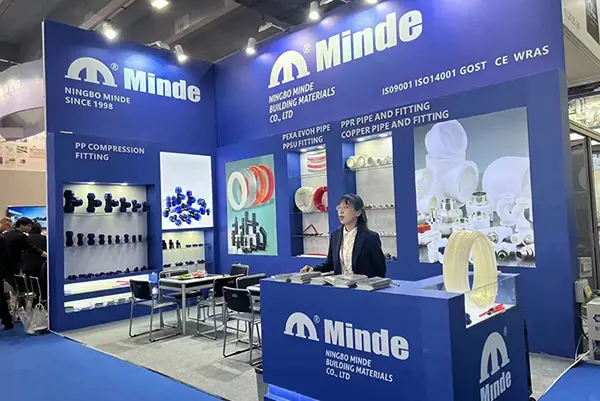
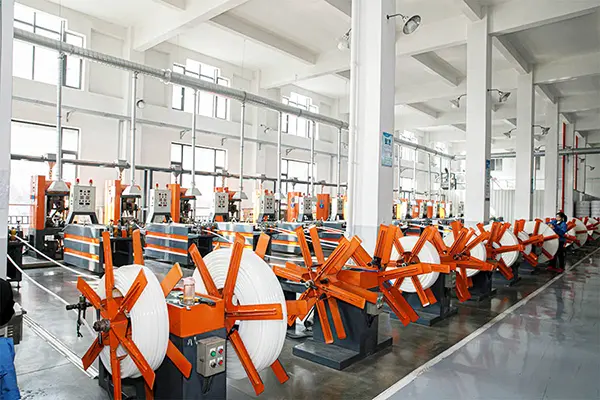
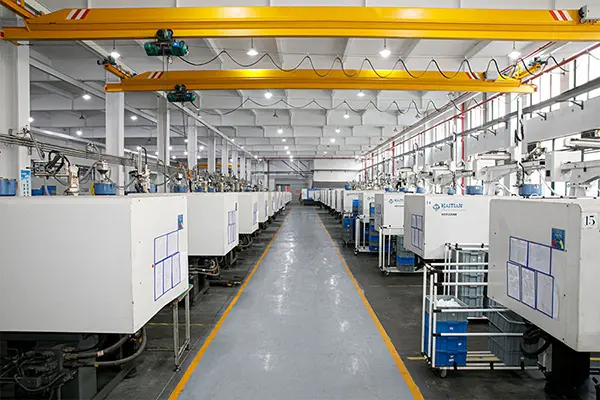
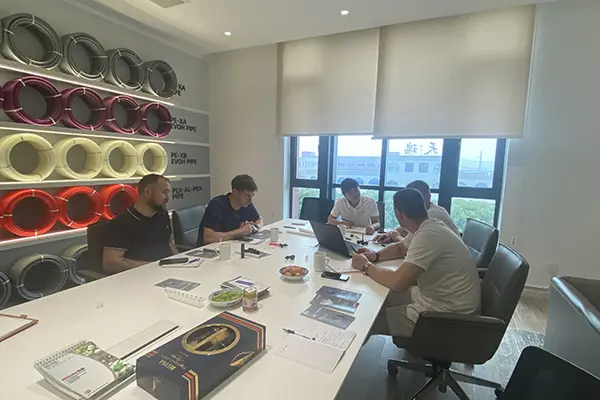
Our components are integrated into major civil infrastructure projects worldwide. From architectural layouts to regional water works, we customize designs to match project-specific pressures, dimensions, and chemical environments.


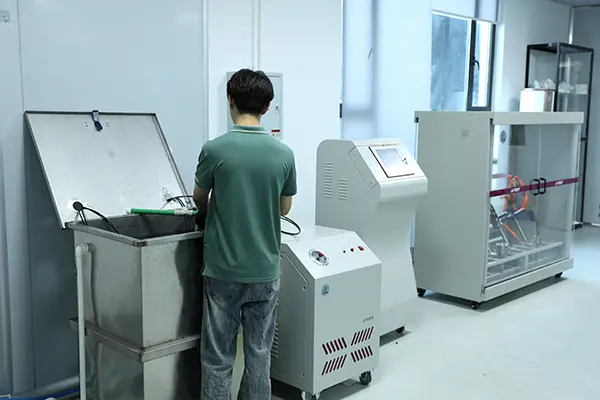
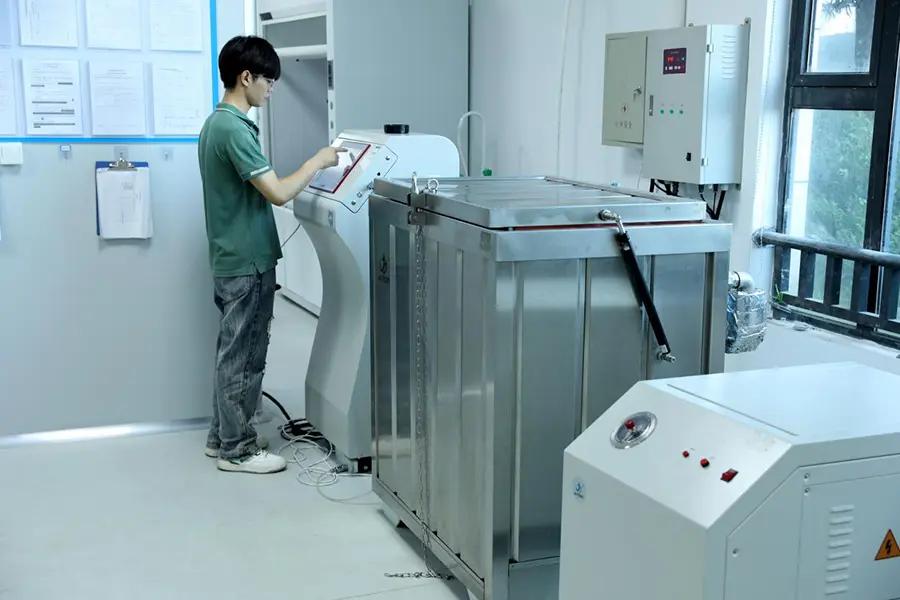
At MINDE, our QC program monitors three critical stages: incoming raw material inspections, continuous inline process checks, and physical testing of finished batches. We run pressure burst chambers and thermal cycle instruments to confirm safety parameters before products leave our facility.
This systematic quality control has earned our products certifications from leading global standards bureaus:
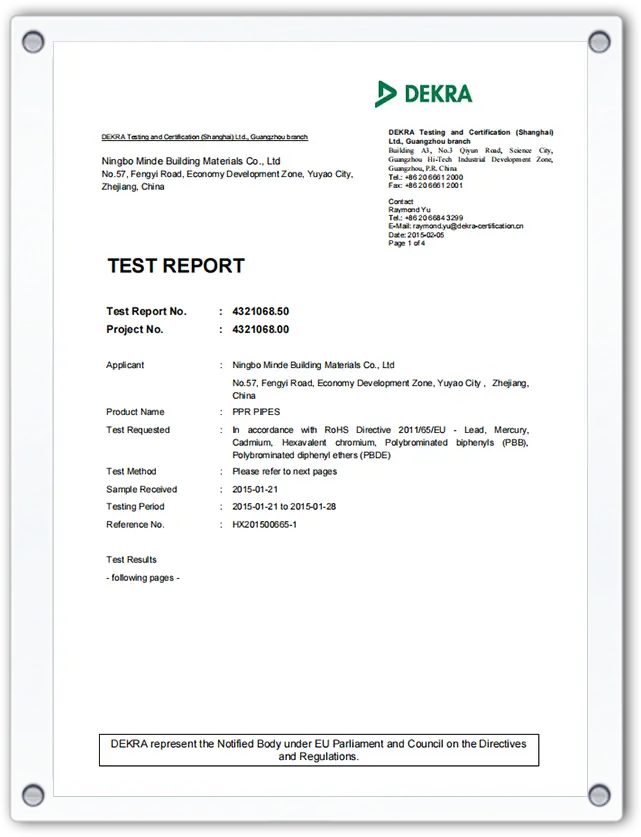
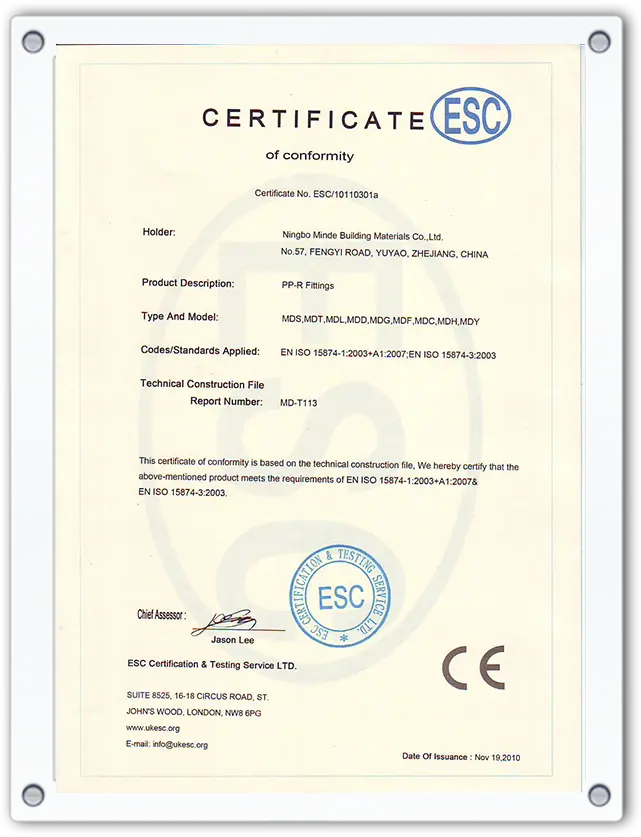
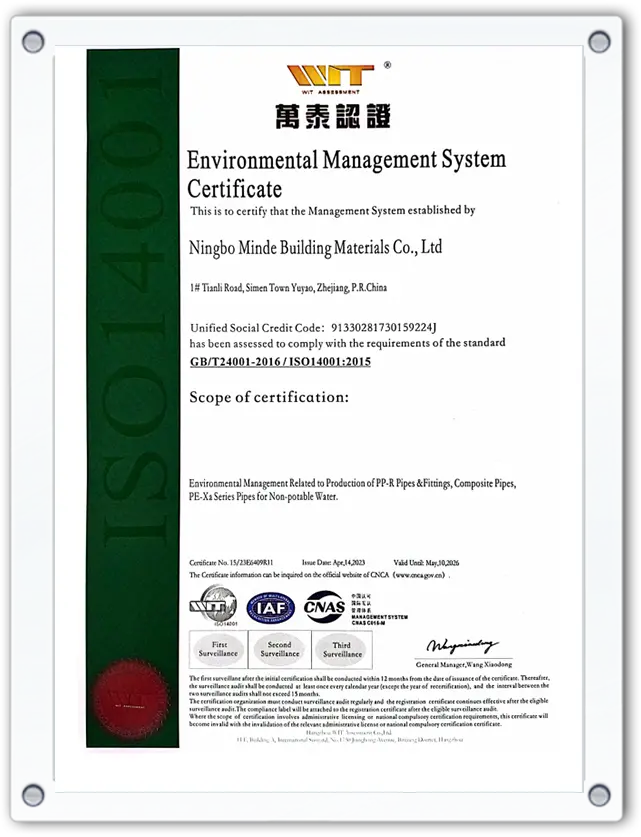
Our partners span over 50 countries across South America, Eastern Europe, the Middle East, and Southeast Asia. Built on our core values of Innovation, Quality, Competitive Price, and Thoughtful Service, we offer direct factory support, custom colorways, custom branding, and custom packaging.

Understanding cost structures is critical for global distributors and project estimators. PEX and high-pressure PP/PPSU fitting prices are primarily driven by four factors:
The market prices of polymer resins (such as imported PE-Xa resin, raw polyphenylsulfone polymer, and block copolymer PP-R) fluctuate with global petrochemical indexes. Purchasing virgin materials guarantees product longevity, shielding components from premature aging, cracking, and chemical degradation.
Nominal pressure dictates physical wall thickness. Standard residential systems utilize PN10 configurations, whereas industrial and high-rise commercial structures require PN16 or PN20 parameters. Heavy-duty walls consume more polymer resin per meter, impacting the base unit price.
Custom sizes, custom threads, and branded embossing require high-precision injection tooling. While initial mold development introduces upfront costs, high-volume production orders amortize these expenses, lowering unit pricing on long-term supply contracts.
Ningbo Minde provides scalable, tier-based pricing models for global distributors, commercial project bidders, and engineering procurement offices. In addition to our standard catalogues, we quote on custom parameters (such as EVOH layers, custom SDR ratings, and regional threads). Submit your engineering specifications directly to our estimating team to receive your detailed project estimation and custom volume discounts.
 Minde
Minde