Engineered to PN16 standards, using premium virgin materials for extreme temperature and pressure limits.
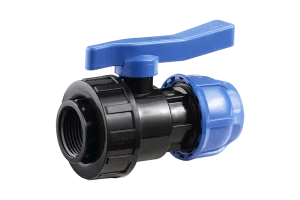
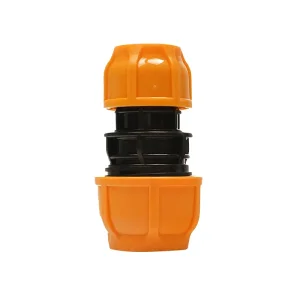
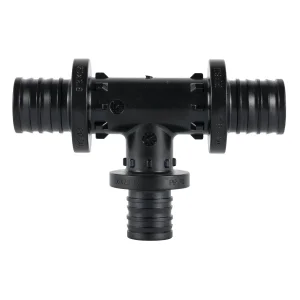
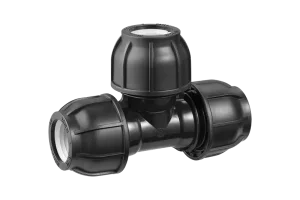
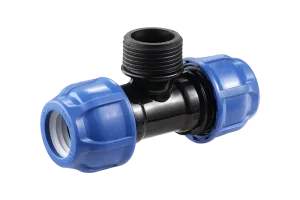
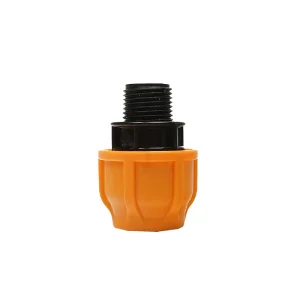
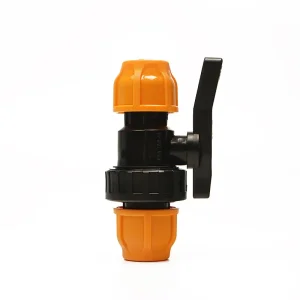
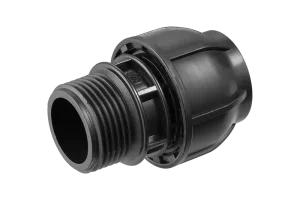
In modern industrial fluid transport systems, structural integration, leak mitigation, and hydraulic transitions represent critical criteria for piping performance. Polypropylene Random Copolymer (PPR / PP-R Type 3) has emerged as the premier material class for constructing potable hot and cold water networks, floor heating layouts, and industrial chemical conveyance pipelines. When reducing connection diameters in complex layouts, the PPR Reducer acts as a fundamental component to transition flow velocity and regulate systemic pressure. In this comprehensive B2B sourcing report, we explore material attributes, structural design variations, manufacturing standards in Ningbo Minde’s factory, and localized application frameworks.
Choosing the correct plastic formulation decides the long-term reliability (intended for 50+ years of active duty) of piping setups. Standard Polypropylene homopolymer (PP-H) features high stiffness but struggles under low-temperature impact stresses. PPR features a random distribution of ethylene monomers along the polypropylene backbone chain, which greatly improves elastic elongation, impact absorption, and chemical fatigue limits. When specialized floor layouts necessitate superior thermal stress resistance, polyether sulfone derivatives like Poly PPSU (polyphenylsulfone) are utilized. PPSU offers structural stability under extreme high-pressure hot water runs (exceeding 95°C continuous thermal cycles), making custom equal tees and connectors critical components in radiant hydronic manifolds.
Designed for continuous operational loads up to 70°C, and transient peak exposures reaching up to 95°C without structural deformation.
At 0.24 W/mK, PPR significantly lowers thermal dissipation, conserving hot water temperatures and preventing surface dew condensation.
Smooth inner bore prevents scale crystallization and galvanic degradation, ensuring stable flow dynamics over decades.
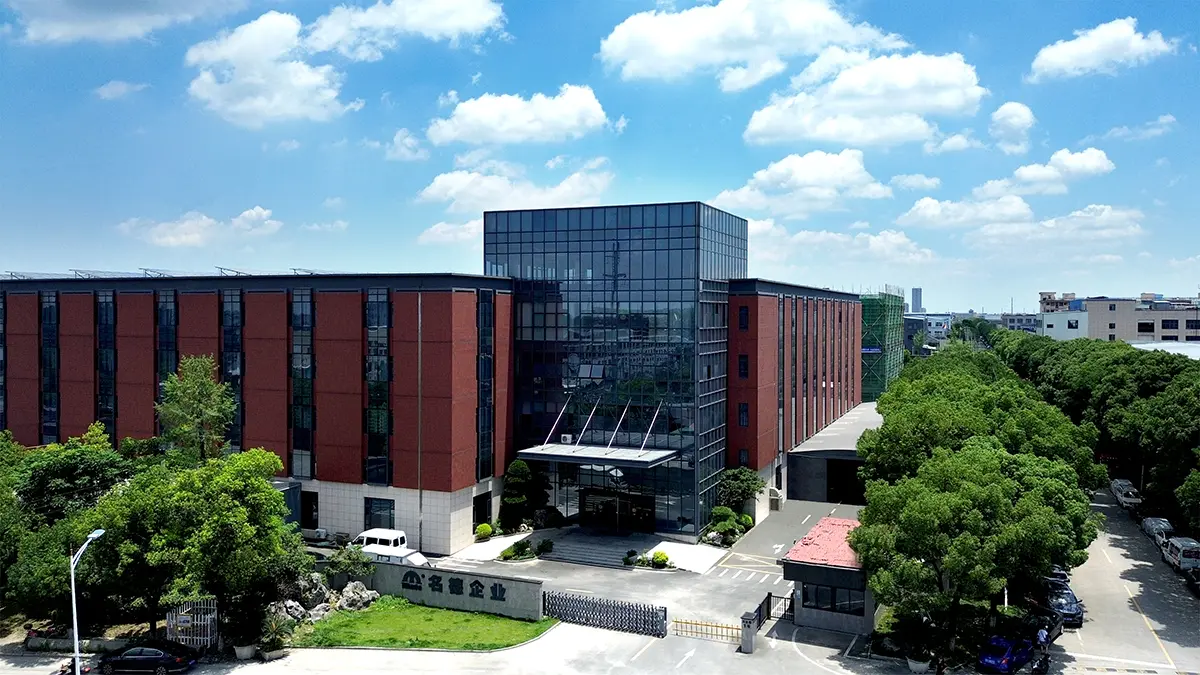
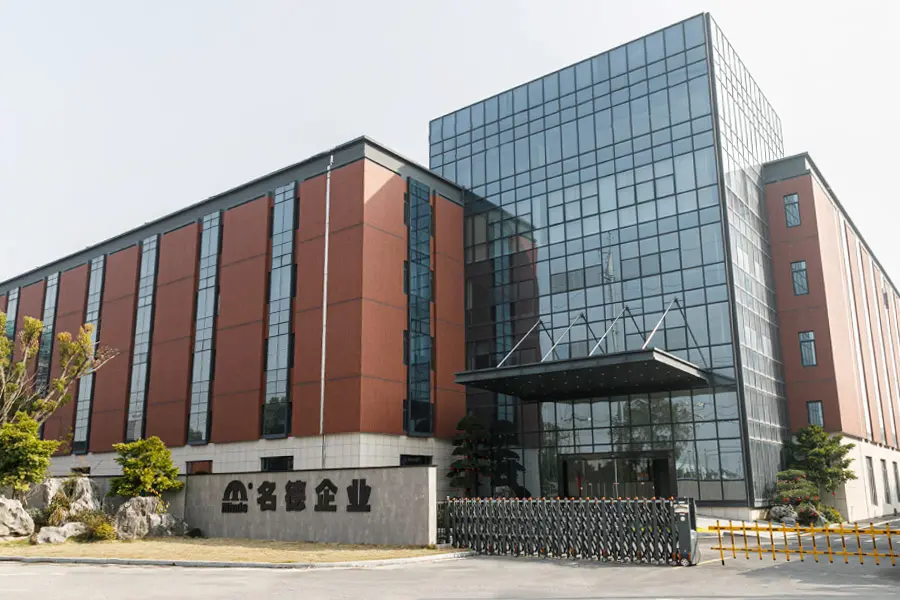
Based in Ningbo, Zhejiang Province, China, Ningbo Minde Building Materials Co., LTD. is a leading factory specializing in the production of high-grade plastic pipes and matching connection fittings. Armed with over 20 years of manufacturing experience, we deliver end-to-end industrial-scale solutions for residential water networks, agricultural agricultural irrigation channels, and radiant underfloor structures.
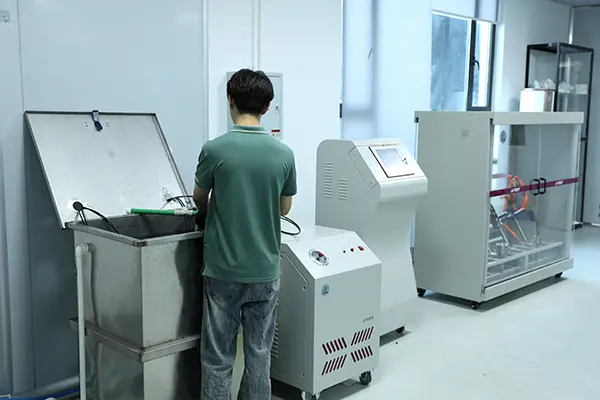
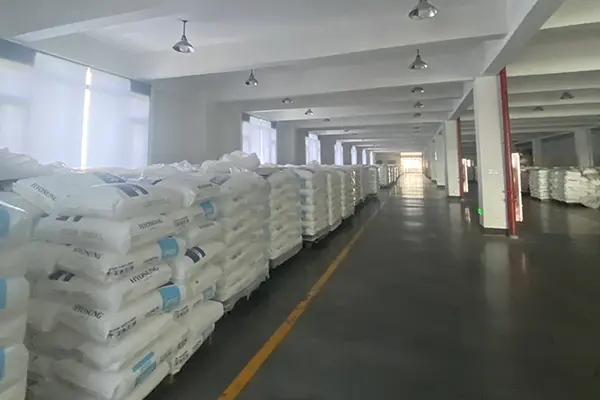
To secure a zero-defect product ecosystem, our factory operates three primary quality inspection gates: Raw Material Verification, Inline Process Quality Monitoring, and Finished Batch Inspection. By relying exclusively on certified virgin polymers and utilizing advanced testing machinery, we guarantee performance metrics that align with key European and global target standards.
Fully automated material feeding pipelines and advanced high-precision tooling setups.
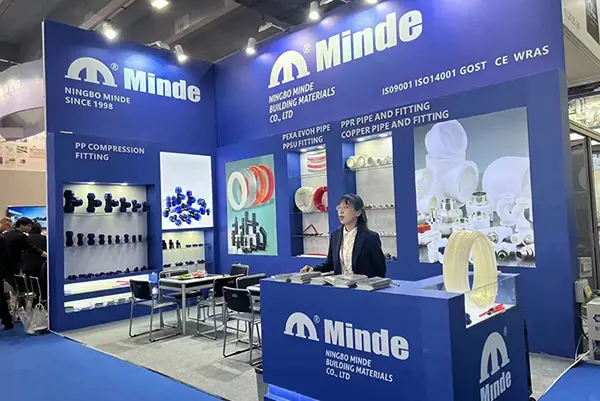
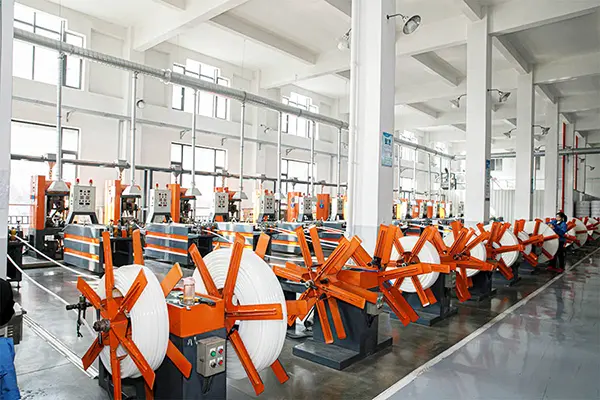
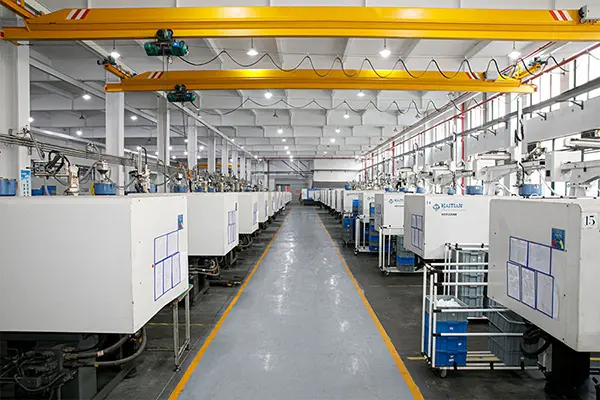
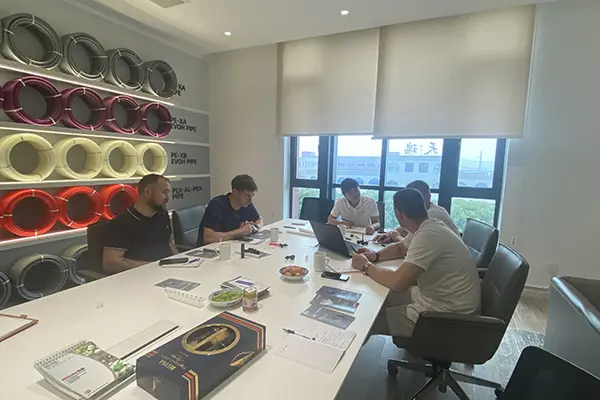
Procurement departments at global construction firms and plumbing distribution hubs face persistent supply chain friction: pricing fluctuations, delayed factory outputs, and non-compliance with regional sanitary certifications. Partnering with a specialized factory based in the industrial hub of Ningbo, China addresses these systemic issues:
Ningbo hosts one of the world's most dense petrochemical and injection molding clusters. This local density minimizes the cost of premium raw materials, reduces domestic transport times, and ensures access to advanced molding technologies, stabilizing overall pricing.
From bespoke reducing ratios to customized wall thicknesses (SDR6, SDR7.4, SDR11) and branded finishes, Minde’s in-house engineering team designs and manufactures molds rapidly, delivering customized solutions within short timeframes.
Our proximity to the Ningbo-Zhoushan Port—the world’s busiest port by cargo tonnage—means we can arrange fast container loadings, lower domestic transport fees, and secure reliable shipping routes to over 50 export countries.
Engineering piping components for clean drinking water networks and hydronic loops demands compliance with international health and safety rules. Ningbo Minde operates under strict production controls, securing approvals from globally recognized certification bodies:
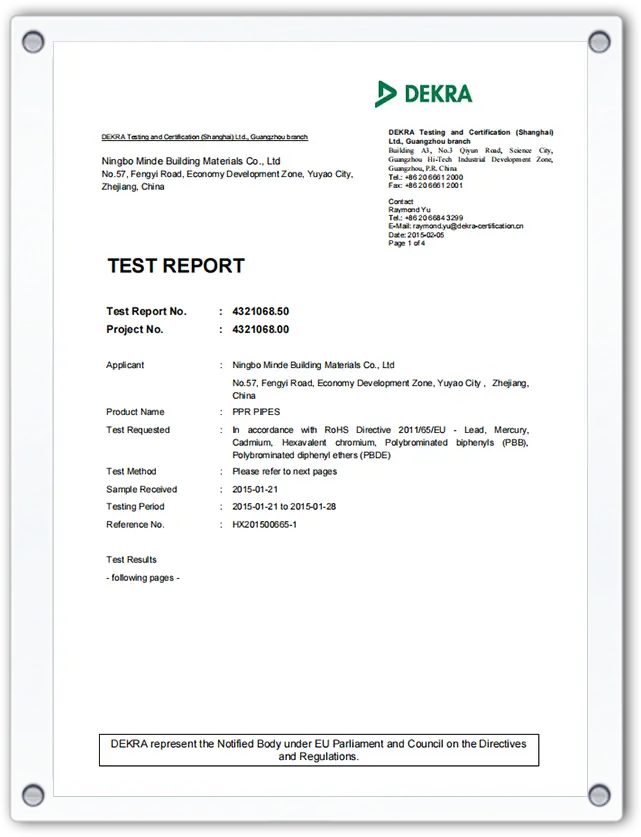
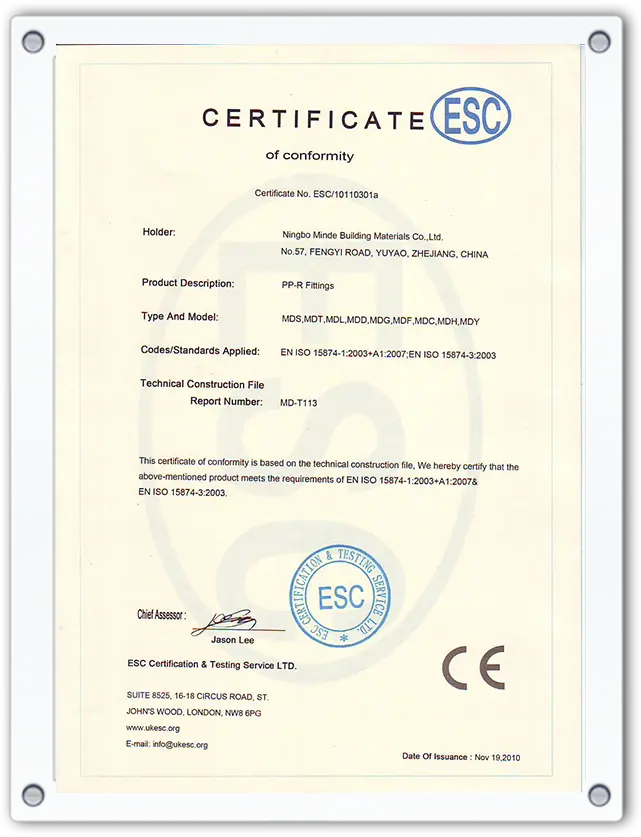
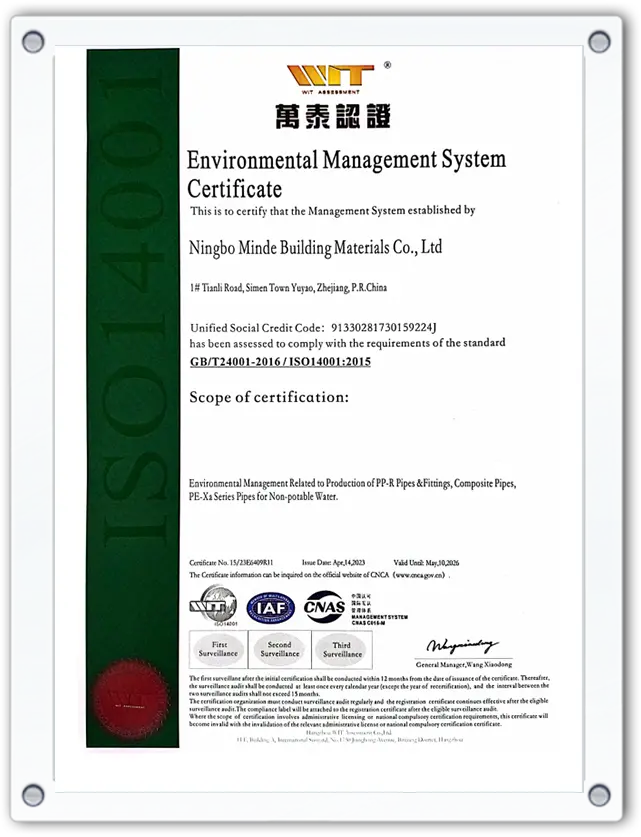
MINDE warmly welcomes partners all over the world. Our primary principle is built on INNOVATION, QUALITY, COMPETITIVE PRICE, AND SERVICES. Our company focuses on expanding our global market reach by building a strong brand reputation and supporting that brand with dedicated technical service. We are committed to supplying worldwide customers with durable plastic piping products, best-in-class service support, and reasonable prices.

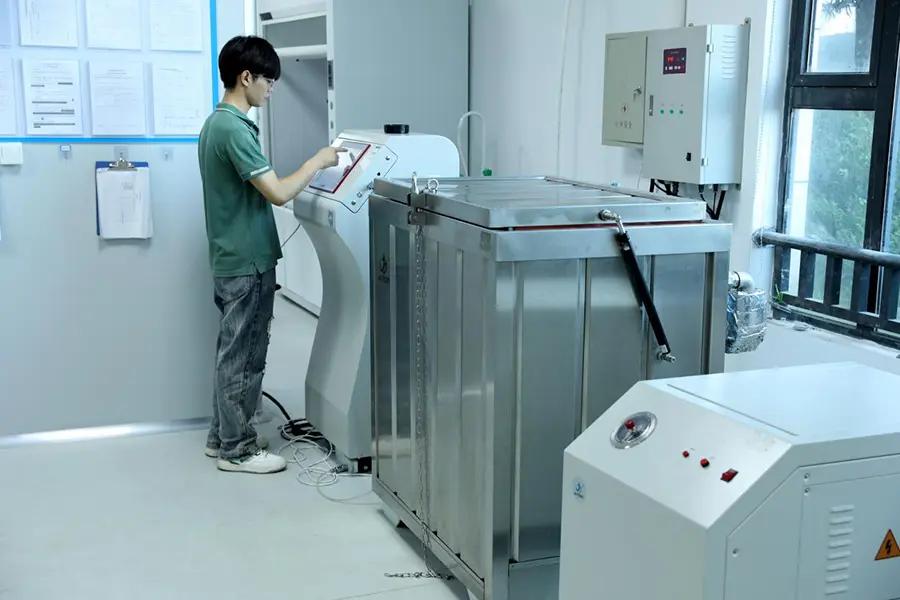

Non-toxic, lead-free PPR pipelines maintain hygienic parameters inside multi-story commercial and residential complexes.
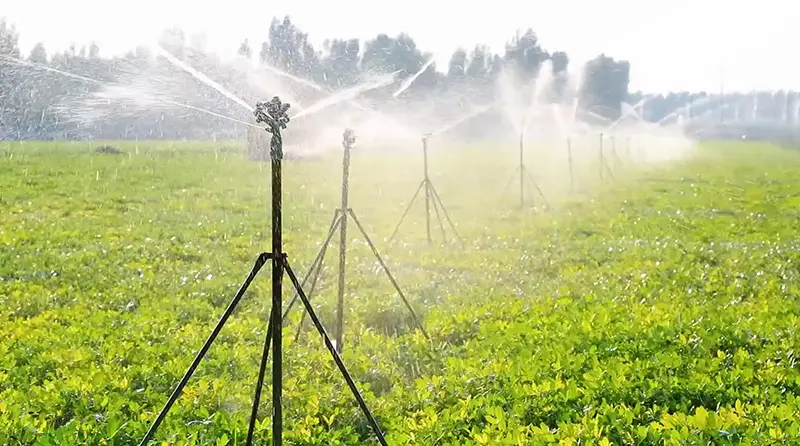
Equipped with UV resistance and high mechanical strength, Minde's compression fittings operate reliably in open farmland settings.
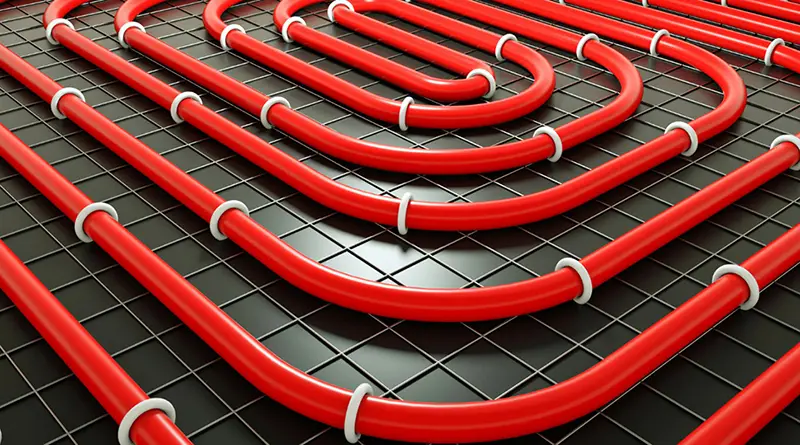
Heat-deflection resistant PP-R and PPSU components process constant hot water circulation without risk of thermal creep.
For B2B procurement officers, understanding the components of a manufacturer's PPR Reducer Pricelist is essential for cost management. Sourcing prices are determined by three key factors:
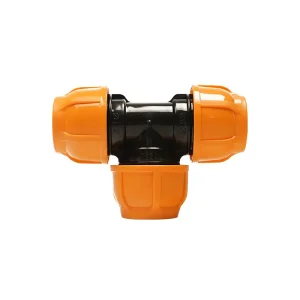
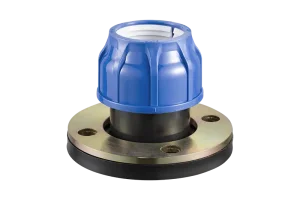
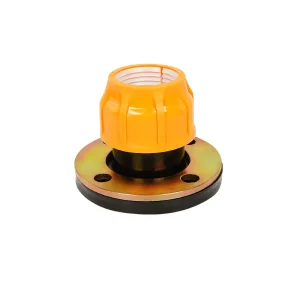
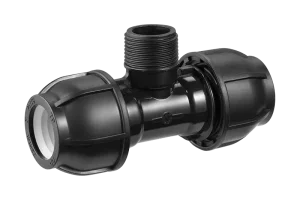
Browse additional specialized connection configurations engineered for versatile system integration.
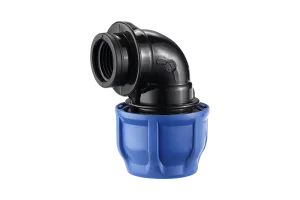
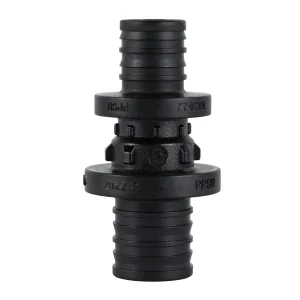
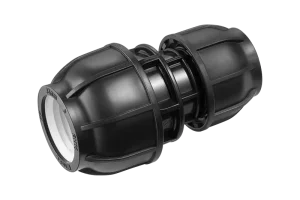
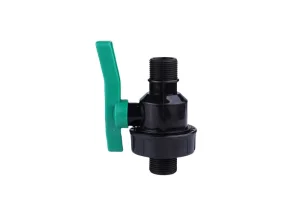
Resolving common engineering queries for global sourcing specialists.
 Minde
Minde