High-precision manufactured fittings engineered for reliable water infrastructure and mechanical piping projects.
An authoritative analysis of flow dynamics, structural integrity, and modern infrastructure sourcing strategies.
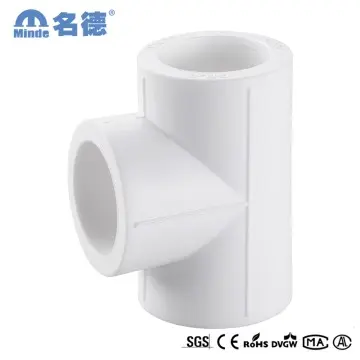
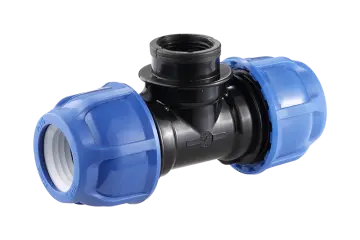
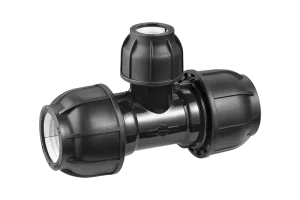
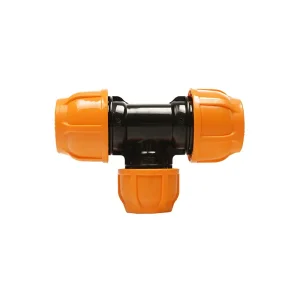
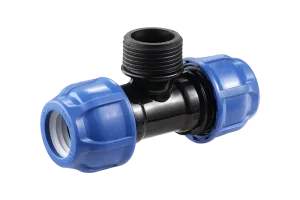
In modern fluid transport systems, hydraulic efficiency depends heavily on the geometry of directional changes and run alterations. A Reducing Tee is a vital component designed to transition flow from a larger primary pipe to a smaller branch line. This configuration is widely used in residential water networks, agricultural operations, and municipal systems to manage volumetric flow rates and optimize pressure balances. By reducing the branch diameter, fluid velocity can be adjusted to meet localized requirements without needing complex multi-component reducers.
From a material standpoint, Polyvinyl Chloride (PVC) and Polypropylene (PP) represent the standard for durability in commercial plumbing. Their inert chemical properties provide complete resistance to internal scaling, biological growth, and electrochemical corrosion. This makes them ideal for carrying potable water, wastewater, and mild chemical solutions. In pressure-rated piping systems, choosing between PN10 and PN16 configurations defines the safety margins for surge pressures and mechanical stresses in buried networks.
Procurement managers and engineering consultants globally look for reliable manufacturers to balance material quality, precision tolerances, and cost. The demand for high-grade PVC and PP Reducing Tees spans across various sectors:
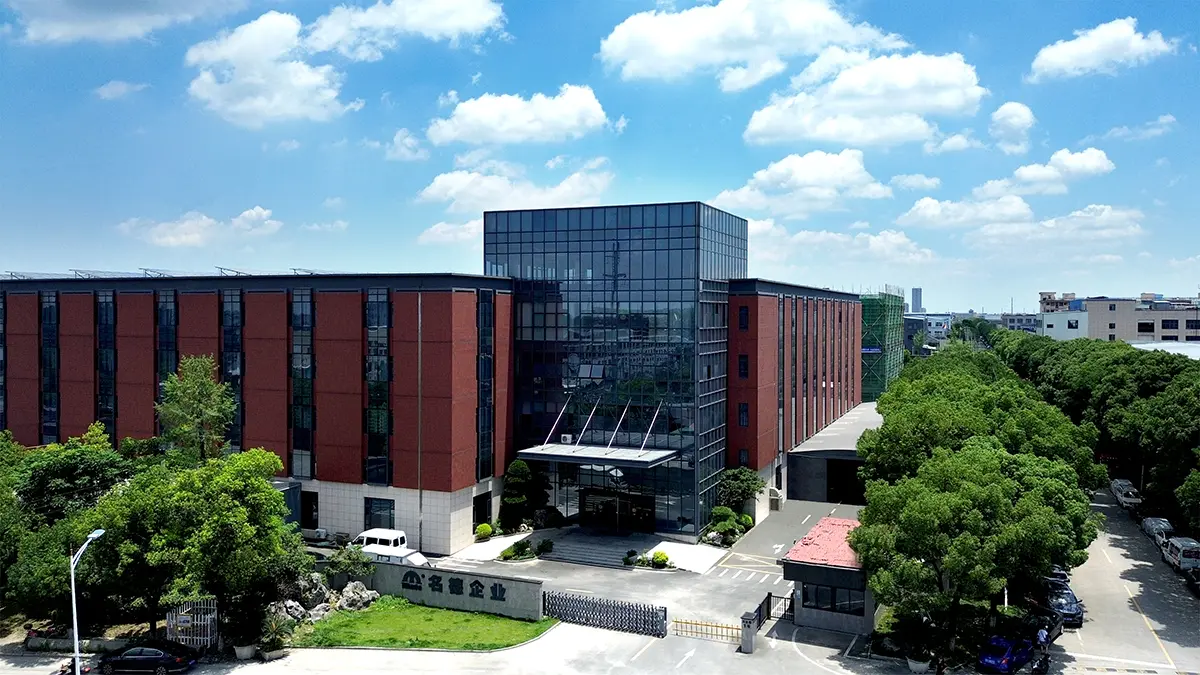
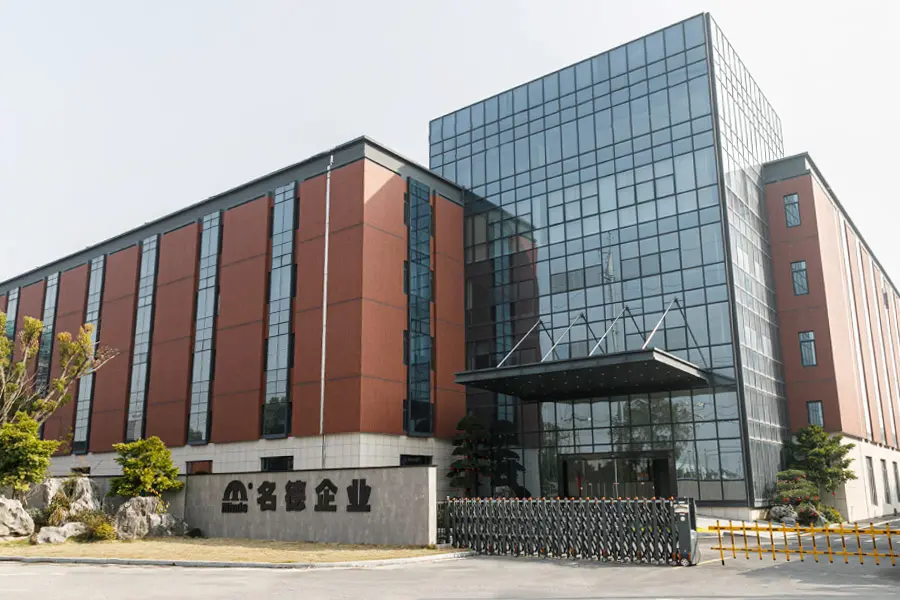
Ningbo Minde Building Materials Co., LTD. — Manufacturing Facility
A trusted, certified ODM/OEM partner with over two decades of plastic extrusion and injection molding expertise.
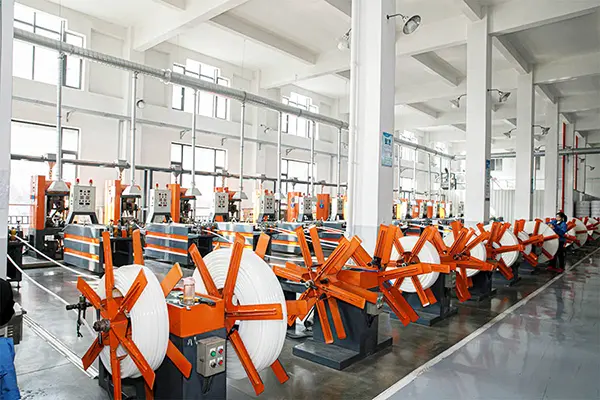
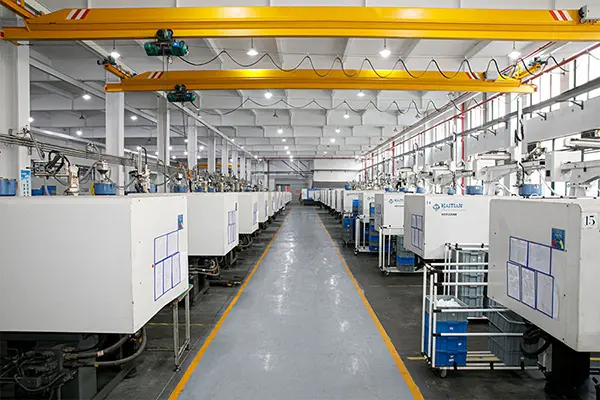
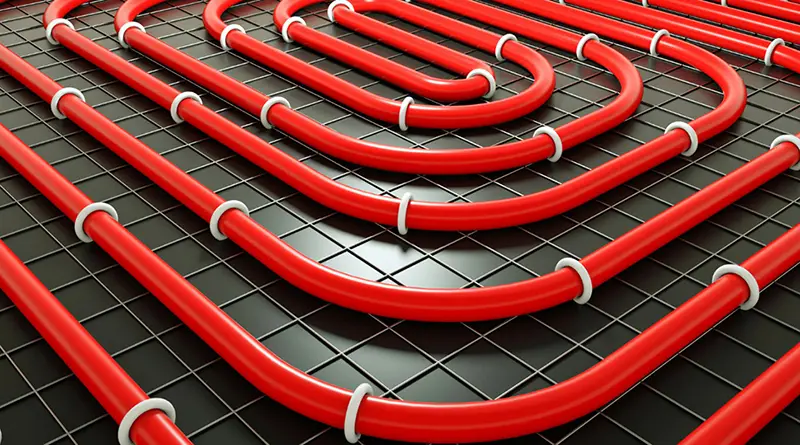
Based in the manufacturing hub of Ningbo, Zhejiang Province, China, Ningbo Minde Building Materials Co., LTD. has specialized in the production of high-performance plastic pipes and fittings for more than 20 years. Serving residential water supply, agricultural irrigation, and underfloor heating systems globally, we focus on producing durable, environmentally friendly components designed for demanding service environments.
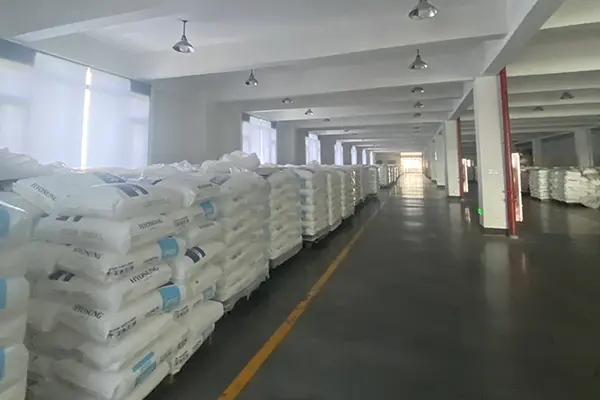
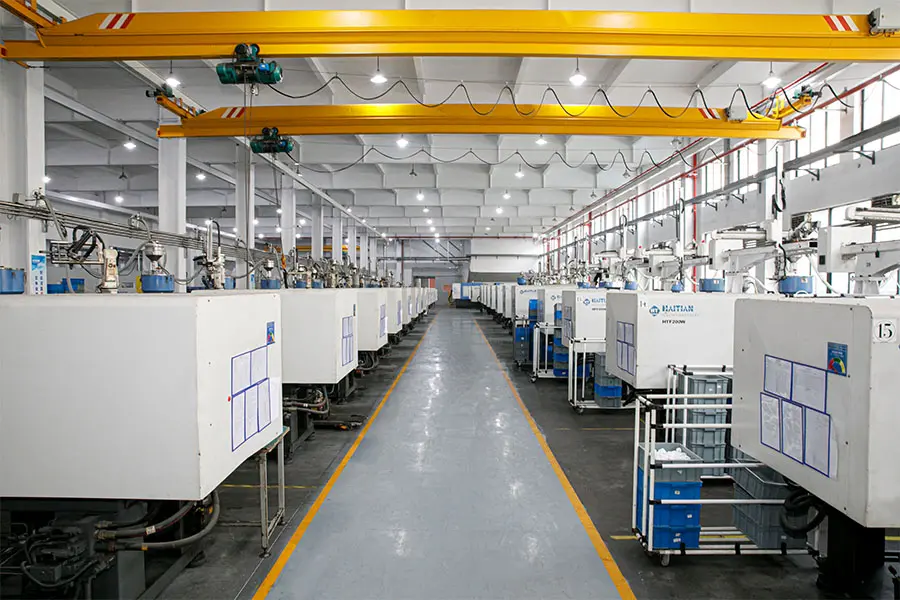
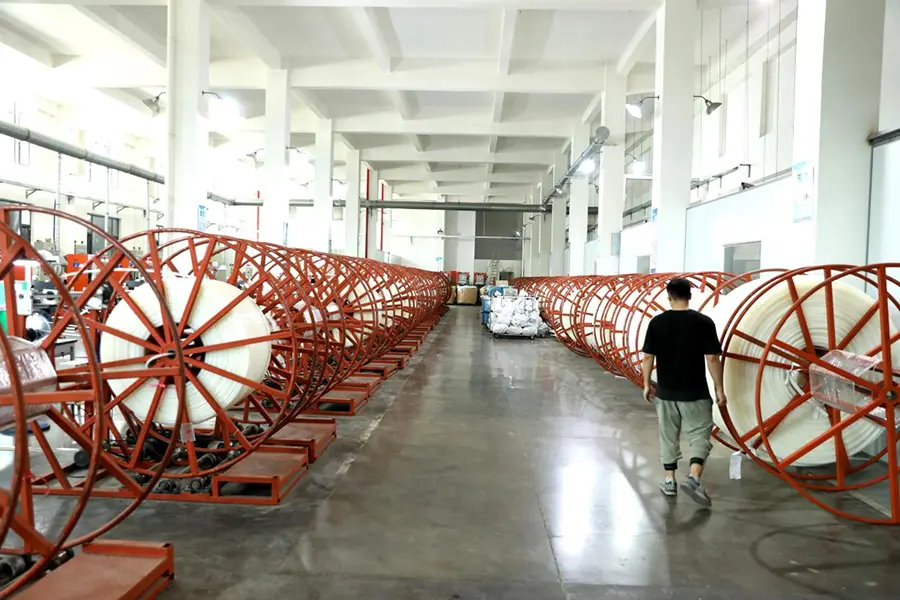
To ensure high material integrity, Minde uses imported premium virgin raw materials for all pipe and fitting production, avoiding recycled plastics that can cause leaks or early product failure. Our facilities cover over 90,000 square meters of production space, operated by a team of over 200 skilled specialists and experienced engineering leads.
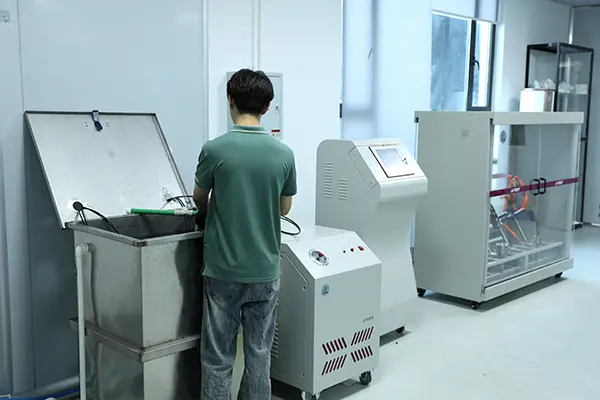
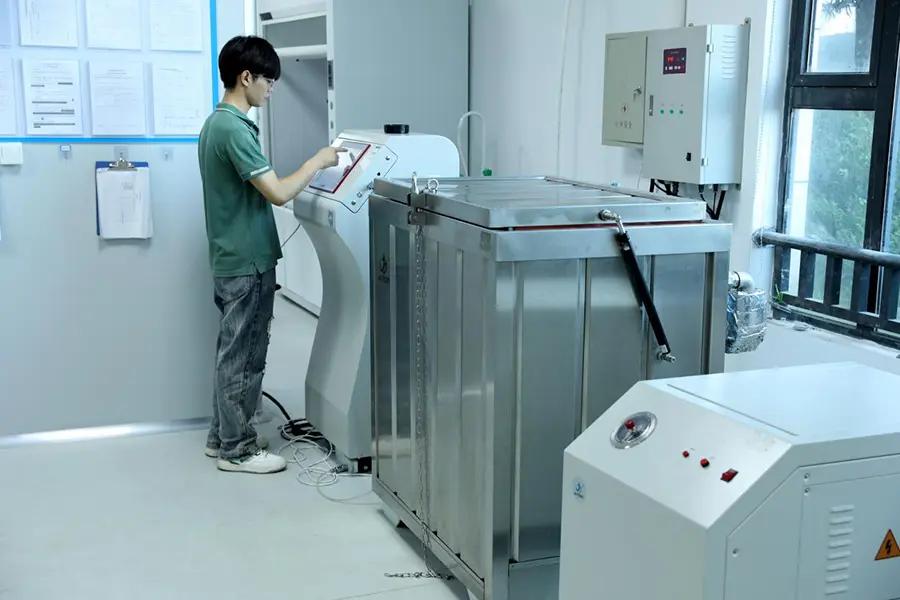
Quality control is central to our daily operations. We run three testing check-points: Raw Material Inspection, In-Process Quality Control, and Final Product Inspection. Backed by modern laboratory testing machines, our product line is engineered for dimensional accuracy and structural durability.
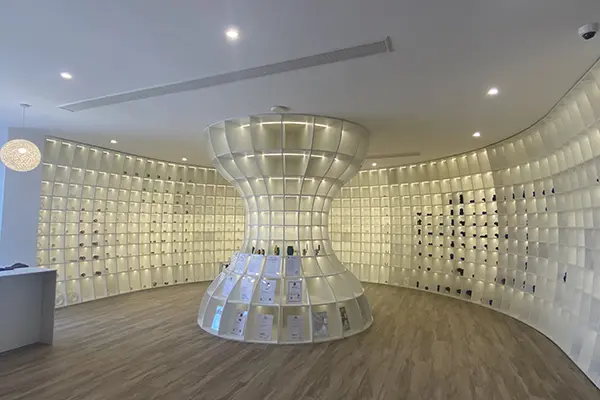
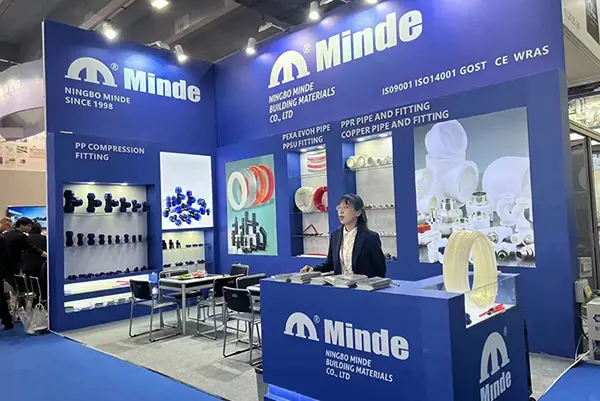
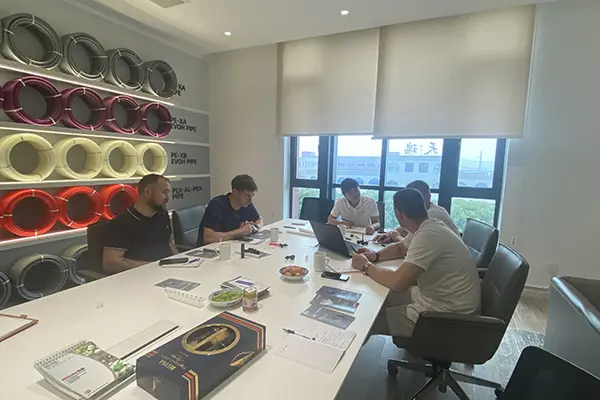
Compliance is critical in international procurement. Minde fittings are certified to meet major international standards.
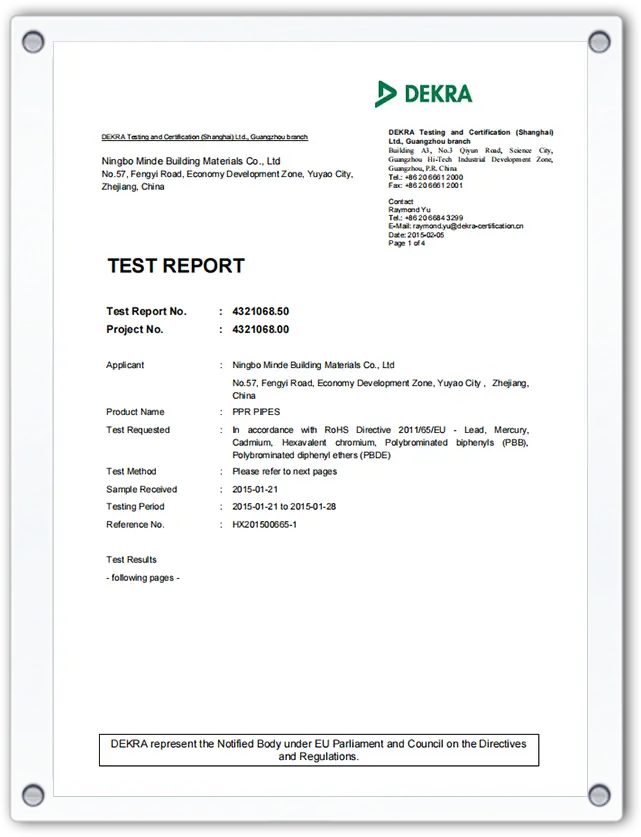
ISO 9001:2022
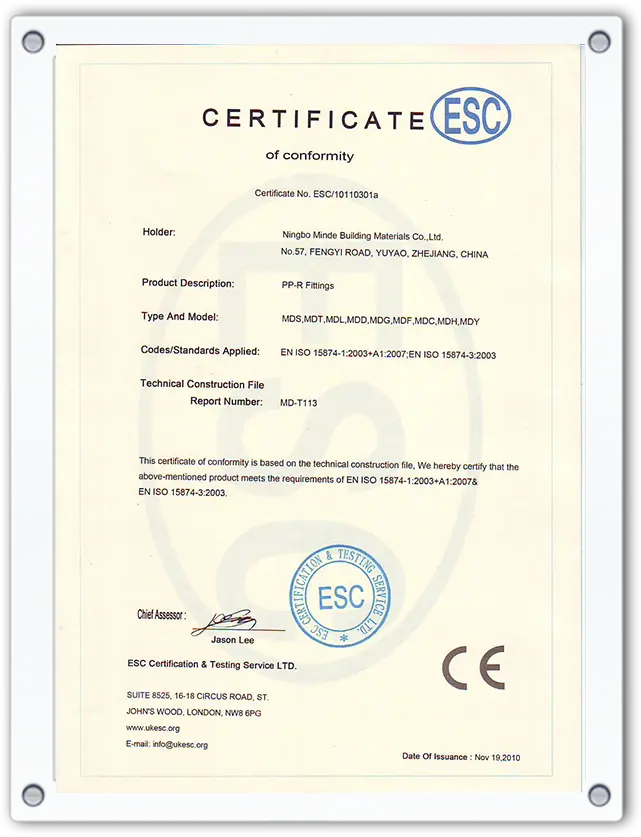
CE Directive Compliant
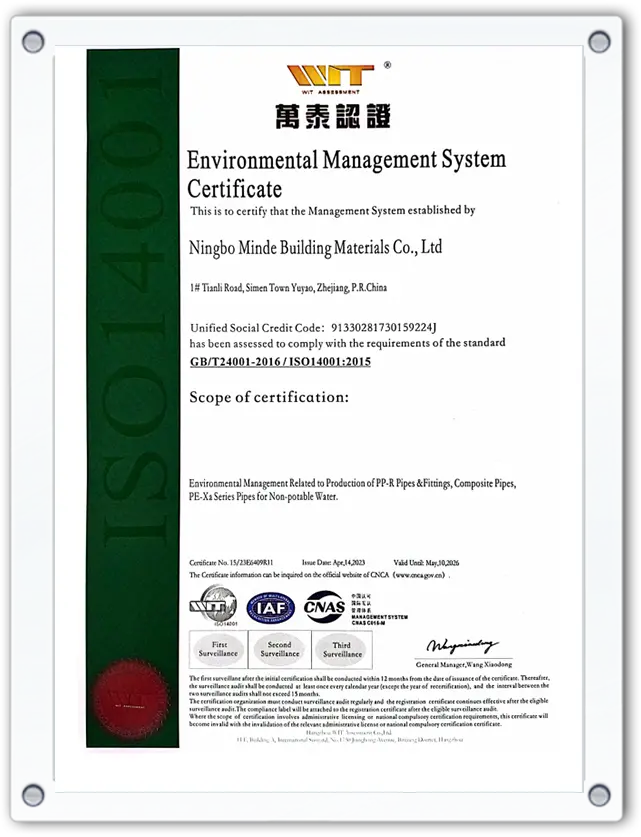
GOST & WRAS Approval
With high-efficiency production and quality controls, Minde products are exported to more than 50 countries, including Russia, Ukraine, South America, the Middle East, and Southeast Asia. We supply distributors, engineering contractors, and agricultural networks globally with reliable polymer piping components.

Minde piping products are engineered to perform across diverse industrial and residential applications.


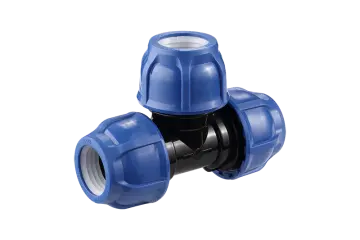
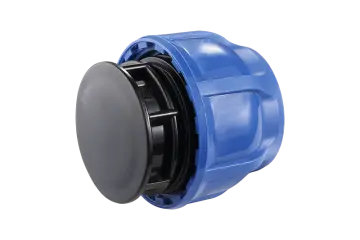
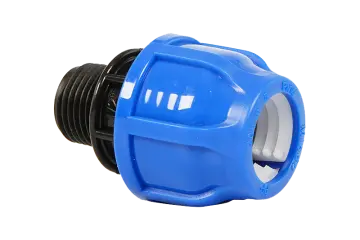
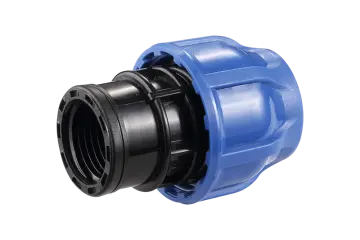
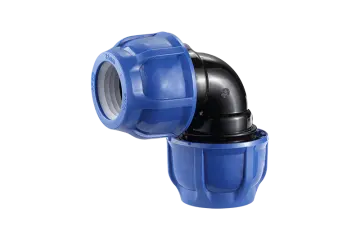
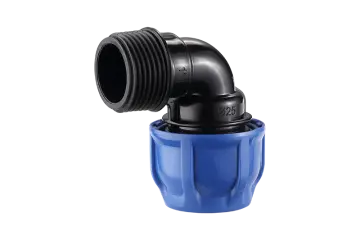
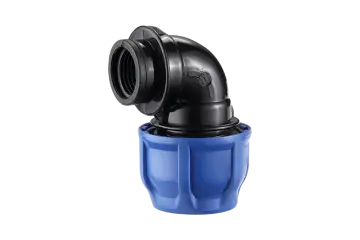
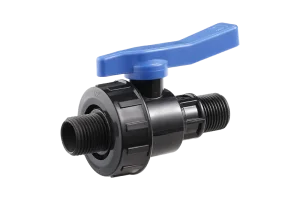
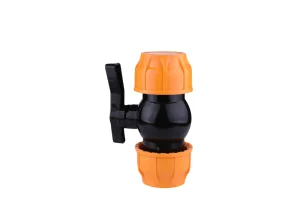
Explore our full line of PP Compression Fittings, PPR components, and high-performance valves.
Answers to key technical questions for pipeline procurement managers and sourcing leads.
A standard tee features three ports of equal diameter to split or combine flow without altering branch pipe sizing. A Reducing Tee has a smaller branch port relative to the two main run ports. This design allows for direct connection to smaller pipes in the system, eliminating the need for separate reducers, saving space, and reducing potential leak points.
These ratings define the maximum working pressure of the fitting at room temperature. A PN10 fitting is rated for up to 10 bar (1.0 MPa or ~145 PSI), suitable for low-pressure applications like agricultural irrigation. A PN16 fitting is rated for up to 16 bar (1.6 MPa or ~232 PSI), making it ideal for high-pressure systems, municipal water distribution, and locations prone to pressure spikes.
Ningbo is a global center for plastic injection molding and mold design, supported by a mature raw material supply chain. Sourcing from this region offers access to advanced tooling technologies and efficient manufacturing scale. Its proximity to the Port of Ningbo-Zhoushan also ensures streamlined international shipping and lower logistics costs.
We use a three-stage quality control process: first, inspecting imported raw materials for purity and density; second, conducting online checks during molding to monitor dimensional accuracy; and third, performing hydrostatic pressure tests and material stress testing on finished batches before shipment.
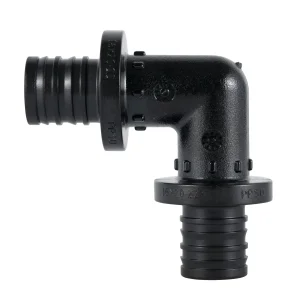
Polyphenylsulfone (PPSU) fittings offer high thermal stability and chemical resistance. Under the NSF61 standard, they are safe for potable water and radiant systems. Used with PEXa floor heating pipes, PPSU slide-sleeve connections provide a secure mechanical joint that maintains its integrity under high-temperature expansion cycles.
We support full ODM and OEM services, including custom mold design for specific dimensions, brand marking, and structural optimization. Sourcing partners can specify custom polymer formulations (such as enhanced UV blockers or high-impact modifiers) and request tailored packaging for bulk industrial distribution.
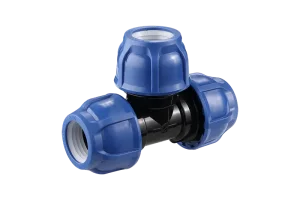
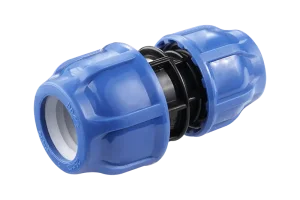
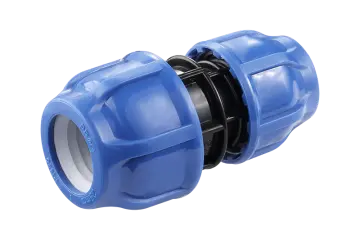
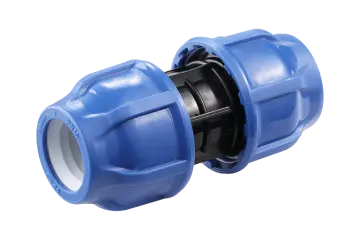
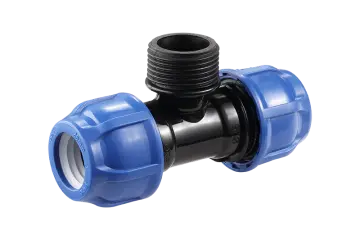
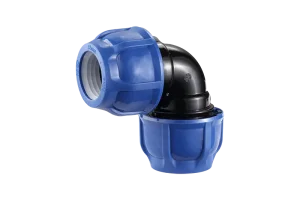
PP compression fittings use a mechanical assembly consisting of a nut, a split-ring clinching ring, a thrust ring, and an elastomeric O-ring. Tightening the nut compresses the clinching ring onto the HDPE pipe, providing strong pull-out resistance, while the compressed O-ring creates a watertight seal without needing heat fusion.
For European markets, CE certification is standard, along with WRAS or similar approvals for potable water applications. For South America and Eastern Europe, compliance with ISO standards and GOST certifications is typically required. Sourcing certified products ensures smoother customs clearance and alignment with local building codes.
Additional high-performance valves and connectors engineered for international markets.
 Minde
Minde