Explore our engineering-grade PP compression components designed to meet strict PN10 and PN16 industrial pressure thresholds.
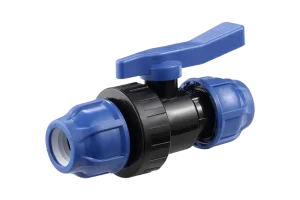
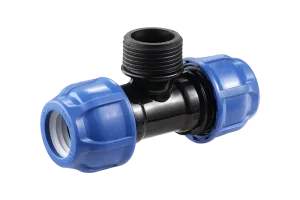
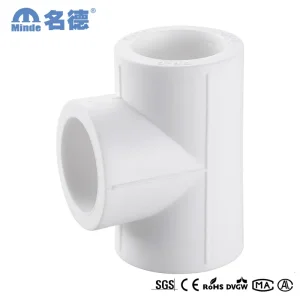
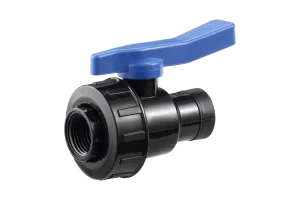
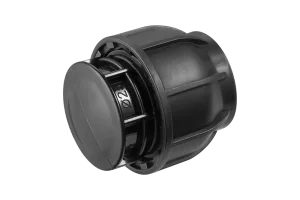
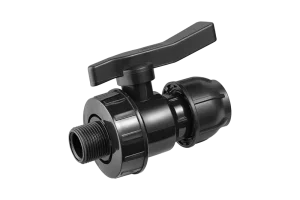
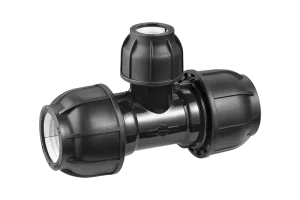
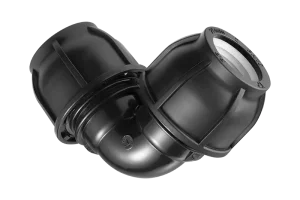
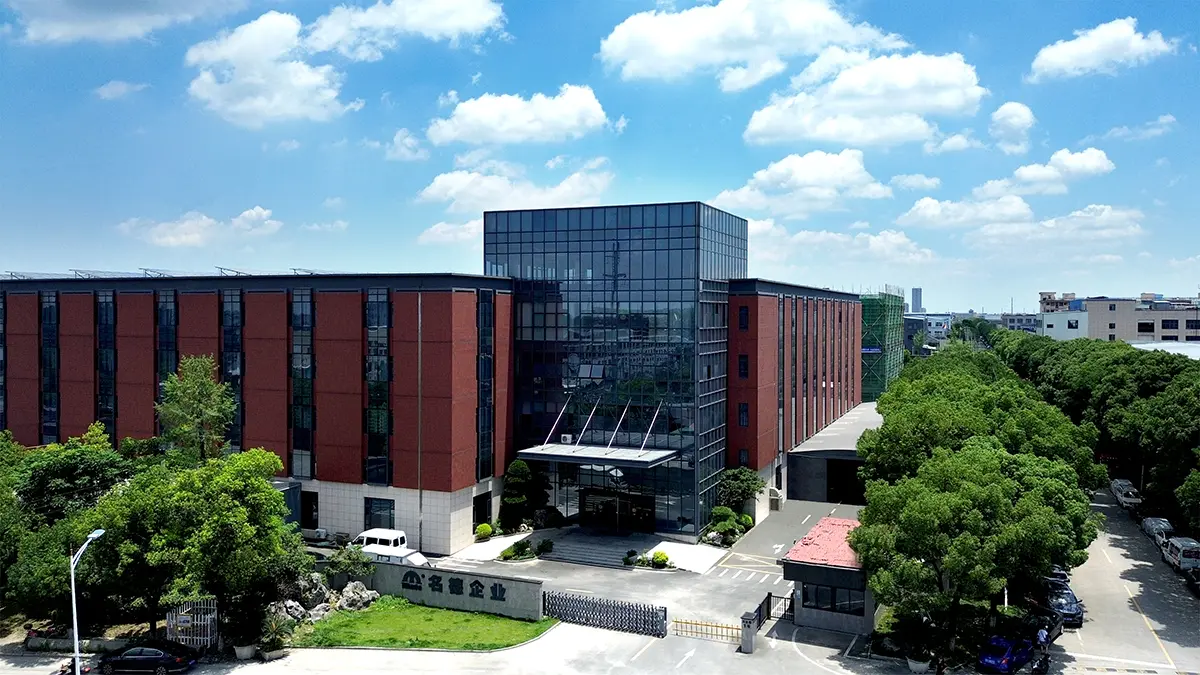
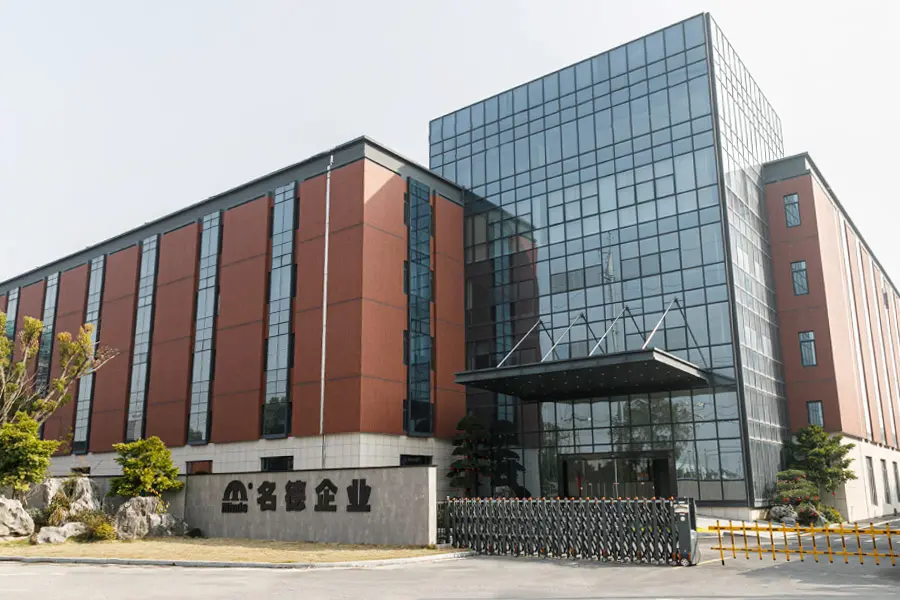
Rooted in Zhejiang Province, China, Ningbo Minde Building Materials Co., LTD. has built a 20-year legacy of manufacturing leadership in the polymer fluid-flow industry. As a premier OEM PP Valves Manufacturer & Factory, we specialize in high-integrity piping systems, compression fittings, and heavy-duty industrial valves engineered for domestic water networks, modern micro-irrigation systems, and underfloor thermal circulation.
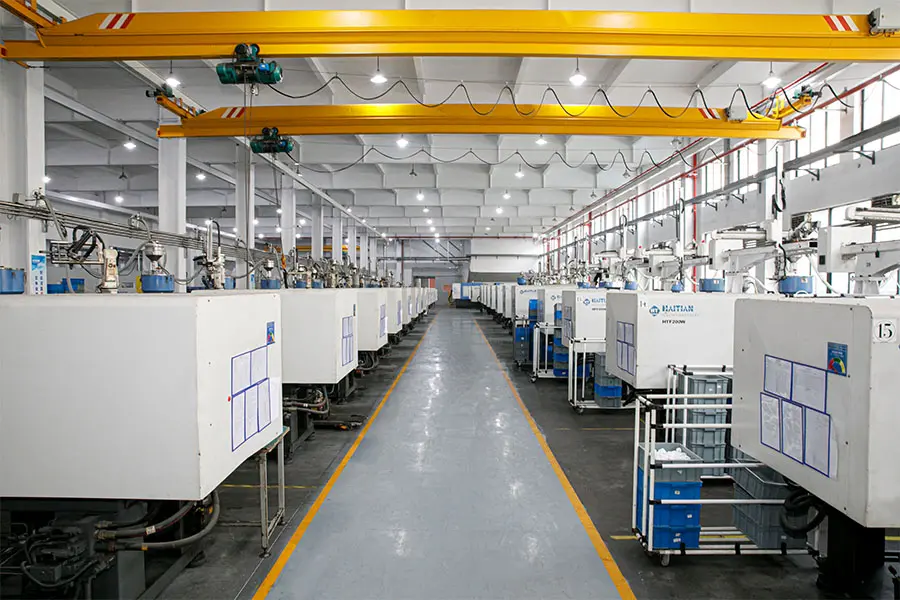
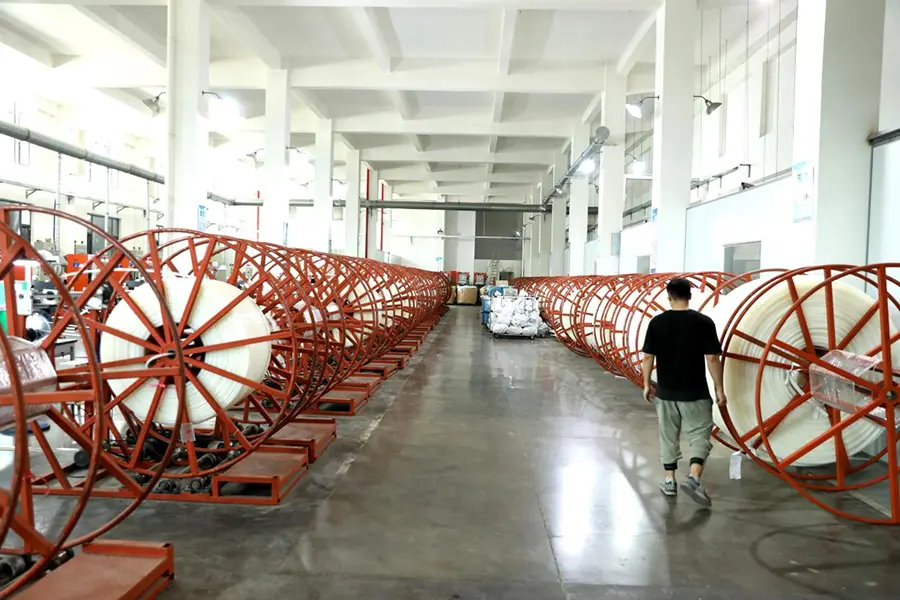
Operating across a massive 90,000+ square meter smart industrial footprint, our production power is built upon 45 fully automated pipe extrusion lines, a clean, centrally integrated raw material pneumatic feed loop, and a fleet of 85 precision thermoplastic injection molding units. Our workforce of over 200 dedicated pipe-fitting specialists and polymer engineers guarantees design versatility and production consistency.
Polypropylene (PP), specifically Polypropylene Random Copolymer (PP-R) and high-density PP, represents the apex of polymer fluid engineering. Unlike conventional metal fittings, which are prone to galvanic corrosion and scaling, PP features a chemically inert backbone. The linear hydrocarbon structure provides excellent resistance to strong acids, alkaline detergents, and organic solvents. This makes it an ideal medium for transporting potable water, corrosive industrial chemical feeds, and agricultural wastewater.
The core advantage of Minde's OEM PP Valves and PP compression fittings lies in the structural integrity of the polymer matrix. When paired with high-density polyethylene (HDPE) lines, PP fittings prevent localized stress-cracking. Under standard operating temperatures ranging from -10℃ to 50℃ (and up to 95℃ for PPR systems), PP demonstrates minimum creep behavior, meaning that under sustained hydraulic loading, the molecular chains do not slip or deform permanently.
| Physical Property | Testing Standard | Polypropylene Random Copolymer (PP-R) | Standard Polypropylene (PP) |
|---|---|---|---|
| Density | ISO 1183 | 0.895 - 0.905 g/cm³ | 0.900 - 0.915 g/cm³ |
| Melt Flow Rate (MFR) | ISO 1133 | 0.3 - 0.5 g/10min (230°C/2.16kg) | 0.4 - 0.8 g/10min (230°C/2.16kg) |
| Tensile Yield Strength | ISO 527-2 | > 25 MPa | > 28 MPa |
| Thermal Conductivity | DIN 52612 | 0.24 W/m·K | 0.22 W/m·K |
| Modulus of Elasticity | ISO 178 | 800 MPa | 1200 MPa |
In engineering application environments, thermal expansion coefficients are highly critical. With a thermal conductivity rate of 0.24 W/m·K, PP exhibits high insulative properties compared to copper or stainless steel, reducing condensation on cold-water supply pipes and reducing thermal energy loss in underfloor heating systems.
How Ningbo Minde leverages automated machinery and geographical supply-chain advantages to deliver premium flow components globally.
Our manufacturing facility in Ningbo, Zhejiang Province, positions us at the center of the world's most sophisticated plastic manufacturing cluster. This gives us immediate access to high-grade virgin polymer inputs and local custom mold-makers, allowing us to accelerate tool-up cycles for custom OEM valve profiles. Furthermore, our proximity to the Ningbo-Zhoushan Port (the world’s busiest port by cargo tonnage) enables us to offer direct, cost-efficient shipping routes, cutting lead times for international orders.
To ensure high product quality, Minde utilizes a three-point quality control matrix:
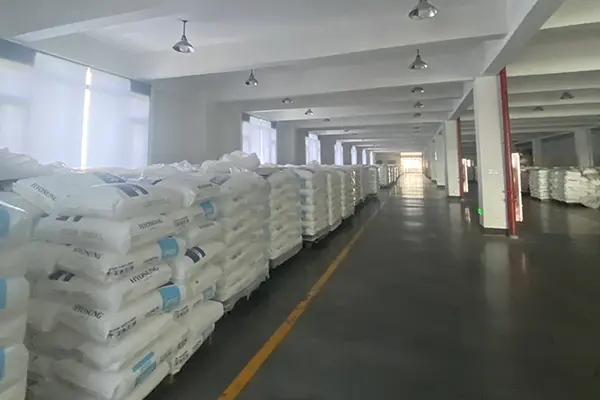
1. Raw Material Incoming Inspection: Every shipment of raw PP or PPR resin must pass rigorous density, melt flow index (MFR), and moisture testing before it enters our automated silo systems. We utilize high-purity virgin polymers, entirely eliminating recycled scrap to prevent structural failures.
2. Process Control (In-Line Injection Audits): During the injection molding process, PLC-controlled monitors track heat curves, injection pressures, and cooling times. By keeping cycle times within strict specifications, we prevent micro-voiding and weld-line weakness inside the valve body.
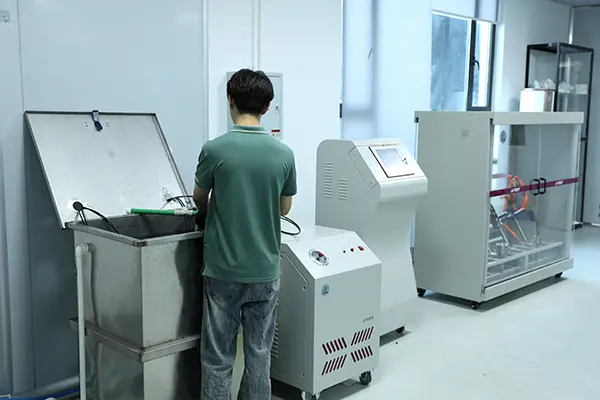
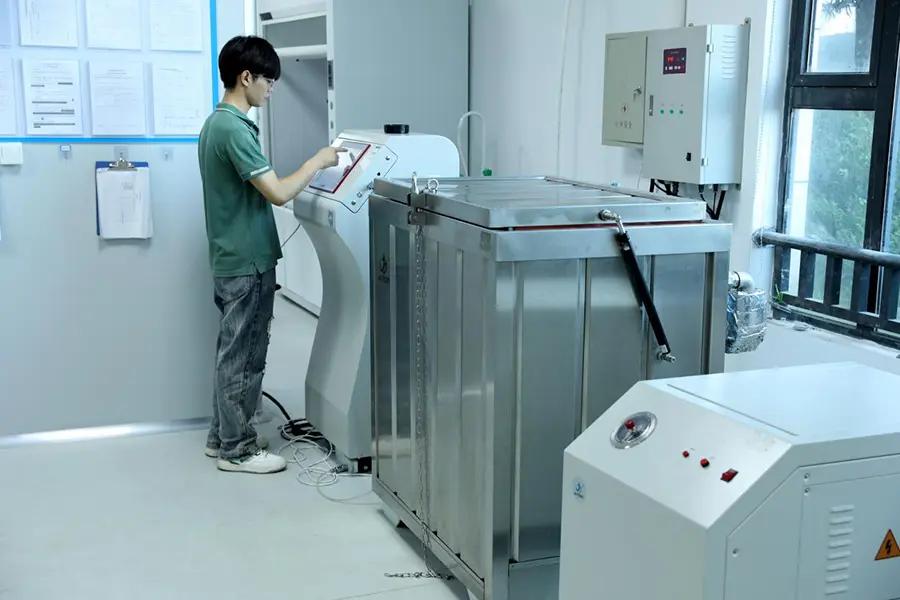
3. Final Outgoing Assurance: Finished components undergo systematic hydro-pressure tests to ensure they can withstand up to 1.5 to 2 times their rated pressure limit. We also conduct drop-weight impact testing and thread accuracy checks to guarantee seamless compatibility with HDPE pipes.
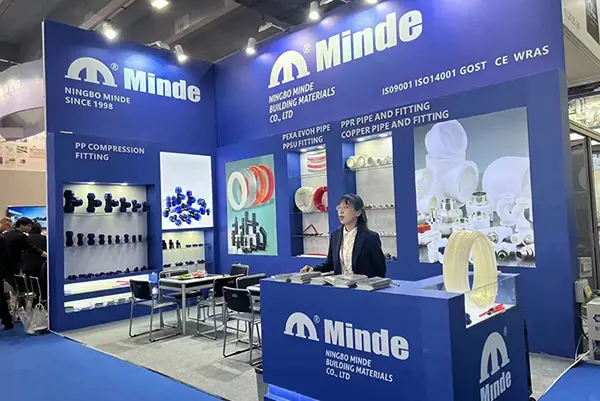
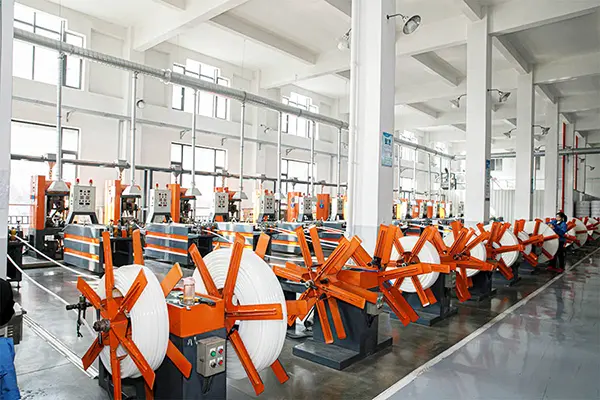
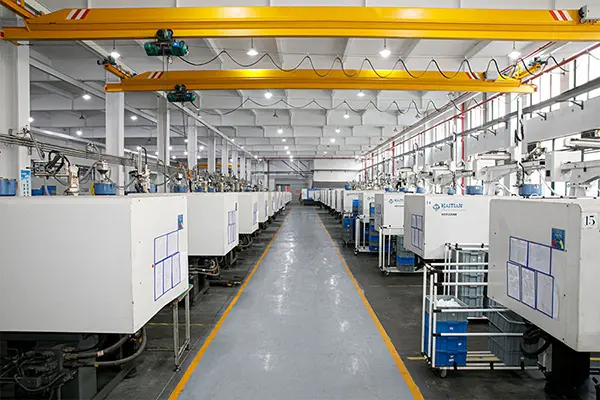
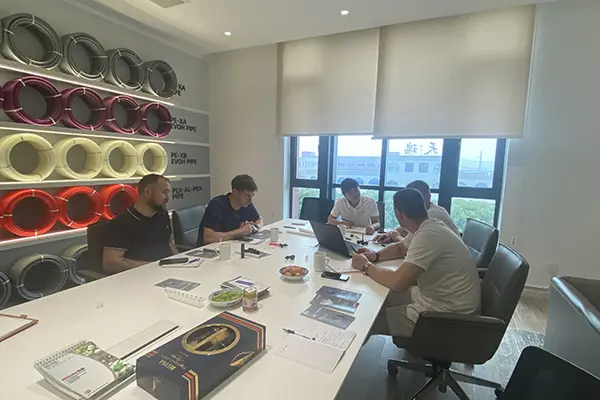
Providing robust flow control configurations for civil engineering, commercial agriculture, and indoor hydronic heating.

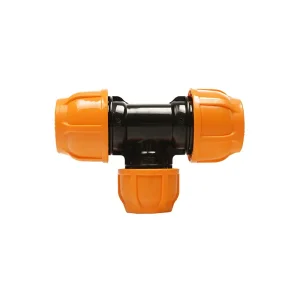
Our PP-R piping and compression tees are engineered with food-grade virgin polymers, meeting British WRAS standards. Non-corrosive and leak-free, they ensure safe drinking water delivery across commercial and residential structures.
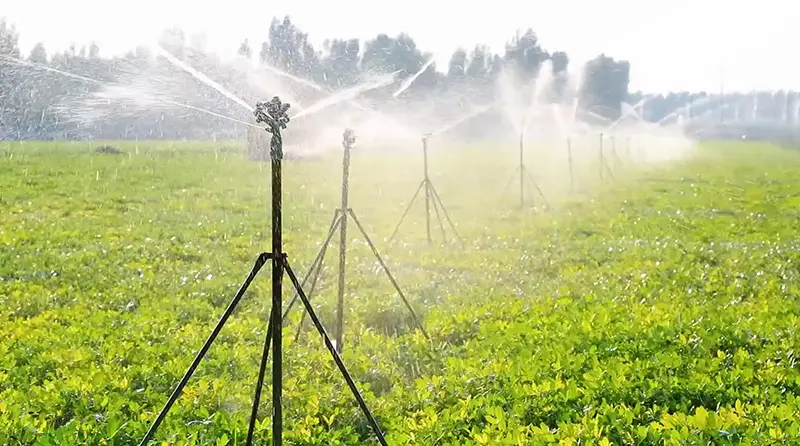
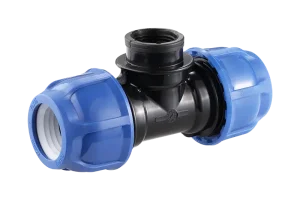
Designed for agricultural projects, our PP compression ball valves and tees withstand UV exposure and chemical fertilizers. Easy to assemble, they remain secure in high-temperature environments.
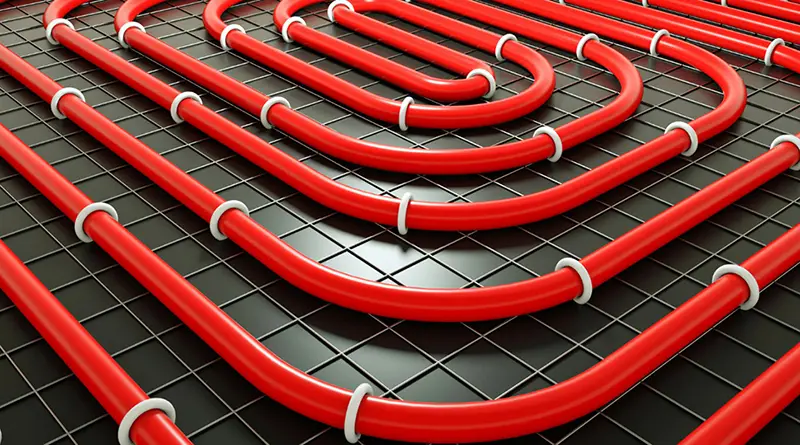
Using PPSU fittings and high-temp PP couplings, Minde provides reliable connections for underfloor heating loops. Designed to handle continuous thermal cycling, these components ensure long-term, leak-proof performance.
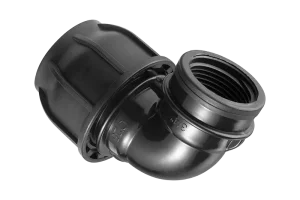
Minde offers customized configurations to meet diverse project demands. For micro-irrigation lines, we supply lightweight, UV-stabilized PN10 compression caps and elbows. For major municipal projects, we produce robust PN16 PP ball valves with reinforced, full-bore flow chambers. These valves prevent scaling and reduce pressure drops across long-distance distribution lines, helping engineering firms optimize pump efficiency and lower operating costs.
For international buyers, product consistency and compliance are essential. Ningbo Minde holds a comprehensive set of international certifications, ensuring our components satisfy strict regulatory standards worldwide.
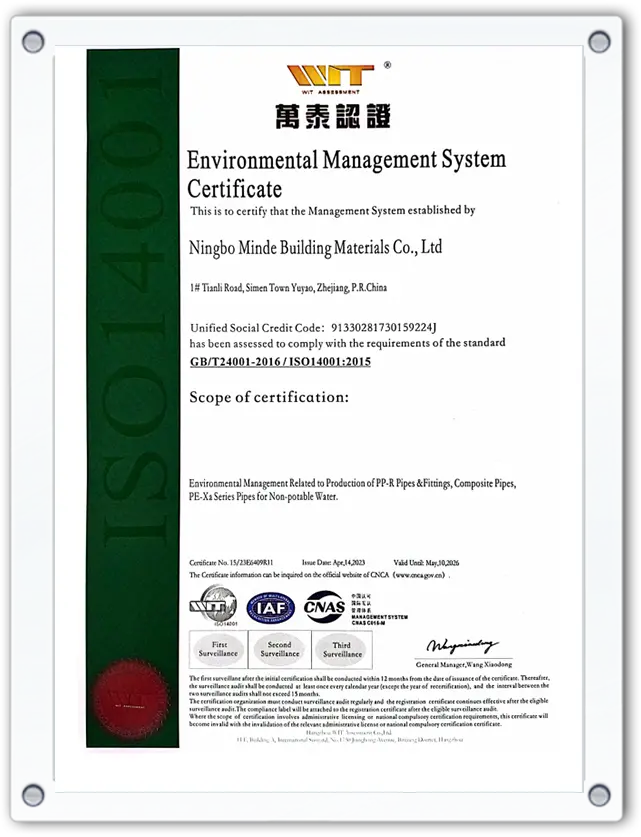
Our facility operates under ISO 9001:2022 for quality management and ISO 14001 for environmental management. Additionally, our product lines are certified for European and regional markets:
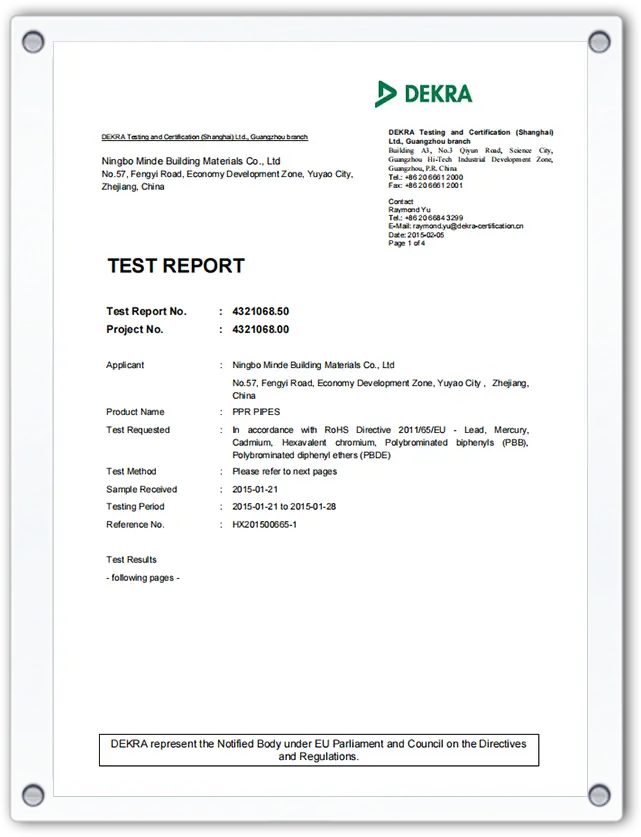
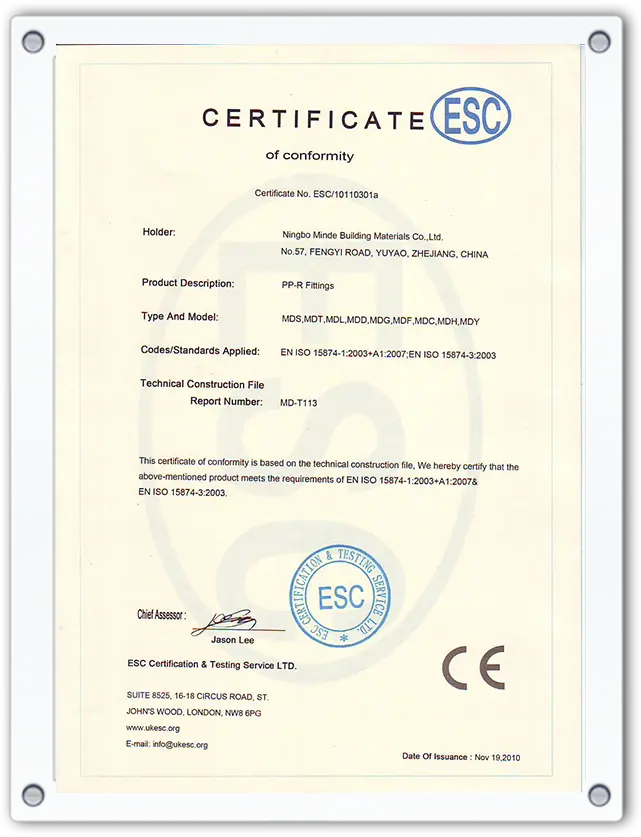
The global piping industry is transitioning from metal systems to high-performance polymers. Key drivers of this shift include rising labor costs, structural corrosion challenges, and a growing emphasis on low-carbon materials.
Fast and Secure Installation: Modern piping projects favor split-ring and compression connections over threaded steel or solvent-welded PVC. PP compression fittings allow field technicians to secure connections without specialized fusion equipment or solvent glues, cutting installation times by up to 50%.
Sustainability and Low Carbon Footprints: Compared to traditional copper or ductile iron, manufacturing PP requires less energy and results in lower CO2 emissions. In addition, PP is fully recyclable, aligning with green building standards like LEED and BREEAM.
Long-Term Durability: Demanding applications, such as agricultural irrigation, require components that can withstand UV exposure, extreme temperatures, and chemical fertilizers. High-quality PP fittings resist degradation, providing reliable service life for decades.

Addressing the critical engineering queries of procurement directors, piping consultants, and site installation managers.
Complete piping components and heavy-duty fittings for fluid distribution networks.
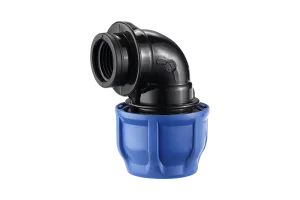
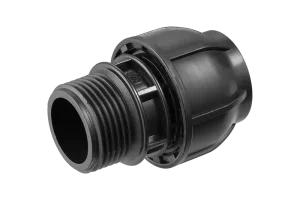
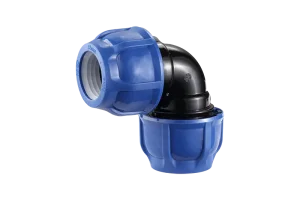
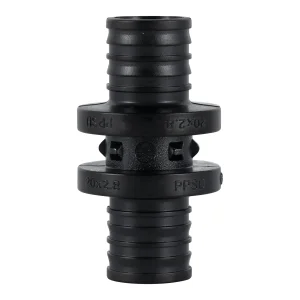
 Minde
Minde