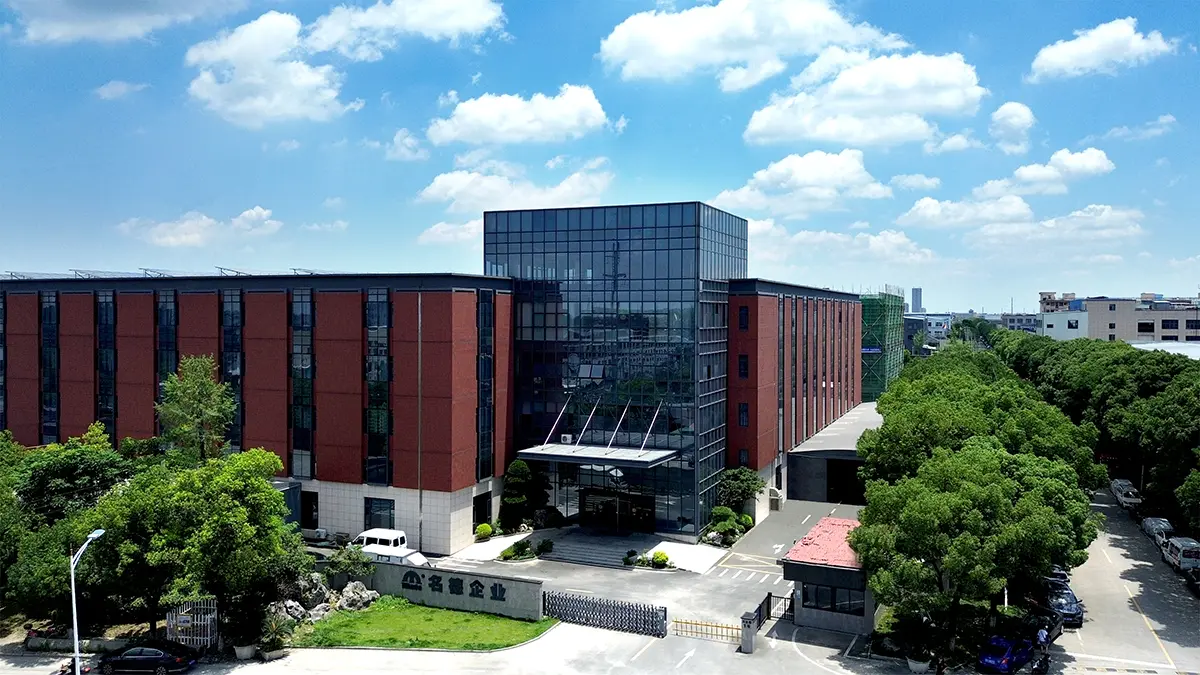
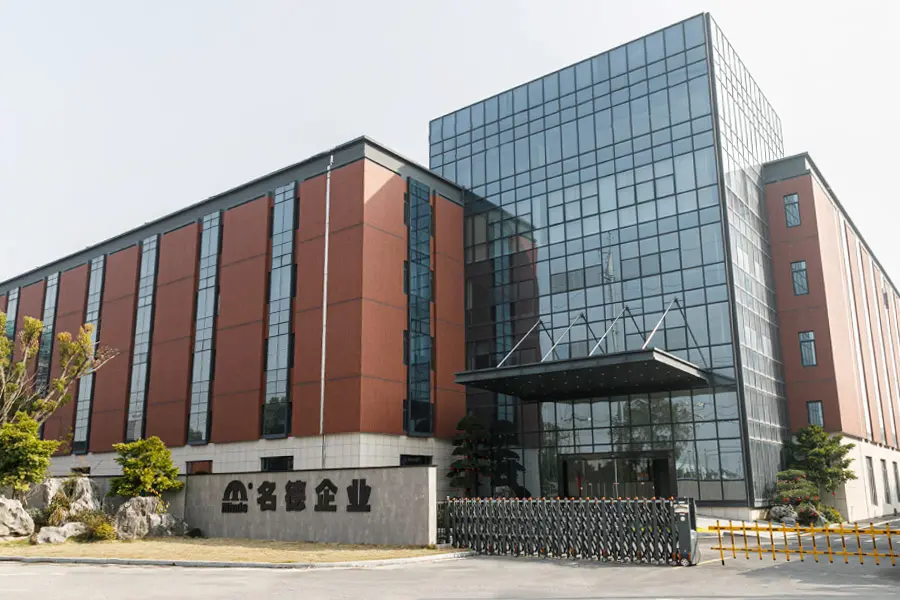
Rooted in Ningbo, Zhejiang Province, China, Ningbo Minde Building Materials Co., LTD is a premier manufacturing factory focusing exclusively on the research, production, and worldwide sales of plastic water pipes and matched pipe fittings. With over two decades of deep industry experience, we have grown into a highly trusted supplier serving global plumbing, municipal drainage, agricultural irrigation, and industrial thermoplastic networks.
To guarantee eco-friendly, long-lasting pipeline systems for municipal, commercial, and residential installations, Minde strictly adopts premium, certified imported virgin raw materials. We completely eliminate the use of recycled or sub-standard materials, ensuring all fabrications resist stress cracking and survive decades of high-temperature service. With massive investments in production scalability and automated handling, our facility represents the vanguard of modern Chinese piping manufacturing.
Chlorinated Polyvinyl Chloride (CPVC) has rapidly transitioned from a specialty chemical-resistant polymer to a cornerstone of modern global plumbing infrastructure. As infrastructure demands shift toward materials with lower environmental impact and higher longevity, CPVC continues to outperform traditional copper, carbon steel, and standard PVC pipes in challenging applications.
Urbanization and industrial expansion in emerging markets are key drivers of global CPVC demand. Commercial complexes, municipal water supply networks, and processing facilities increasingly mandate CPVC due to its high heat distortion temperature (HDT), outstanding chemical resistance, and lower installation costs. Unlike metals, which suffer from galvanic corrosion, scaling, and heavy heat loss, CPVC offers long-term flow coefficients (Hazen-Williams C factor of 150) that remain stable over decades.
Regulatory frameworks worldwide are shifting away from lead-based materials and copper piping due to heavy metal leaching risks. CPVC, certified to international standards such as NSF/ANSI 61 and WRAS, provides a completely inert conduit for potable water. Its inherent resistance to chlorine and chloramines—commonly used as water sanitizing agents—prevents oxidative degradation, which is a major issue for other polyolefins like PPR and PEX.
Choosing the correct piping system requires a deep understanding of thermal, mechanical, and chemical thresholds. The engineering values below illustrate where CPVC offers superior technical performance.
| Material Metric | CPVC (Chlorinated PVC) | PPR (Polypropylene Random) | HDPE (High-Density Polyethylene) | PEX (Cross-linked Polyethylene) |
|---|---|---|---|---|
| Max Operating Temp | Up to 93°C (200°F) | Up to 70°C (158°F) | Up to 60°C (140°F) | Up to 93°C (200°F) |
| Thermal Expansion | Low (approx. 6.2 x 10^-5 m/m/°C) | High (approx. 15 x 10^-5 m/m/°C) | Very High (approx. 20 x 10^-5) | Very High (approx. 19.8 x 10^-5) |
| Limiting Oxygen Index (LOI) | 60% (Inherently Fire Retardant) | 18% (Highly Flammable) | 17% (Supports Combustion) | 18% (Supports Combustion) |
| Chlorine/Chloramine Resistance | Outstanding (No oxidative degradation) | Moderate to Poor (Susceptible) | Moderate (Oxidation Risk) | Susceptible to localized degradation |
| Joining Method | Solvent Cement Welding / Threaded | Thermal Fusion (Socket/Butt) | Electrofusion / Butt Fusion | Mechanical Compression / Expansion |
As a leading wholesale piping service and supplier, Minde stays at the forefront of polymer science. The evolution of thermoplastic piping focuses on three key technical areas: post-chlorination compounding, eco-friendly heat stabilizers, and smart network integration.
By modifying the chlorine concentration within the PVC polymer chain (elevating it from 56.7% up to 74%), manufacturers can adjust the glass transition temperature (Tg) and tensile strength. Our research focuses on increasing impact strength at freezing temperatures while maintaining the chemical resistance of standard CPVC formulations.
Moving away from heavy metals, the industry has transitioned to advanced calcium-zinc and organic stabilizer compounds. These additives protect the polymer from thermal degradation during processing and ensure zero leaching of toxic substances into municipal drinking water networks.
Future-proof infrastructure requires smart integration. Minde is researching the integration of electromagnetic tracers and RFID tags directly into pipe walls. This allows maintenance teams to trace pipelines behind concrete structures, verify installation details, and locate leakage points.
Different industries present unique engineering challenges. Minde offers custom-engineered thermoplastic piping systems for water management, industrial chemical processing, and agricultural projects globally.
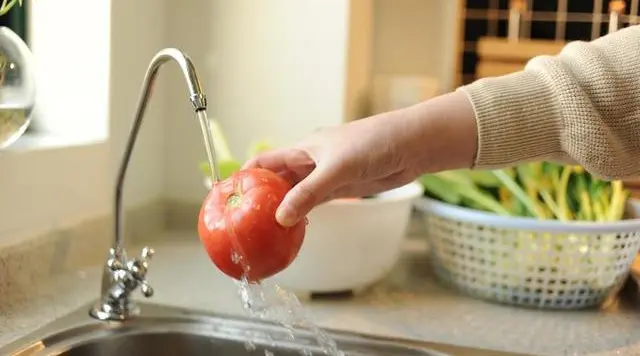
With certified materials conforming to international standards like NSF/ANSI 61, our pipes resist biofilm formation and corrosion, ensuring clean and safe drinking water for high-rise residential and commercial buildings.

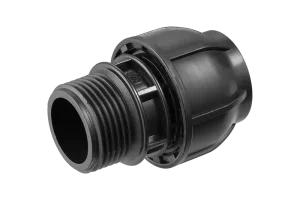
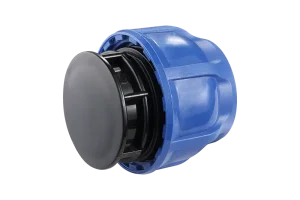
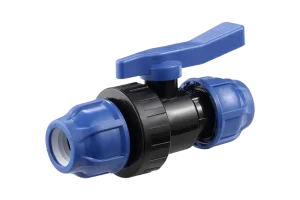
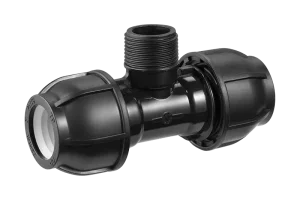
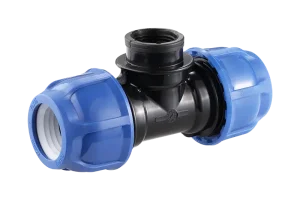
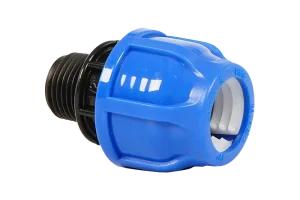
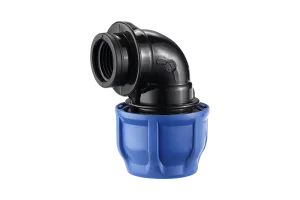
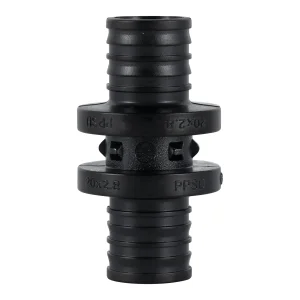
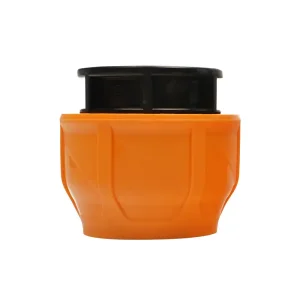
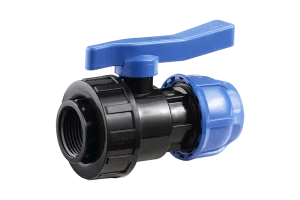
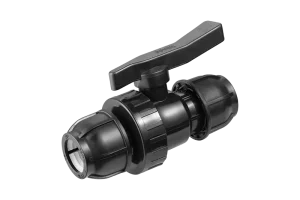
Our PP compression fittings and high-pressure pipe systems provide leak-free connections for modern drip irrigation and high-efficiency farming projects in South America, the Middle East, and Southeast Asia.

Utilizing high-performance PEXa and PPSU materials, we manufacture long-lasting radiant floor heating pipes with high oxygen barriers and excellent thermal conductivity for residential comfort.
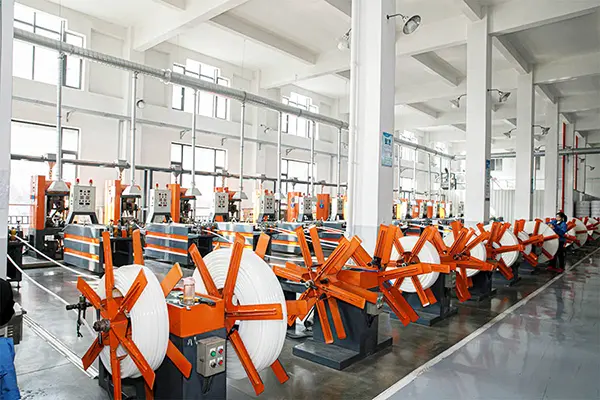
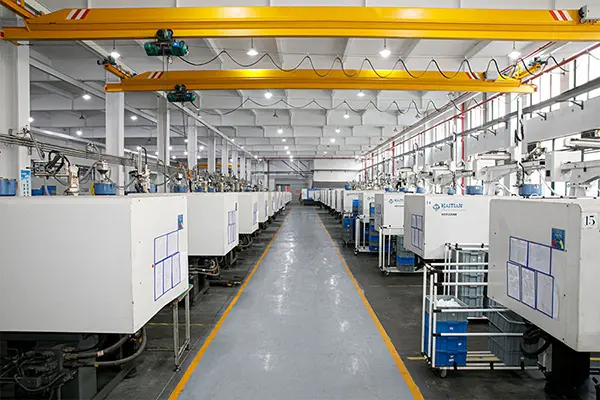
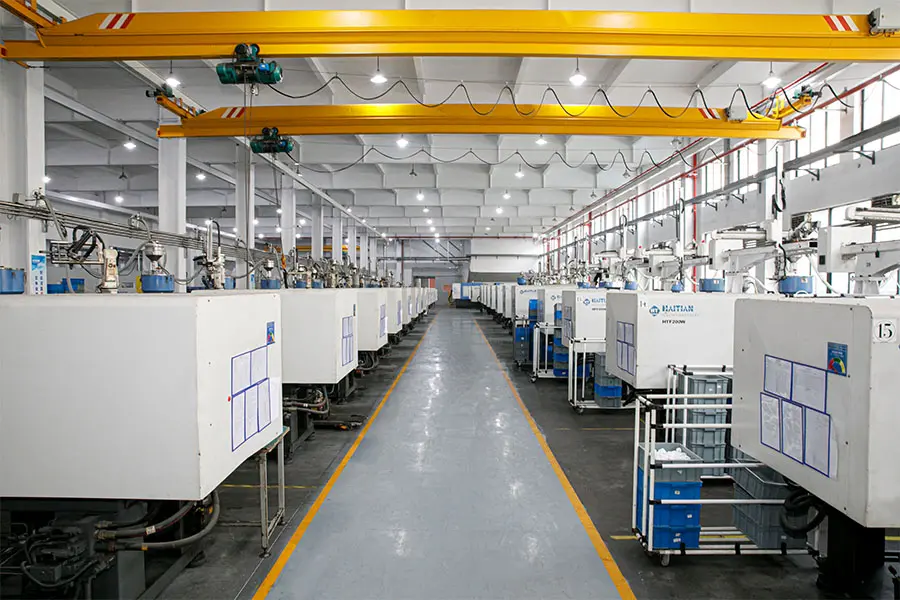
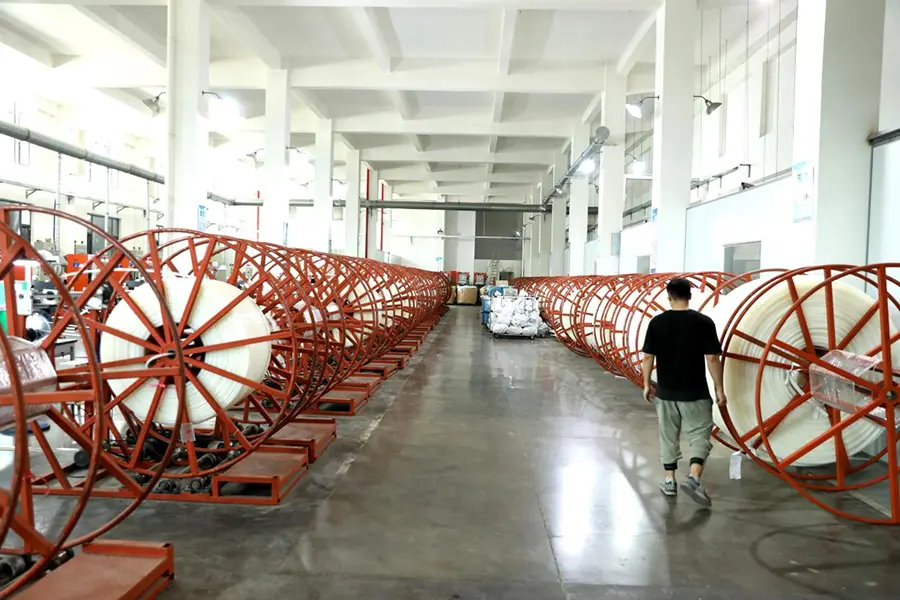
Ningbo Minde operates a state-of-the-art facility featuring 45 automated pipe extrusion lines and 85 precision injection molding machines, supported by a fully automated raw material feeding system. This ensures consistent blending and extrusion temperatures across every manufacturing batch.
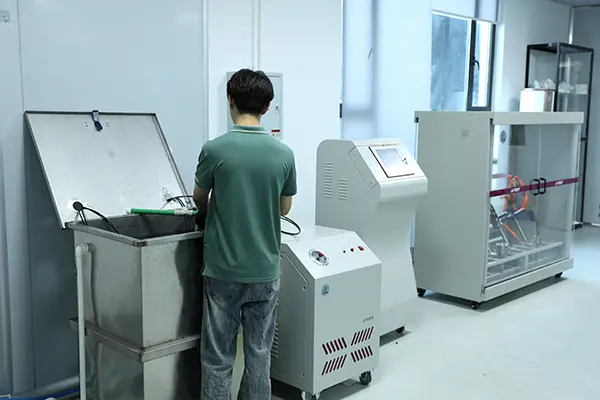
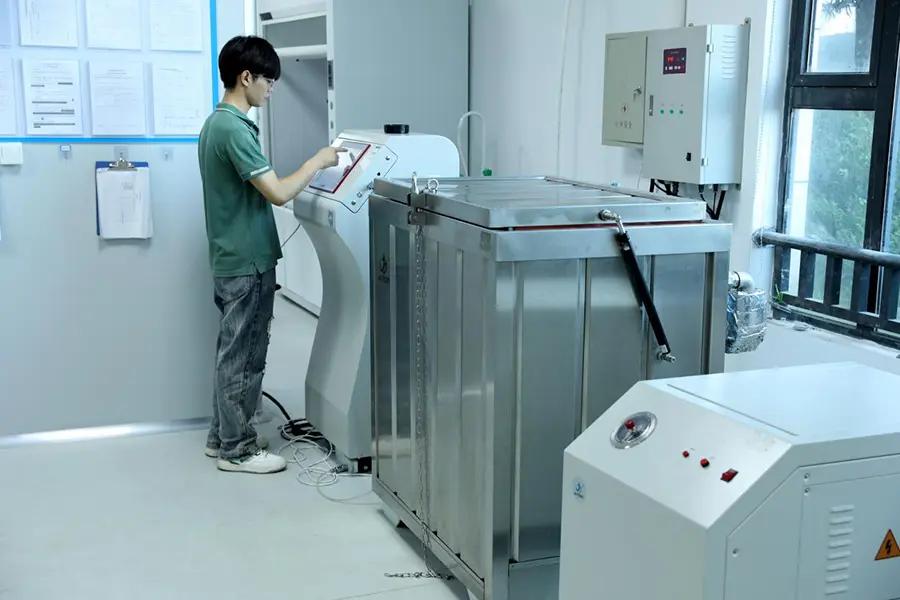
Our quality control program consists of three independent full-process inspection stations: raw material testing, online mid-production monitoring, and finished product sampling. Every batch undergoes rigorous physical and hydrostatic pressure testing to ensure 100% qualified products before delivery.
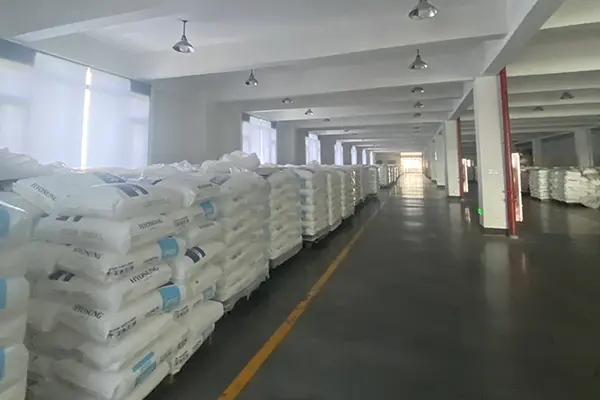
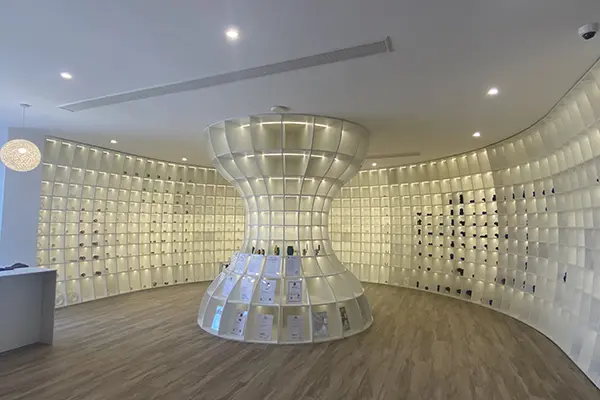
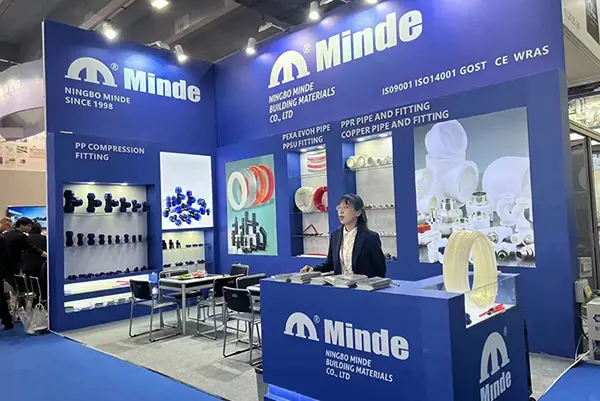
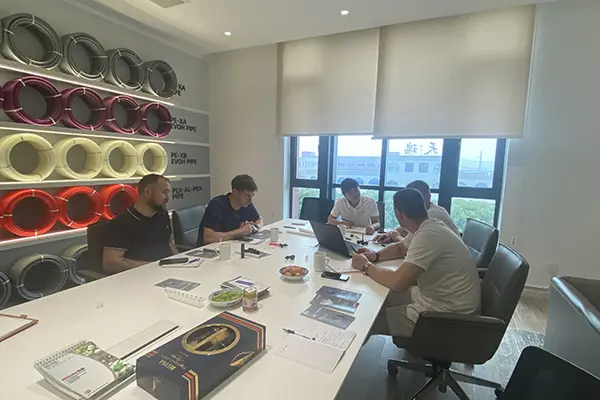
Minde products meet strict international standards, allowing us to export to over 50 countries, including Russia, Ukraine, South America, the Middle East, and Southeast Asia.
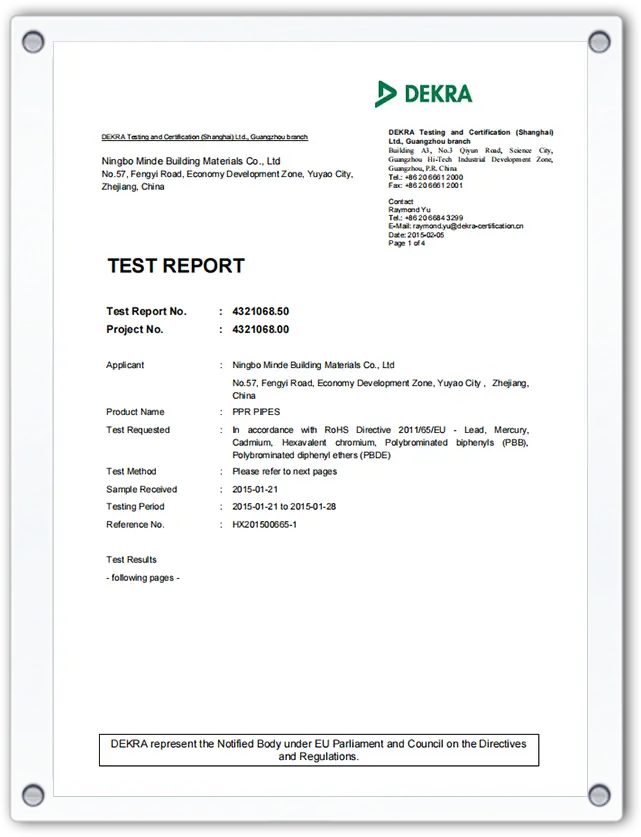
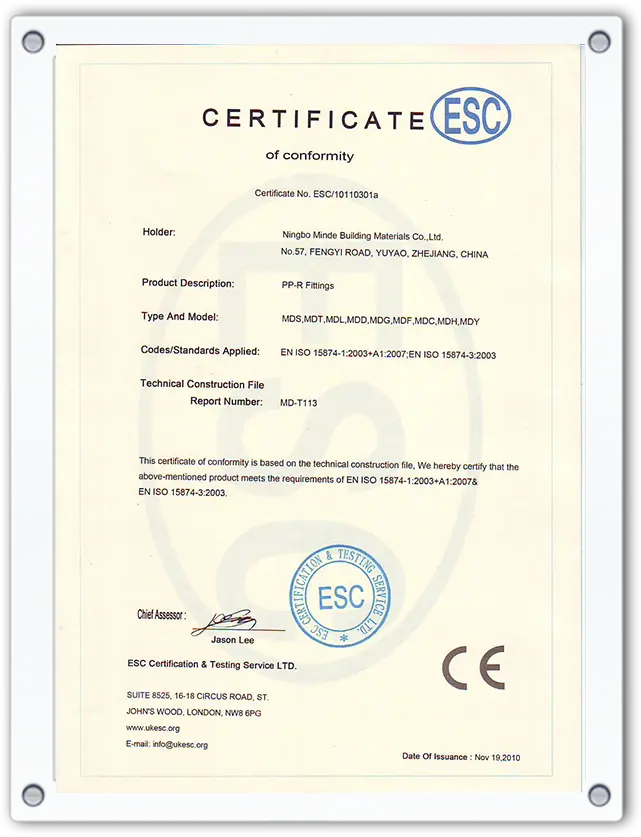
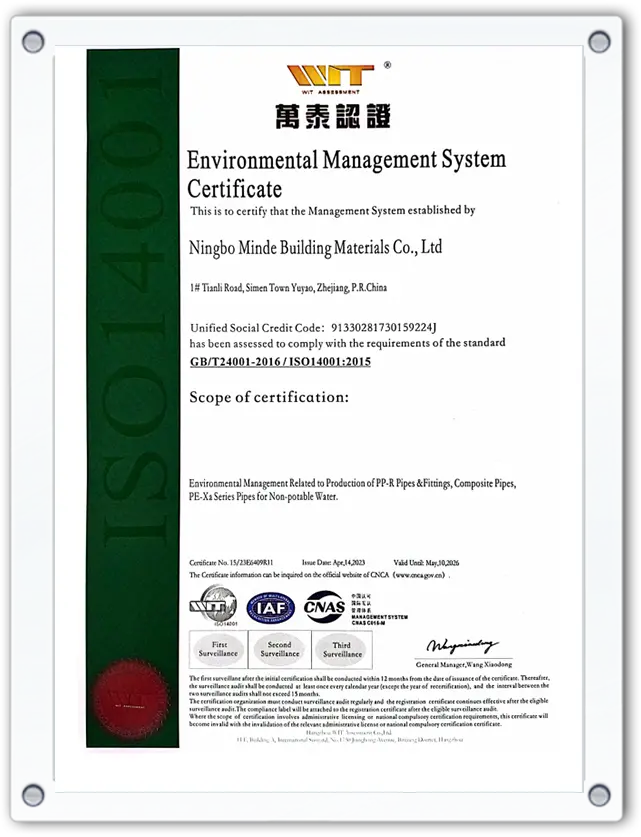
Minde is committed to our core business values: Innovation, Quality, Competitive Price, and Thoughtful Service. We help distributors, engineering contractors, and OEM partners establish reliable, long-lasting piping networks around the world.

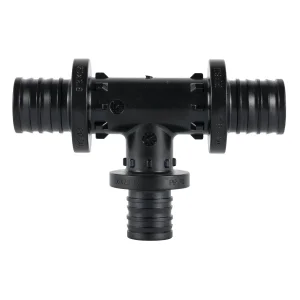
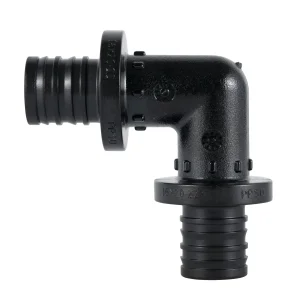
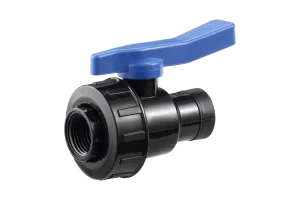
By using high-quality raw materials, Minde creates a broad portfolio of thermoplastic piping solutions. This includes PP compression fittings, PPR pipes, and PPSU/PEXa systems designed to perform under high temperatures and harsh chemical environments.
Find technical answers regarding thermoplastic pipe properties, solvent cement curing, thermal expansion, and system installation procedures.
 Minde
Minde