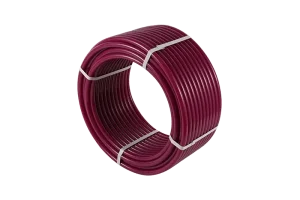
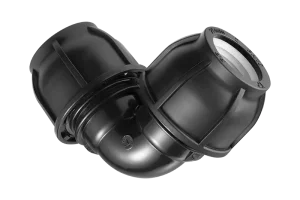
Explore our industrial-grade selection of plastic pipes and premium compression fittings, optimized for high-demand thermal and fluid delivery setups.
Within modern heating, ventilation, and air conditioning (HVAC) systems, the introduction of oxygen into closed fluid systems is a major cause of metal oxidation, leading to corrosion inside boilers, manifolds, radiators, and circulating pumps. Flexible EVOH Pipes represent a critical engineering breakthrough to address this problem. EVOH, or Ethylene Vinyl Alcohol copolymer, acts as an incredibly thin yet highly effective barrier layer co-extruded onto or within base polymers like cross-linked polyethylene (PE-X) or polyethylene of raised temperature resistance (PE-RT).
According to international standards such as DIN 4726, oxygen barrier pipes used in underfloor radiant heating must limit oxygen transmission to less than 0.32 mg/(m²·d) at 40°C. EVOH resin possesses an exceptional crystalline molecular layout that acts as a tight grid, preventing tiny oxygen gas molecules from migrating through the polymer wall. By utilizing a 3-layer or 5-layer co-extrusion structure, factories lock the EVOH layer in place, protecting the barrier from physical scratches, humidity, and site wear.
Why do mechanical designers and commercial installers favor EVOH-based pipelines over standard plumbing pipes?
By preventing oxygen infiltration, the formation of aerobic bacteria and iron oxide sludge is eliminated. This ensures design flow rates are maintained for over 50 years.
Specifically engineered PE-Xb EVOH pipes offer strong thermal memory, allowing simple kink repair using localized heating, while keeping thermal conductivity high for floor heating efficiency.
Excellent physical elasticity reduces bending tension, enabling tight loop configurations in cold climates without cracking, speeding up installation and reducing connector usage.
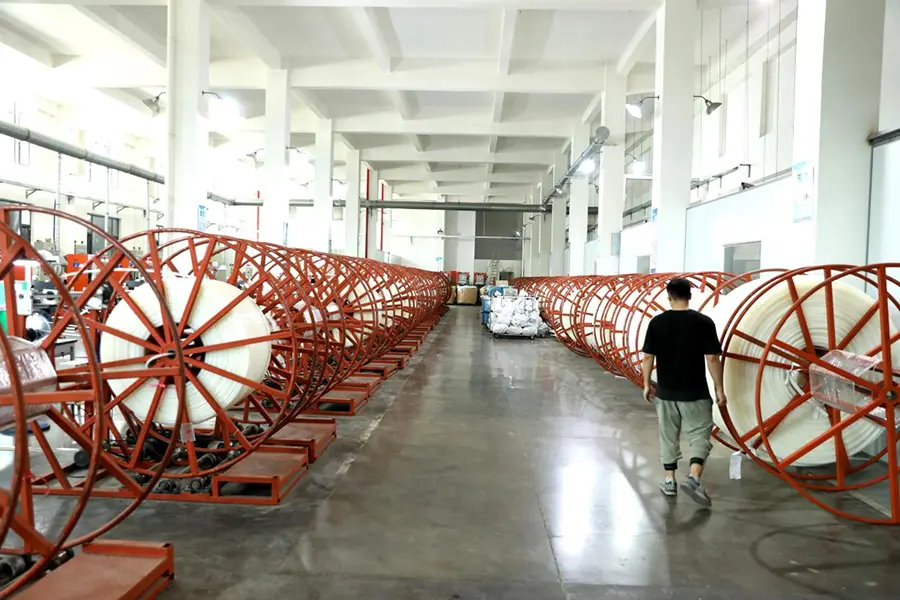
Advanced Production Lines
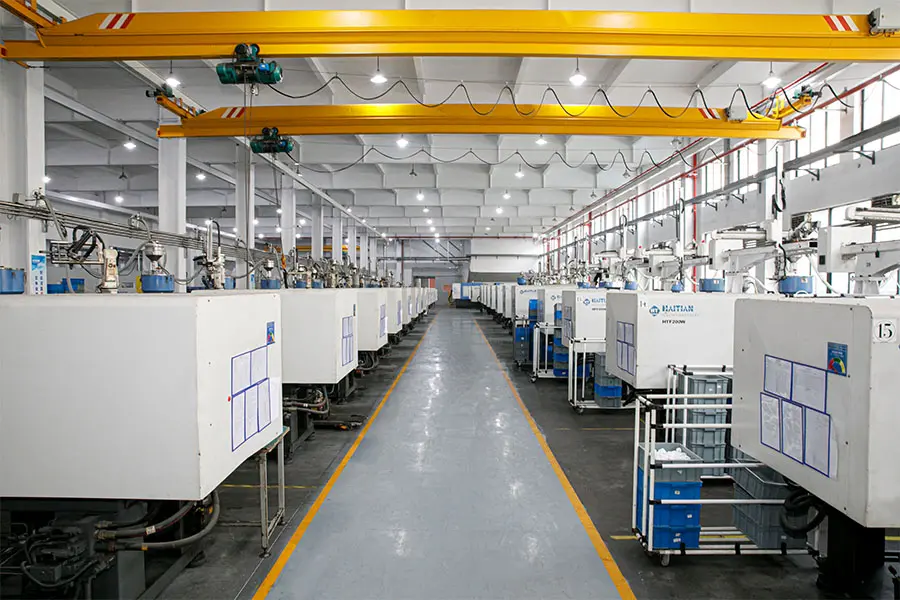
Precision Injection Molding Machines
Square Meters Factory Area
Exporting Destinations Globally
Across Europe, North America, and Northeast Asia, the transition from basic PE/PPR piping systems to advanced multi-layer oxygen-barrier options is accelerating. Modern building codes mandate strict efficiency targets, driving the adoption of energy-saving underfloor radiant heating and cooling setups in residential complexes, high-rise commercial structures, and key public facilities.
In highly regulated markets like Germany, France, and Canada, using non-barrier plastic pipes in closed hydronic systems is generally discouraged or restricted by building codes. Instead, five-layer structures (PE-RT/Adhesive/EVOH/Adhesive/PE-RT) are preferred. This design places the oxygen barrier in the center of the pipe wall, shielding it from site moisture, dust, and physical damage during concrete pouring.
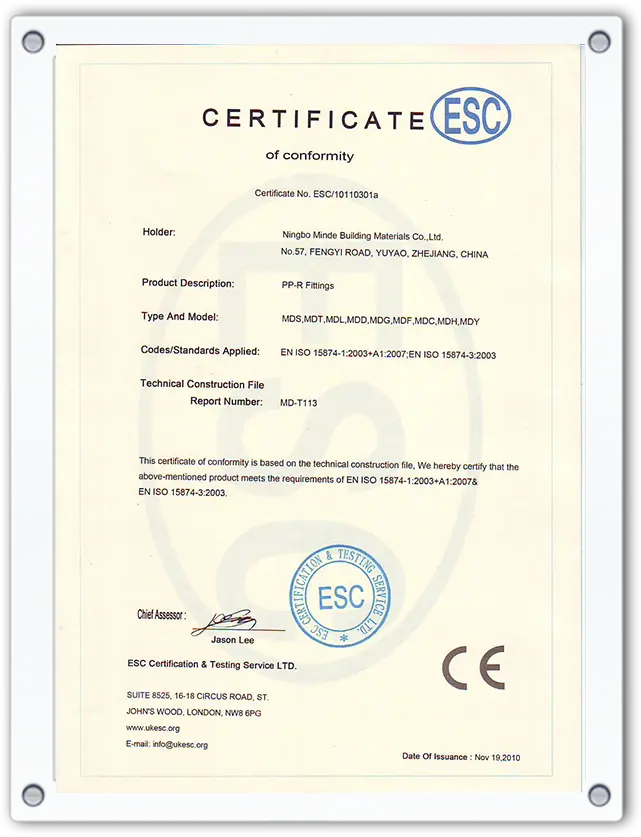
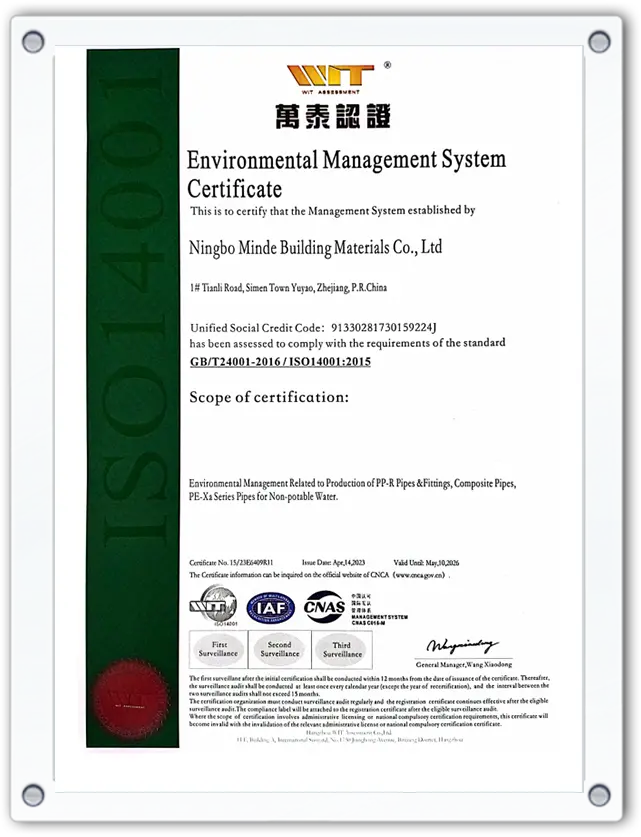
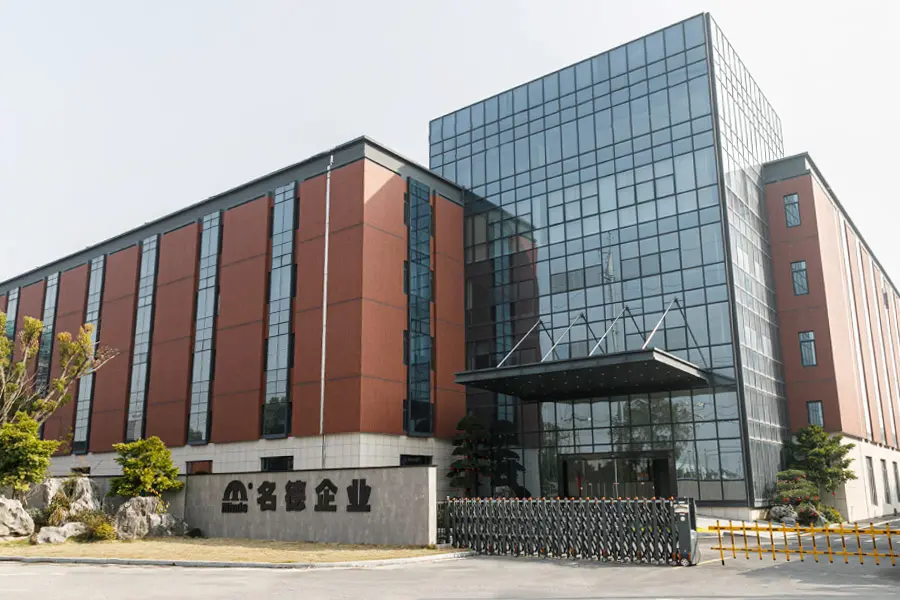
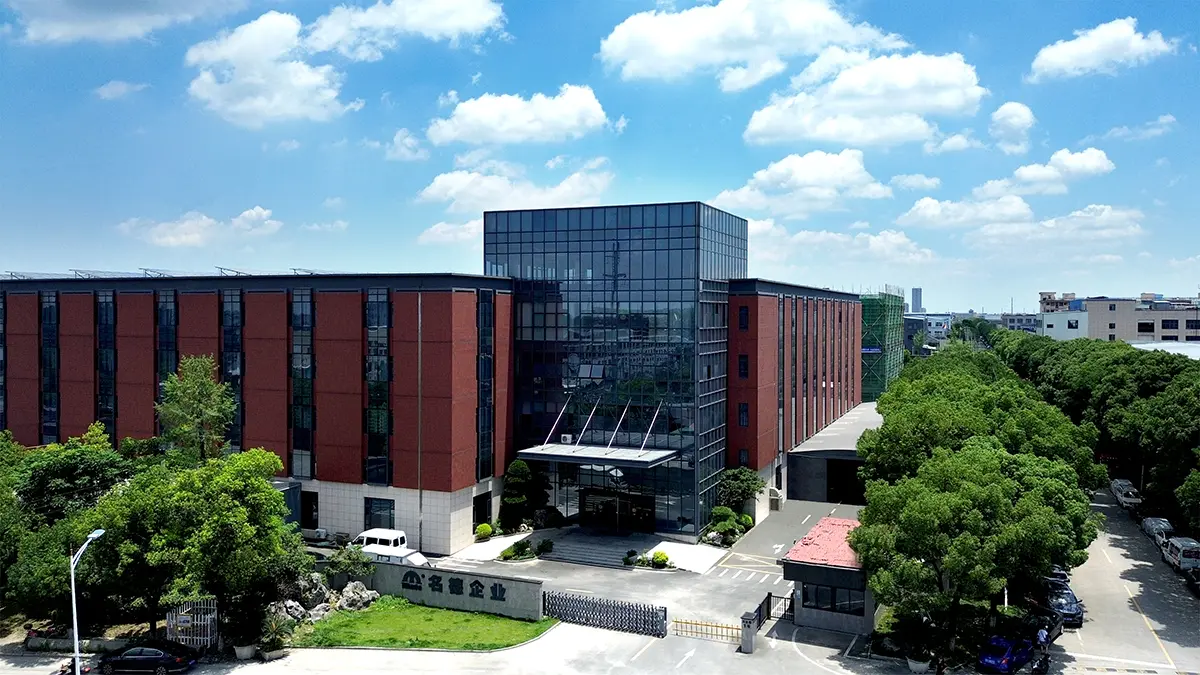
Many international buyers partner directly with leading Chinese production facilities like Ningbo Minde Building Materials Co., LTD. to balance high technical standards with cost efficiency. Located near Ningbo Port in Zhejiang, China, Minde delivers notable supply chain and logistical advantages:
Flexible EVOH pipes are used in various environments around the world, each with specific installation challenges and design requirements:
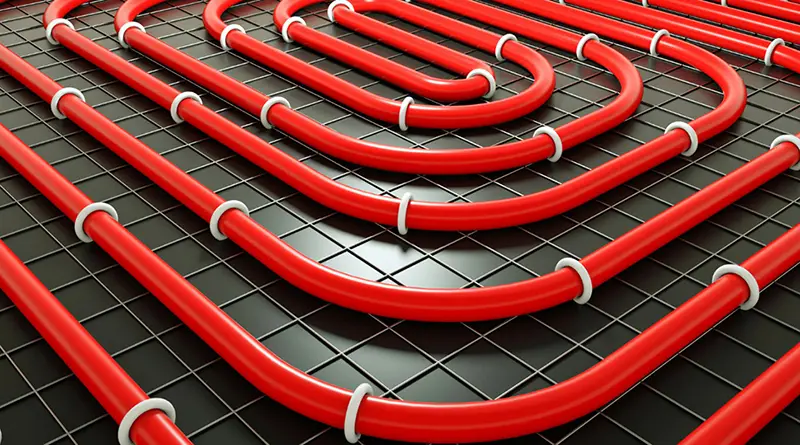
Pipes are laid in serpentine patterns over insulation panels before concrete is poured. The pipe's flexibility reduces installation tension, while the EVOH layer ensures long-term protection for the central heat exchangers.
Radiant panels in ceilings use high-efficiency cooling loops. The EVOH barrier stops air ingress in low-temperature lines, preventing localized micro-corrosion and scale build-up.
Agricultural installations rely on warm water loops underneath crop beds. Flexible EVOH pipes resist chemical fertilizers and humid soil conditions, maintaining consistent heat delivery.
The plastic piping industry is transitioning toward more sustainable, smart-enabled products. key developments include:
Common questions from design engineers, purchasing managers, and plumbing contractors regarding EVOH piping technology.
In a 3-layer pipe, the EVOH oxygen-barrier coating is applied directly to the outer surface, leaving it exposed to scratches and ambient moisture. A 5-layer pipe places the EVOH layer in the center, sandwiched between two layers of adhesive and two layers of PE-X or PE-RT. This protects the barrier layer from mechanical wear and humidity.
DIN 4726 sets the standard for oxygen permeability in plastic pipes for warm water heating systems. Compliance ensures the pipe limits oxygen transmission to below 0.32 mg/(m²·d) at 40°C, protecting metal components from corrosion.
PE-Xb uses silane cross-linking to provide high pressure resistance and performance at high temperatures (up to 95°C), making it suitable for demanding applications. PE-RT is more flexible and can be heat-welded, which simplifies repairs and jointing in lower-temperature radiant installations.
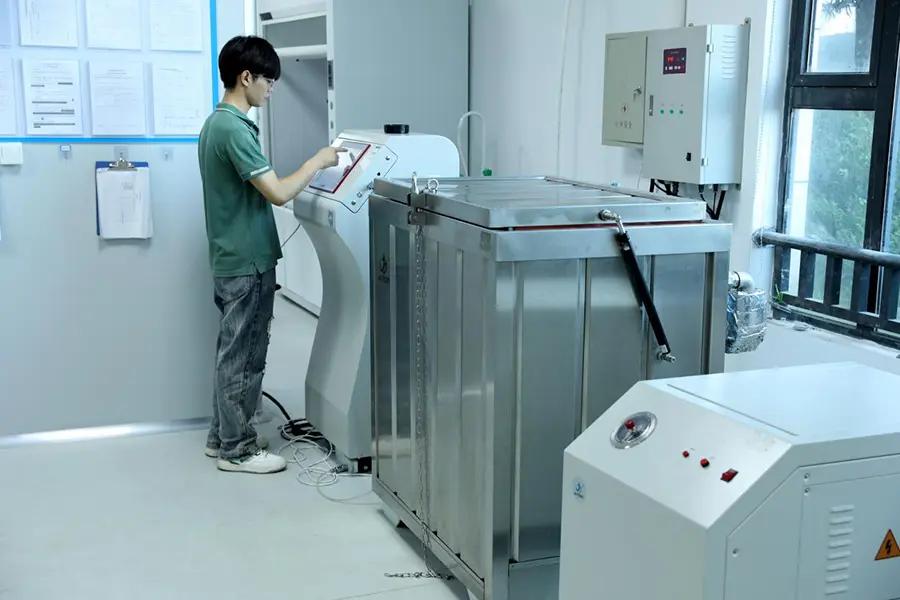
Quality control teams perform hydrostatic burst pressure tests, cross-linking density verification (for PE-Xb), dimensional accuracy inspections, and thermal cycle testing to ensure performance under actual operating conditions.
Yes, provided the base polymer and inner adhesive layers are certified food-grade. However, because domestic drinking water systems are open-loop and continuously introduce fresh oxygen, the oxygen-barrier properties of EVOH are generally not required, making non-barrier pipes more common for these applications.
With an area of 90,000+ square meters, 45 automated extrusion lines, and 85 injection molding machines, our factory in Ningbo, China ensures consistent high-volume supply and reliable product quality.
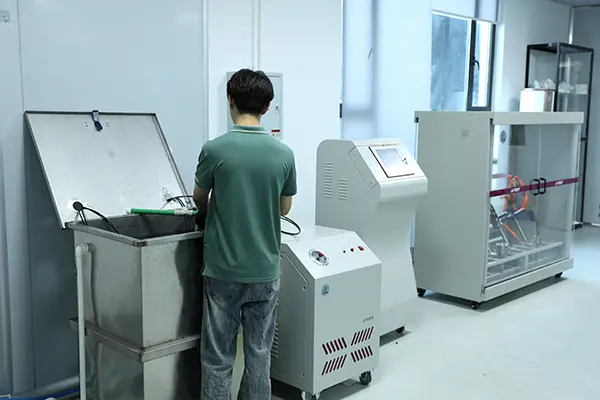
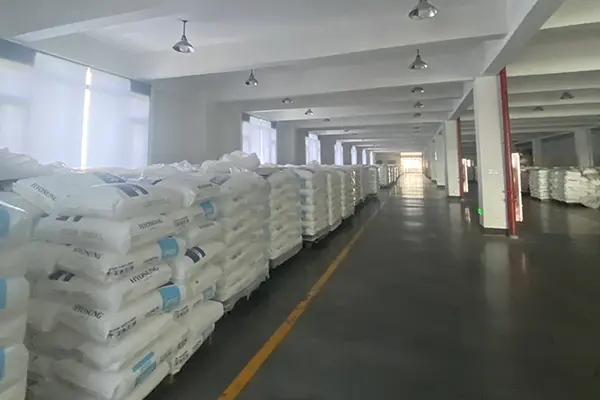
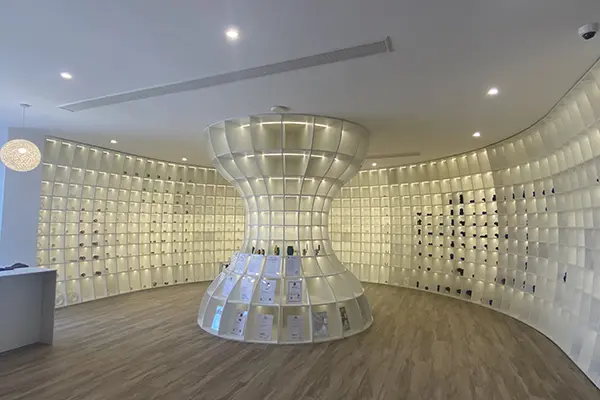
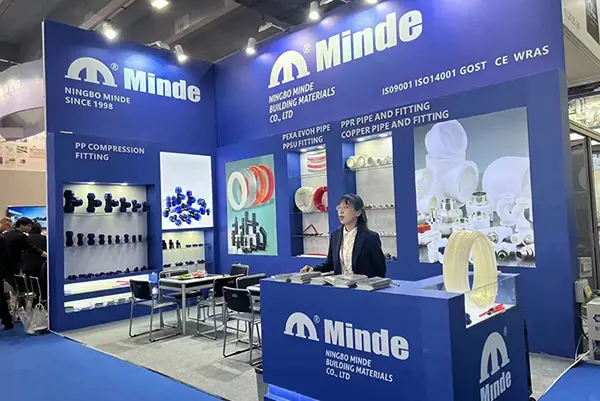
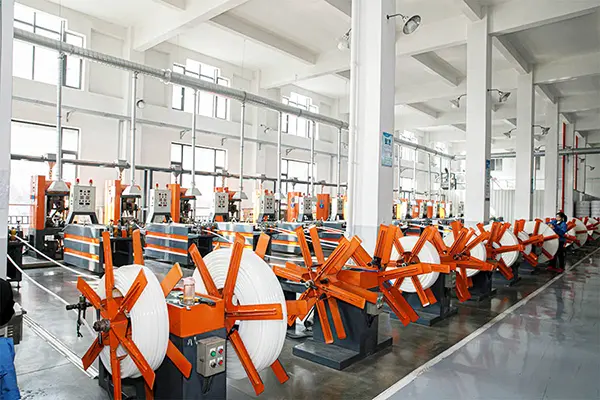
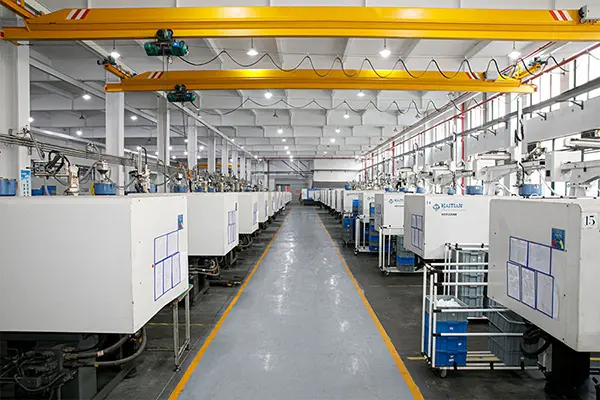
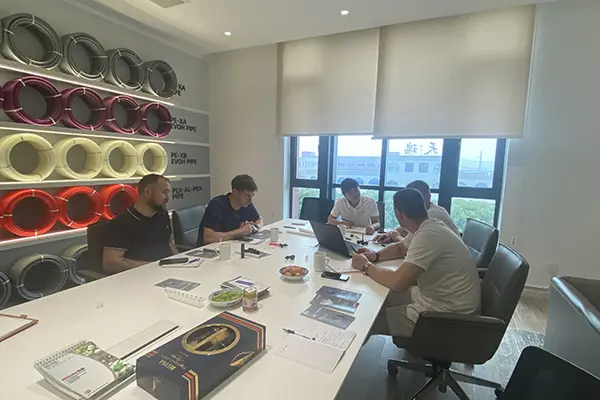
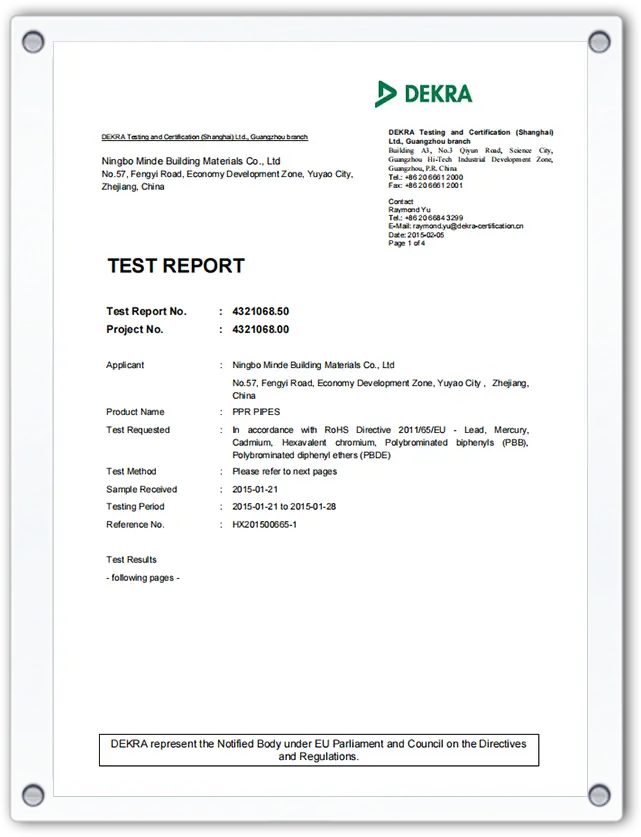
Our piping systems are engineered to perform in residential plumbing, commercial distribution, and agricultural projects.
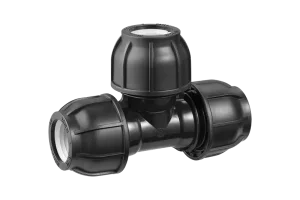
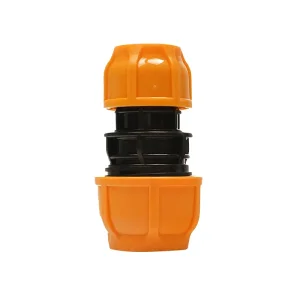
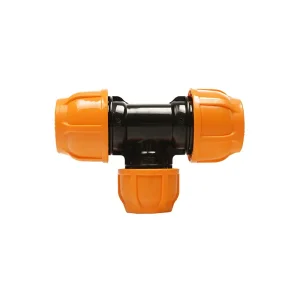
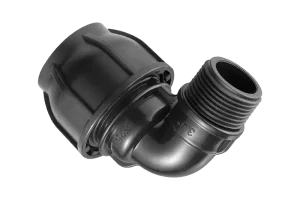
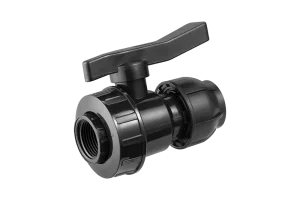
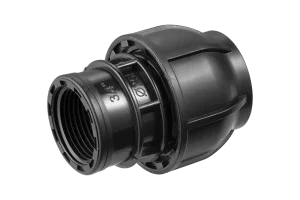
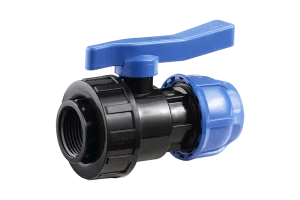
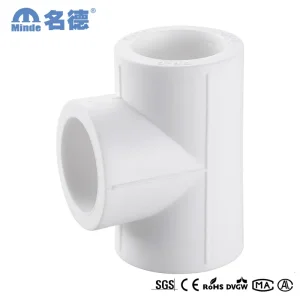
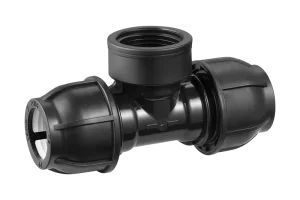
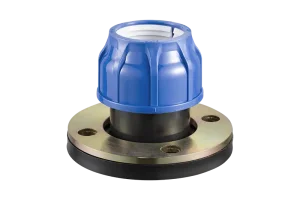
Explore matching accessories and transition adapters designed to complete your project setup.
 Minde
Minde