Minde
Minde
Technical Analysis: The Chemistry & Engineering behind PPR Systems
Polypropylene Random Copolymer (PPR) is synthesized via a gas-phase polymerization process that integrates ethylene molecules randomly into the polypropylene homopolymer chain. This specific chemical formulation improves impact strength, flexibility, and high-temperature stress rupture resistance over traditional polymers like PVC or HDPE.
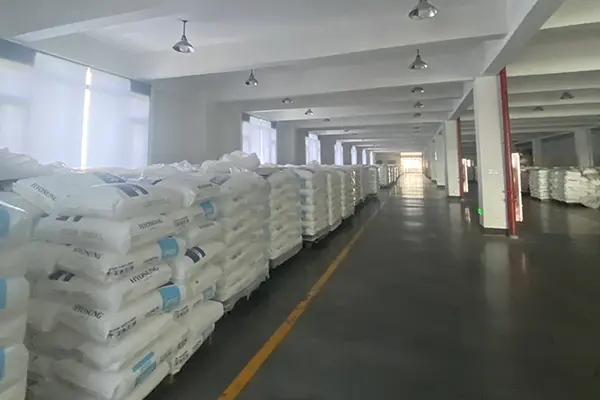
Minde Building Materials utilizes premium, food-grade imported virgin copolymer raw materials to safeguard against the chemical leaching risks associated with low-cost recycled plastics. Unrefined recycled resins often display highly irregular molecular weight distribution, resulting in micro-fissures, elevated vulnerability to chlorine disinfection agents, and premature catastrophic mechanical failure under high thermal loads.
Structural Comparison: Materials in Modern Fluid Transportation
| Performance Metric | Minde Virgin PPR Pipe | Recycled PPR Blend | Galvanized Carbon Steel | Standard PEX System |
|---|---|---|---|---|
| Tensile Strength (Yield) | 25-28 MPa | 15-18 MPa | 310-450 MPa | 18-22 MPa |
| Thermal Conductivity | 0.24 W/mK (Low loss) | 0.29 W/mK | 50 W/mK (High loss) | 0.38 W/mK |
| Life Cycle (At 70°C, 1.0 MPa) | > 50 Years | 5 to 10 Years | 15 to 25 Years | > 50 Years |
| Internal Friction Factor | 0.007 (Smooth bore) | 0.012 (Irregular) | 0.025 (Corrosion-prone) | 0.009 |
| Potable Safety Standard | WRAS, CE Compliant | Unregulated Leaching | Heavy Metal Deposition | FDA Approved |
Manufacturing Efficiency & Optimization in Ningbo, China
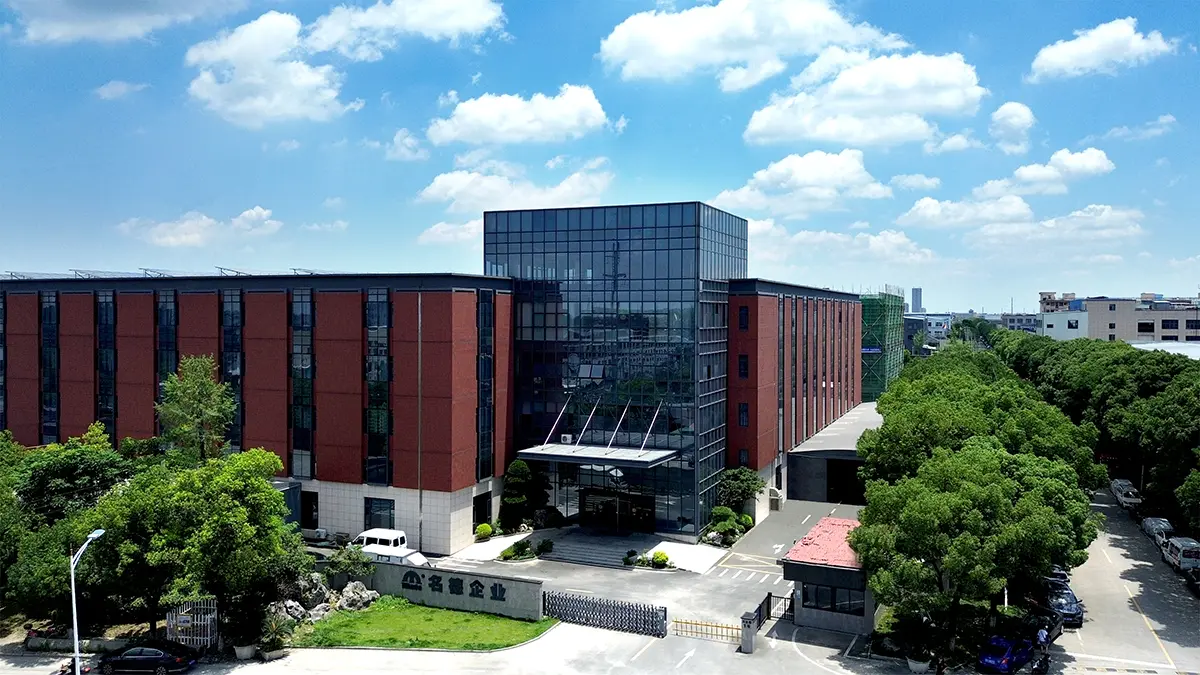
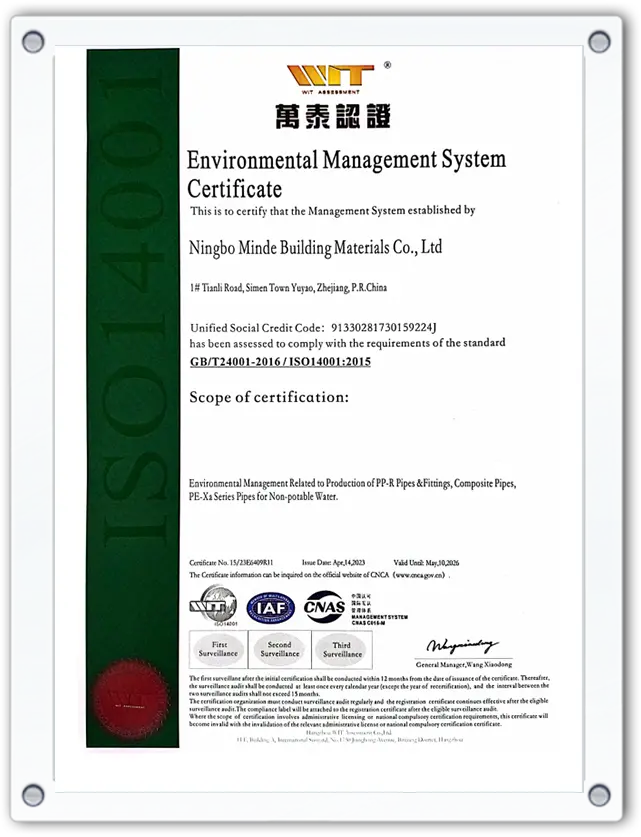
Ningbo's position as a premier global plastics cluster provides structural production advantages. By locating operations adjacent to the deep-water Ningbo-Zhoushan port, Minde reduces transport times for premium resin imports and lowers shipping costs for outbound freight. This geographical integration optimizes the supply chain, allowing us to source quality stabilizers, color masterbatches, and brass inserts at highly competitive rates.
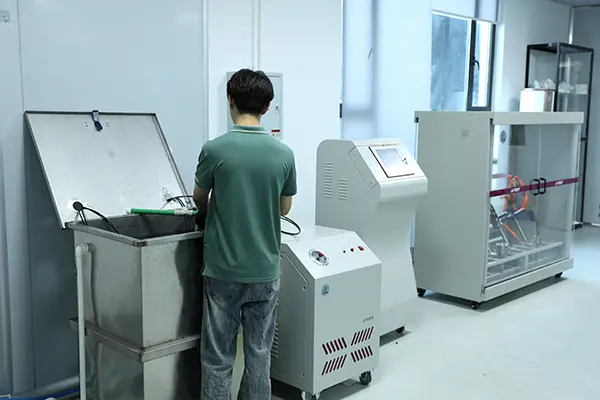
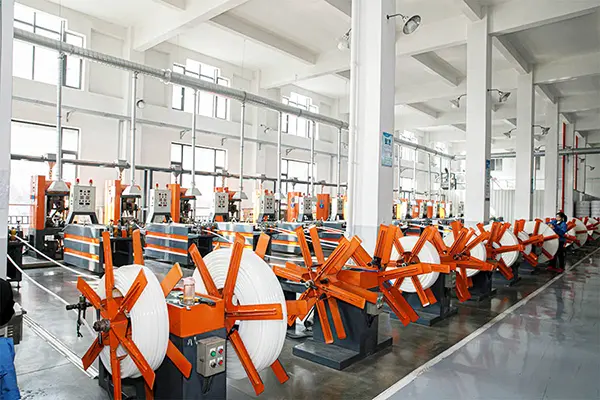
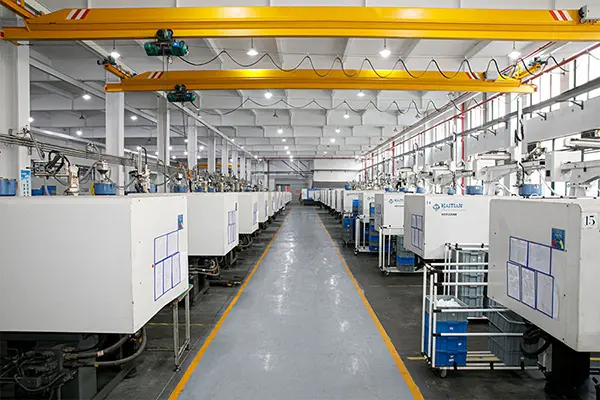
Our factory processes are structured to minimize material waste. Automated feeding lines transfer raw resins directly to the extruders under dehumidified conditions, preventing moisture contamination that causes structural voids. Closed-loop temperature regulation controls the melting zone within ±1°C, stabilizing the wall thickness of PN10 and PN16 pipes. This precision control reduces material variance and maximizes structural reliability.