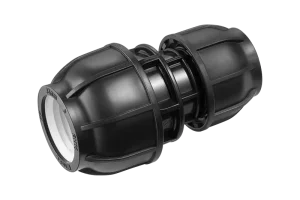
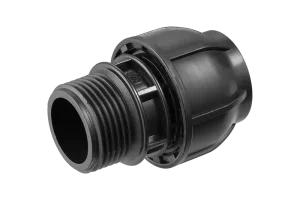
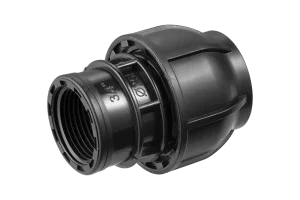
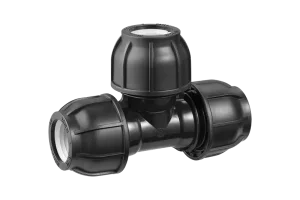
Engineered to handle sudden water pressure fluctuations, low winter temperatures, and diverse chemical nutrient flow in modern networks.
The industrial and agricultural piping sector in South Korea is undergoing a rapid modernization cycle. Traditionally dominated by steel, cast iron, and standard PVC networks, regional projects in provinces such as Gyeonggi-do, Jeollanam-do, and Gyeongsangbuk-do are replacing old piping with high-density polyethylene (HDPE). This pivot is driven by several critical factors: seismic activity requirements, soil chemistry dynamics, and the pursuit of long-term economic cycles in agricultural automation.
Under the national "Smart Farm Innovation Valley" (스마트팜 혁신밸리) initiatives led by the Ministry of Agriculture, Food and Rural Affairs (MAFRA), Korean farmers and pipeline builders demand connections capable of sustaining pressure thresholds up to 1.6 MPa (PN16). PN16-B Type PP compression fittings play a pivotal role here, offering reliable joints that require no butt-welding equipment, bringing structural safety, and drastically reducing field labor costs.
Additionally, municipal pipeline replacements in industrial clusters like Ulsan, Incheon, and Yeosu call for joint connectors that can withstand sub-zero winter temperatures without cracking. The "B-Type" polymer construction profile offers high impact strength and low temperature brittleness resistance, making it suitable for South Korea's rugged topography and cold season challenges.
From smart greenhouses to heavy chemical-industrial zones, the PN16-B series stands up to the rigorous standards of Korean engineering.
Automated fertigation systems in Jeolla-do utilize PN16-B fittings to handle high-concentration liquid nutrient distribution. The PP block copolymer prevents chemical reactions and maintains seal integrity under repeated pressure cycling.
Tongyeong and Jeju Island seawater circulation systems face severe corrosion threats. Standard metallic connectors degrade quickly in marine conditions. PP compression joints are highly resistant to saltwater, keeping aquaculture pumping lines reliable.
Water networks in Gangwon and Gyeongsang provinces require sanitary certification (similar to KC testing standards). Our virgin PP material ensures that drinking water remains untainted, preventing heavy metal migration and micro-leak contamination.
A detailed breakdown of key metrics, ensuring full operational parameters are aligned with ISO 17885 and KS B ISO 15874 certifications.
| Technical Metric / Specification | PP Compression (PN16-B) Parameters | Relevance to South Korea Standards | |
|---|---|---|---|
| Virgin Base Resin | Polypropylene Block Copolymer (PP-B) Grade Raw Material | Complies with KS M 3408 mechanical toughness standards | Excellent low-temperature impact strength |
| Maximum Design Pressure | 16 Bar (1.6 MPa) at nominal 20°C ambient | Exceeds local agricultural irrigation criteria (PN10) | High safety margin against line surges |
| O-Ring Material Core | EPDM High-Elasticity Formulation | FDA and EN 681-1 compliant, safe for potable water | Resistant to typical soil and crop treatments |
| Clinched Split Ring | Polyacetal (POM) high mechanical strength profile | Ensures high pull-out resistance under tensile stress | Secures lock without pipe scoring or damage |
| Operating Temperature | -10°C up to +45°C continuous flow profile | Designed to resist frost during winter cycles | Maintains seal integrity during temperature shifts |
Chemistry Insight: The choice of PP-B (Block Copolymer) over PP-R (Random Copolymer) for compression fittings is crucial. PP-B possesses high impact strength at low temperatures due to its alternating ethylene-propylene monomer block layout. PP-R is well-suited for high-temperature indoor plumbing, but PP-B is superior for outdoor networks. This configuration protects pipelines in regions like Gangwon Province, where ground temperatures can drop below -10°C during winter months.
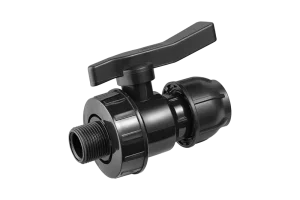
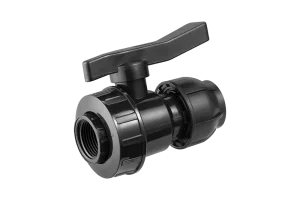
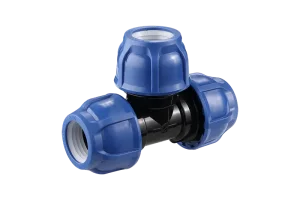
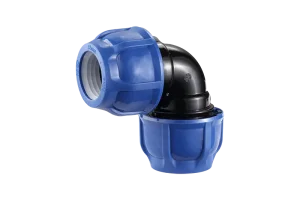
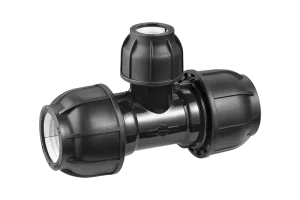
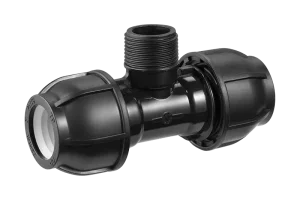
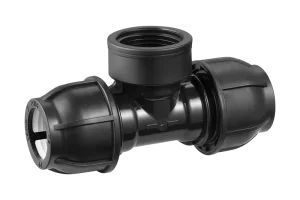
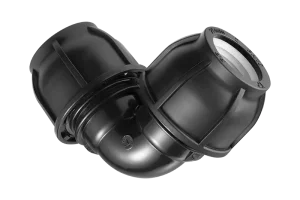
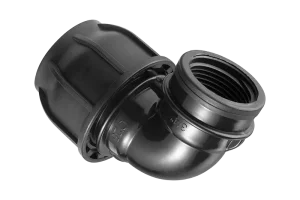
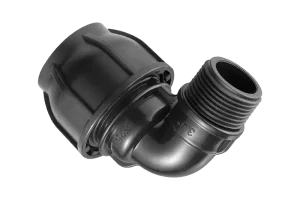
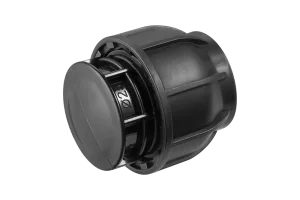
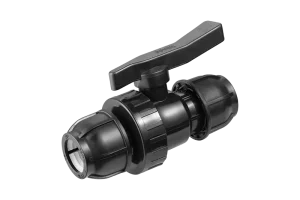
These components are designed for high-stress installations, integrating reliable flow control and multi-size adjustments.
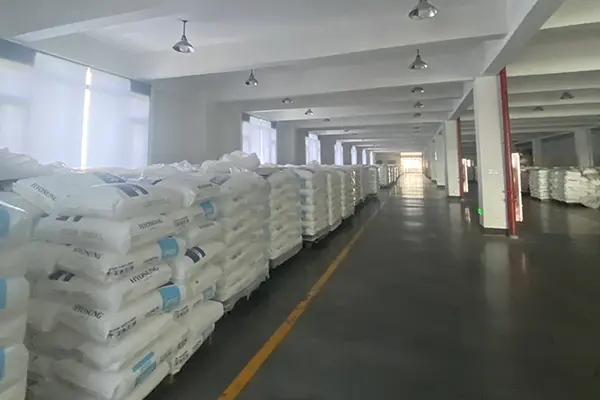
Leveraging high production capacity and direct sea routes to ensure stable delivery for major Korean distribution centers.
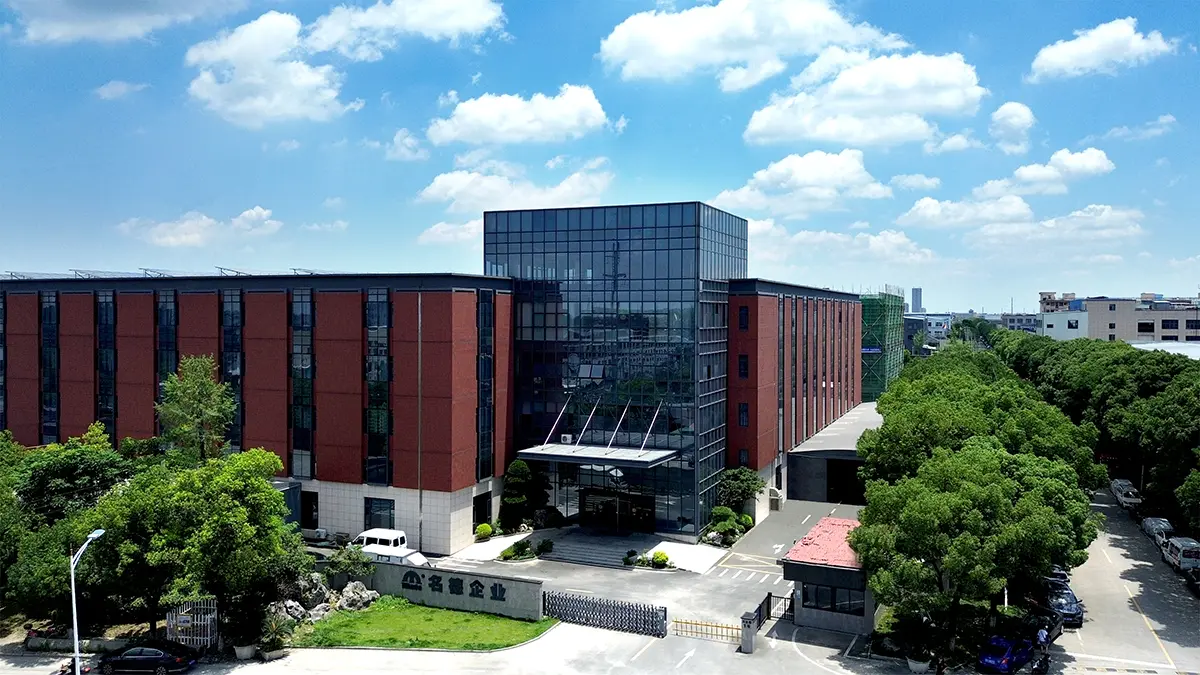
Located in Zhejiang Province, China, Ningbo Minde Building Materials enjoys close proximity to the Ningbo-Zhoushan Port. This proximity allows for direct sea transit to South Korean terminals, including Busan Port, Incheon Port, and Gwangyang Port. Typical transit time is just 2 to 4 days, ensuring efficient supply chain logistics.
Under the Regional Comprehensive Economic Partnership (RCEP) and the China-Korea Free Trade Agreement, import procedures are streamlined with reduced tariff barriers. This enables us to offer competitive pricing to Korean importers, wholesale distributors, and pipeline engineering firms.
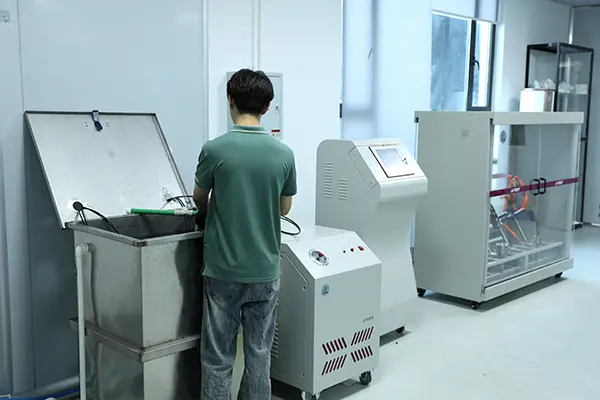
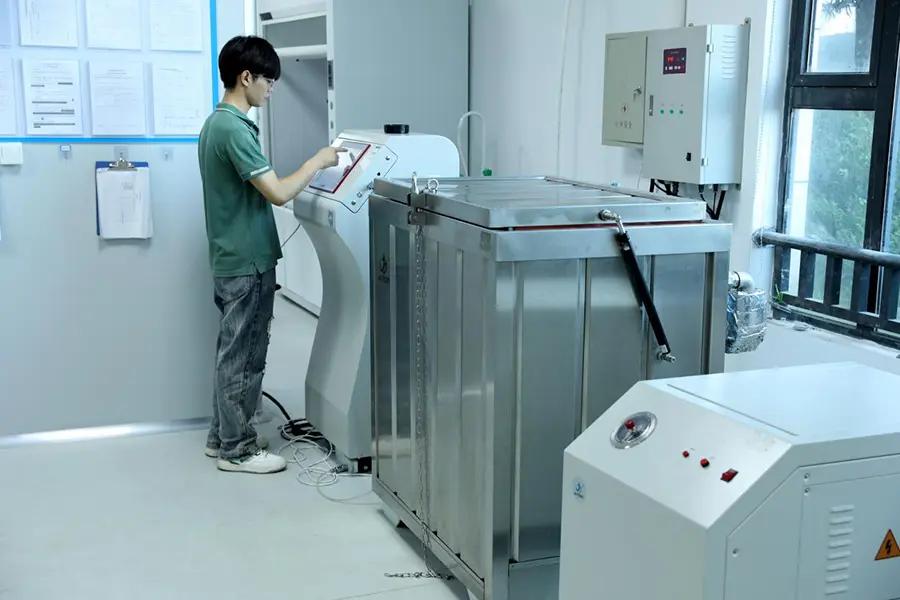
We operate under strict quality management procedures, maintaining multiple internal inspection checkpoints:
A trusted global piping systems manufacturer with over two decades of engineering expertise.
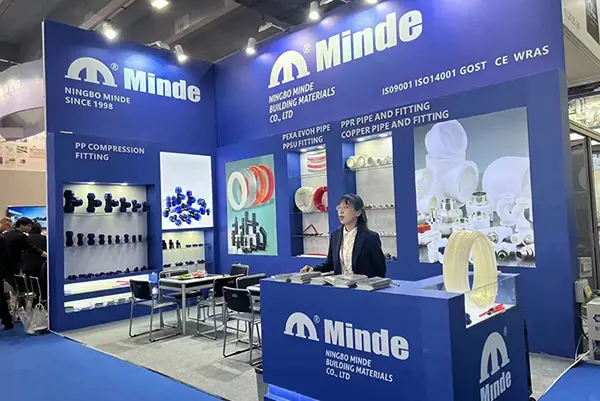
We are Ningbo Minde Building Materials Co., LTD., based in Zhejiang Province, China. Specializing in plastic pipes and fittings, our products are widely utilized in residential water supply networks, agricultural irrigation, and underfloor heating systems. We have more than 20 years of experience in this field, providing high-quality products and efficient solutions for water distribution networks.
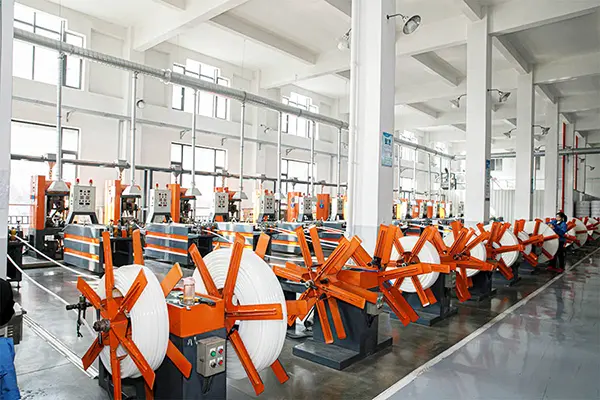
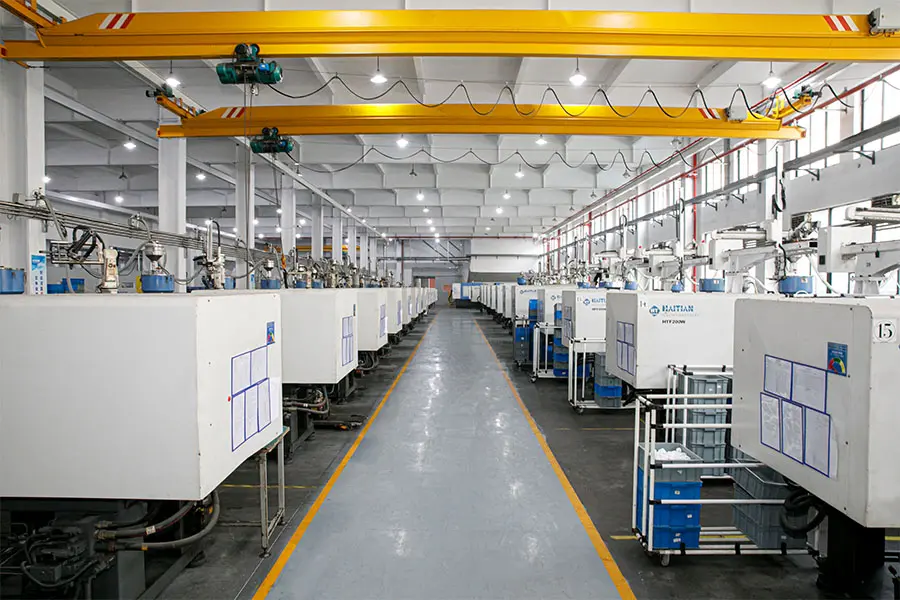
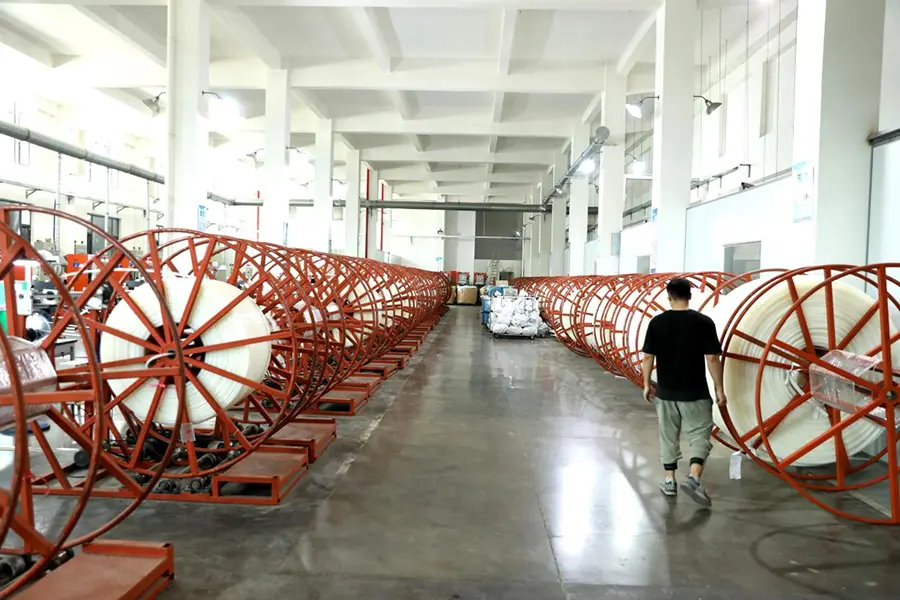
To provide households and commercial installations with environmentally friendly, high-quality piping, MINDE exclusively utilizes high-grade imported raw materials. Our factory covers over 90,000 square meters and employs more than 200 staff, including an experienced technical engineering management team.
Our commitment to consistent quality has earned us several certifications, including ISO9001:2022, ISO14001, CE, British WRAS, and Russian GOST. Our products are exported to more than 50 countries across Europe, South America, Southeast Asia, and the Middle East.
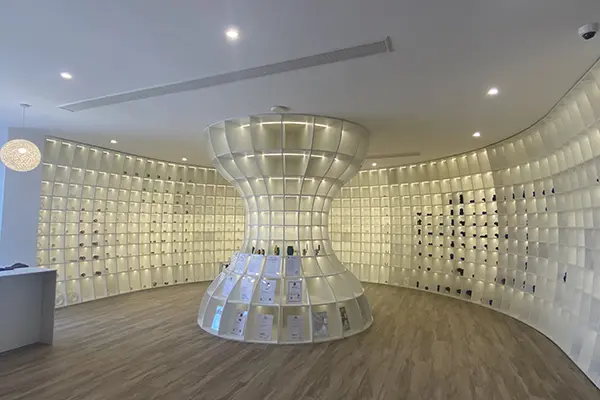
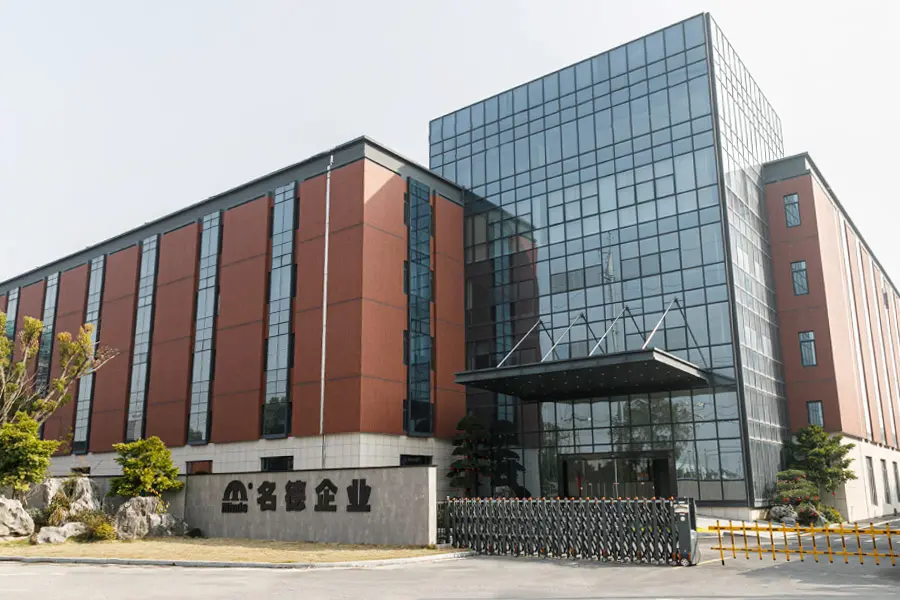
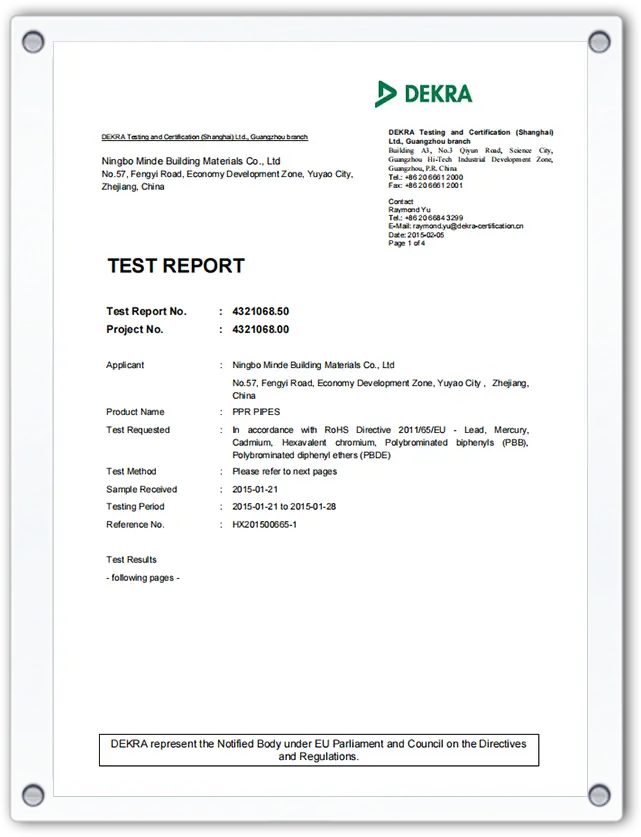
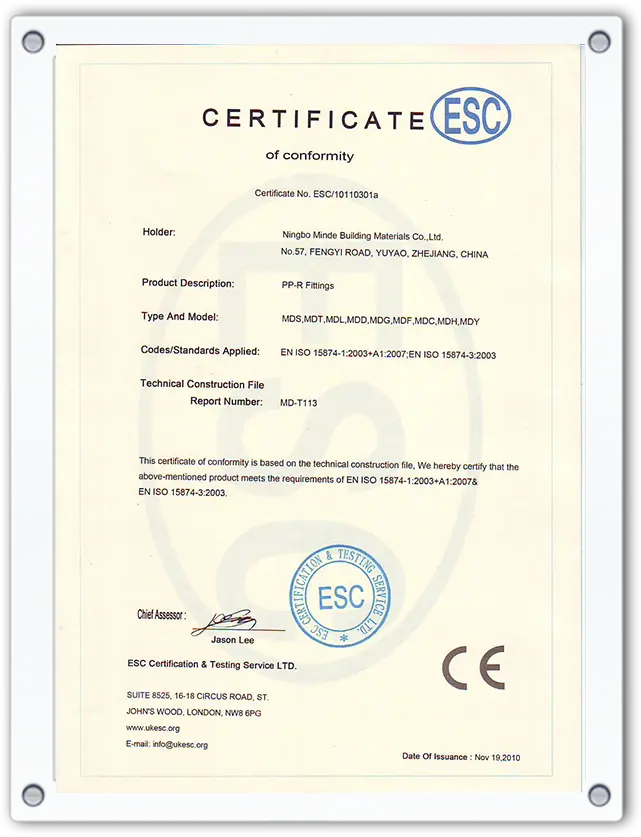
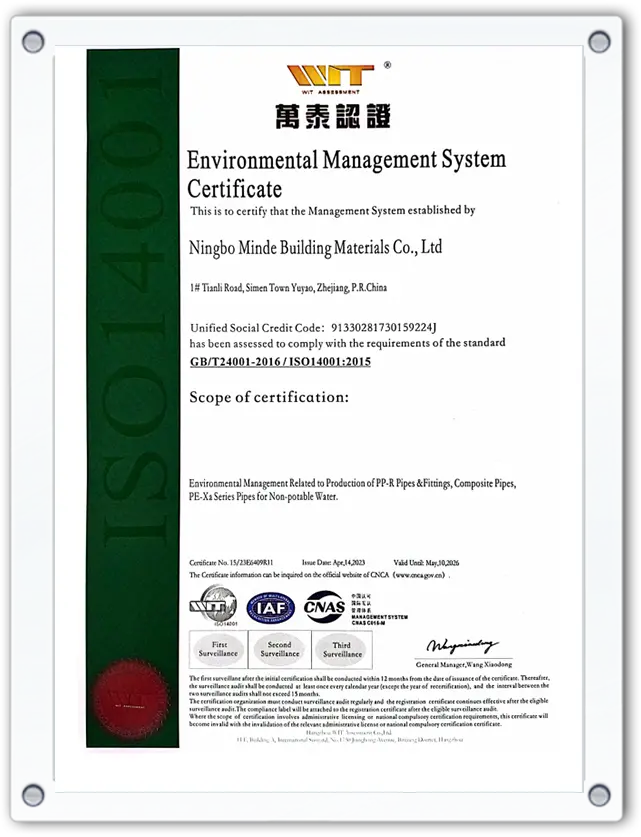

A comprehensive selection of high-pressure fittings for water supply, industrial lines, and smart agricultural networks.
Get professional answers to common questions about using PP compression fittings in South Korean pipelines.
A: Yes. Our PP compression fittings are designed to conform to ISO 17885 and EN 12201 standards. Because South Korea's KS M 3408 HDPE pipe standard is harmonized with ISO metric dimensions, our fittings are fully compatible with external pipe sizes (D20, D25, D32, D50, D63, D90, D110, etc.) without requiring custom adaptors.
A: Our fittings utilize a Polypropylene Block Copolymer (PP-B) composition. PP-B retains its structural impact strength at lower temperatures compared to PP-R. However, in regions where soil freeze-thaw occurs (such as Gangwon Province), we recommend burying lines below the local frost line to prevent water inside the pipe from freezing and expanding.
A: Our standard configuration uses high-grade EPDM gaskets, which offer strong resistance to mild chemical agricultural compounds, liquid fertilizers, and alkaline solutions. For highly concentrated chemical feed systems or petrochemical applications, we can customize seals with FKM (Viton) configurations upon request.
A: Yes. For fittings sized up to D32, hand-tightening followed by a final quarter-turn with a strap wrench is typically sufficient. For larger diameters (D50 to D110), using specialized strap wrenches to tighten the blue nut down to the final thread safety position is recommended to ensure correct seating of the EPDM seal and clinching ring.
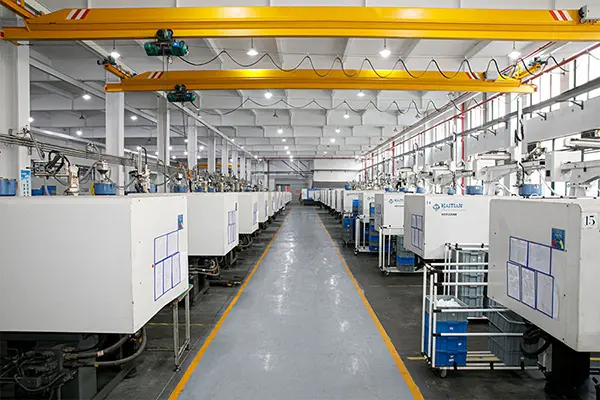
A: Yes. Backed by our 85 precision injection molding machines, we offer full OEM/ODM services. We can print custom branding onto the fitting bodies, modify the blue lock-nut colors to meet regional branding requirements, and provide customized packaging according to your distribution needs.
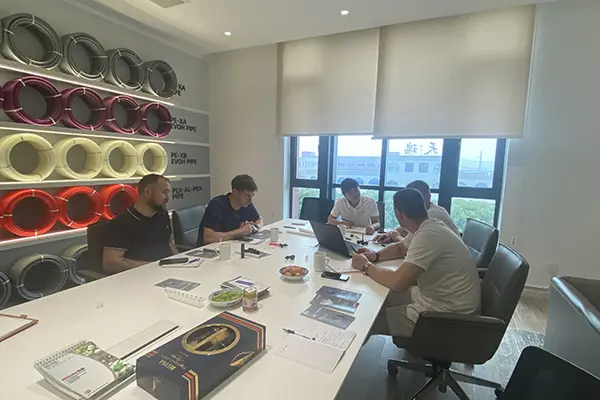
Contact our engineering sales team to request custom price lists, volume discounts, RCEP trade documentation, or technical product certificates.
 Minde
Minde