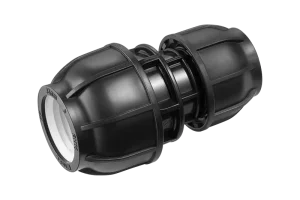
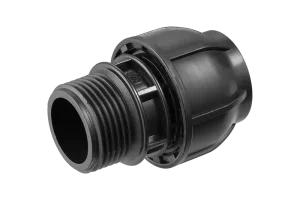
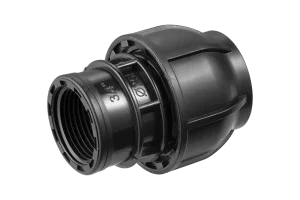
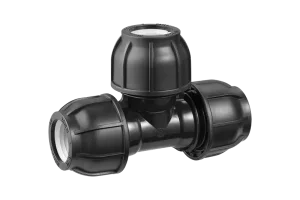
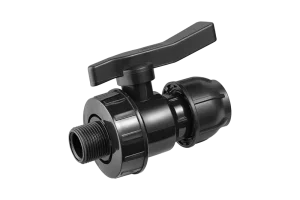
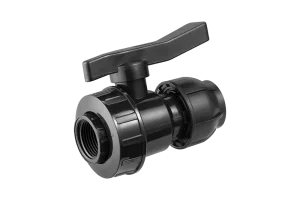
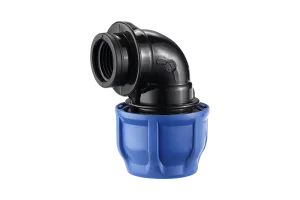
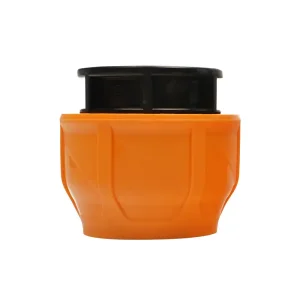
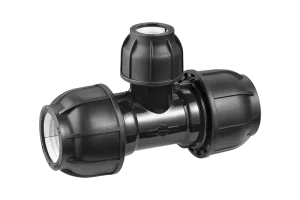
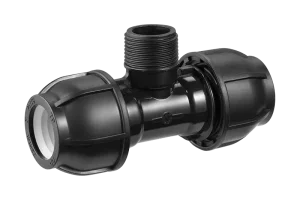
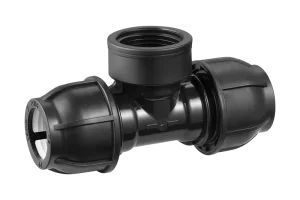
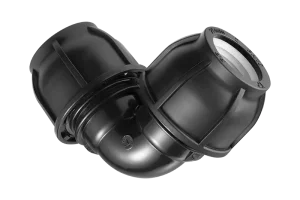
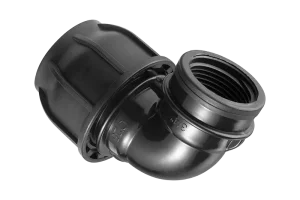
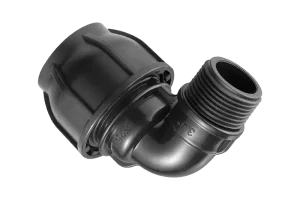
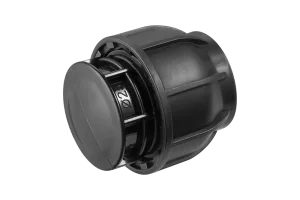
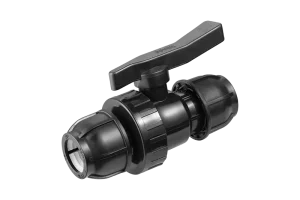
Deploying standard-compliant piping connectors is critical to safeguarding the fluid integrity of heavy civil pipeline installations. Below are four of our top-tier PN16-B rated polypropylene compression fittings, meticulously redesigned and adapted for optimal operation within the United States regional municipal and industrial sectors.
The modernization of water systems throughout the United States represents one of the most pressing engineering priorities of the current decade. Supported by federal initiatives like the Infrastructure Investment and Jobs Act (IIJA), municipalities, public utilities, and agricultural cooperatives are aggressively replacing legacy aging pipelines with modern, corrosion-free High-Density Polyethylene (HDPE) lines. In these large-scale deployments, the selection of connection fittings is paramount. PN16-B type PP compression fittings, rated for continuous pressures of up to 16 bar (232 PSI) at standard temperatures, have established themselves as an indispensable, high-reliability mechanical joint standard.
Unlike traditional butt-fusion welding methods which demand highly trained certified crews, massive generators, and specialized alignment equipment, modern PN16-B mechanical fittings permit rapid installation in complex terrain. From the deep trenching operations of municipal water systems in the Northeast to the expansive agricultural networks of California's Central Valley, the ease of installation associated with PP compression fittings dramatically minimizes overall project timelines and labor costs. The B-type configuration specifically incorporates enhanced split-ring clamping systems that lock around HDPE pipes, neutralizing pull-out forces caused by soil shift, seismic activity, and water hammer.
Water Scarcity Mitigation: States like Arizona, Utah, and Nevada are optimizing their primary irrigation lines, utilizing high-pressure PP fittings to guarantee zero-leakage configurations.
Sub-Surface Utility Upgrades: Industrial parks and commercial real estate hubs in Texas and Florida are adopting HDPE networks to combat high water-table soils that degrade iron or steel fittings.
Severe Climate Resilience: The high elastic limit of polypropylene combined with heavy-duty EPDM seals ensures that PN16-B type fittings adapt to freeze-thaw cycles without fracturing.
Integrating imported components into American engineering specifications requires complete alignment with North American regulatory structures. Minde coordinates all manufacturing matrices to ensure conformity with federal, state, and municipal regulations.
Fittings are fully engineered to mate with HDPE pipes conforming to ASTM D3035 and ASTM F714 dimension standards. This ensures that the clamping grip, seal compression, and insertion depth exactly match US wall-thickness schedules (SDR 9 through SDR 21).
For potable drinking water applications, Minde PN16-B fittings are manufactured utilizing high-purity, certified virgin polypropylene polymers and vulcanized EPDM gaskets that meet the strict extraction requirements of NSF/ANSI 61, preventing heavy metals or organic compounds from leaching.
To accommodate localized pipe systems, Minde offers dedicated NPT (National Pipe Thread) male and female threads alongside standard BSP configurations. This guarantees dry, leak-proof threaded engagements with local valves, hydrants, and backflow preventers.
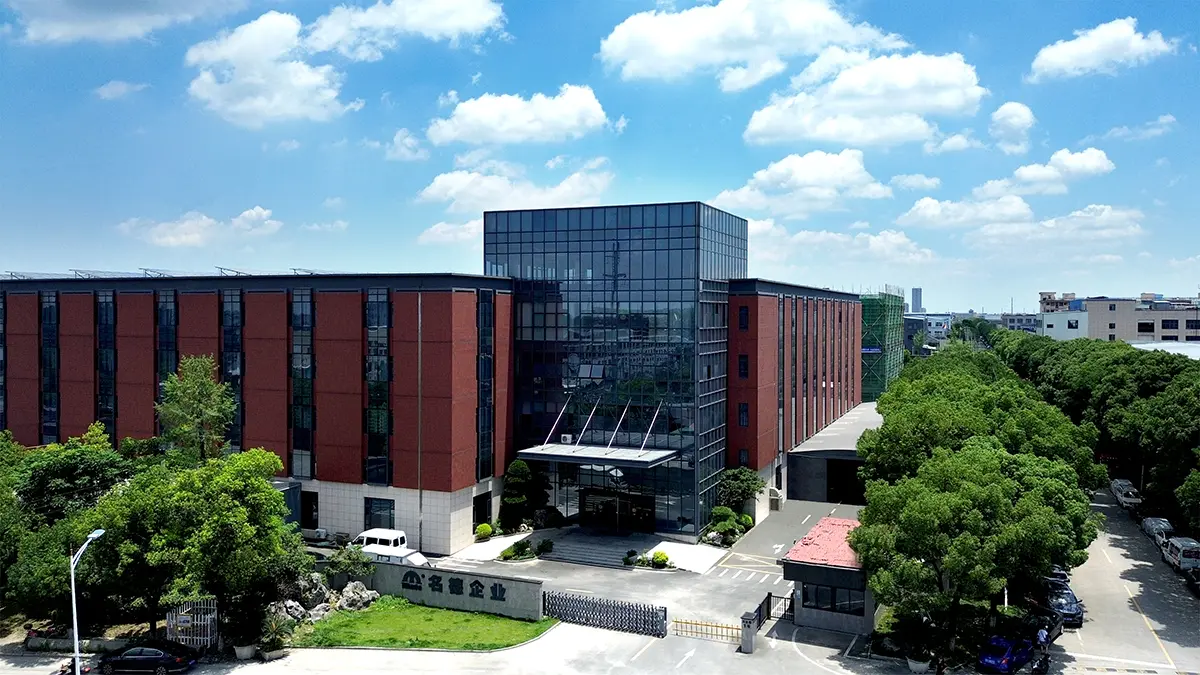
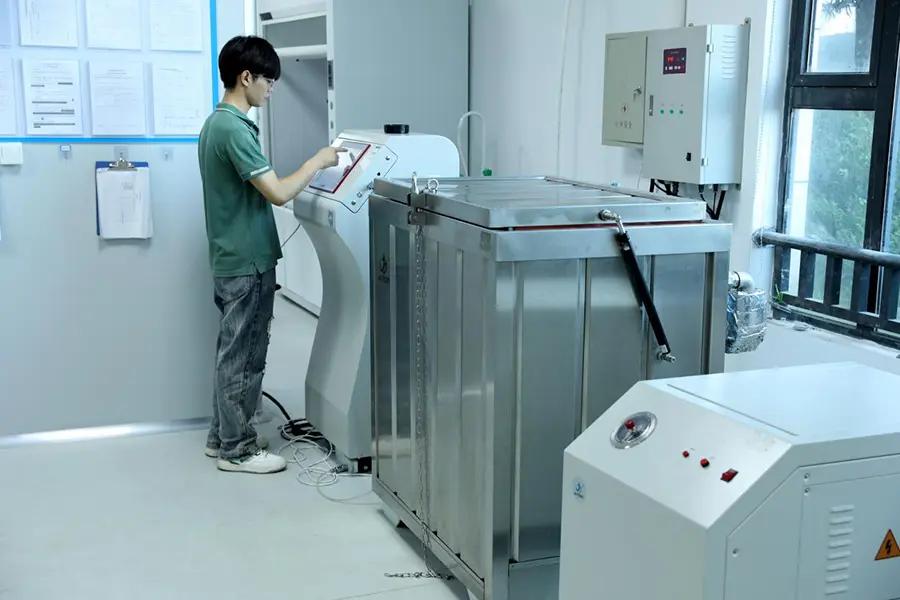
Rooted in the industrial hub of Ningbo, Zhejiang Province, China, Ningbo Minde Building Materials Co., LTD has operated as an industry-leading manufacturer of high-caliber plastic piping and connection systems for over two decades. Our 90,000+ square meter state-of-the-art facility features deep structural integration, combining raw chemical formulation, automated molding, high-stress testing, and international freight preparation under one managed roof.
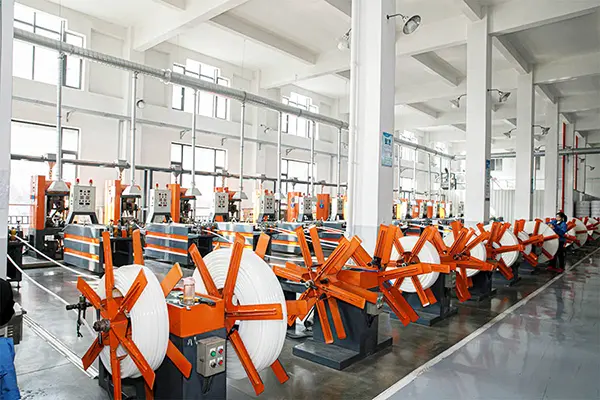
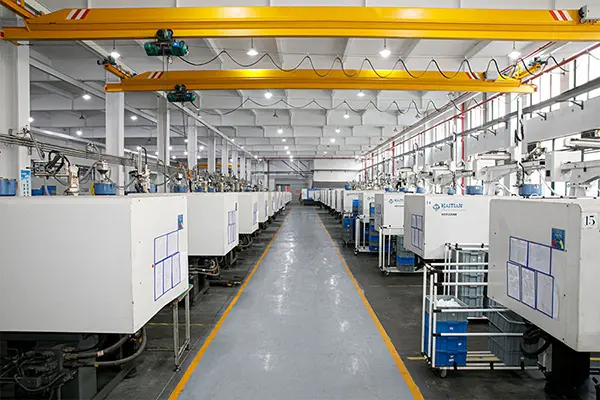
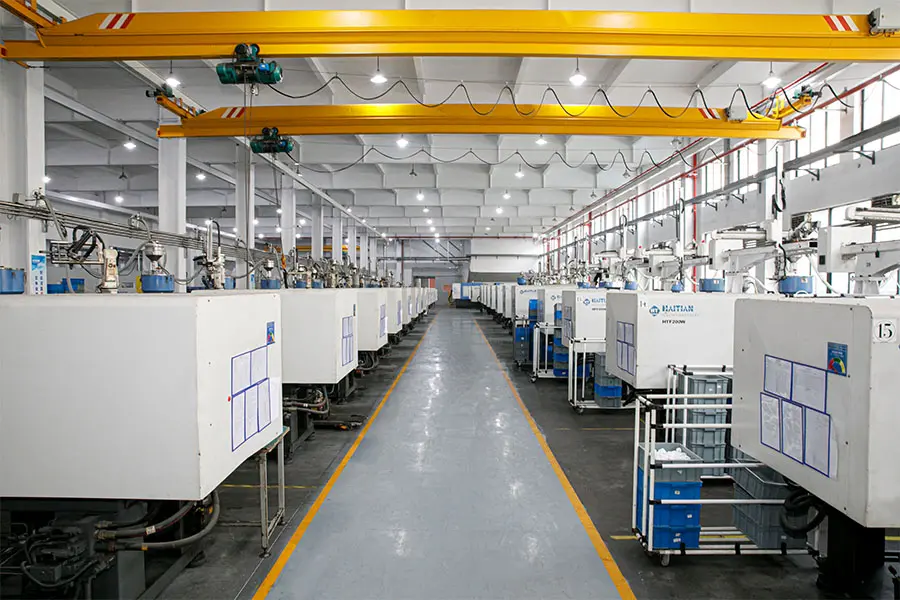
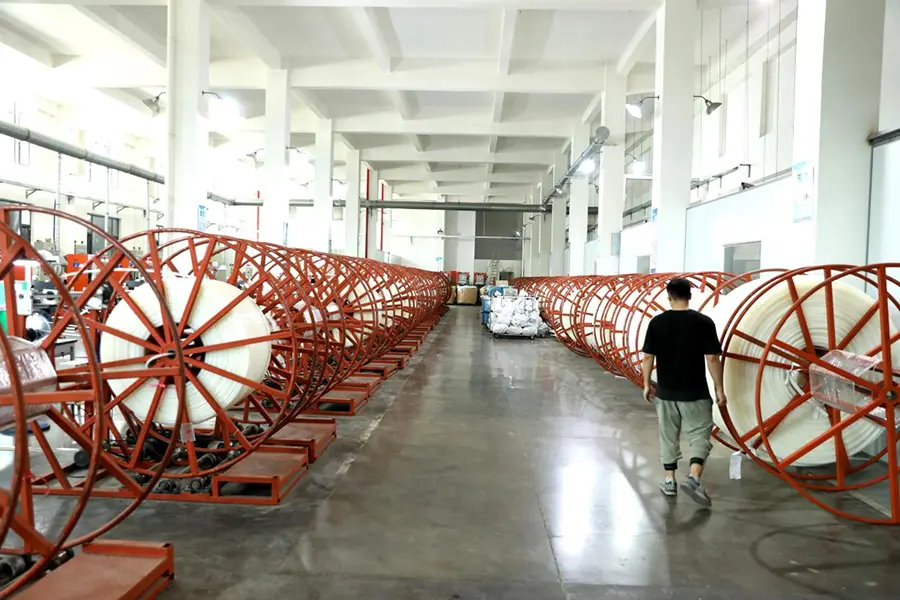
To eliminate the mechanical failures associated with post-consumer recycled plastics, Minde enforces a strict policy of utilizing only premium, 100% virgin imported polymers. Our facility hosts 45 advanced automated extrusion lines and 85 high-tonnage precision injection molding machines, managed by an intelligent centralized feeding system that minimizes material contamination. This vast infrastructure enables us to achieve unmatched production scaling, ensuring that we satisfy high-volume commercial supply contracts for US infrastructure projects on time.
For complete pipeline safety and manual control, our specialized line of compression valves and termination elements provides seamless integration with existing HDPE pipelines, allowing operators to isolate flow sectors and seal dead-ends under continuous 16-bar working pressure.
For U.S. procurement managers, municipal engineers, and hardware supply distributors, procuring pipeline components requires balancing upfront unit costs with long-term reliability and logistical efficiency. Minde addresses this equation by offering wholesale factory direct prices combined with optimized logistical structures. Our proximity to the Ningbo Port—one of the largest deep-water cargo shipping hubs in the world—guarantees consistent, frequent ocean freight routes to key U.S. ports of entry including Los Angeles/Long Beach, Houston, Savannah, and Newark.
Furthermore, Minde minimizes the Total Cost of Ownership (TCO) by providing structural support through customized container-load configurations, maximizing spatial density, and reducing freight costs per unit. To assist in navigating U.S. Customs and Border Protection tariffs and administrative entry requirements, Minde delivers meticulous documentation, including comprehensive Harmonized System (HS) code classifications, ASTM physical testing reports, and ISO certificate declarations, facilitating smooth clearances without costly demurrage delays.
Direct Factory Cost Reductions: By eliminating intermediaries, Minde provides competitive bulk pricing that absorbs import tariffs while still maintaining cost advantage over local U.S. distributors.
Consistent Lead Times: With 85 high-capacity injection molding machines operating continuously, Minde maintains a massive buffer inventory of standard size bodies, nuts, and split-rings, ensuring reliable production lead times.
Custom OEM Branding: We offer customized packaging, private labeling, and custom color formulations to help U.S. distributors build brand equity within regional retail and commercial markets.
In North American soil and climatic conditions, pipeline networks face severe mechanical stresses. Our PN16-B PP compression fittings are deployed across four major engineering fields:
From California's central farmlands to Florida's orchards, these fittings link complex drip and sprinkler networks, offering UV resilience against intense degradation and handling fertilizer injection lines with high chemical resistance.
Used as service connections for branch lines running from primary mains to residential/commercial meters. They withstand soil settling and municipal pressure surges without leaking.
Employed in commercial underfloor heating and geothermal heat pump ground loops. The robust compression mechanism maintains joint integrity through thermal fluctuations.
Used in mining, industrial factory drainage, and construction dewatering applications where pipelines must be rapidly relocated, reconfigured, or extended on short notice.
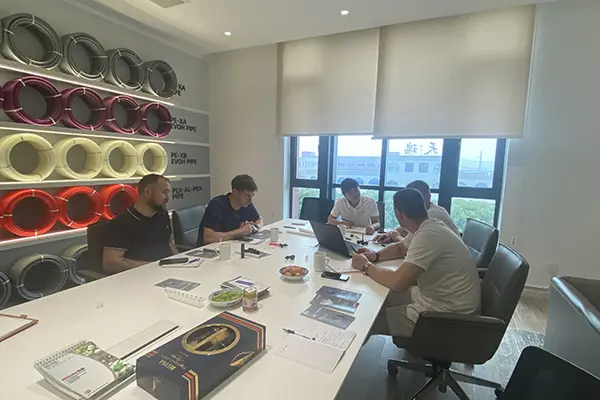
We back our engineering claims with transparency. Below are actual snapshots from our massive injection molding workshops, automated assembly lines, and our globally recognized quality management certifications, verifying compliance with international standards.
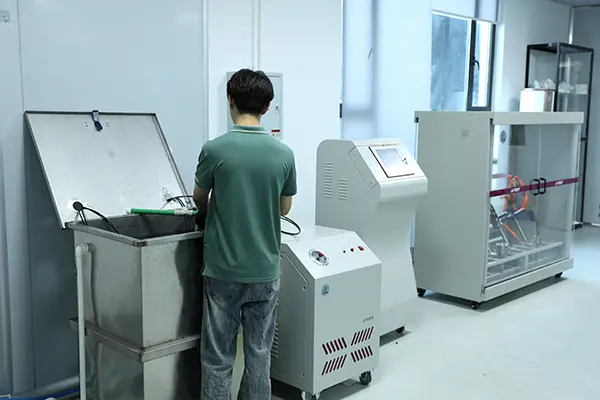
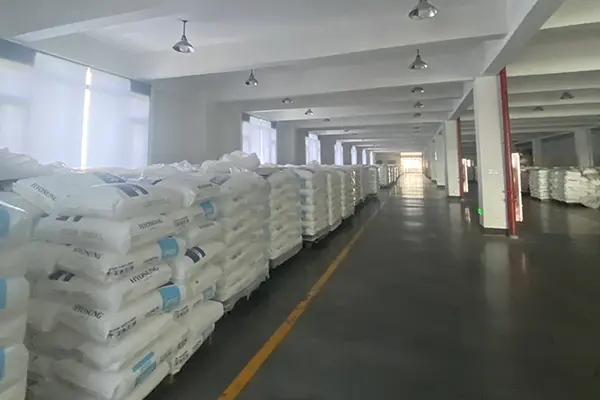
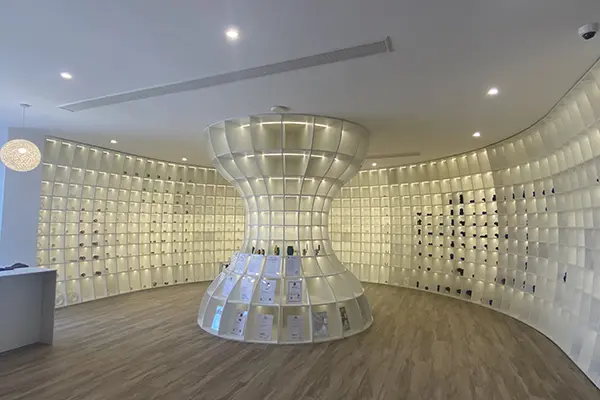
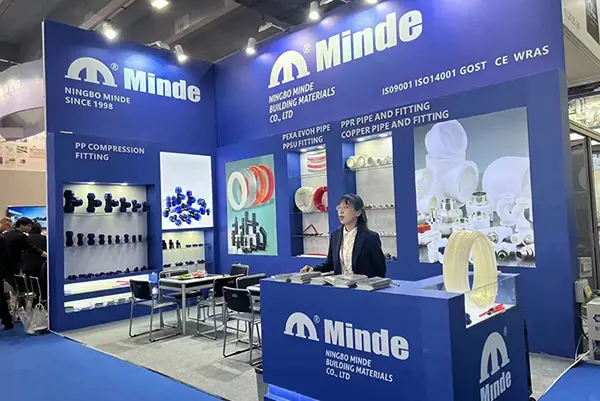
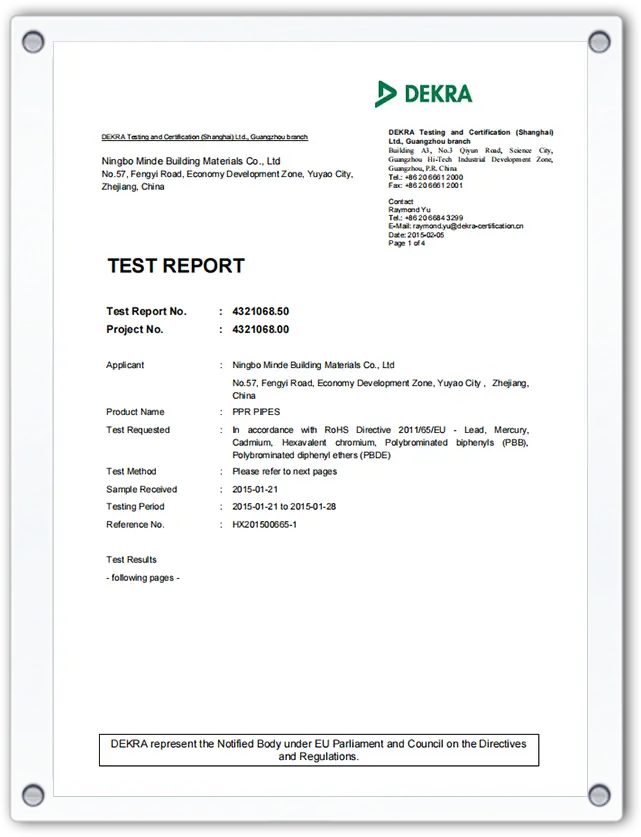
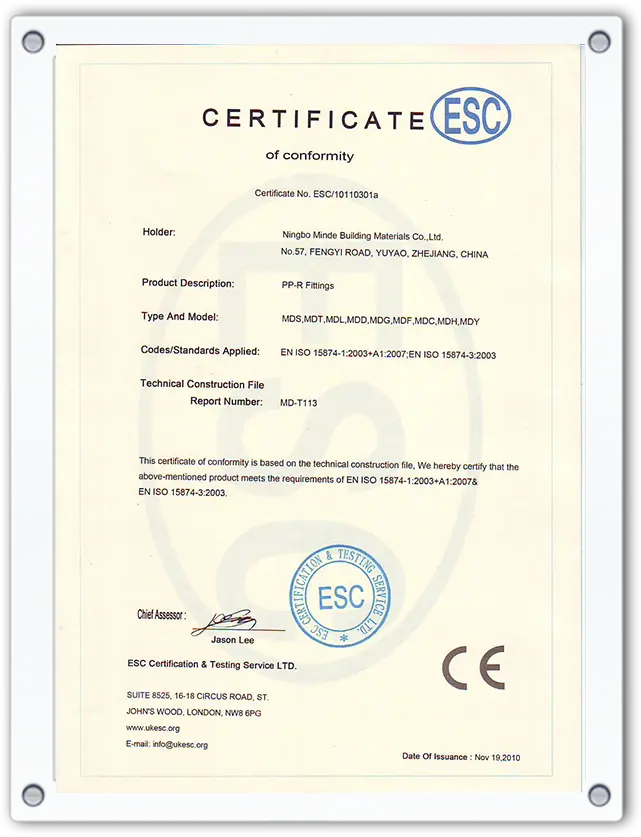
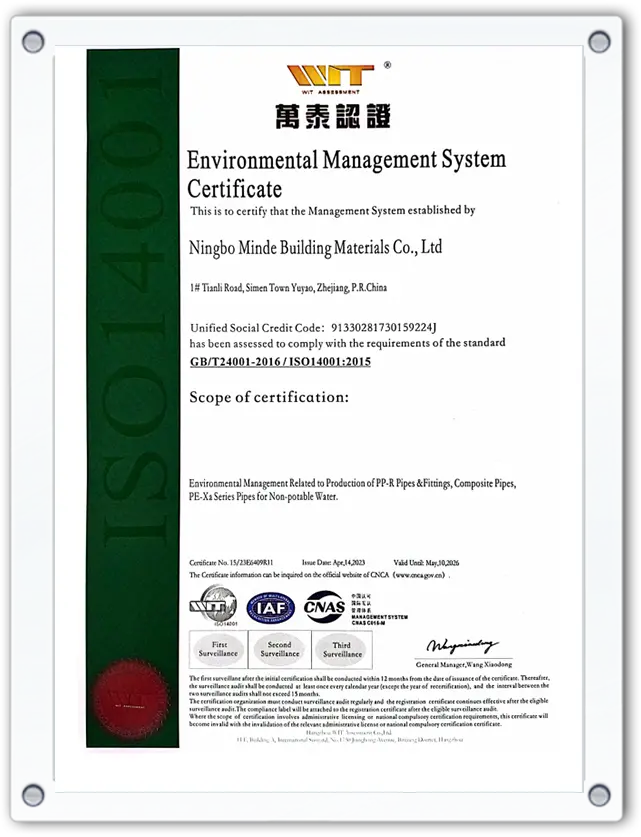
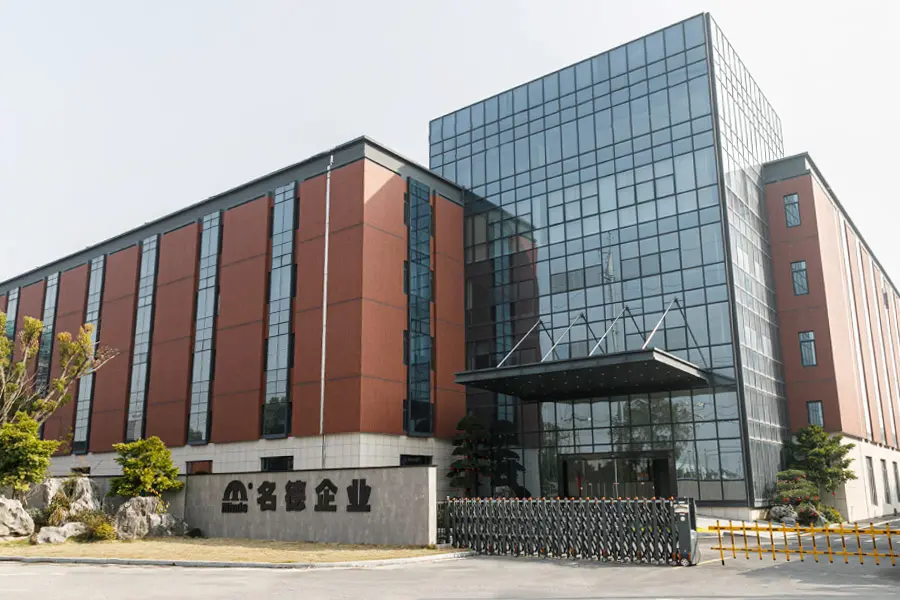

Explore our comprehensive catalog of high-strength components. Our catalog features specialized tees, elbows, and valves designed to withstand the harsh conditions of industrial fluid networks.
As global sustainability policies tighten, the plumbing and civil engineering sectors are transitioning toward materials that feature minimal carbon footprints and 100% end-of-life recyclability. Polypropylene (PP) compression fittings are well-suited for this trend. Unlike metal fittings (copper, brass, cast iron) that require intensive energy extraction and produce toxic waste during machining, injection-molded PP consumes less energy during manufacturing and produces zero heavy-metal runoff during its lifetime.
Simultaneously, the industry is witnessing a shift toward "smart piping systems." This integration embeds micro-sensors and RFID tags directly into the fitting body, allowing technicians to verify line pressure, check flow temperature, and detect leaks remotely. In terms of chemical resilience, new formulations of virgin polypropylene copolymer materials are engineered with advanced UV-inhibitor compounds. This upgrade protects pipe joints exposed to outdoor weathering (such as in above-ground irrigation systems in Colorado and Arizona) from UV embrittlement and cracking.
Get direct answers to common technical queries from U.S. municipal procurement officers, field inspectors, and agricultural engineers regarding our PN16-B compression fitting lineup.
The "PN16" designation is an international pressure rating indicating a nominal working pressure of 16 bar at 20°C (68°F). Translated to American engineering units, this equals a continuous operating pressure of 232 PSI. The "B" designation refers to the design type, characterized by an optimized clinching ring assembly that provides reliable pull-out resistance, ensuring joint integrity during pressure surges or soil movement.
Yes. Minde designs and manufactures custom clamping rings specifically calibrated to match the outside diameters (OD) and wall-thickness schedules of standard American HDPE pipes conforming to ASTM D3035 and ASTM F714. We ensure compatibility with standard SDR sizes (including SDR 11, SDR 17, and SDR 21).
Absolutely. All materials that contact water are manufactured using food-grade, virgin polypropylene homopolymers and certified elastomeric EPDM seals. These components comply with NSF/ANSI 61 safety standards, ensuring no chemical leaching occurs, preserving water safety from water treatment facilities to residential taps.
Polypropylene possesses structural elasticity that accommodates the slight expansion of freezing water inside pipelines without cracking. However, proper installation depth below the local frost line (per municipal building codes) is recommended. Additionally, Minde's EPDM gaskets maintain elasticity down to -20°F, preventing leaks during seasonal thermal transitions.
Yes. While standard European shipments utilize BSP (British Standard Pipe) threads, all orders destined for U.S. markets can be customized with NPT (National Pipe Thread) configurations, ensuring secure, leak-proof mating with local American steel, brass, or PVC piping elements.
When installed in above-ground agricultural irrigation layouts, our fittings offer an estimated service life of 25 to 50 years, depending on local heat cycles. The virgin PP compounds are blended with high-grade carbon black and hindered amine light stabilizers (HALS), providing protection against solar UV radiation.
 Minde
Minde