High-performance clamp saddles and control valves optimized for fast branching of HDPE pipes in central European engineering projects.
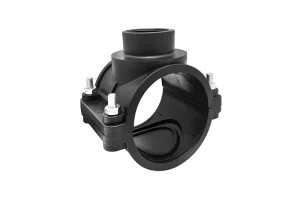
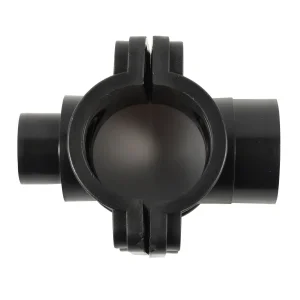
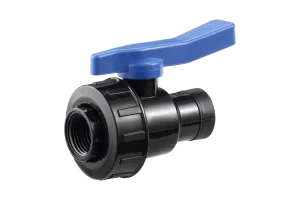
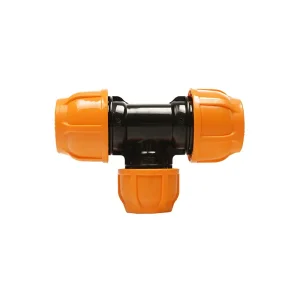
Germany’s industrial and municipal water distribution infrastructure is marked by its uncompromising commitment to precision engineering, long-term durability, and strict public health frameworks. As utility operators and municipal contractors scale up trenchless pipe rehabilitation and new underground line installations, High-Density Polyethylene (HDPE) has emerged as the premier pipeline standard. To tap into these mains without interrupting water networks, engineers increasingly specify high-grade Polypropylene (PP) Clamp Saddles.
In accordance with DIN EN 12201 and the strict TrinkwV (German Drinking Water Ordinance), any mechanical tapping sleeve used in public civil works must guarantee mechanical resilience and chemical safety. German utilities require materials that eliminate leaching of volatile organic compounds (VOCs) and prevent biological growth. PP mechanical clamp saddles fulfill these demands efficiently by establishing robust lateral branch connections without requiring complex electrofusion or hot-tapping equipment, saving significant site-labor hours and costs.
“In German civil engineering, structural stability and minimization of line downtime are non-negotiable. Modern PP clamp saddles provide a zero-leakage, mechanical bypass interface that stands up to decades of ground shifting and pressure cycling.”
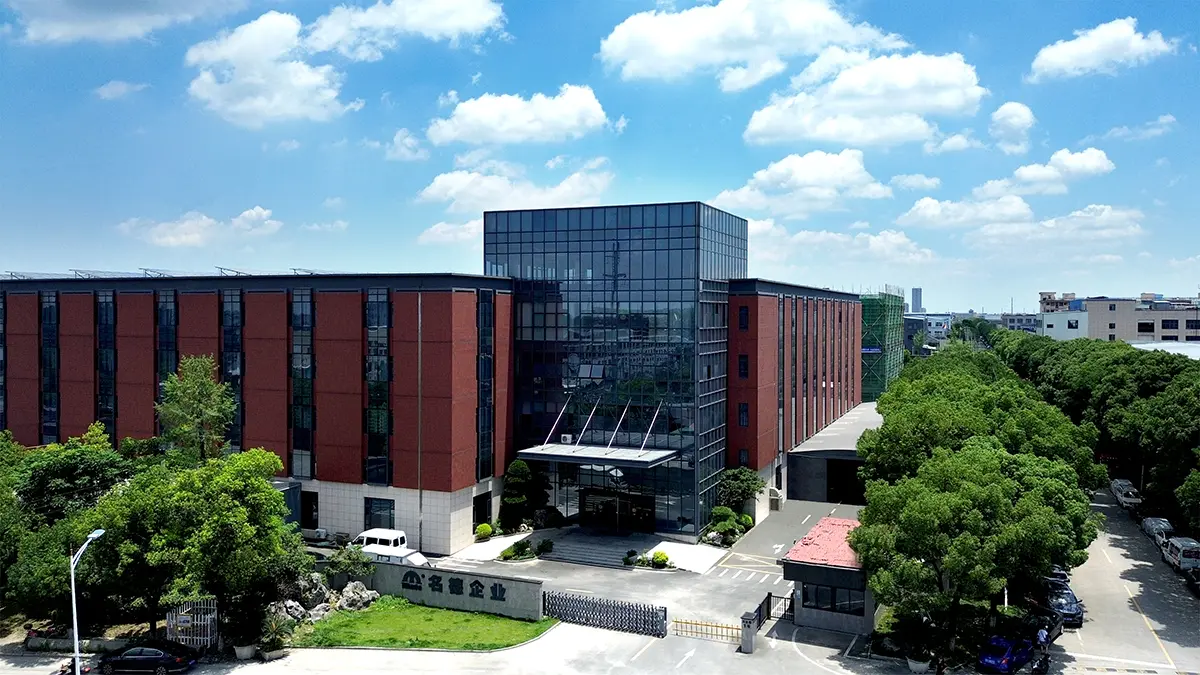
Bridging Chinese high-precision injection capacity with Germany's strict industrial standards.
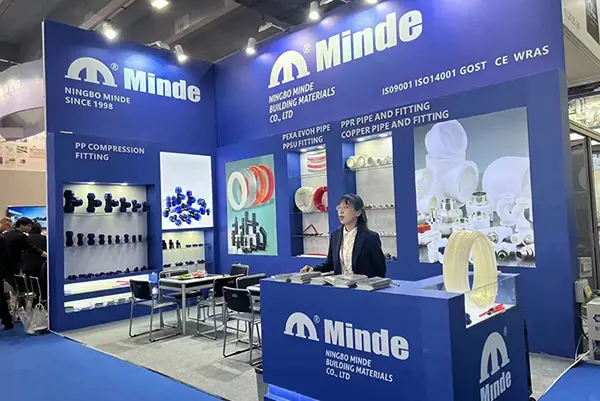
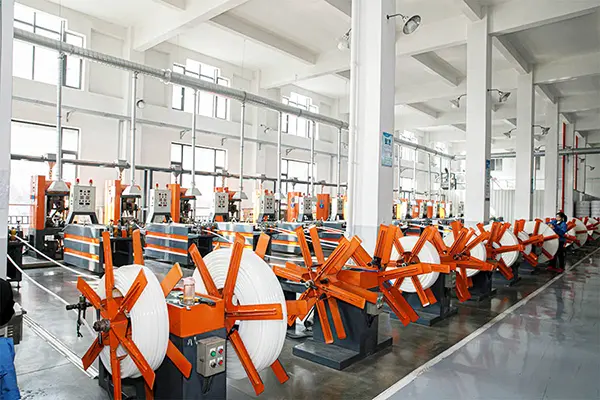
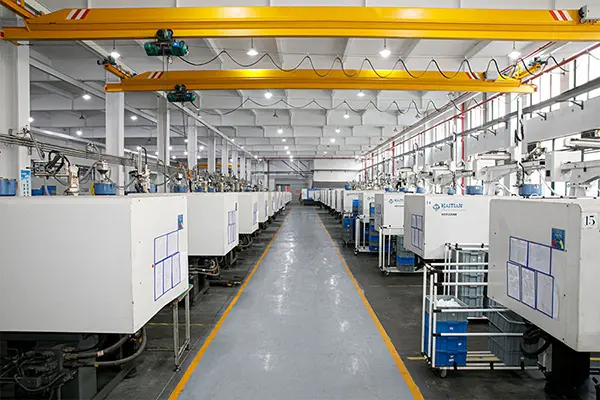
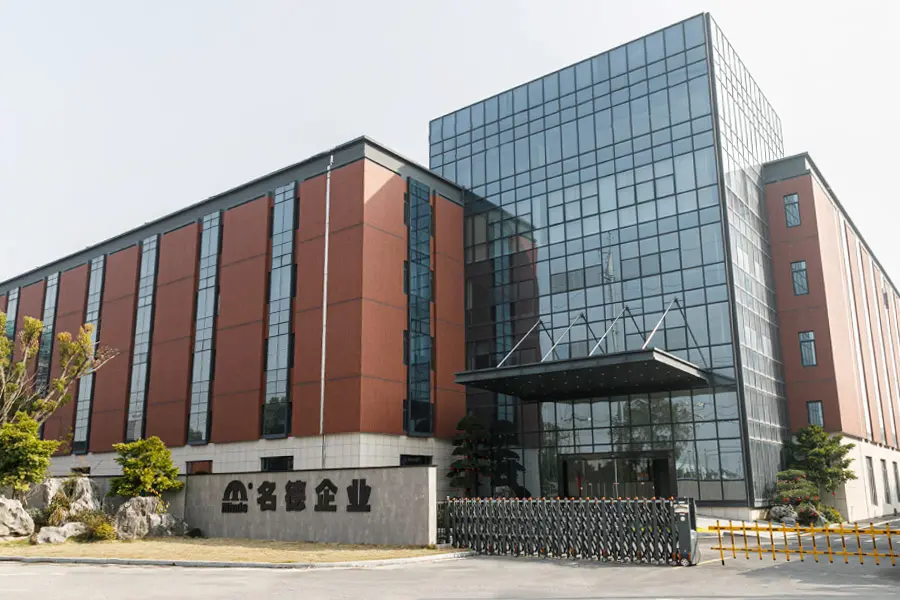
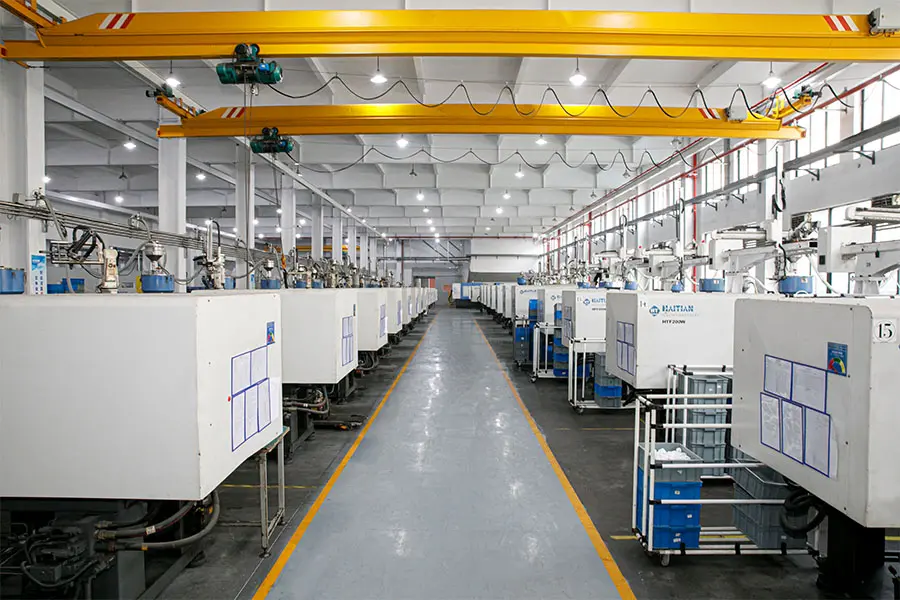
Germany's domestic industrial base remains heavily focused on high-margin mechanical assemblies, leading distributors to search for global manufacturing partners to optimize cost-efficiency for high-volume baseline plastic components. This dynamic has integrated Chinese manufacturing centers of excellence, such as Ningbo Minde Building Materials Co., LTD., directly into the European logistics chain. Located in Zhejiang Province, China, our company represents a world-class manufacturing asset operating over 90,000 square meters of production space, powered by 85 advanced injection molding systems and 45 automated extrusion lines.
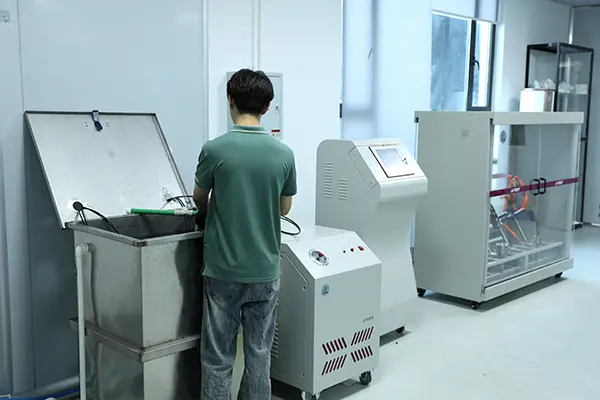
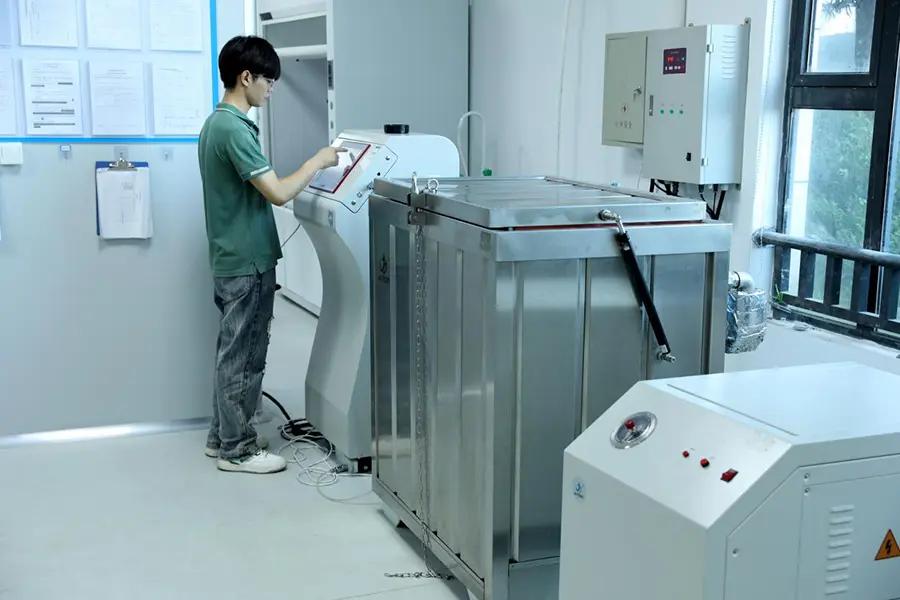
German procurement managers evaluating potential partners assess more than just unit cost. They analyze the factory’s raw material trace documentation, quality management certifications (such as ISO 9001:2022 and ISO 14001), and independent component approvals like the British WRAS (Water Regulations Advisory Scheme) and European CE certifications. Minde’s multi-phase inspection protocol ensures that raw incoming materials, online extrusion stages, and final mechanical tests are all rigorously verified on precision apparatus, preventing defect escapes before shipping.
How PP Clamp Saddles address specific regional water, industrial, and agricultural needs.
The versatility of polypropylene mechanical solutions makes them highly applicable across key German economic sectors, including high-tech agriculture and heavy chemical processing:
In Germany’s agricultural zones, such as Lower Saxony and the wine-growing regions of Rhineland-Palatinate, smart drip irrigation networks are critical for managing soil moisture. Farms use UV-stabilized PP clamp saddles on lateral HDPE sub-mains to feed drip lines. These systems are designed to withstand high solar exposure, chemical fertilizers, and fluctuating water supplies without cracking or degrading over years of seasonal service.
Municipalities are modernizing their distribution networks to cut down on water loss. When installing service connections (Hausanschlüsse) to homes, crews use tapping saddles to drill directly into pressurized HDPE pipelines. This method avoids the need for full system shut-offs, helping utilities maintain service continuity for residential customers.
As Germany works toward climate neutrality by 2045, modern building plans call for highly efficient underfloor heating and cooling loops. High-performance polymer fittings, like PPSU couplings and PPR components, are used in these closed-loop hydronic networks to manage thermal cycles from heat pumps while ensuring leak-free performance for decades.
German manufacturing facilities handle corrosive chemicals and high-purity process water. Standard metal pipe joints are vulnerable to acidic corrosion. PP clamp saddles provide a reliable alternative, offering excellent chemical resistance to most acids, alkalis, and organic solvents. This makes them well-suited for industrial wastewater and process lines.
A deep breakdown of mechanical, chemical, and pressure ratings required for European markets.
A reliable PP clamp saddle relies on the precise interaction of its components: the main body halves, the sealing elastomer gasket, the fastening bolts, and the reinforcing metal ring. In Germany, safety factors are typically higher than in other regions, meaning products must withstand pressure spikes well beyond their nominal ratings.
| Performance Parameter | Specification Detail | DIN / ISO Standard Reference |
|---|---|---|
| Body Material | Polypropylene Block Copolymer (PP-B) high UV resistance | DIN 8077 / DIN 8078 / ISO 15874 |
| Nominal Pressure (PN) | PN10 (10 Bar) and PN16 (16 Bar) at 20°C ambient | ISO 14236 / EN 12201-3 |
| Elastomeric Gasket | EPDM flat ring gasket, drinking water approved | KTW-BWGL / DVGW W270 / EN 681-1 |
| Reinforcement Ring | Stainless Steel AISI 304 / 316 for female thread branches | DIN EN 10088 |
| Fastening Hardware | Galvanized Steel Bolts/Nuts, Grade 8.8 (Option: A2/A4 SS) | DIN 931 / DIN 933 |
| Operating Temperature | Safe operations from -10°C to +45°C (with pressure derating) | DIN 8076 |
The reinforcing metal ring on the branch outlet is critical when linking plastic components with steel or brass pipe connections. The ring helps distribute radial stresses evenly, preventing the plastic threads from shearing or cracking when under pressure spikes or high installation torque.
Decarbonization, digitization, and Circular Economy imperatives in European plumbing piping.
The European piping industry is rapidly adapting to support the transition to a circular economy. In Germany, the Federal Environment Agency (UBA) and municipal planners are prioritizing products with lower carbon footprints and higher recyclability. Polypropylene (PP) is well-suited to meet these demands because it is fully recyclable and has a lower carbon footprint during production compared to traditional cast-iron and copper fittings.
Looking ahead, the industry is moving toward incorporating smart technology directly into utility connections. Researchers are developing clamp designs that include integrated micro-sensors for real-time monitoring of pressure, water quality, and local flow rates. The target for these systems is the Smart City network, where municipal operators can detect leakages and main breaks using automated, cloud-based data feeds.
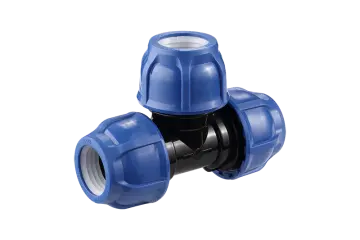
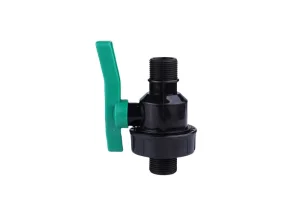
Ancillary plumbing systems and control components optimized for European municipal and residential water standards.
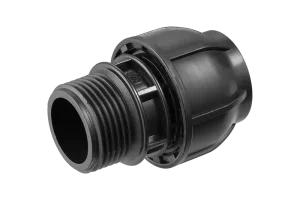
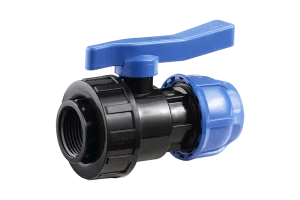
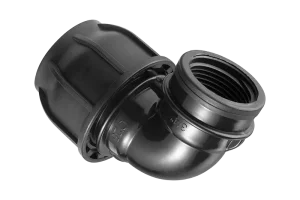
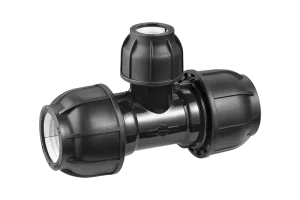
Verification standards and international credentials built to assure reliability.
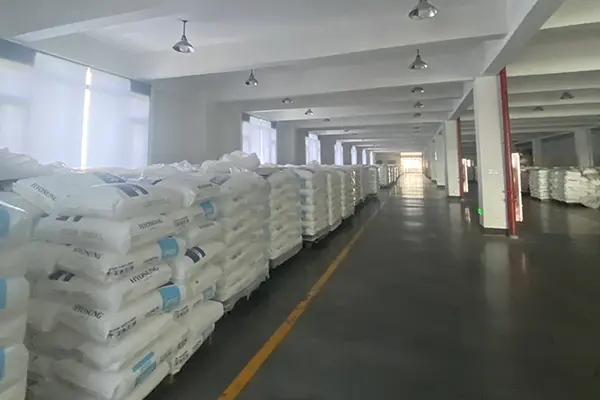
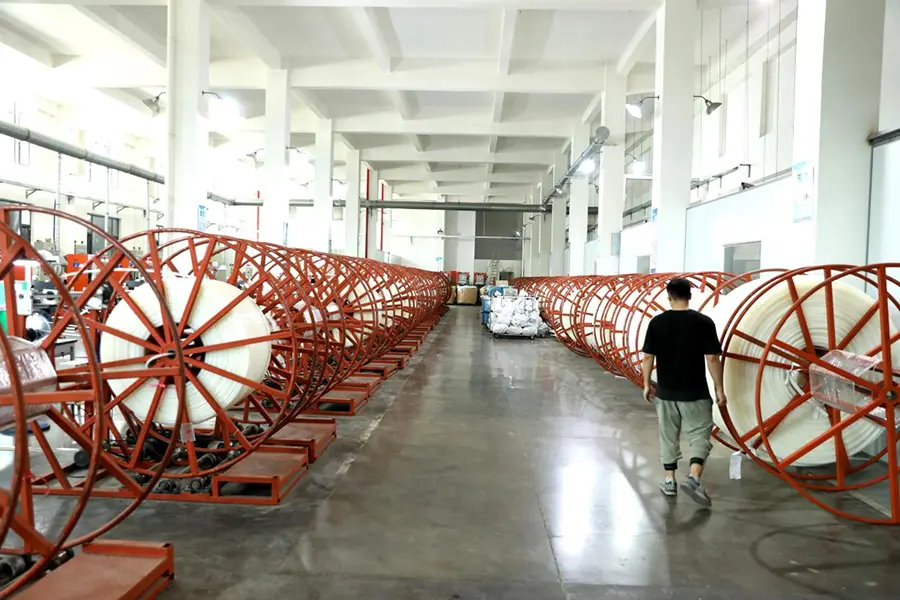
Establishing pipeline assets that perform reliably for 50+ years underground requires rigorous raw material quality control. We utilize premium imported virgin polymer resins to manufacture our PP compression fittings, avoiding recycled materials that can lead to premature stress cracking or mechanical failure under load.
Minde operates three integrated quality control points within our manufacturing workflow. Every batch undergoes raw material incoming tests, online extrusion tracking, and post-production compression tests. Our facilities and products carry certifications from leading bodies, including ISO 9001:2022, ISO 14001, CE, British WRAS, and Russian GOST. These standards allow our products to be exported to over 50 countries, including Russia, Ukraine, Southeast Asia, South America, and the Middle East.
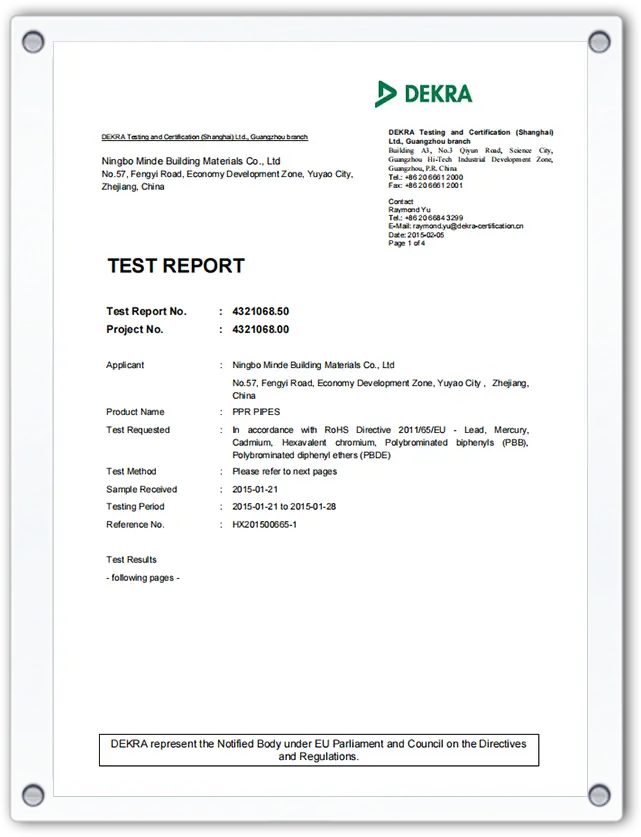
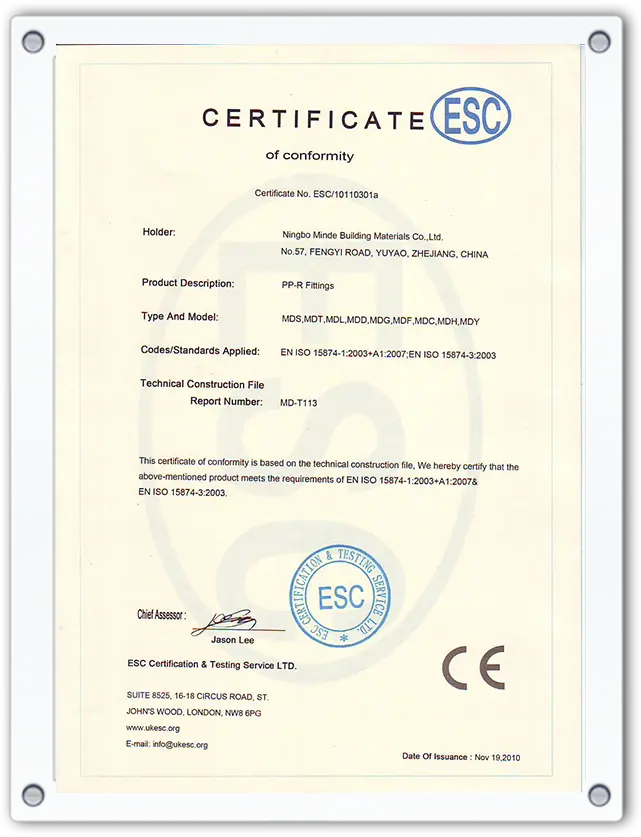
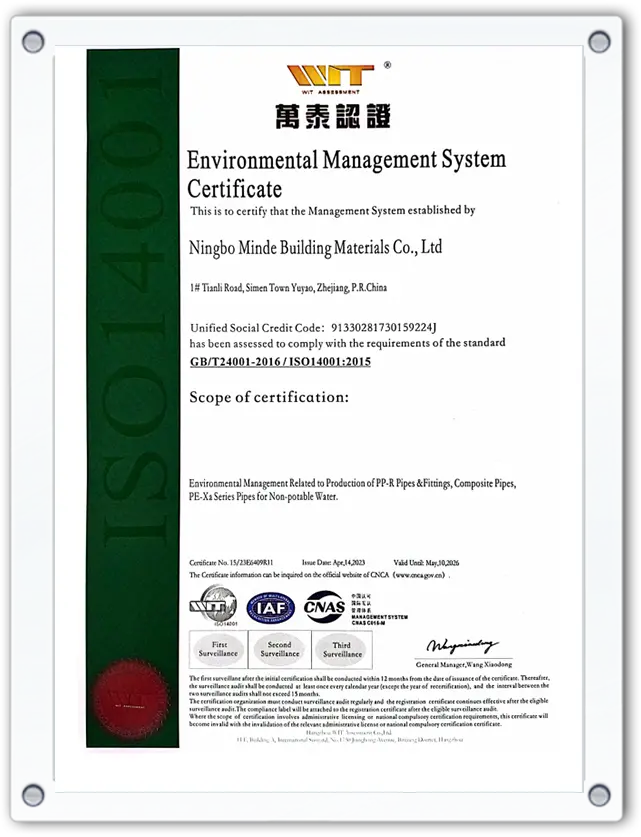

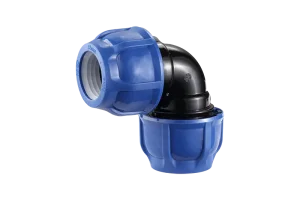
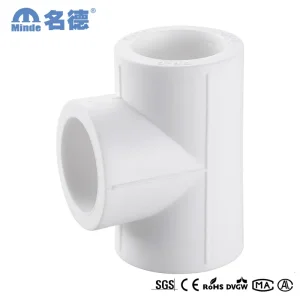
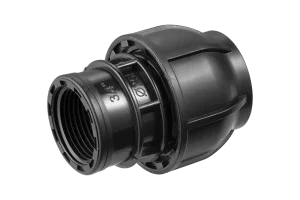
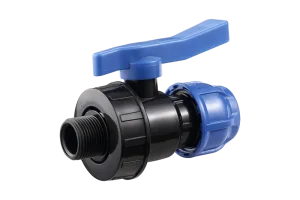
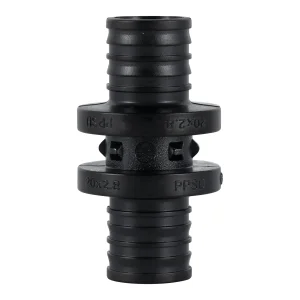
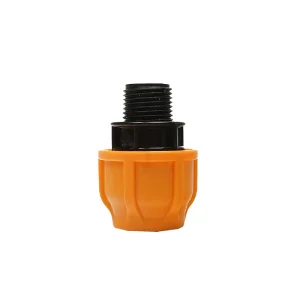
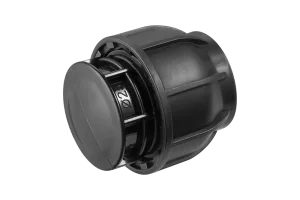
Highly durable mechanical couplings, tees, and fittings engineered to meet strict German standards.
Technical answers to key questions about PP clamp saddles in German industrial and municipal networks.
Yes. When used in municipal drinking water networks, the clamp saddles must meet local standards like Germany’s TrinkwV and obtain KTW/W270 approvals for all plastic and elastomeric (EPDM) parts. Selecting virgin raw materials helps ensure compliance by preventing chemical migration, preserving water quality, and protecting public health.
A stainless steel reinforcing ring is recommended when the female-threaded outlet connects to a metal fitting (such as brass or galvanized steel). Threading metal into plastic can create high radial stress. The steel ring reinforces the outlet, preventing the plastic from splitting during installation or when subjected to thermal expansion and water hammer.
While electrofusion creates a permanent welded joint, it requires clean, dry conditions, specialized welding machines, and longer installation times. PP mechanical clamp saddles offer a faster, more flexible alternative. They can be installed in wet conditions without electricity, significantly lowering overall installation costs—especially in agricultural networks and repair scenarios.
High-quality PP clamp saddles are made from Polypropylene Block Copolymer (PP-B), which maintains excellent impact strength and flexibility even at sub-zero temperatures. Combined with flexible EPDM gaskets, these fittings accommodate minor pipeline expansion and contraction caused by temperature fluctuations without losing their seal.
When manufactured from virgin raw materials and installed within their nominal pressure and temperature specifications, PP clamp saddles are designed to last for over 50 years. This matches the target service life of modern underground municipal infrastructure in Germany.
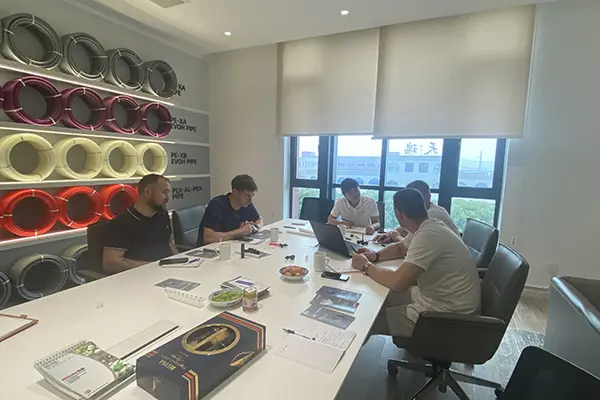
Connect with our sales and engineering teams in Zhejiang, China. We offer direct pricing, custom configurations, and comprehensive technical support for large-scale projects across Germany.
 Minde
Minde