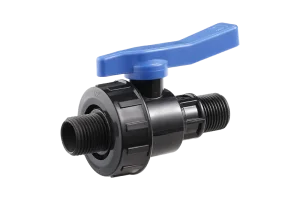
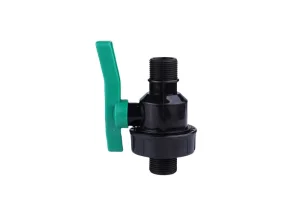
Engineered for high-durability and rapid deployment in pipeline networks across Addis Ababa, Adama, Hawassa, and Dire Dawa.
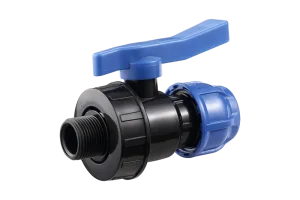
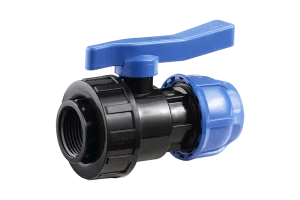
Ethiopia is undergoing a rapid economic transition, guided by structural frameworks aimed at turning the country into an East African industrial powerhouse. Key components of this growth are the high-profile industrial parks, such as the Hawassa, Bole Lemi, Kilinto, and Adama industrial parks. These hubs demand specialized piping infrastructure to handle process water supply, chemical-rich manufacturing fluids, and advanced wastewater treatment systems.
Simultaneously, the agricultural sector, which employs a significant portion of the population, is moving from rain-fed farming to sustainable irrigation schemes. Irrigation projects in the Awash River Basin, the Rift Valley, and the lowlands of the Somali and Afar regions require piping components that can withstand demanding soil and weather conditions. PP (Polypropylene) union ball valves have emerged as a critical element in these piping systems, bridging the gap between mechanical durability and cost-effectiveness.
Unlike metal or PVC alternatives, PP-based systems do not suffer from galvanic corrosion, which is a major issue in the mineral-rich soils of the Great Rift Valley. Furthermore, their light weight and simple compression mechanism eliminate the need for heavy welding machinery in remote project sites.
Agricultural Drip Irrigation & Sprinkler Networks: In regions like Oromia and SNNPR (Southern Nations, Nationalities, and People's Region), where horticultural exports (especially flowers and premium coffee) drive foreign exchange, drip and sprinkler networks must run continuously. PP union ball valves enable precise zone-by-zone flow control, standing up to agricultural chemicals and fertilizers without degradations.
Municipal Water Supply & Rural Sanitation: Municipal water providers in major cities face challenges with water loss and pressure fluctuations. Using PN10 and PN16 compression fittings ensures leak-proof connections in HDPE pipe systems, keeping drinking water clean and secure.
Industrial Processes & Effluent Management: Within manufacturing parks, chemical and water treatment pipelines require non-reactive valves. Minde's high-grade virgin PP-H structures handle acids, bases, and salts effectively, avoiding the premature failures common in metallic piping.
Specifically engineered with stabilizers to withstand intense tropical solar radiation and elevated ambient temperatures in Ethiopian lowlands.
Excellent resistance to fertilizers, soil salinity, and aggressive chemicals utilized in modern industrial clean-in-place (CIP) processes.
Features premium food-grade EPDM O-rings and PTFE ball seats to ensure bubble-tight shutoff even under pressure fluctuations up to 16 Bar.
For Ethiopian contractors and distributors, shipping times and reliability are crucial factors. Located in Ningbo, Zhejiang Province, our manufacturing facilities sit adjacent to Ningbo Port—one of the world's most efficient shipping hubs.
We manage the logistics from Ningbo to the Port of Djibouti, followed by land transport along the Ethio-Djibouti Railway to inland dry ports such as Modjo, Gelan, and Semera. This established shipping corridor helps minimize shipping delays, protect cargo, and control freight costs.
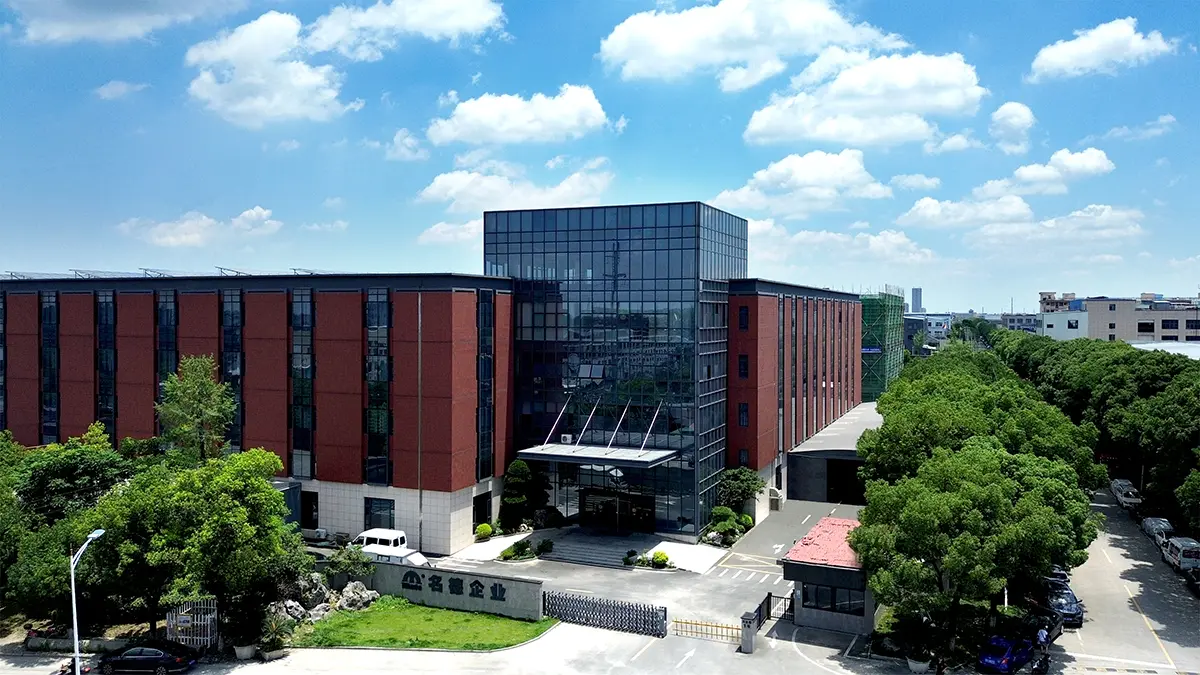
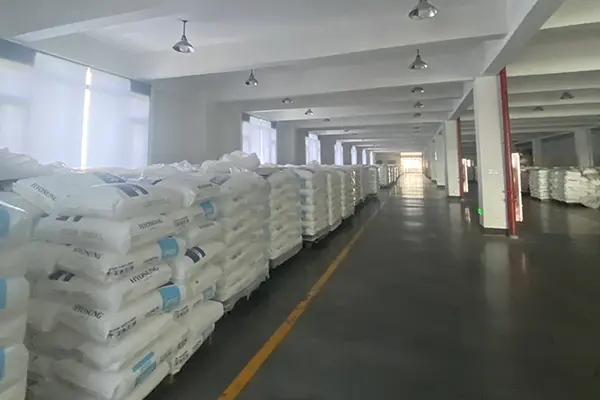
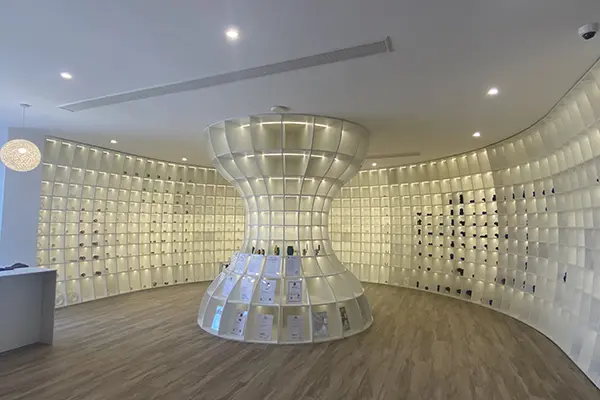
A look at our primary facilities in Zhejiang, China, designed for global demand.
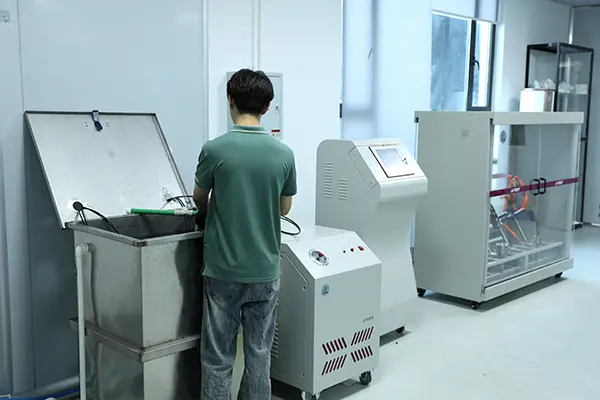
Inside the Minde manufacturing facilities: where strict quality control meets high-capacity output.
Adapting our core engineering platforms to match unique infrastructure requirements across East Africa.
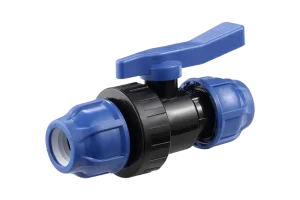
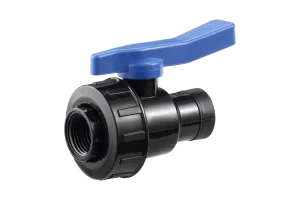
Minde's engineering team focuses on structural durability. Our PP union ball valves feature thick-walled bodies built to absorb pipeline movement and water hammer stresses. The union mechanism allows for straightforward installation and maintenance without cutting the pipeline, reducing system downtime.
Additionally, we supply custom configurations to suit specific system needs, offering male-threaded, female-threaded, and compression ends. This allows engineers to combine our fittings directly with iron valves, flow meters, or existing PVC networks without needing extra transition adaptors.
Our quality control protocols are divided into three distinct operational checkpoints to maintain product consistency:
Addressing the technical, logistics, and quality questions that matter to procurement officers and pipeline designers in Ethiopia.
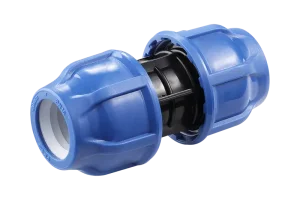
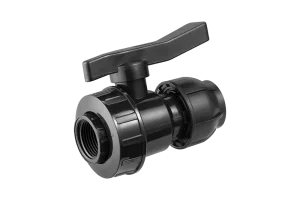
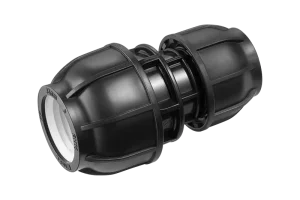
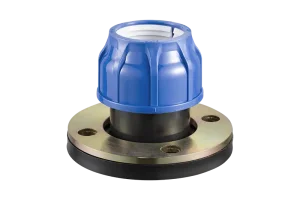
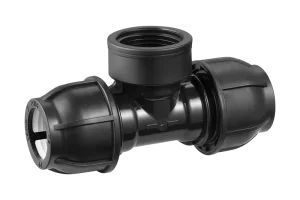
From compression tees and couplings to heavy-duty ball valves, Minde offers a complete range of pipeline components designed for compatibility.
 Minde
Minde