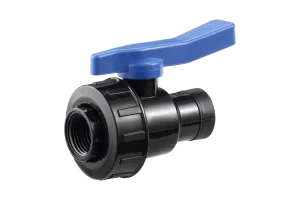
Heavy-duty thermoplastic union valves manufactured to strict ISO/CE standards, perfect for municipal upgrades and marine environments.
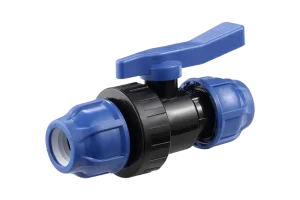
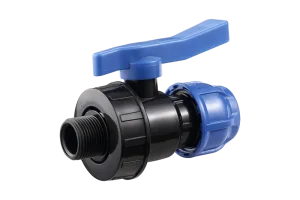
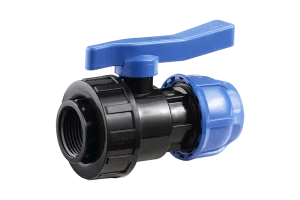
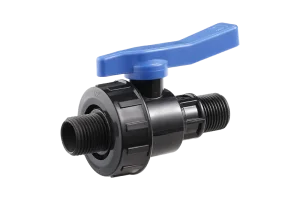
An In-Depth Whitepaper on Fluid Control Systems, Polymer Quality Standards, and Market Adaptation.
Portugal is undergoing a significant transition in its public and private water infrastructure. With the intensification of climate change impacts in Southern Europe, specifically the prolonged dry spells across the Alentejo and Algarve regions, efficient water preservation and distribution have transitioned from standard administrative tasks to high-priority national imperatives. High-density polyethylene (HDPE) pipelines configured with premium Polypropylene (PP) union ball valves have emerged as the primary standard for modern municipal water networks, smart agricultural drip irrigation grids, and industrial chemical processing plants.
In municipal applications, municipal authorities in Lisbon, Porto, and Braga are actively phasing out traditional metallic and galvanized iron pipeline components. The presence of hard minerals in regional groundwaters leads to rapid calcification, scale build-up, and localized galvanic corrosion in metal systems. Transitioning to advanced PP (Polypropylene) compression fittings and union ball valves ensures a completely corrosion-resistant flow channel. Furthermore, Portugal’s extensive Atlantic coastline and coastal maritime industries demand pipeline systems that can withstand high salinity, air-borne salts, and corrosive marine spray. Thermoplastic materials offer absolute immunity to these factors, drastically reducing lifecycle maintenance costs.
Strategic Market Insight: The modern Portuguese agricultural sector, driven by intensive wine estates (wineries) in the Douro Valley and greenhouse farming in Western Portugal, relies heavily on high-precision chemical dosing and micro-irrigation. Flow control devices must withstand variable pressure loads up to PN16 and maintain structural integrity under continuous solar radiation (UV exposure).
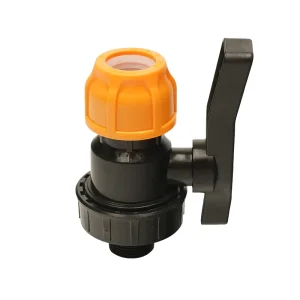
Global procurement offices and engineering consultants specializing in water utility projects are no longer selecting valves based on initial purchase cost alone. Total Cost of Ownership (TCO) calculation models show that early valve failure—whether due to seal degradation, thread deformation under thermal expansion, or seat wear—leads to system shutdown, crop loss in agricultural sectors, and expensive manual repair hours. Therefore, specifications for "Double Union" or "Single Union" PP ball valves have become increasingly demanding. Double union mechanisms allow technicians to quickly isolate and service the internal valve components or clean downstream filters without cutting the main HDPE pipe line, saving dozens of operational hours.
Manufactured from high-molecular-weight Polypropylene, ensuring resistance to aggressive acidic/alkaline media, salt water, and chemical fertilizers.
Certified to sustain continuous operating pressures up to 16 Bar (at 20°C), preventing water hammers and mechanical fracturing under load.
Fortified with specialty carbon black and UV-inhibitor compounds to counter intense Southern European sunlight without polymer brittleness.
How Ningbo Minde Leverages Industrial Automation and Quality Control to Deliver High-Volume Engineering Components to Portugal.
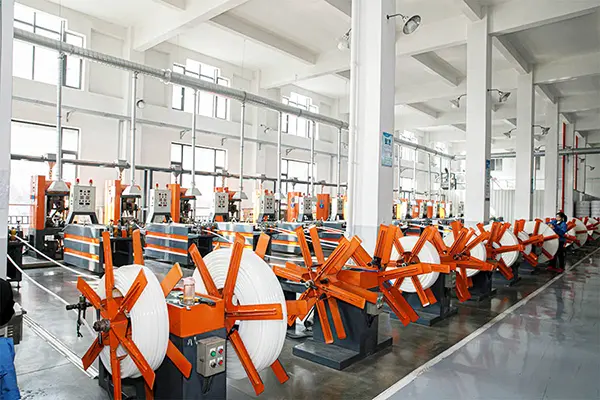
In the competitive landscape of fluid control supplies, manufacturing efficiency is directly linked to raw material control and production automation. At Ningbo Minde Building Materials Co., LTD., located in Zhejiang, China, we operate on a Factory 4.0 framework. Over a span of 90,000 square meters of production space, our facility integrates 45 automated pipe extrusion lines and 85 high-capacity precision injection molding machines. By automating our raw material feeding systems, we eliminate human error during the mixing phase, ensuring consistent polymer density and mechanical properties across every batch of PP union ball valves and compression fittings.
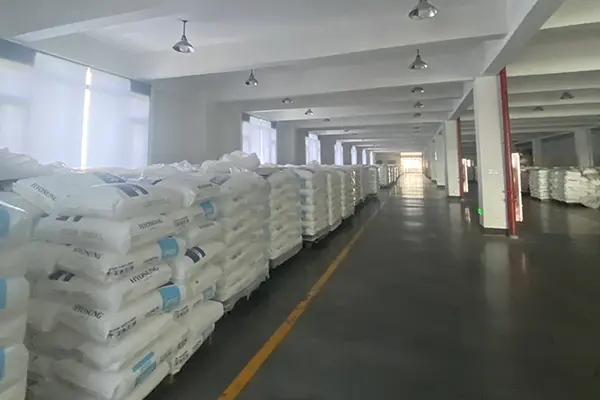
For Portuguese importers, distributors, and large-scale agricultural contractors, supply chain stability is a critical factor. Disruptions in ocean freight or regional warehousing can delay major infrastructure projects. Minde responds to this with structural supply chain resilience. We maintain substantial buffer stocks of high-grade virgin polymer resins, allowing us to absorb raw material price volatility and stabilize our quotes. Additionally, our extensive production capacity allows us to complete high-volume custom orders within short cycles, minimizing waiting times at ports like Lisbon or Leixões.
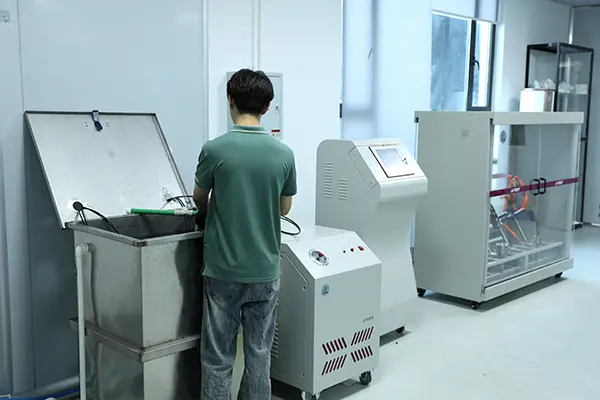
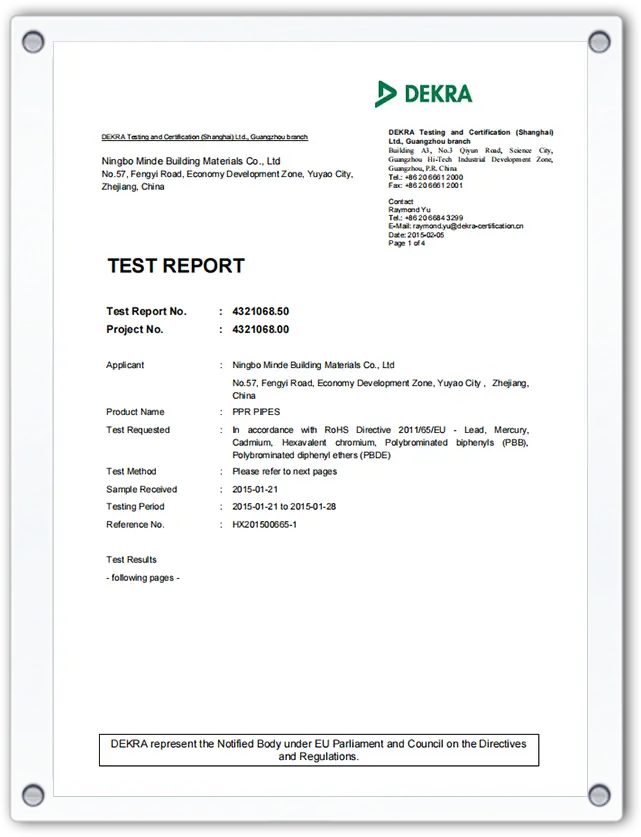
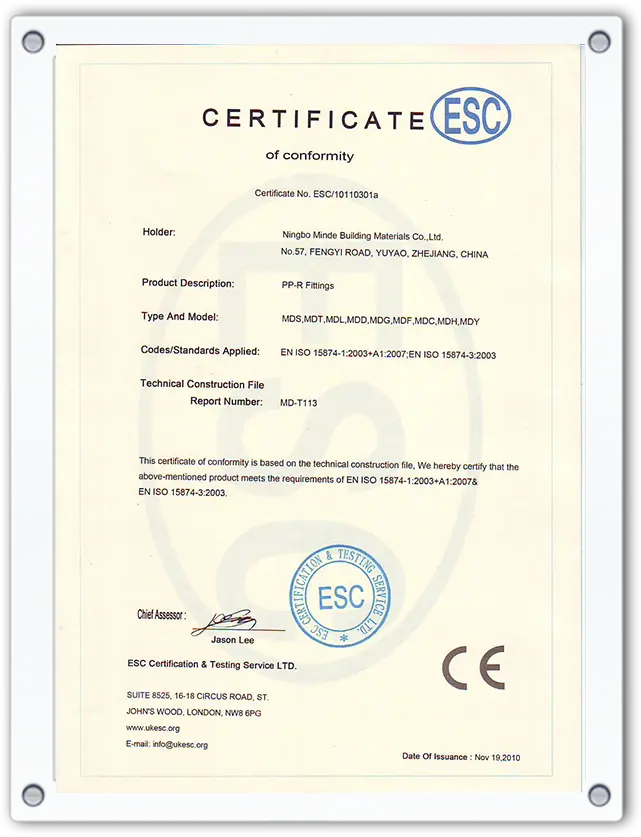
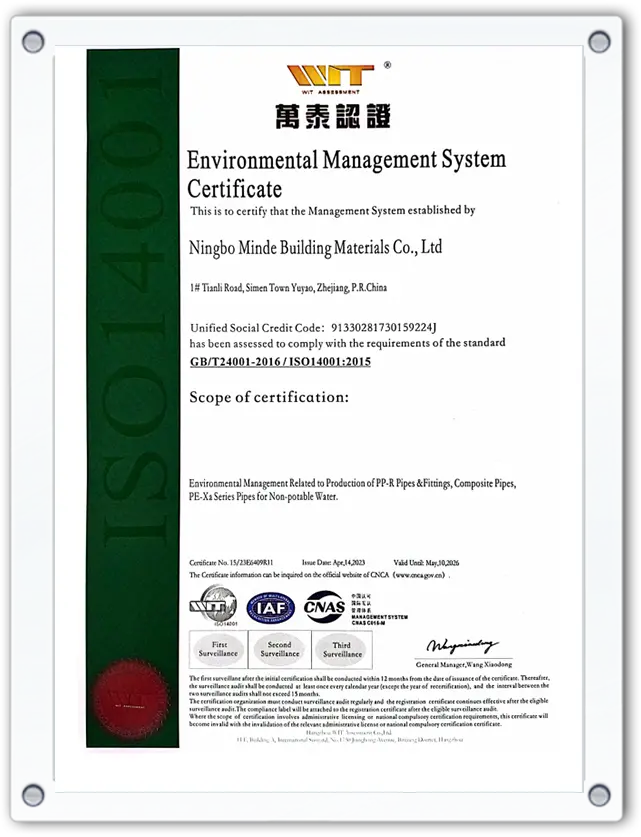
To ensure 100% compliance with strict EU construction standards, Minde utilizes a Tri-Point QC system. The first point evaluates incoming raw materials for melt flow rate (MFR) and moisture content. The second point monitors real-time parameters during injection molding and extrusion, checking wall thickness and thread tolerance. The third point subjects finished products to pressure tests, thermal cycle evaluations, and mechanical shear testing. This process allows our products to secure certifications like CE, WRAS, ISO9001:2022, and GOST, giving engineering firms in Portugal full confidence in our piping solutions.
| Material Metric | Ningbo Minde Standards | European Standard Requirements | Project Application Benefit |
|---|---|---|---|
| Operating Pressure | PN16 (1.6 MPa / 232 PSI) | EN 12201 / ISO 17885 (PN10-PN16) | Prevents rupture during pump startups & surge waves |
| Polymer Quality | 100% Virgin Polypropylene (PP-H/PP-R) | EN ISO 15874 compliant | No cracking, no toxic leaching in drinking water lines |
| Temperature Tolerance | -10°C to +50°C (operational range) | Standard domestic cold water network requirements | Perfect for outdoor solar exposure and winter freezes |
| O-Ring Elastomer | Premium EPDM / Viton seals | WRAS approved material selection | Long-term tight seal, chemical dosing resistance |
Where Ningbo Minde’s PP Union Ball Valves and Compression Fittings Deliver Optimal Performance.
Modern olive orchards and vineyards in Portugal's dry south require precise fluid networks. Our PP compression fittings easily connect HDPE lateral lines, ensuring leak-free performance and simple end-of-season flushing operations.
Marine aquaculture farms along the Portuguese coast process highly saline water. Standard metal or brass valves suffer from galvanic erosion within months. Our PP valves resist salt spray and marine growth, providing stable flow control.
Chemical storage and processing hubs in Setúbal demand reliable, acid-resistant piping components. Minde's double-union PP ball valves allow technicians to isolate and swap dosing lines safely without dismantling entire setups.
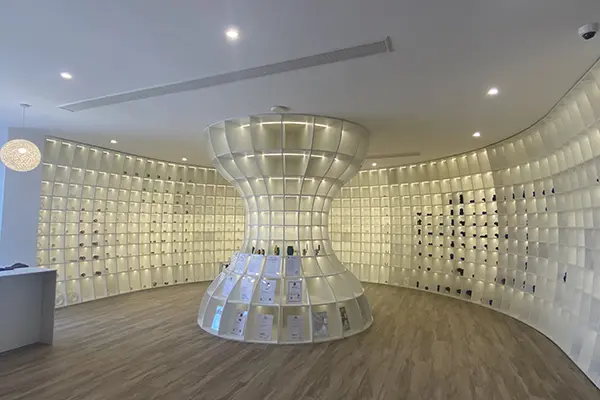
A glimpse into our state-of-the-art facilities, automated production floor, and international quality certificates.
Get authoritative answers on engineering specifications, delivery logistics to Portugal, and customization capabilities.
PP (Polypropylene) offers superior chemical resistance, thermal stability, and stress-crack resistance compared to standard PVC-U, and is immune to the galvanic/electrolytic corrosion that quickly degrades brass in coastal environments. The double-union design allows for easy maintenance without cutting pipes, which is a major time-saver for agricultural and municipal operations across Portugal.
Our core range of PP union ball valves and compression fittings is rated at PN16 (16 Bar at 20°C). This makes them ideal for demanding irrigation mainlines, civil municipal water distribution, and industrial process loops that experience high pressure spikes or flow fluctuations.
Southern Europe, particularly regions like Alentejo and Algarve, experiences intense sunlight. During our compounding stage, we inject specialty UV-stabilizing additives and carbon black directly into the virgin polypropylene matrix. This shields the polymer chains from UV degradation, ensuring the material remains ductile and strong for years under direct exposure.
Yes, we offer full OEM and ODM customization. We can mold specific BSP (British Standard Pipe) threads commonly used across Portugal and other parts of Europe, print your brand name, configure customized seals (like EPDM or Viton/FKM), and bundle them according to your commercial packaging needs.
We typically ship via full-container loads (FCL) or less-than-container loads (LCL) from Ningbo Port (one of the largest ports in the world, located close to our factory). The average ocean transit time to Porto (Leixões Port) or Lisbon (Sines Port) is between 30 and 40 days. We provide comprehensive export documentation to simplify EU customs clearance.
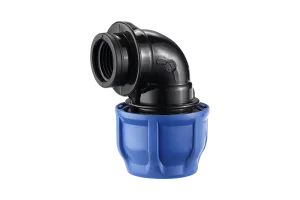
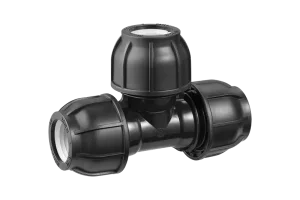
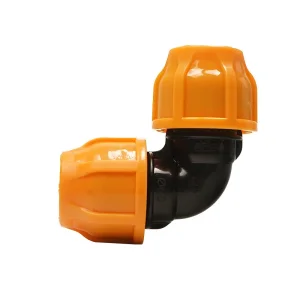
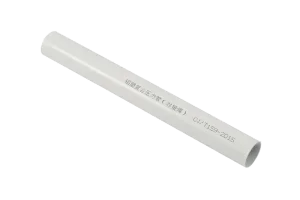
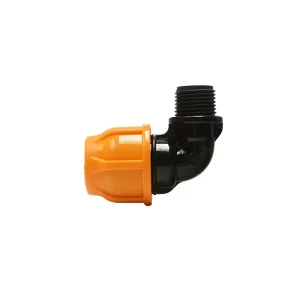
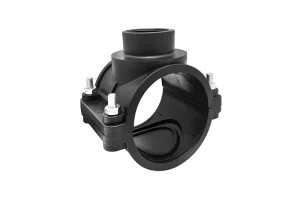
Ensure complete system compatibility with our full line of PN16 elbows, tees, couplings, and clamp saddles.
 Minde
Minde