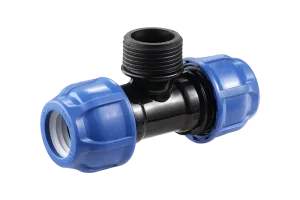
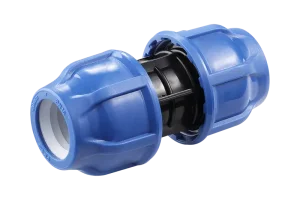
Engineered for high-resistance chemical conveying, industrial agriculture systems, and municipal water treatment plants.
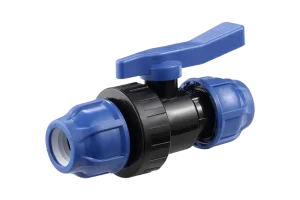
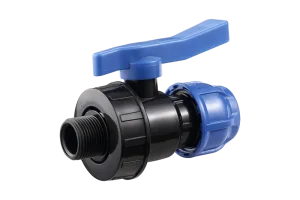
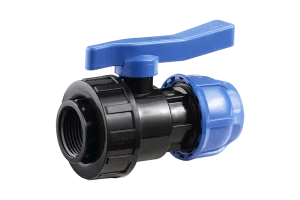
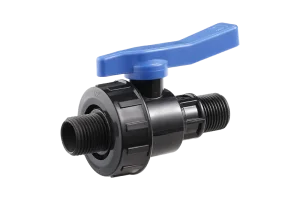
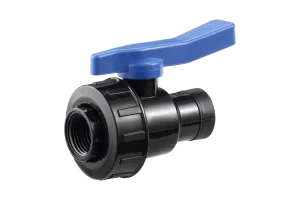
The fluid control industry in Japan is characterized by uncompromising standards of safety, quality, and precision. In areas such as semiconductor manufacturing, electrochemical plating, coastal aquaculture, and automated greenhouse irrigation, polypropylene (PP) union ball valves have become the preferred choice.
Compared to conventional metallic valves (like stainless steel or brass), PP valves offer complete immunity to galvanic corrosion and acidic solutions. The specific geographic layout of Japan—characterized by dense industrial regions situated in coastal areas (e.g., Keihin and Hanshin industrial zones)—means that piping networks are constantly exposed to saline atmospheric conditions. Local engineering procurement firms demand high-grade PP Union Ball Valves capable of withstanding external ambient humidity while maintaining high internal pressure thresholds up to PN16.
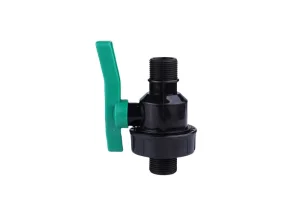
Unlike standard single-union variations, True Union Ball Valves permit the complete removal and replacement of the valve body from the pipeline without disturbing the adjacent structural fittings. This is critical for minimizing downtime in Japan's high-efficiency automated factories.
Combining structural performance with lean-manufacturing cost efficiencies to support the Japanese industrial sectors.
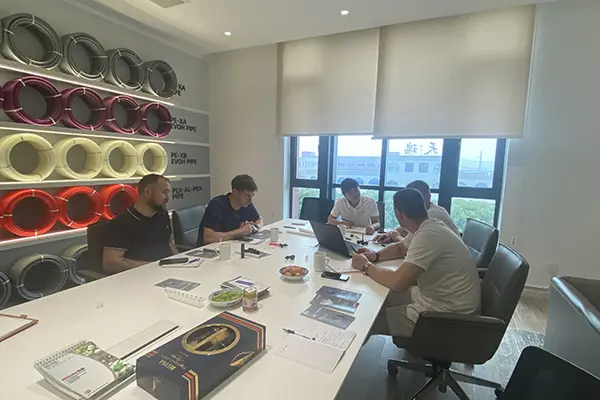
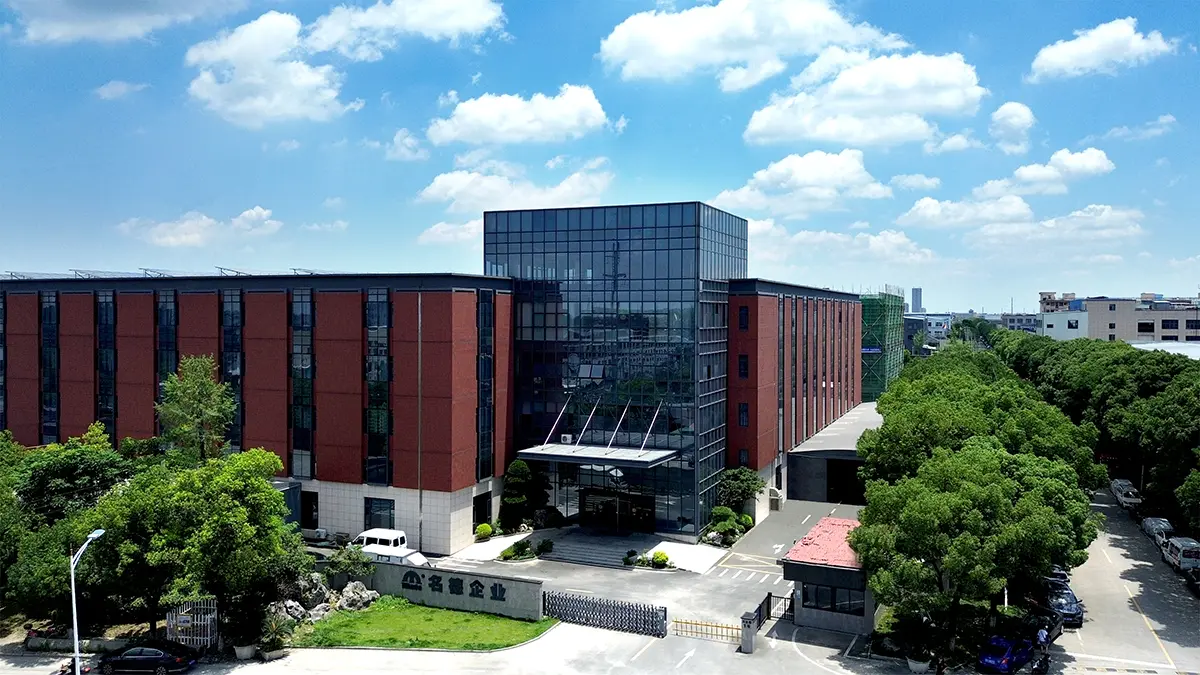
Ningbo Minde Building Materials Co., Ltd., based in Zhejiang Province, China, represents the pinnacle of modern structural plumbing fabrication. With over 20 years of focus, we produce high-performance plastic pipe and connection assemblies that directly bridge the strict demands of Japanese industrial distributors with mass-production cost efficiency.
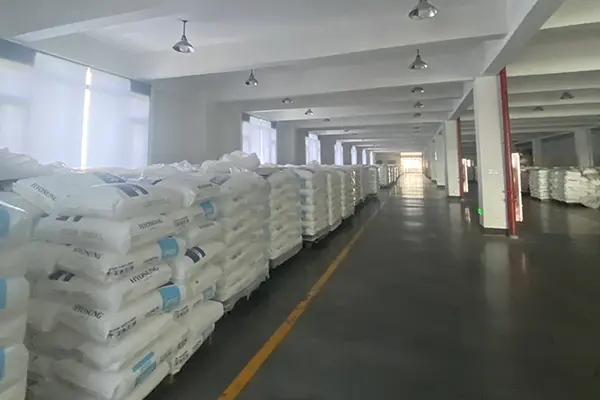
Our factory utilizes strictly imported, virgin, high-density PP block copolymers. This ensures zero risk of material degradation, micro-cracks, or environmental stress cracking (ESCR) under long-term cyclic loading. Our operation is scaled to prevent supply bottlenecks, enabling rapid shipping timelines to major Japanese ports like Tokyo, Yokohama, Kobe, and Osaka.
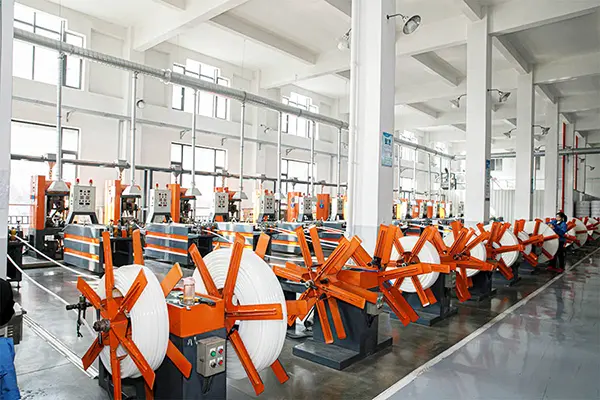
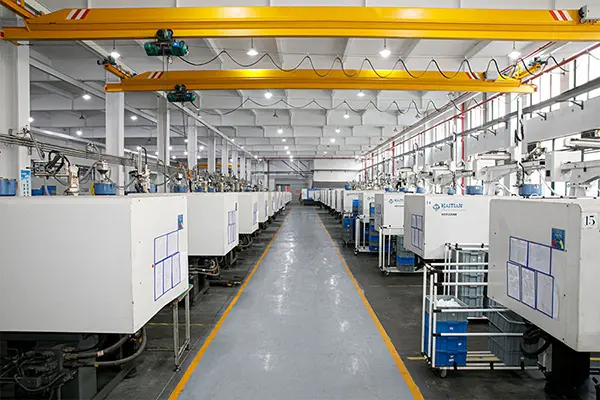
How PP Union Ball Valves solve complex fluid dynamics challenges in modern Japanese industries.
In large-scale smart agricultural grids across Hokkaido and Kyushu, automated irrigation requires valves that resist scaling from fertilizer mixes and variable water temperatures. The ultra-smooth inner wall design of our PP union ball valves reduces friction loss, decreases pump power requirements, and eliminates bio-film accumulation.
The microelectronics sector demands high-purity water loops completely free from metallic ions. Our PP valves do not release trace metals or chemicals into fluid streams, preventing wafer contamination in semiconductor wash basins.
For metal finishing plants located in Kanagawa and Aichi, piping configurations must carry high concentrations of sulfuric, hydrochloric, and nitric acids at elevated process temperatures. The high thermal stability of Minde PP Union Ball Valves guarantees zero leakage over years of operation.
Our products are engineered to conform to both JIS standards for localized pipe replacement and ISO standards for newly built global engineering installations.
| Performance Parameter | Minde PP Union Ball Valves | Standard PVC Ball Valves | Metallic (Brass/Bronze) Valves |
|---|---|---|---|
| Operating Temperature Range | -10°C to 95°C (Ideal for subfloor heating & hot water loops) | 0°C to 60°C (Unsuitable for hot fluid applications) | -20°C to 120°C (High range but suffers from thermal loss) |
| Chemical Resistance | Excellent (Acids, strong alkalis, organic solvents) | Moderate (Deforms when exposed to organic solvents) | Poor (Subject to corrosion, oxidation, and mineral scaling) |
| Pressure Rating (PN) | PN10 & PN16 Certified | PN10 / PN16 (Highly brittle under low temperatures) | PN16 to PN25 (High weight, high energy consumption) |
| Heavy Metal Migration | Zero (Fully compliant with WRAS & NSF guidelines) | Trace stabilizers may leach under high temperature | Risk of Lead/Copper contamination over time |
Minde piping products are tested and certified to meet global and Japanese regulatory frameworks.
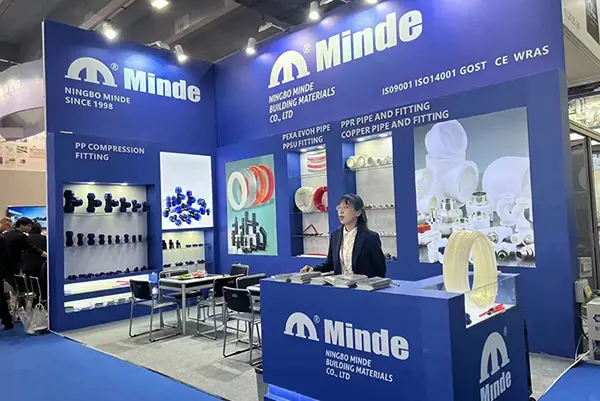
To achieve high levels of trustworthiness, Ningbo Minde adheres to strict international production and management standards. We maintain active compliance documentation across several certification bodies, facilitating importing processes for Japanese trading companies (Sogo Shosha) and engineering firms.
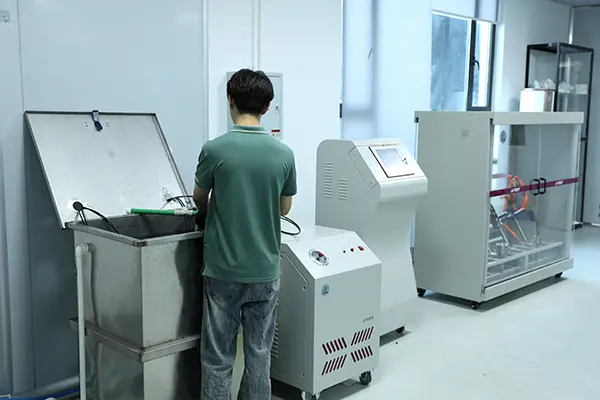
Every batch undergoes a three-stage validation framework: incoming virgin material assessment, inline dimensional inspections, and final high-pressure hydraulic tests to eliminate factory defects before export.
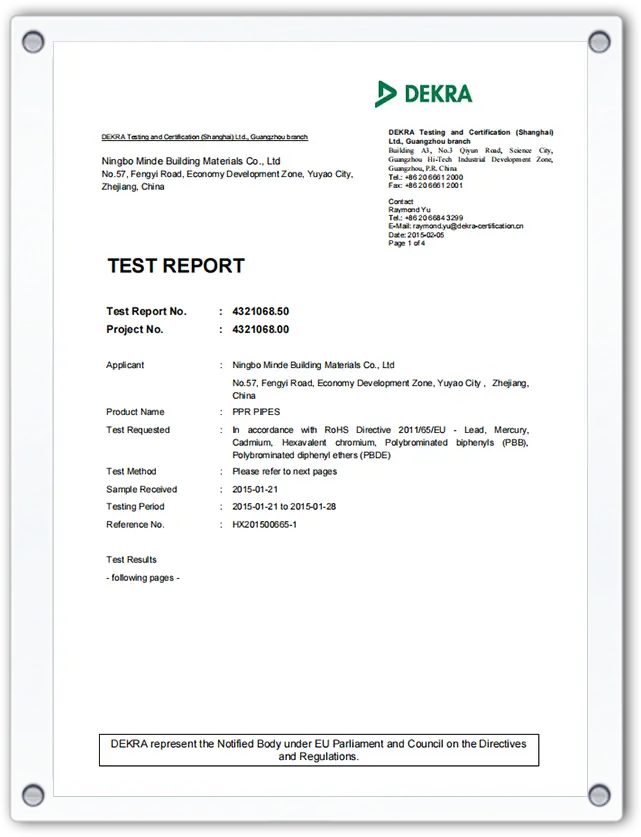
ISO Standard
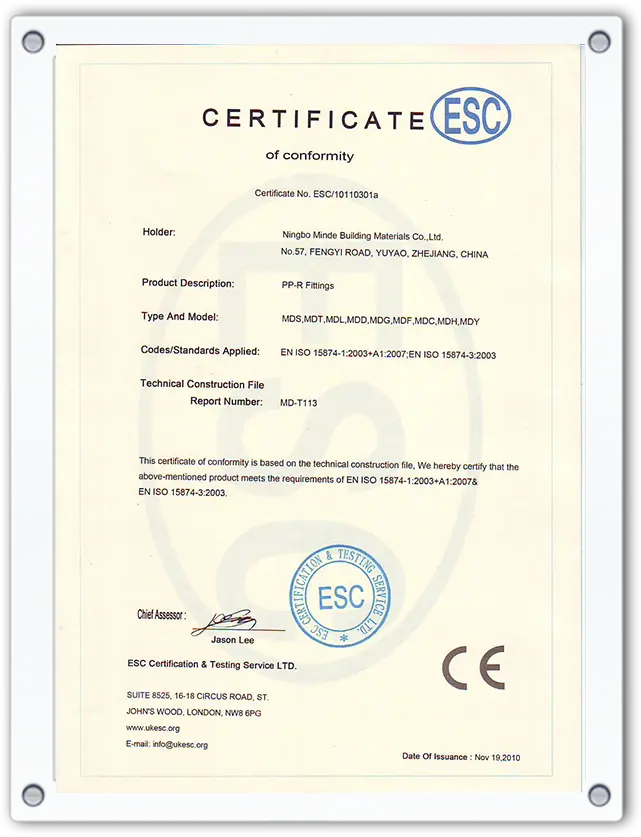
CE Standard
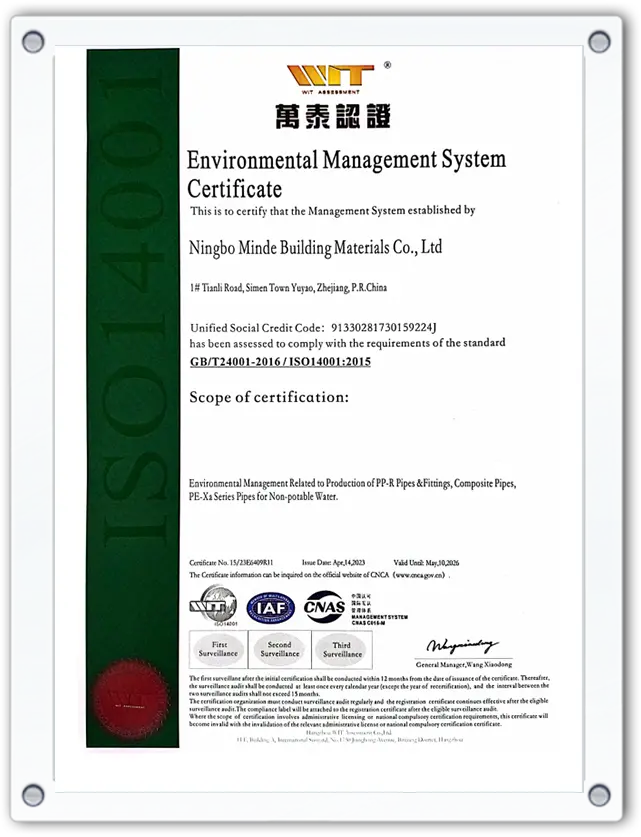
WRAS Standard
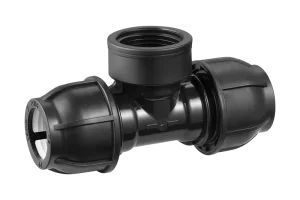
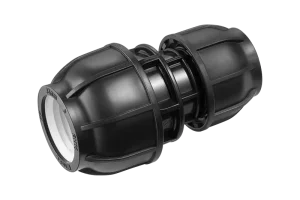
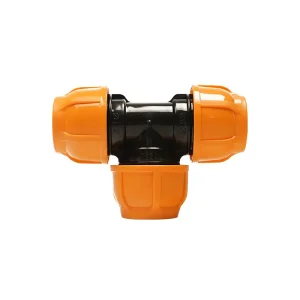
Complete structural and chemical delivery elements supporting Japanese and global pipeline grids.
In-depth technical answers for marine engineers, irrigation designers, and procurement managers in Japan.
Original manufacturing directory supporting industrial water loops, floor heating, and environmental engineering networks.
 Minde
Minde