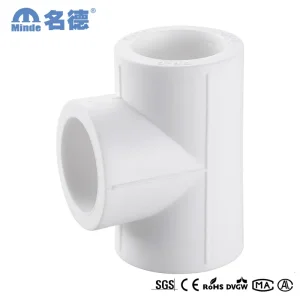
The construction sector in New Zealand is governed by strict structural and public health regulations. For plumbing and fluid transmission systems, the Building Code G12 (Water Supplies) mandates the use of non-toxic, highly reliable piping materials. Water safety is further governed by AS/NZS 4020, which evaluates the structural suitability of any plastic fitting or compound in contact with drinking water, ensuring zero chemical leaching, taste alteration, or microbiological growth.
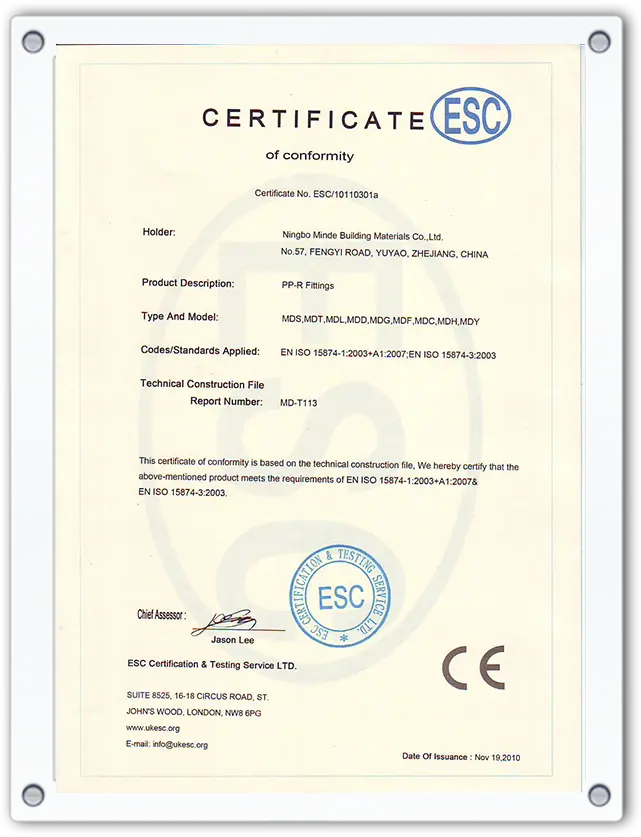
Additionally, due to New Zealand's unique geological active zones, civil design standard NZS 4219 dictates strict seismic performance metrics for engineering systems. Unlike traditional rigid copper or galvanized steel lines, Polypropylene Random Copolymer (PPR) exhibits exceptional ductile characteristics, yielding high shock-absorption capabilities during seismic events. The heat-fusion joints form a molecularly homogenous system, effectively eliminating weak mechanical joints that are prone to fracture under shear strain.
Worldwide, the transition from heavy metals to polymer-based materials in hydraulic networks has accelerated. Standard PP-R (Type 3) has become the gold standard for hot and cold water installations due to its chemical inertness, high temperature threshold, and structural longevity (rated over 50 years). In high-stress commercial loops, the evolution toward PP-RCT (Polypropylene Random Crystallinity Temperature modified) represents the latest technological advancement.
PP-RCT features an altered crystal structure achieved through specialized nucleating agents, allowing the material to withstand elevated internal pressures at temperatures up to 95°C with reduced wall thickness. This technological advance increases the inner bore size, leading to higher hydraulic capacity and optimized pressure drop metrics. Global supply chains, including major distributors in Oceania, prioritize partnerships with manufacturing facilities that maintain strict raw material control to verify these polymer formulations.
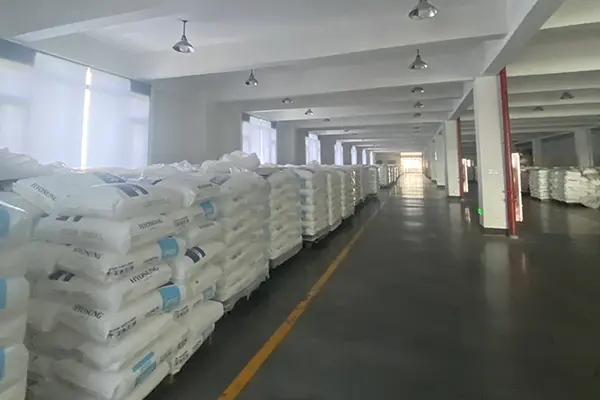
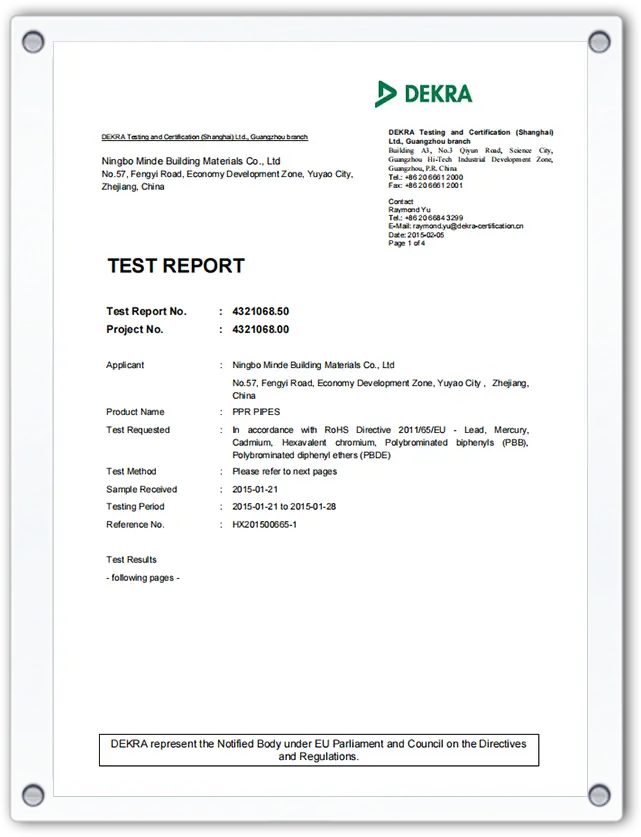
The performance of any PPR system is determined by the quality of its raw materials. Industrial grade PPR fittings must be produced using 100% virgin polymer resin (such as Borealis, Hyosung, or Sabic). The integration of recycled materials introduces microscopic contaminants and irregular polymer structures, which can lead to stress cracking, pinhole leaks, and premature thermal degradation under continuous chlorine exposure.
Furthermore, brass inserts utilized in transition fittings must be manufactured with low-lead compositions and configured with deep-profile anchoring grooves to prevent separation during thermal expansion cycling. By ensuring strict control over material compounding and precision mold geometries, manufacturers can guarantee pressure ratings up to PN25 for mechanical configurations.
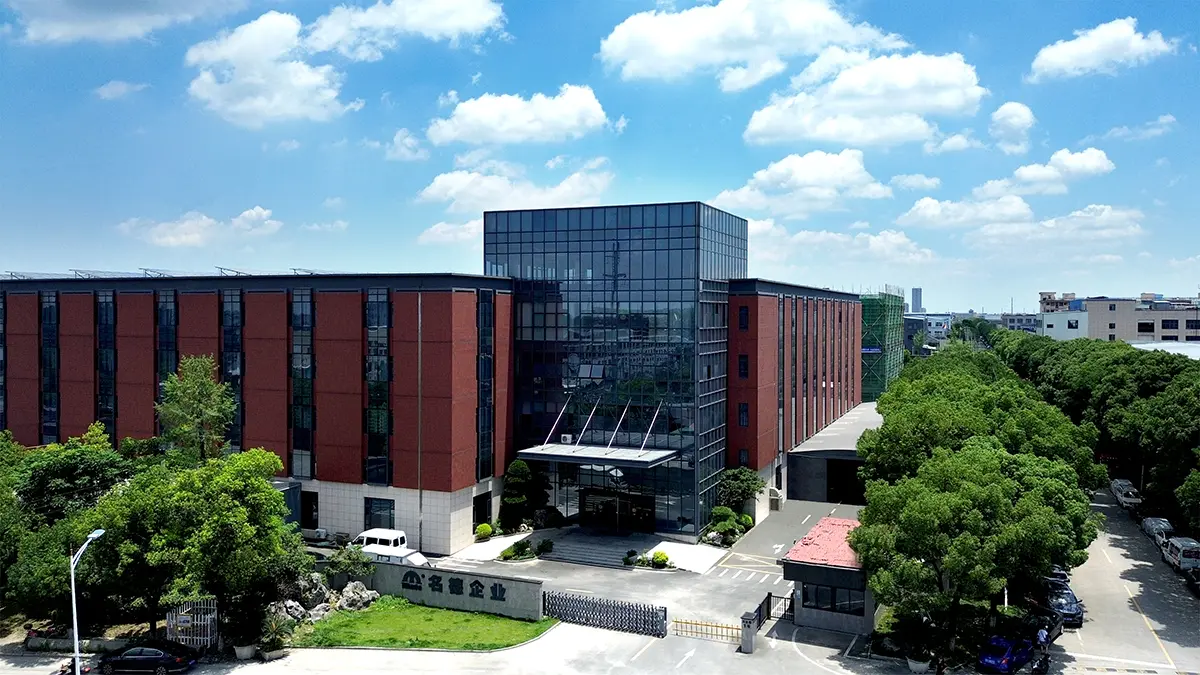
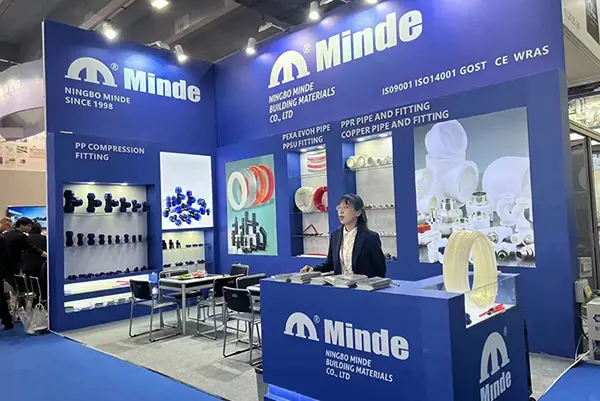
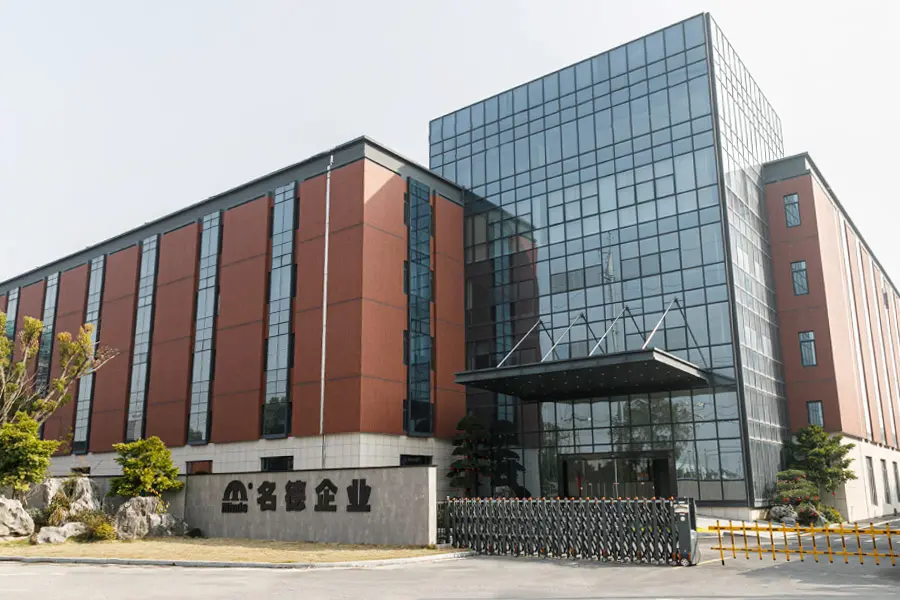
We are Ningbo Minde Building Materials Co., LTD., based in Zhejiang Province, China. We are a factory specializing in the production of plastic pipes and fittings, and our products are widely used in residential water supply, agricultural irrigation, and underfloor heating systems. We have more than 20 years of experience in this field, providing high-quality products and efficient solutions for water supply systems.
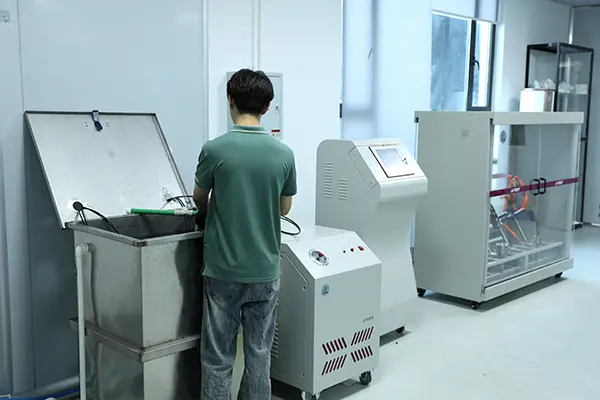
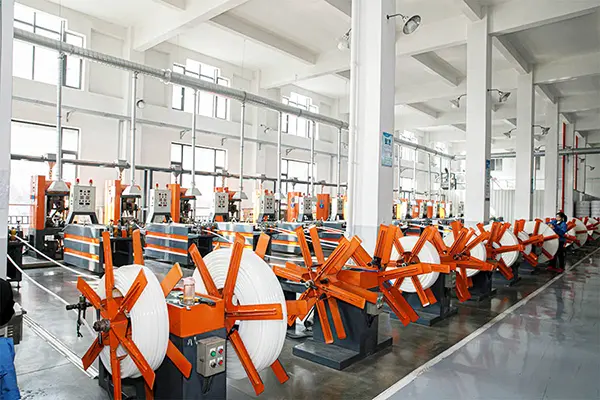
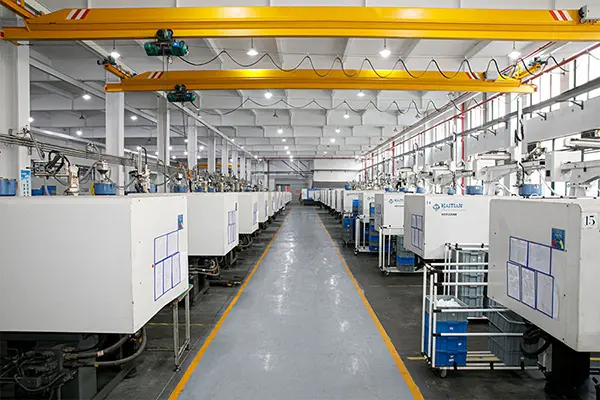
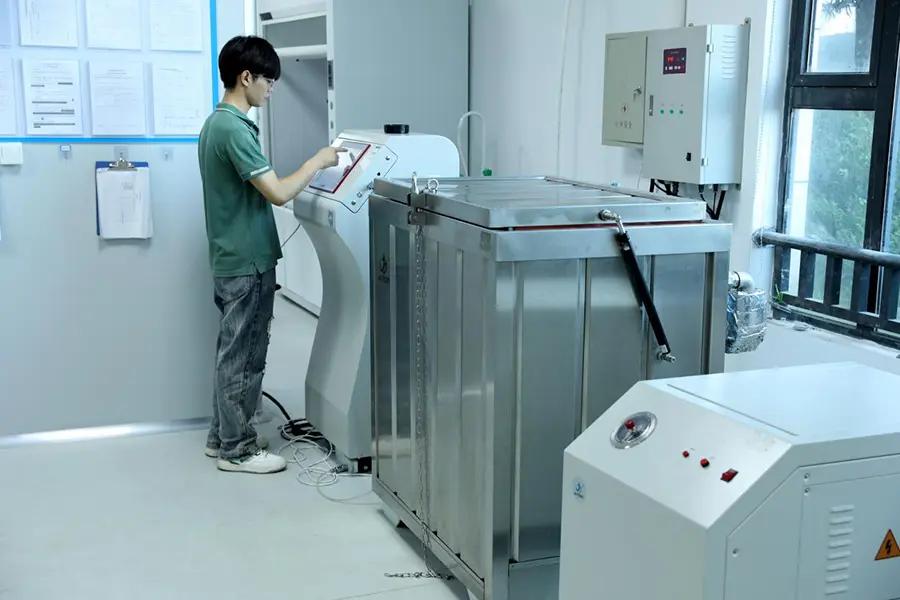
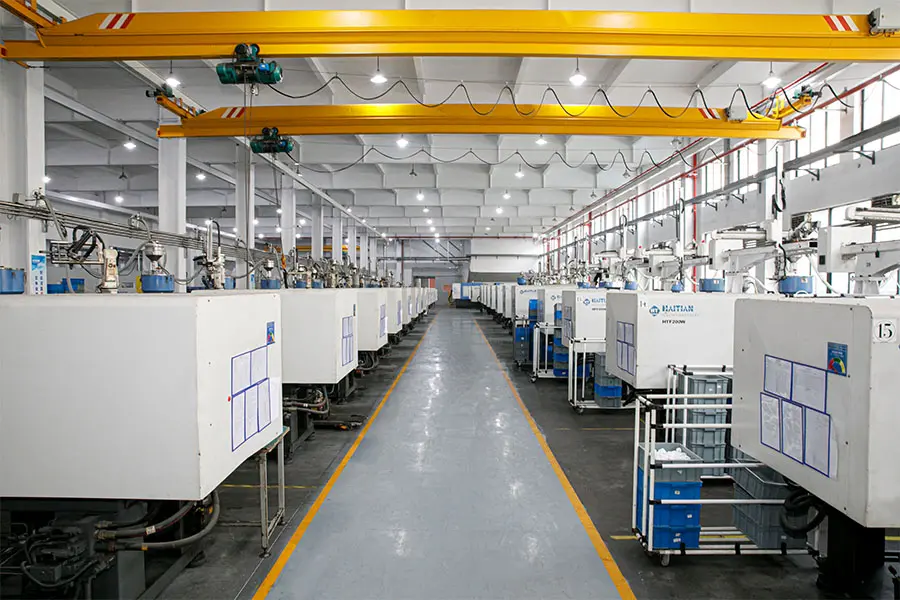
In order to provide households with environmentally friendly and high-quality pipes, MINDE uses premium imported raw materials. The company has 45 pipe production lines, a complete feeding system, 85 injection molding machines, and advanced testing equipment. To ensure 100% excellent quality, MINDE has set up three inspection points for product inspection and quality control: raw material inspection, process inspection, and product inspection. The company covers an area of more than 90,000 square meters, with more than 200 employees and a group of excellent technical backbone management personnel.

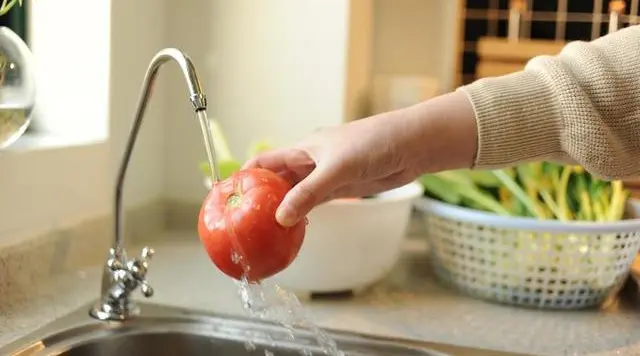
Providing clean, contaminant-free drinking water systems in municipal networks across Auckland and Christchurch, fully meeting AS/NZS 4020 food-grade standards.
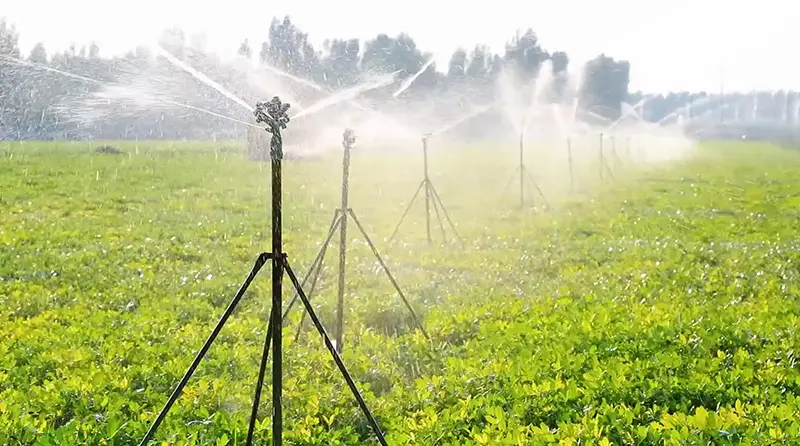
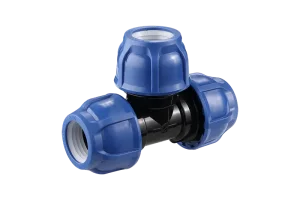
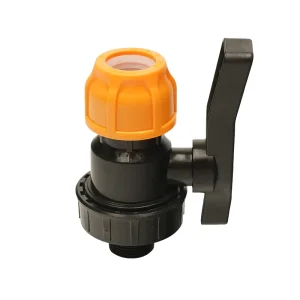
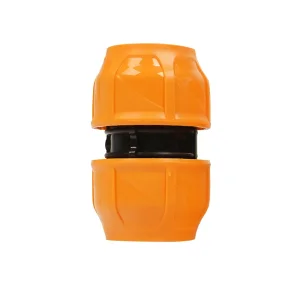
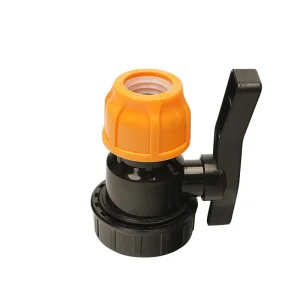
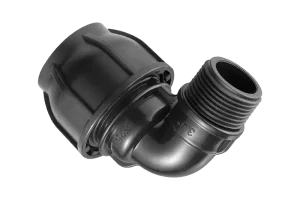
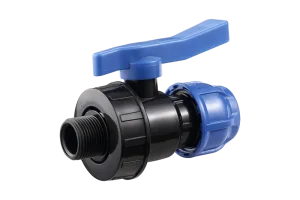
High-integrity PP compression fittings designed for dairy farms and crop fields in Canterbury, ensuring reliable performance under UV exposure and high soil movement.
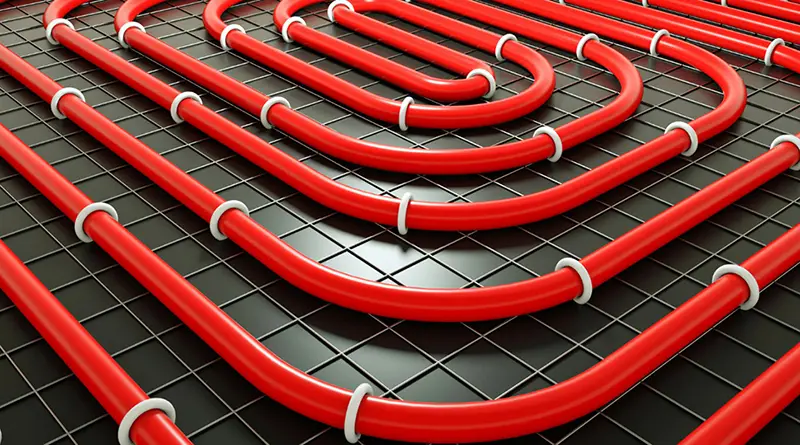
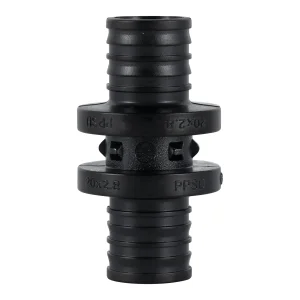
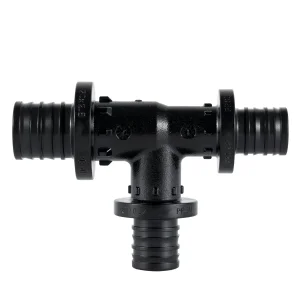
Highly conductive PPSU and PPR fittings deployed in modern homes across the South Island, maintaining structural integrity through hot-water thermal cycles.
Ningbo Minde provides comprehensive piping system solutions for commercial construction, civil works, and horticultural projects. A major issue in municipal installations is standard mechanical joint leakage over time due to pressure fluctuations. Our technical roadmap addresses this failure point by utilizing molecular fusion welding, creating strong joints that match the strength of the pipe body. This results in single, continuous runs of pipe that can be safely embedded in concrete slabs without risk of joint failure.
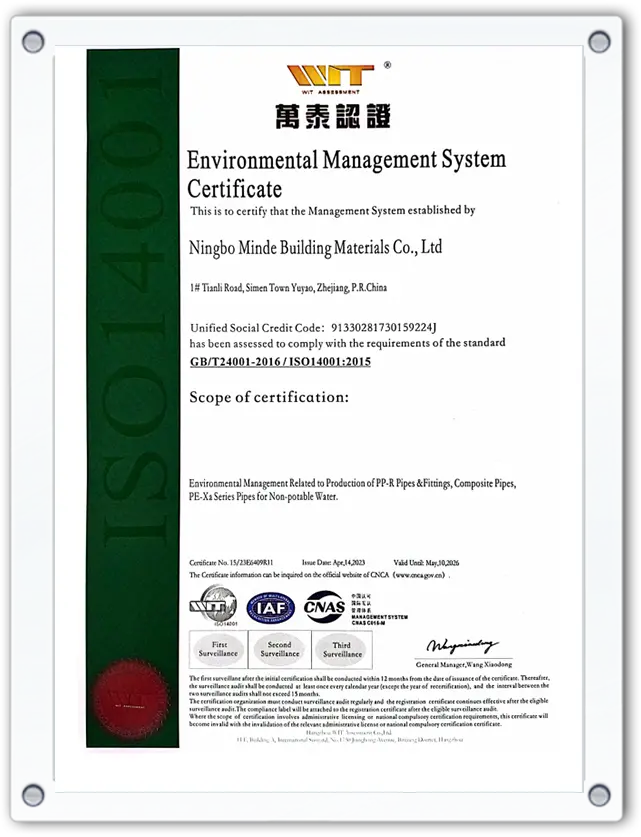
As New Zealand moves toward carbon-neutral construction practices, evaluating the environmental impact of building products is crucial. PPR systems have a lower carbon footprint compared to metal pipes like copper or iron, which require high energy consumption during extraction and refining. Additionally, PP-R is fully recyclable at the end of its service life, allowing it to be repurposed into secondary industrial products rather than sent to landfills.
Smooth interior pipe walls minimize scale buildup and friction losses, which reduces pump power requirements in commercial HVAC loops.
Low thermal conductivity (0.24 W/mK) reduces heat transfer, saving energy in domestic hot water systems and reducing condensation.
Resistant to acidic and alkaline chemical compounds, making it suitable for industrial waste, mining, and food processing lines.
 Minde
Minde