Explore our certified range of professional piping products engineered for maximum structural reliability, durability, and leak-proof jointing.
A Comprehensive Industry Whitepaper on Mechanical Integrity, CE Certification Criteria, and Global Standards
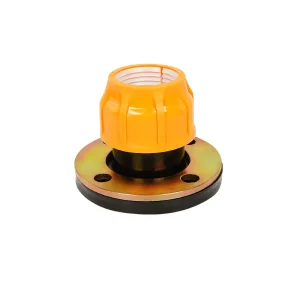
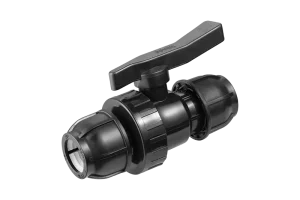
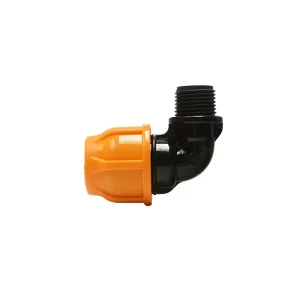
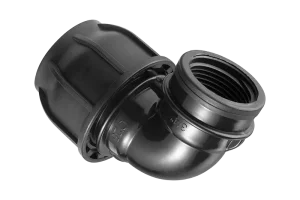
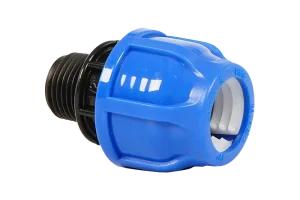
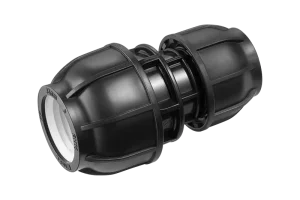
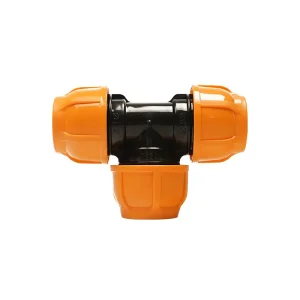
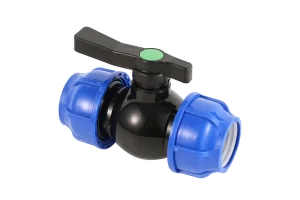
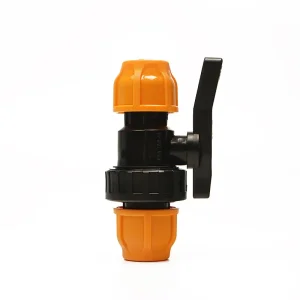
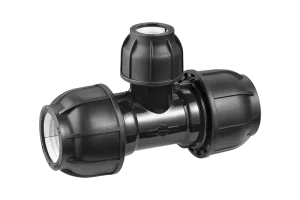
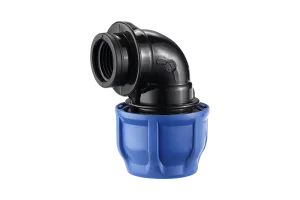
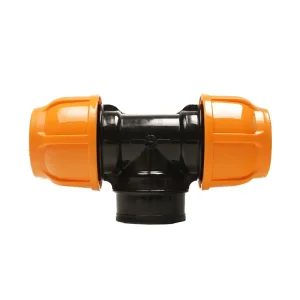
Within pipeline operations, secure couplings are critical. A High-Pressure Clamp or compression-based connector acts as a structural locking joint, maintaining fluid path continuity under dynamic mechanical load. It handles intense hydrostatic pressures by distributing load evenly across the pipe's circumference. The primary sealing is achieved through a multi-stage mechanism: a compression nut exerts axial force on a split-ring (or collet), which bites into the outer layer of the HDPE, PPR, or composite pipe. This prevents pull-out under tension, while a heavy-duty elastomeric O-ring (typically EPDM or NBR) is compressed radially to form a gastight, watertight barrier.
When operating in PN16 environments (up to 16 bars of working pressure), the choice of clamp design directly dictates the mechanical life expectancy of the system. Poorly formulated clamps exhibit plastic deformation (creep), causing loss of joint tightening and subsequent leaks. Minde's high-pressure solutions are engineered using virgin materials with optimal molecular weights, ensuring the clamp's locking teeth retain high mechanical strength across thermal fluctuations.
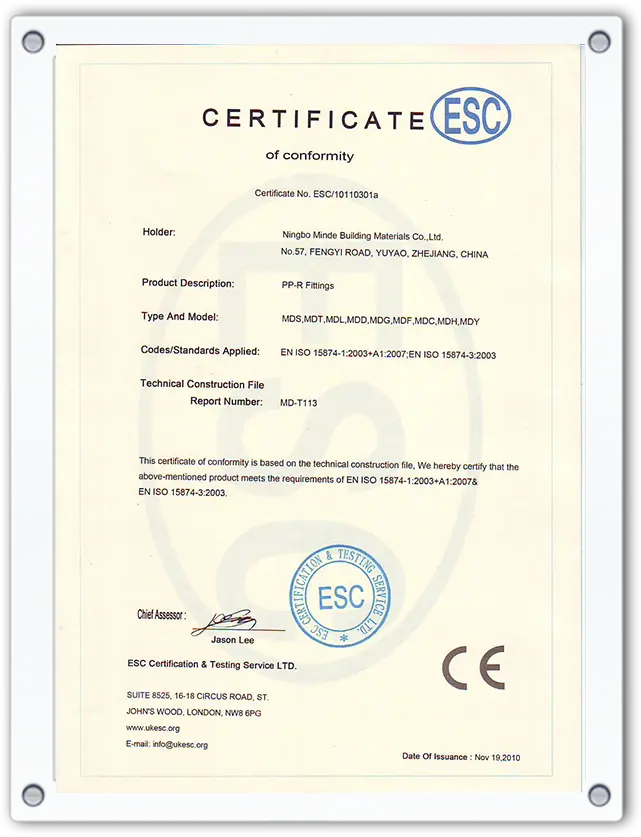
For infrastructure components sold and installed in the European Economic Area (EEA), CE Certification is not merely a label—it is a legal affirmation of conformity to structural safety and environmental standards. The standards for compression fittings and high-pressure clamps (such as EN 12201-3 and ISO 17885) define severe testing routines that products must undergo:
Minde's CE Certification indicates adherence to these performance criteria, providing engineers, public works planners, and procurement directors with the reliability needed for long-term installations.
| Fittings Parameter | Testing Standard | PN10 Rating Specifications | PN16 Rating Specifications | |
|---|---|---|---|---|
| Hydrostatic Pressure (Short-term) | ISO 1167 / EN 12201-3 | 15.0 Bar at 20°C (1 hour) | 24.0 Bar at 20°C (1 hour) | 24.0 Bar at 20°C (1 hour) |
| Long-Term Structural Durability | ISO 17885 | 10.0 Bar at 80°C (1000 hours) | 16.0 Bar at 80°C (1000 hours) | |
| Tensile Resistance (Pull-out force) | EN 712 | Holds to 1.5x pipe tensile limit | Holds to 2.0x pipe tensile limit | |
| Operating Temperature Range | DIN 8076 | -10°C to +45°C (Fluid transport) | -10°C to +50°C (Fluid transport) |
Ningbo Minde Building Materials Co., LTD: Delivering Engineering Excellence and Scalability from Zhejiang Province
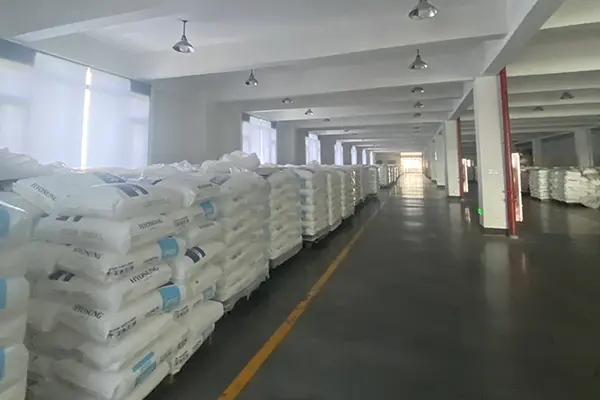
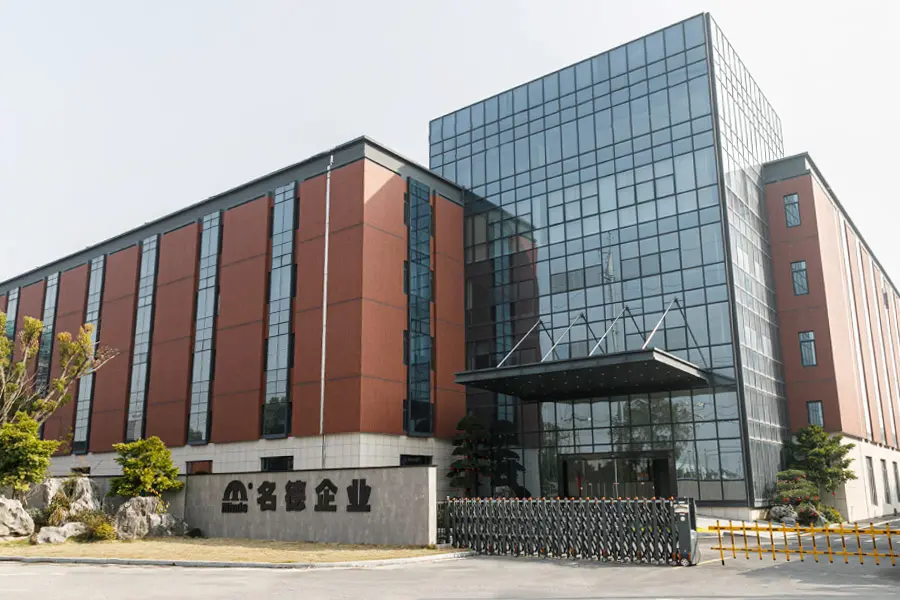
Rooted in the industrial hub of Ningbo, Zhejiang Province, China, Ningbo Minde Building Materials Co., LTD operates a world-class manufacturing complex spanning more than 90,000 square meters of optimized production space. Utilizing advanced logistics via the nearby Ningbo Port, we manage integrated production pipelines designed to supply global infrastructure, municipal water distribution systems, and residential heating projects.
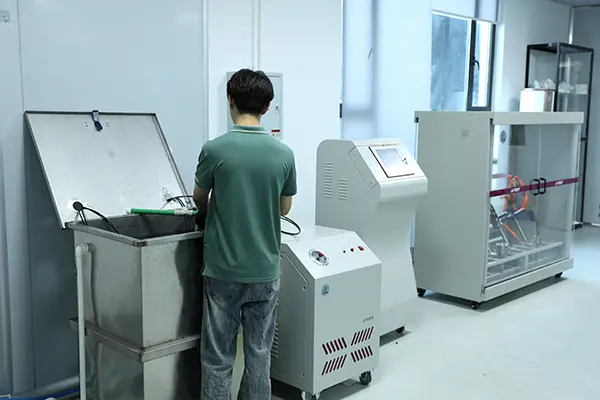
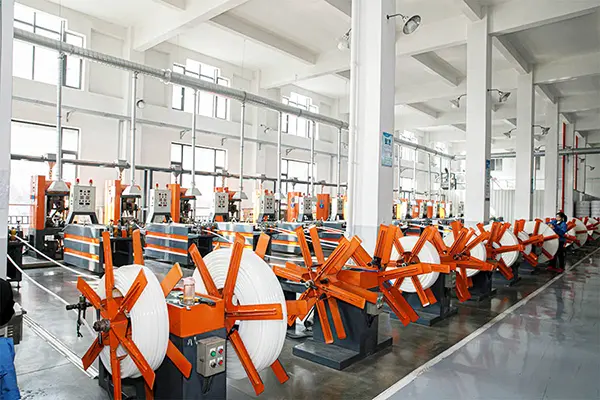
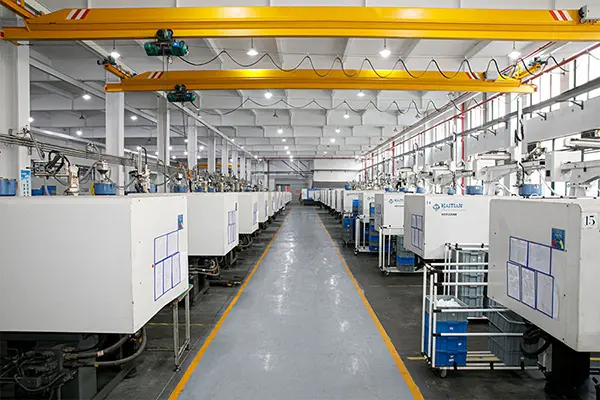
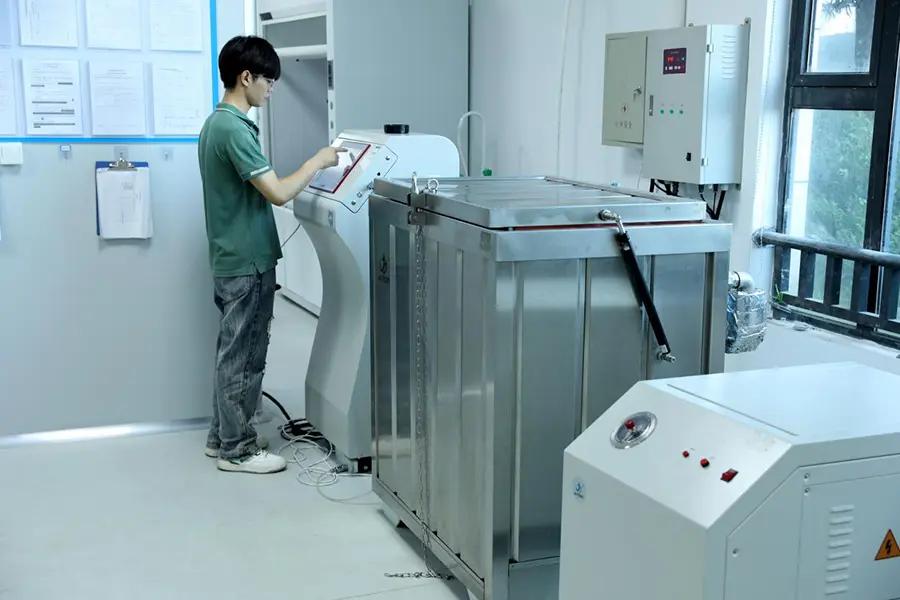
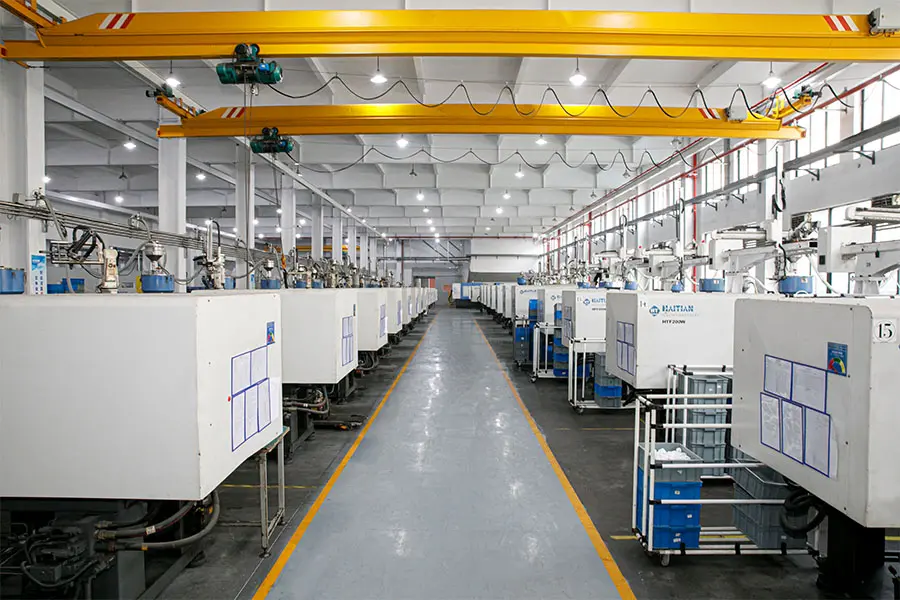
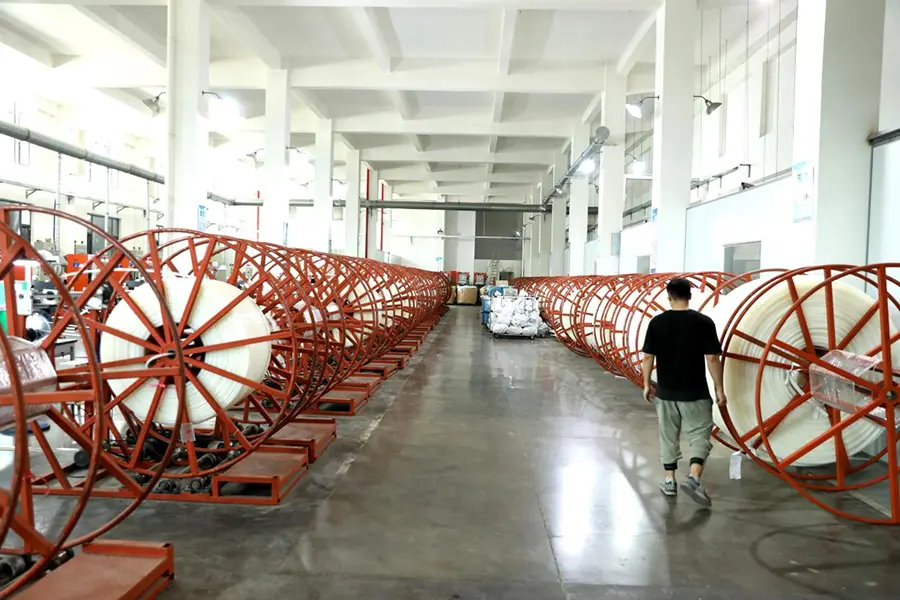
To maintain product integrity, Minde uses premium imported virgin raw materials, eliminating recycled materials that cause premature pipe failures. Our factories operate 45 advanced pipe extrusion lines and 85 high-speed injection molding machines, all managed via a centralized automated raw material feeding system. This level of automation prevents contamination and ensures consistent wall thickness across both PN10 and PN16 production runs. Quality control is managed by 3 independent inspect stations covering raw material testing, online mid-production monitoring, and finished product batch testing on state-of-the-art laboratory testing equipment.
Analyzing technical trends, localized applications, and global infrastructure system integrations.
Modern fluid networks are demanding longer lifetimes and lower environmental footprints. The transition to high-density polymers (HDPE PN16) coupled with smart engineering PP-compression clamps represents a shift away from heavy, corrosion-prone metallic joints. Additionally, compliance with drinking water hygiene certifications is driving raw material purity standards, pushing manufacturers to ensure zero heavy metal leaching.
From hot sub-flooring HVAC installations to sub-zero municipal lines in Siberia, the operational envelopes differ. Underfloor heating systems require oxygen-barrier pipes (PE-Xb EVOH) to prevent system-wide corrosion. Meanwhile, agricultural irrigation networks in arid regions demand high UV resistance, quick-assembly fittings, and robust clamp junctions to withstand surface traffic and cyclic solar loading.
Large-scale industrial designs require standardized components to reduce installation errors and labor costs. Minde provides complete, unified piping system solutions—from extrusion of high-pressure composite pipes to injection-molded fittings. By sourcing from a single, vertically integrated factory, buyers eliminate dimensional discrepancies between pipes and fittings, reducing leak risk at joints.
Key checkpoints for international distributors, utility engineers, and bulk importers sourcing piping connections.
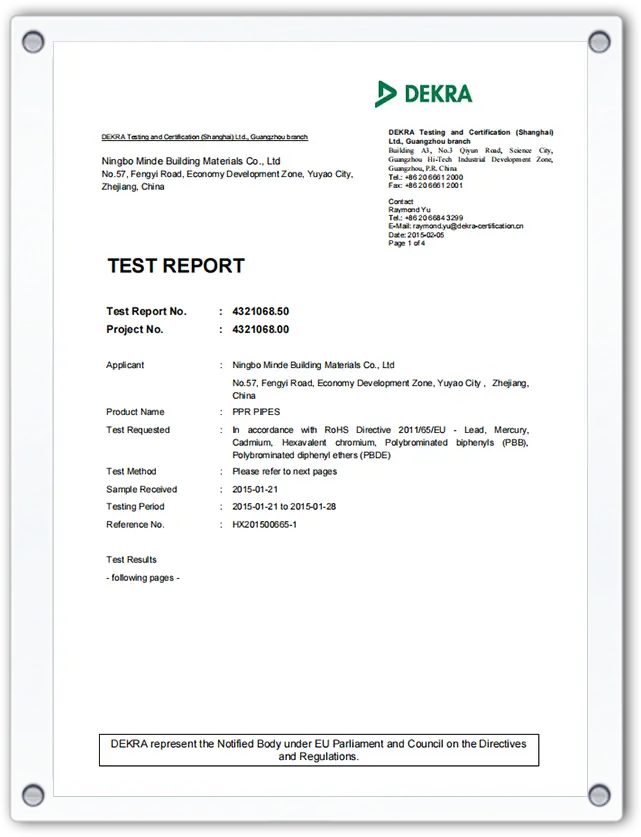
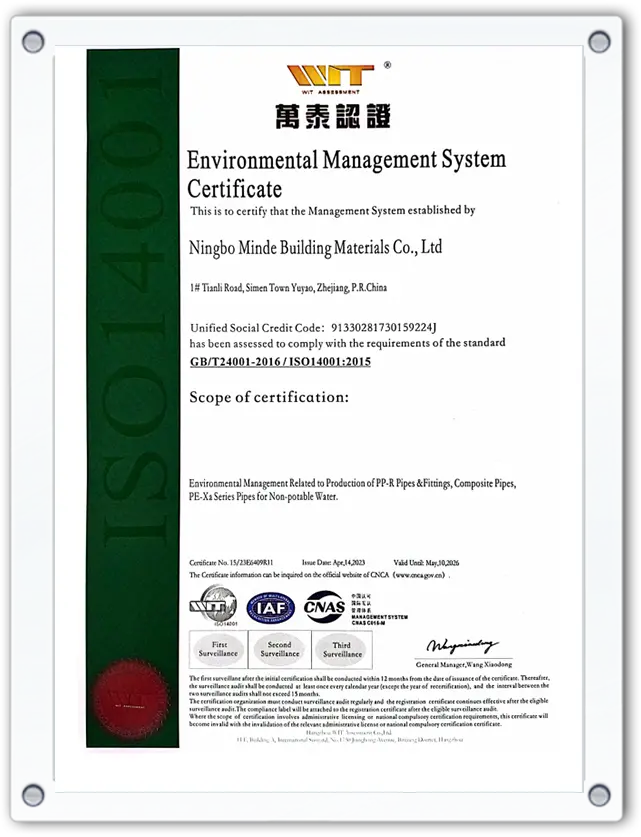
When importing pipeline connections, verification of testing certifications is critical to prevent import issues at customs. For European projects, compliance with CE standards, WRAS (Water Regulations Advisory Scheme) approvals for potable drinking water, and ISO 9001:2022 quality systems are key requirements. Minde provides full certification sets (CE, ISO9001:2022, ISO14001, British WRAS, and Russian GOST) with clear traceability numbers, ensuring smooth compliance approvals.
Additionally, customs documentation must list the product polymer classifications (e.g., Polypropylene Random Copolymer or High-Density Polyethylene) to accurately apply duty tariffs and verify chemical safety declarations. Minde’s export division manages all documentation, including customs declarations, standard laboratory testing reports, and ocean freight logistics from Ningbo Port.
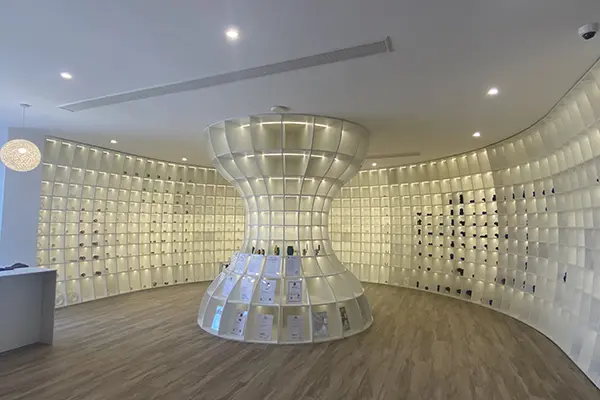
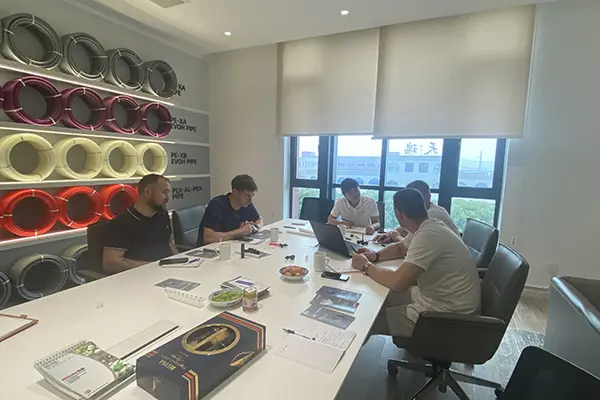
A look inside our 90,000+ square meter factory, production lines, and quality control departments.
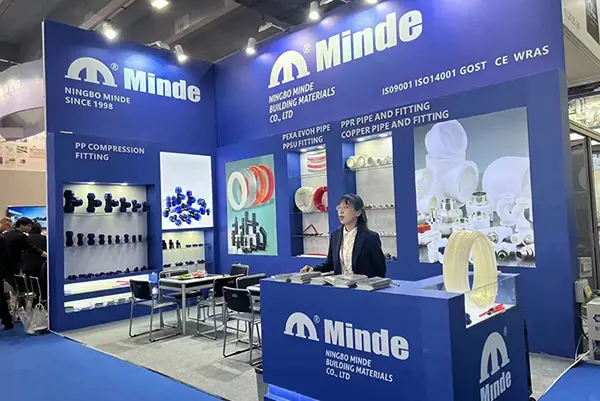
Meeting standards in over 50 countries, including Russia, Ukraine, South America, and the Middle East.

Find answers to common engineering, procurement, and installation questions.
Minde's CE Certification verifies compliance with standard EN 12201-3 and ISO 17885. This certification requires testing for hydrostatic pressure endurance, pulling resistance, joint tightness under high bending loads, and raw material chemical compatibility for transport of drinking water.
Minde's PN16 compression fittings feature a safety margin that accommodates transient surge pressures. While the nominal continuous limit is 16 bars, the high-pressure locking rings absorb temporary dynamic loads without failing or backing off the pipe thread.
Recycled plastics often contain structural impurities and mixed polymers that can lead to environmental stress cracking (ESCR). By utilizing imported virgin PP copolymer and PE resins, Minde ensures uniform mechanical properties, high impact strength, and standard UV stability in outdoor installations.
When operated within rated pressure and temperature envelopes (e.g., water under 25°C at 16 Bar), Minde fittings are designed for a service life exceeding 50 years. Lifetime will decrease at elevated temperatures, which is standard for all thermoplastic piping materials.
Minde's quality control laboratory features multi-station hydrostatic pressure testers, melt flow rate (MFR) instruments, electronic tensile test equipment, drop-impact towers, and ovens for thermal reversion testing. This equipment ensures that every batch meets the physical properties required by international standards.
Additional products designed to build reliable, high-performance piping connections.
 Minde
Minde