Explore our core products featuring robust engineering, precision manufacturing, and strict international standards compliance.
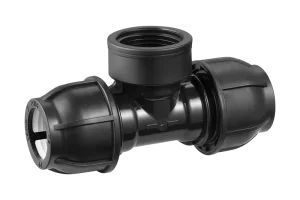
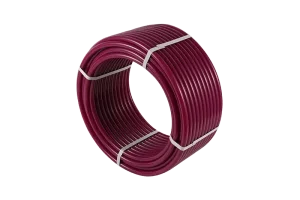
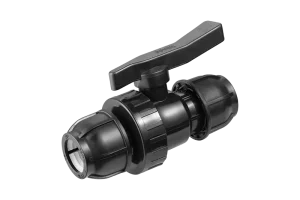
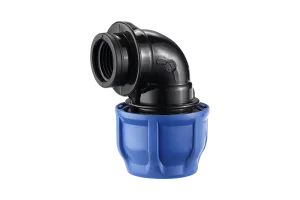
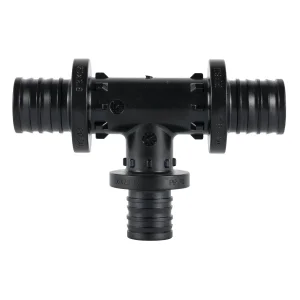
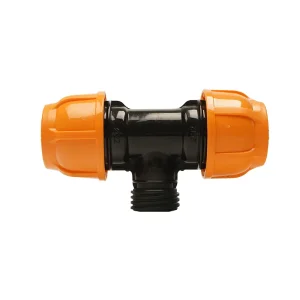
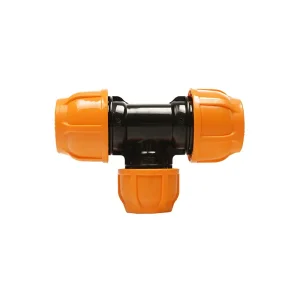
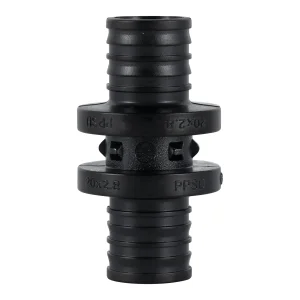
In the modern landscape of fluid management, structural piping systems form the baseline of civil municipal infrastructure, chemical transit lines, agriculture, and high-efficiency district heating networks. Traditionally, heavy carbon and stainless-steel flanges dominated industrial linkages. However, the rise of advanced engineering thermoplastics (such as high-density polyethylene [HDPE], polypropylene random copolymer [PPR], and polybutylene) has fundamentally transformed global piping strategies.
Flanges serve as the critical mechanical junctions where piping system segments converge, or where they connect directly to valves, pumps, vessels, and processing machinery. Demands for CE-certified flange interfaces and heavy-duty mechanical compression joints have experienced double-digit growth globally. This surge is driven by key benefits: complete corrosion immunity, dramatic reduction in transport and installation weights, thermal adaptability, and an operational lifespan exceeding 50 years under continuous design pressure ratings (PN10, PN16).
From agricultural irrigation in water-scarce regions to advanced multi-layer floor heating designs throughout Northern Europe and North America, modern piping systems must sustain pressure containment integrity. Understanding the complex engineering factors behind raw material selections, physical testing matrices, and international regulatory compliances is critical for contractors, municipal planners, and plumbing distributors worldwide.
As global demands tighten around project timelines, material consistency, and unit economics, China’s industrial piping hubs—particularly in Zhejiang Province—have set new standards. Operating a world-class manufacturing operation requires more than just high throughput; it demands integration across the raw material supply chain, precision mold design, automation in injection and extrusion, and strict, multi-tier quality control systems.
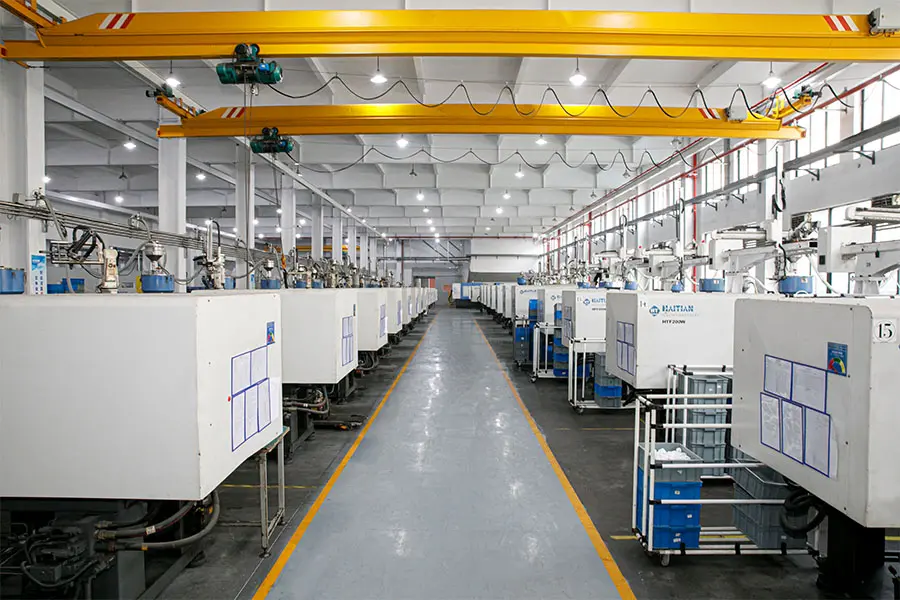
By positioning processing plants close to coastal shipping nodes like Ningbo, factories can source premium imported polymers (virgin PP, PP-R, PPSU, and PE-Xa resins) and distribute the finished products to international markets efficiently. Integrated automation—including centralized pneumatic feeding systems, computerized cooling control, and multi-axis demolding robotics—ensures that critical components (such as flange backing adapters, compression collars, high-performance ball valves, and chemical-resistant tees) achieve dimensional tolerance levels within microns. This consistency prevents leaks, reduces installation failure rates in the field, and lowers overall project lifetime costs.
Our certified thermoplastic solutions perform across demanding operational environments, including commercial plumbing and structural agriculture.
Corrosion-resistant PPR and PE piping systems ensure safe drinking water delivery. With smooth inner bores preventing calcification and biofilm development, these products maintain structural integrity under high pressure while matching strict hygienic approvals like WRAS and NSF61.
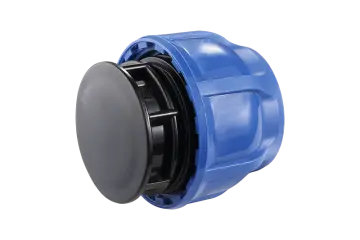
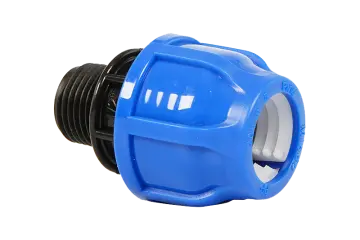
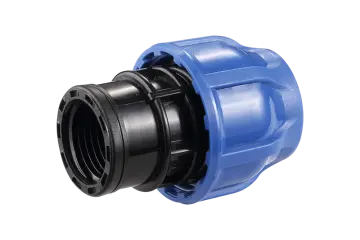
In harsh farming and open-field zones, PP compression fittings and mechanical valve connections offer fast installation without welding. They resist intense UV exposure, soil acidity, and common liquid fertilizer additives.
Engineered PE-Xa pipes featuring cross-linked polyethylene structures and co-extruded EVOH oxygen barriers work seamlessly with high-temp PPSU fittings to prevent air intrusion, system corrosion, and heat-loss anomalies.
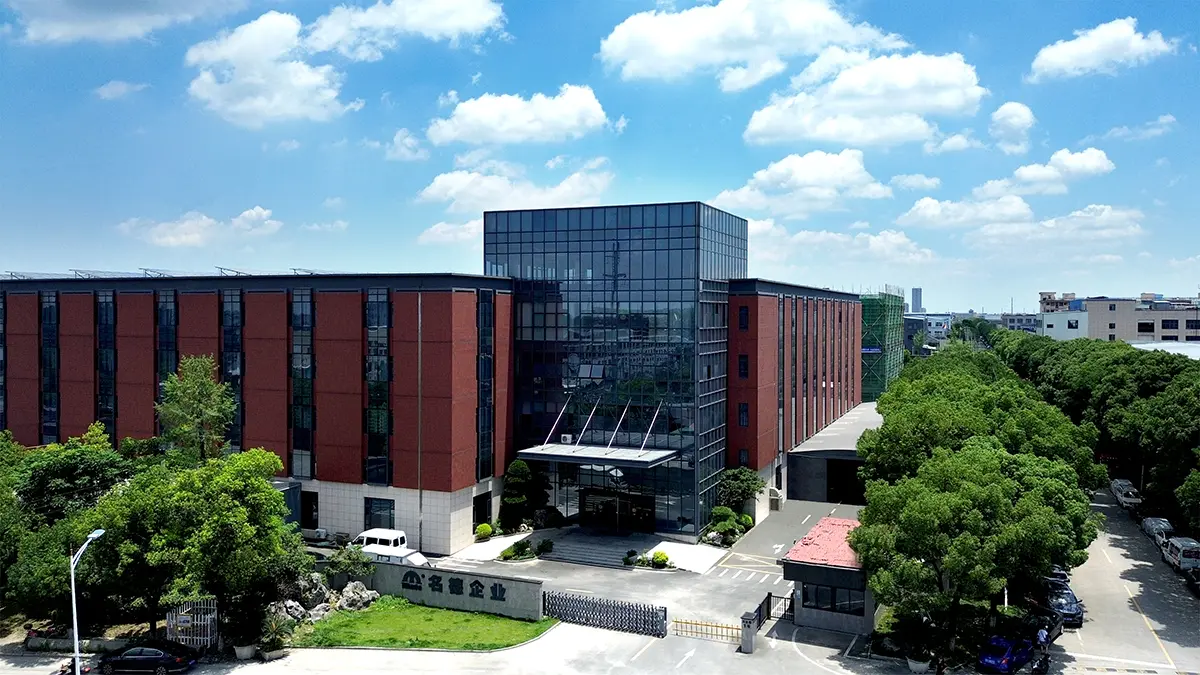
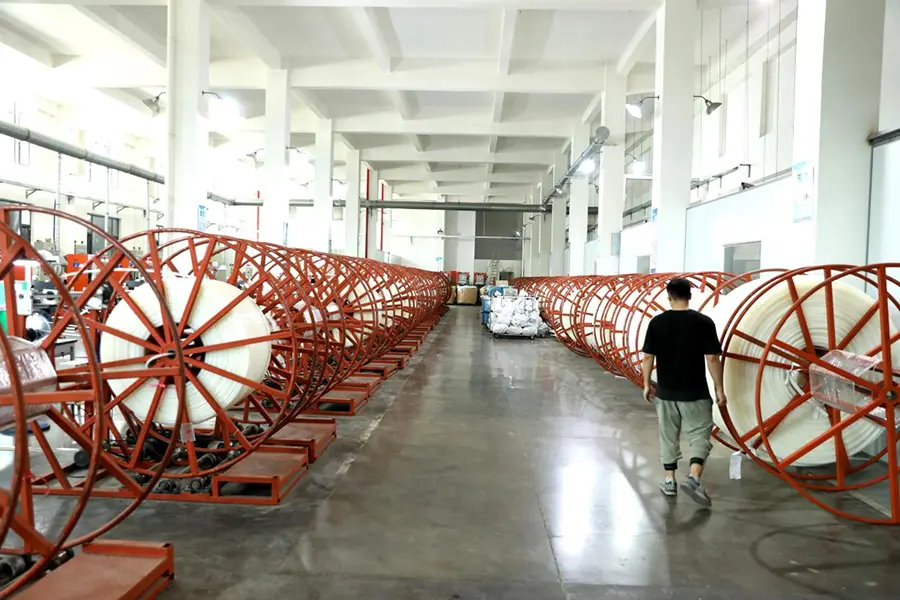
Behind our global supply guarantee is a state-of-the-art 90,000 square meter industrial park operating automated injection molding and precision pipe extrusion.
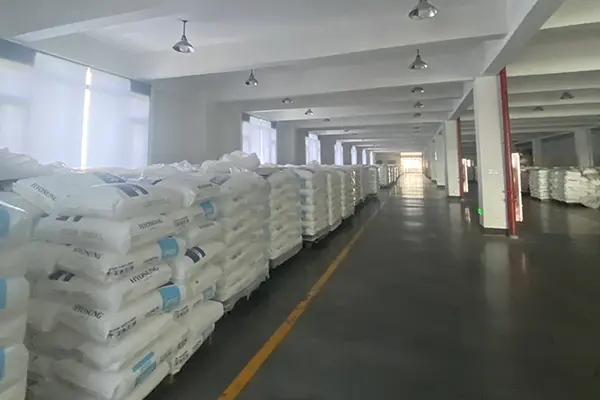
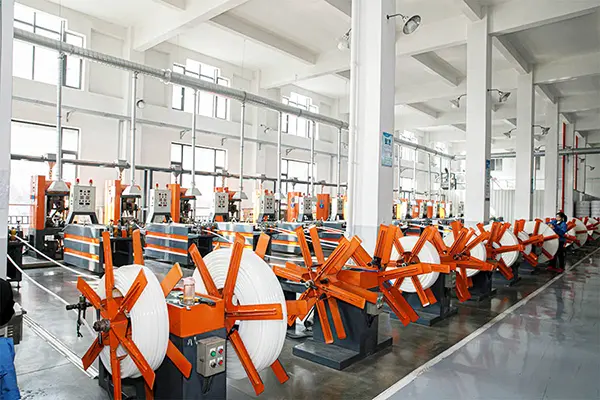
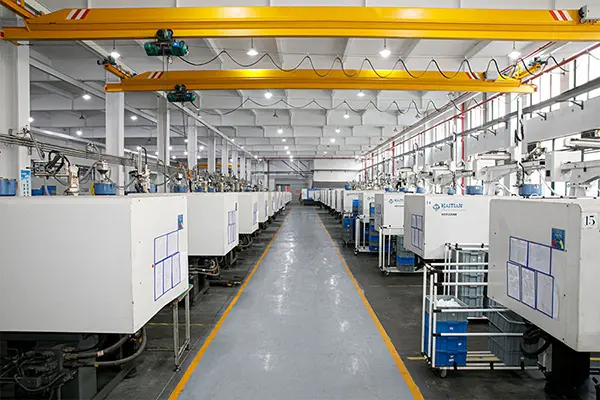
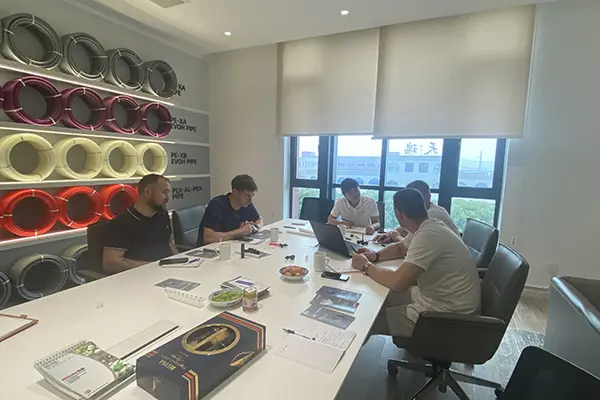
Through optimized maritime distribution structures, our products are shipped to more than 50 nations across Europe, Asia, and South America. We partner with leading ocean logistics companies to deliver consistent delivery times for global distributors and EPC firms.
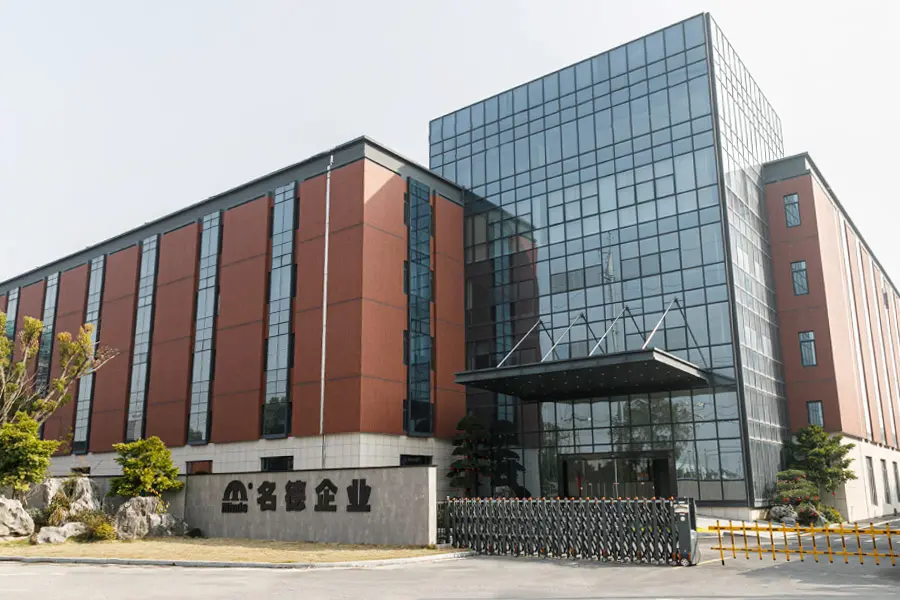

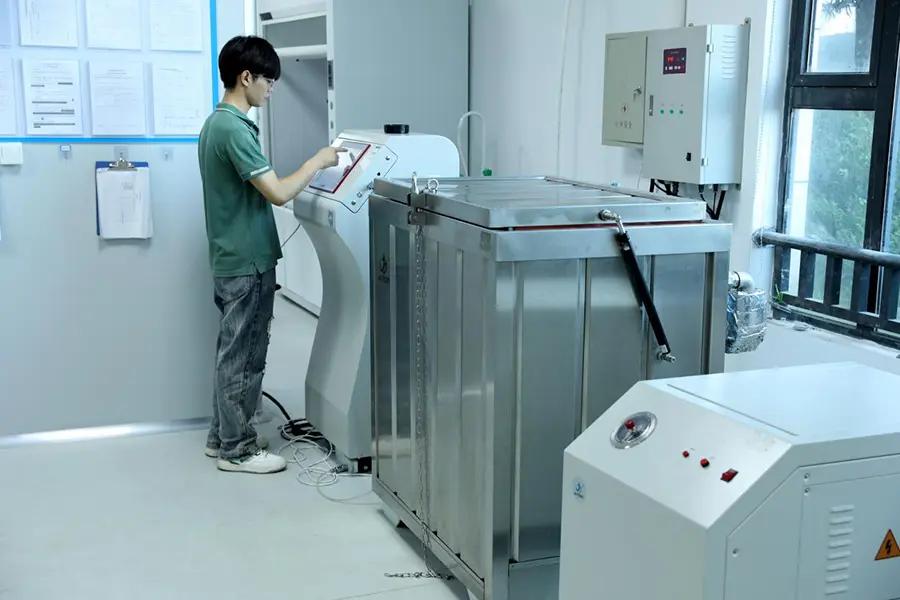
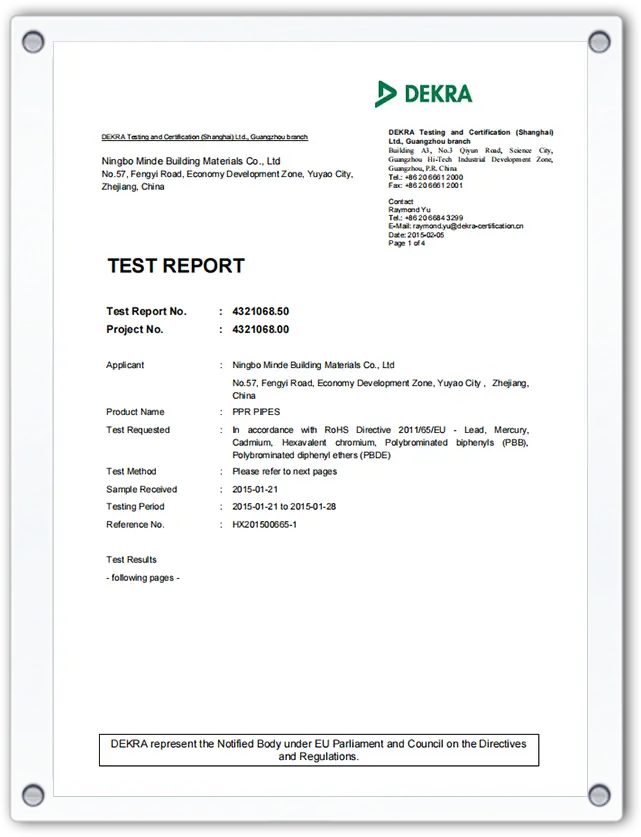
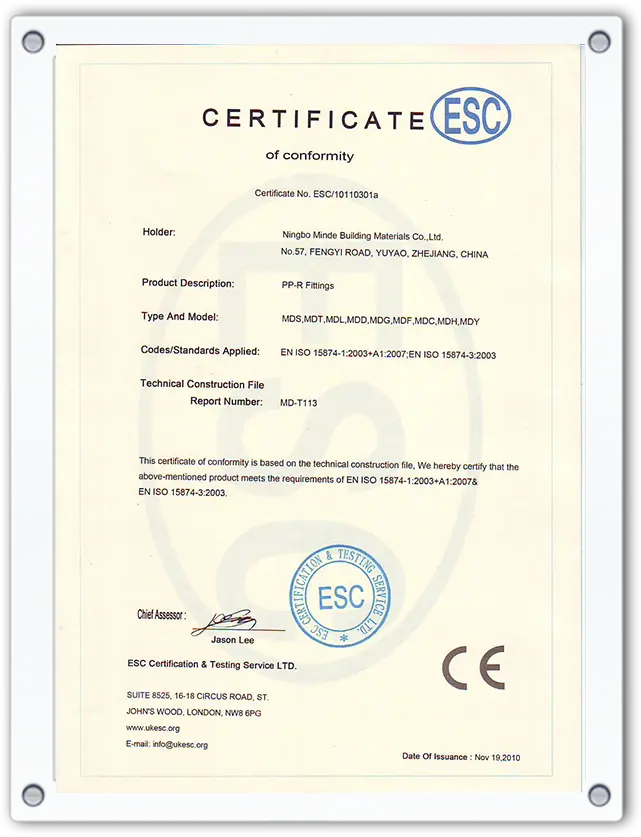
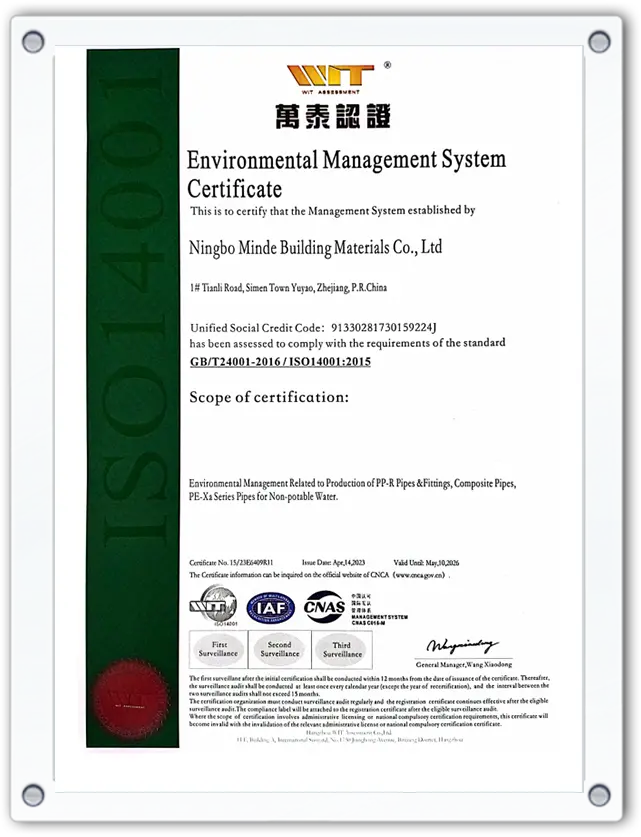
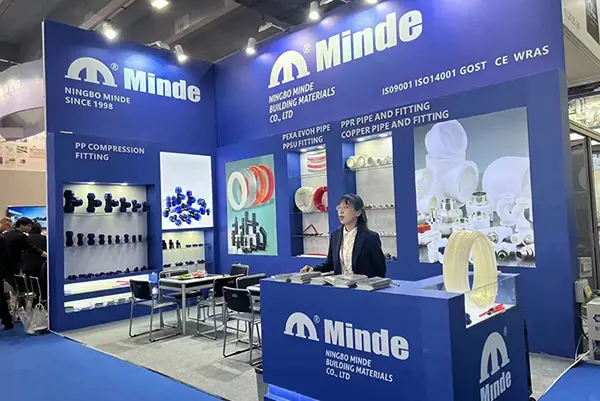
For engineers, distributors, and municipal inspectors, safety compliance is a non-negotiable metric. Our manufacturing operations maintain strict alignment with ISO 9001:2022 Quality Management, ISO 14001 Environmental Management, and the European Union’s CE Pressure Equipment Directives. Additionally, our materials have been awarded the British WRAS (Water Regulations Approval Scheme) certification for drinking water usage, alongside the Russian GOST certificate.
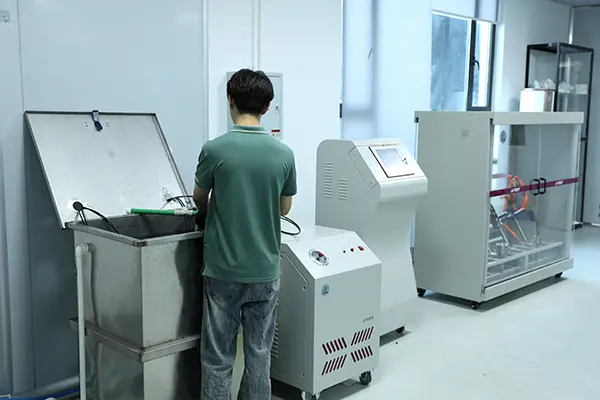
Every batch of PP compression fittings and PEXa/PPR pipes undergoes three levels of quality inspections:
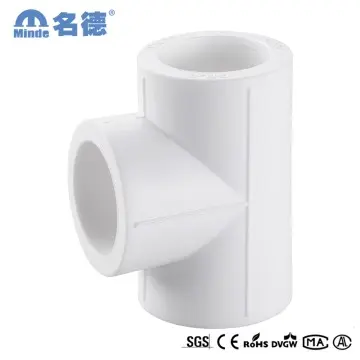
Complete system items including high-durability ball valves, reducing couplers, and transition couplings for project specifications.
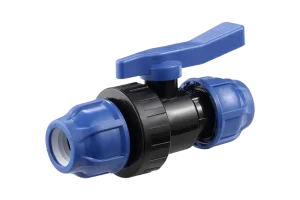
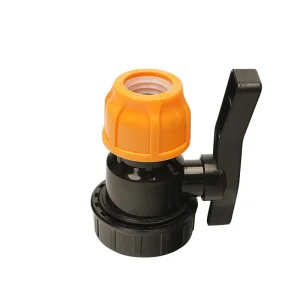
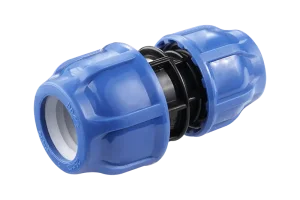
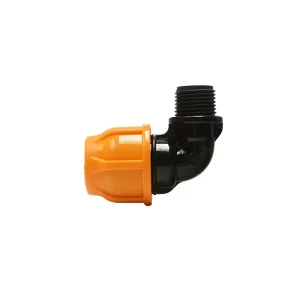
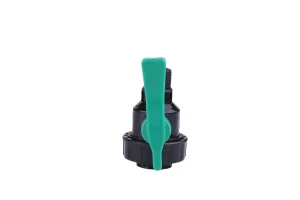
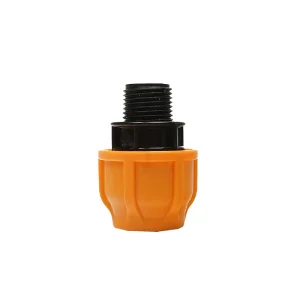
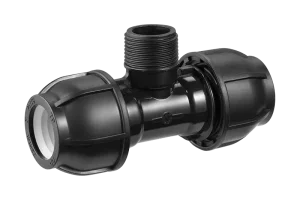
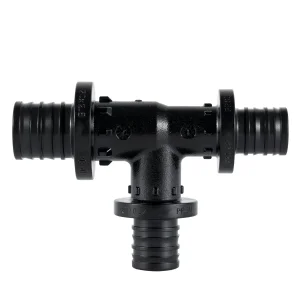
These extra models support high-stress pipeline connections and residential plumbing extensions.
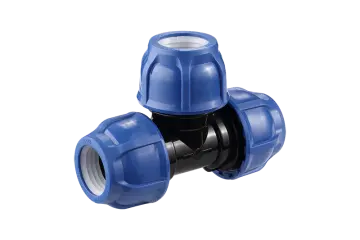
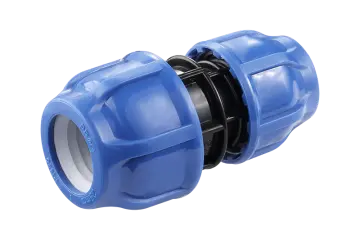
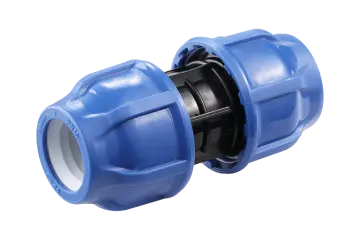
Technical guidance for engineering buyers and project procurement directors.
 Minde
Minde