Select, CE-compliant components engineered for leak-free operations, high-temperature resistance, and 50+ year operational design lifespans.
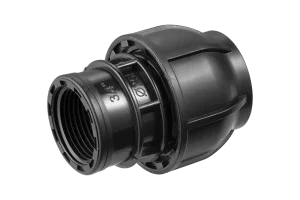
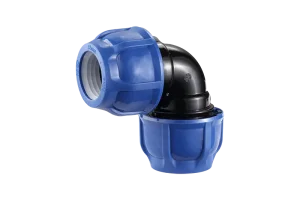
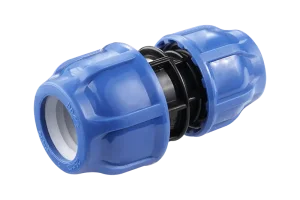
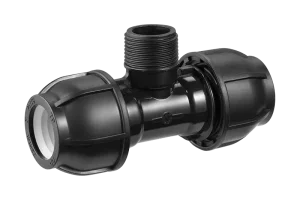
The global mechanical, electrical, and plumbing (MEP) sector is undergoing a rapid transition toward low-carbon operations, prioritizing hydronic heating and cooling systems. Radiant underfloor heating, powered by highly efficient PEXa (peroxide cross-linked polyethylene) and EVOH-barrier tubing, has emerged as the premier system design for sustainable structures. In Europe, North America, and high-latitude Asian markets, regional building regulations are mandating strict energy conservation metrics, directly positioning radiant tubing as a fundamental mechanical engineering component. By radiating heat directly from floors to room occupants rather than circulating hot air, hydronic systems achieve thermal comfort at lower fluid temperatures, reducing overall HVAC energy use by up to 30%.
Simultaneously, materials engineering is evolving. Legacy copper and basic polyolefin tubing systems are being replaced by multi-layer oxygen-barrier composite pipes and highly resilient PP (polypropylene) compression systems. The integration of EVOH (Ethylene Vinyl Alcohol Copolymer) oxygen barriers prevents oxygen molecules from diffusing into the closed heating loop. Unchecked oxygen diffusion in pressurized loops causes severe oxidation of ferrous boiler parts, system pumps, and metallic heat exchangers. Thus, the deployment of CE-certified oxygen-barrier piping is a protective structural configuration. For piping service providers, matching these tubes with high-reliability mechanical couplings, such as PPSU (polyphenylsulfone) and PP-R compression fittings, ensures consistent joint integrity across building operating lifespans.
Operates with low hot-water supply temperatures (35°C to 45°C) to perfectly integrate with heat pumps and geothermal setups.
EVOH co-extruded barriers block external oxygen from degrading mechanical steel elements within heating installations.
Rapid installation with modular compression fittings decreases overall labor overhead and project cycle times.
Industrial B2B procurement processes for underfloor radiant networks and agricultural distribution piping systems require rigorous risk-mitigation measures. Distributors, high-tier mechanical contractors, and real estate developers evaluate products using total cost of ownership (TCO), strict compliance frameworks, and long-term chemical durability. A common point of system failure occurs at piping connections and distribution manifolds, where thermal cycles generate continuous physical expansions and contractions. Therefore, sourcing engineering-grade PP compression components certified with PN10 and PN16 pressure ratings is crucial to prevent premature mechanical wear, leakage, and subsequent structural litigation.
Furthermore, sourcing coordinators are streamlining their vendor networks, preferring manufacturers that offer fully integrated pipe production and matching accessory mold designs. This integrated strategy prevents dimensional tolerance mismatches between pipes made to EN ISO 15875 specifications and third-party mechanical compression components. A single source of manufacture translates directly to consistent assembly speeds, unified performance warranties, and predictable hydraulic friction losses across the entire pipeline design.
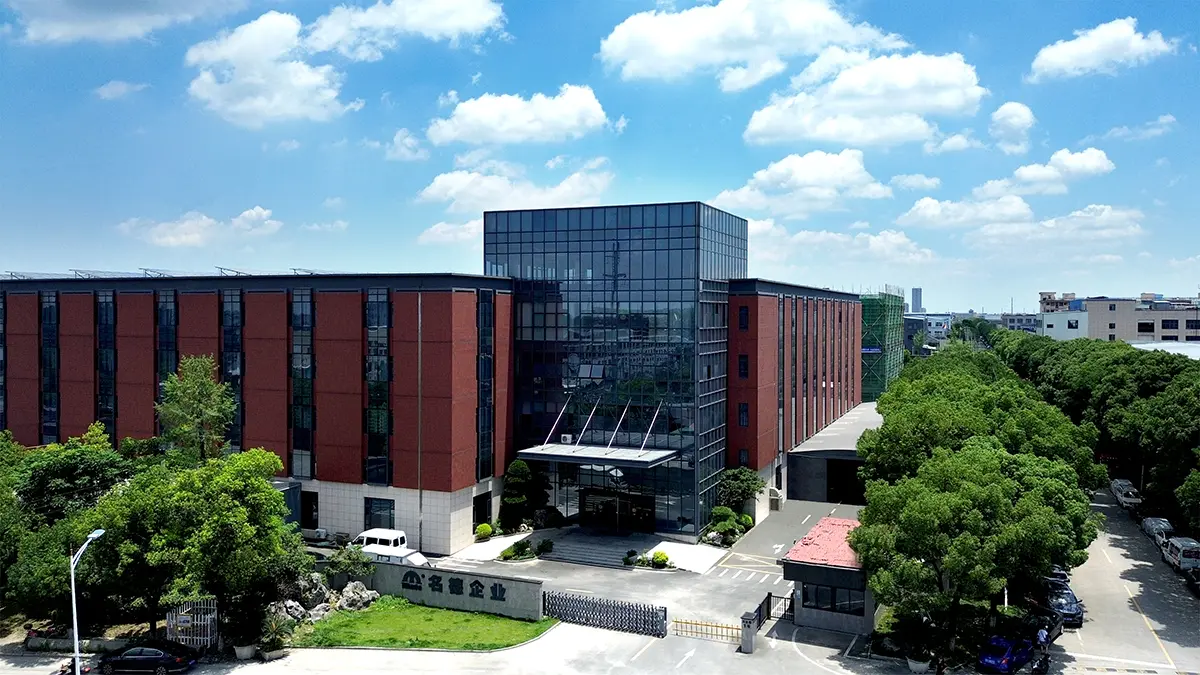
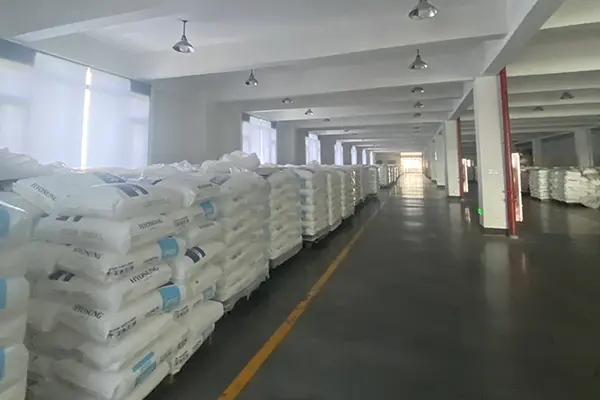
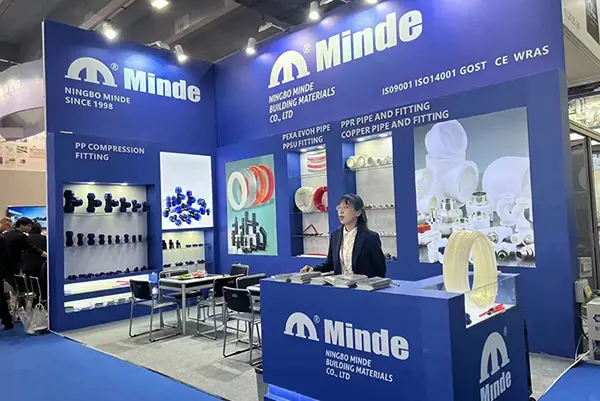
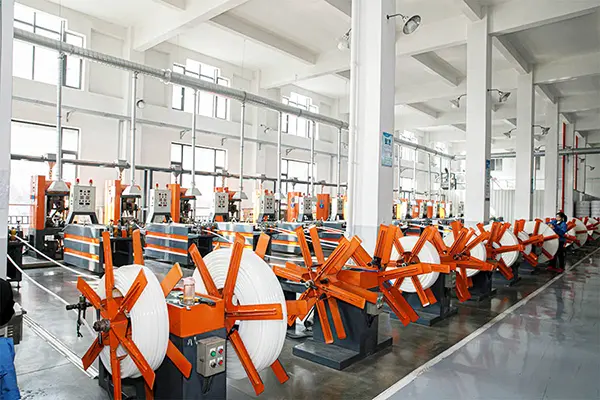
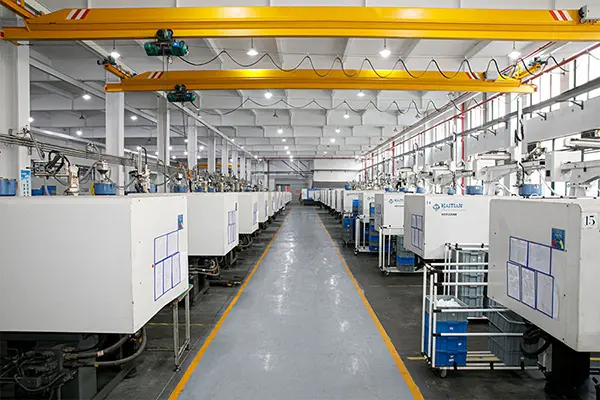
Ningbo Minde Building Materials Co., LTD., based in Zhejiang Province, China, is an established manufacturing authority specializing in modern polymer pipes and mechanical connection accessories. With over 20 years of production expertise, the enterprise designs, manufactures, and supplies complete systems for water distribution, agricultural irrigation networks, and hydronic radiant heating loops. Operating a standardized facility of more than 90,000 square meters, the company houses 45 high-speed pipe extrusion lines, 85 automated injection molding machines, and an integrated material feeding system that ensures uniform material distribution during continuous extrusion cycles.
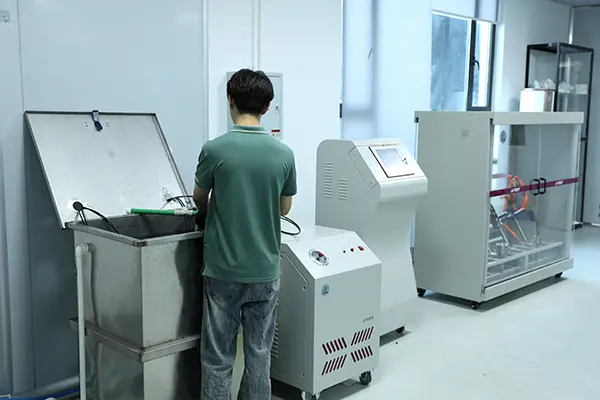
Quality assurance is embedded in Minde's operational DNA. The factory maintains three independent testing checkpoints: incoming raw material analysis (verifying high-performance virgin polymer lots), in-line process calibration (checking dimensional tolerances and wall consistency), and finished-goods inspection. Each production run is subjected to destructive bursting pressure tests and long-term thermal aging simulations, ensuring that all distributed pipes and fittings meet stringent service performance parameters.
Optimized component integration across residential, agricultural, and commercial hydronic applications.
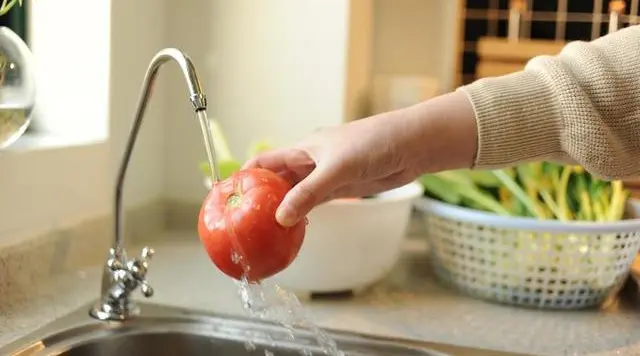
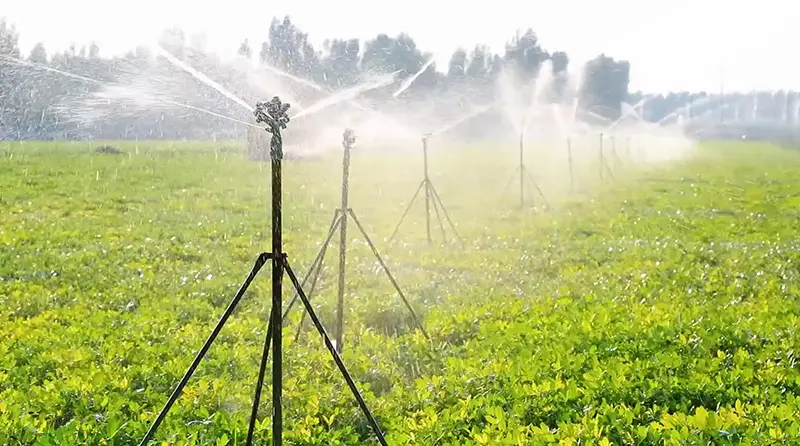
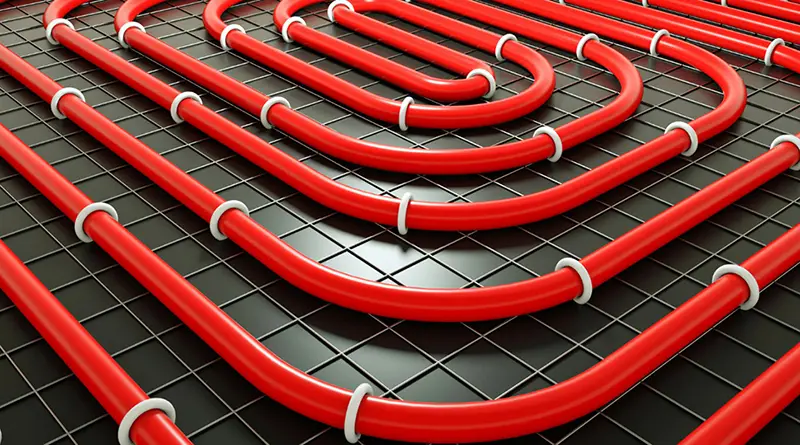
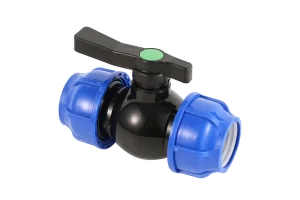
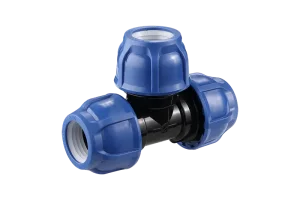
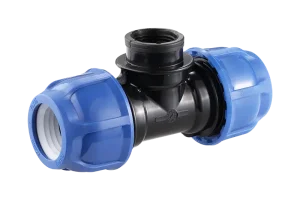
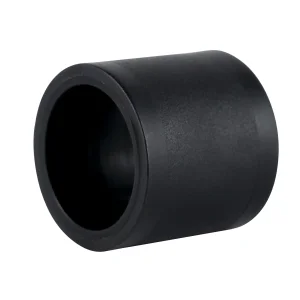
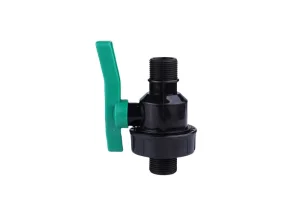
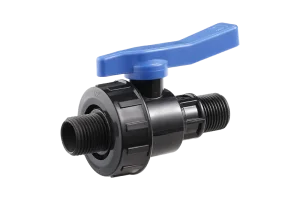
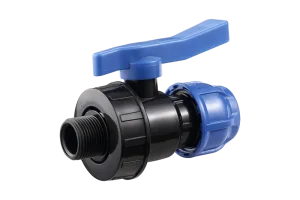
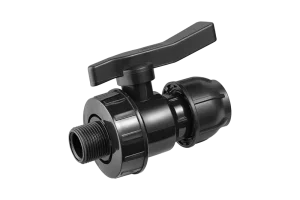
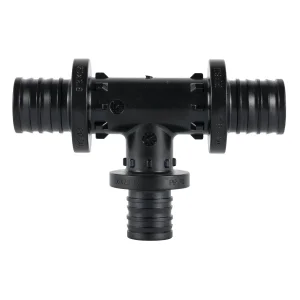
Whether configuring high-density municipal water schemes or routing sub-slab radiant floor arrays, selecting high-performance pipeline accessories remains essential. In municipal networks, pressure surges (water hammer) present ongoing structural hazards. Deploying Minde's PN16-rated PP compression elbows, reducing couplings, and ball valves ensures high structural security at transitions. For agricultural irrigation, resistance to ultraviolet (UV) radiation and fertilizers is critical; Minde’s proprietary polymer compositions resist chemical degradation, supporting continuous operation under harsh direct sunlight and changing thermal conditions.
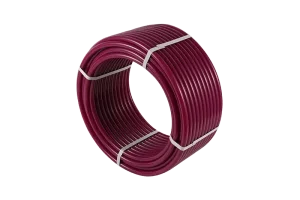
Analyzing underfloor heating materials reveals the critical role of chemical composition and structure in longevity. Standard PE-RT (Polyethylene of Raised Temperature Resistance) performs well under mild conditions, but peroxide-crosslinked PEXa stands out for its high performance under extreme temperatures and pressures. The crosslinking process (PEXa uses the Engel method, achieving cross-linking ratios above 70%) binds polymer chains into a 3D network. This structure prevents cracks from propagating, resists scratching during installation, and provides elastic shape memory, allowing the pipe to recover its shape after accidental kinks by applying hot air.
Adding a co-extruded EVOH layer enhances durability. EVOH has low gas permeability, effectively preventing atmospheric oxygen from dissolving into hydronic fluid. Oxygen inside closed mechanical loops forms nitrous oxide and rust, leading to boiler component wear and clogging radiator lines. Minde’s EVOH PEXa pipes utilize a multi-layer extrusion process with thermal adhesive layers that prevent delamination under temperature fluctuations, protecting the barrier throughout the system's operational lifetime.
Meeting regional product compliance standards is essential for smooth Customs clearance and project approval. Minde’s manufacturing operations comply with global quality and environmental management standards, including ISO9001:2022 and ISO14001. For European distribution, Minde products carry the CE Marking, demonstrating compliance with EU health, safety, and environmental protection standards. The pipes and fittings also hold UK WRAS (Water Regulations Advisory Scheme) certification for potable water installations, alongside Russian GOST certifications for regional regulatory compliance.
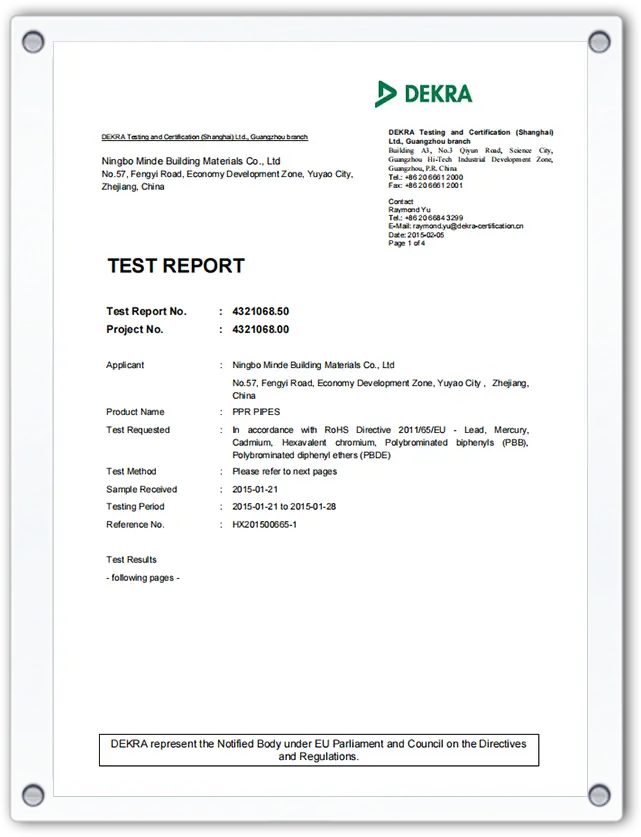
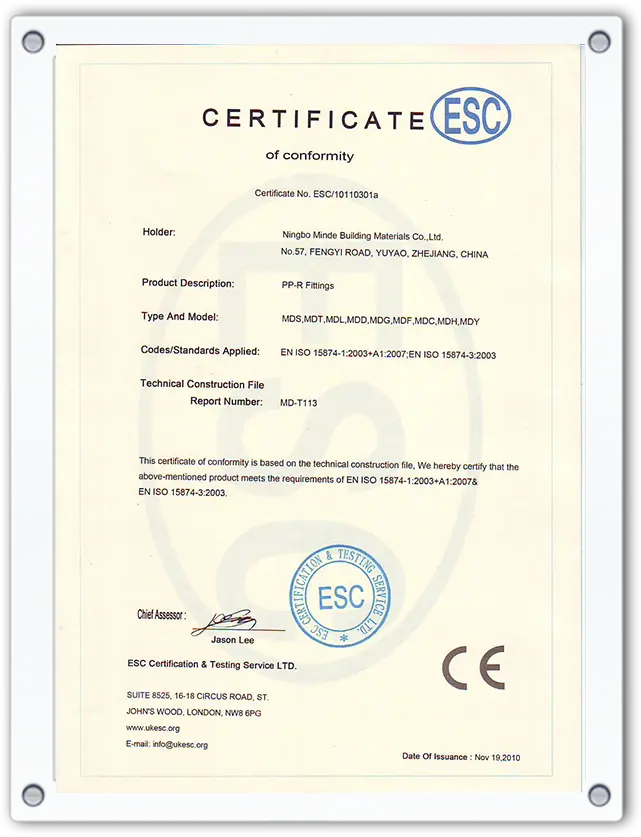
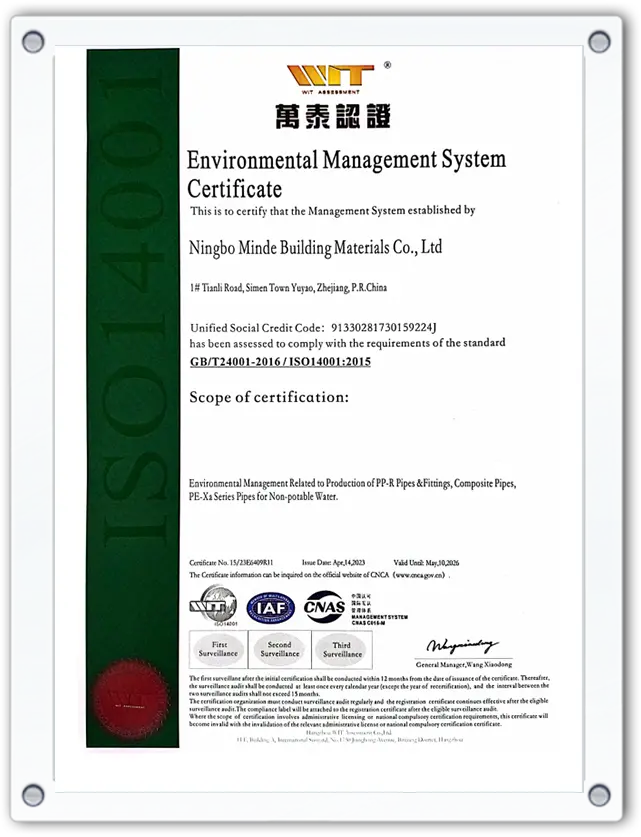
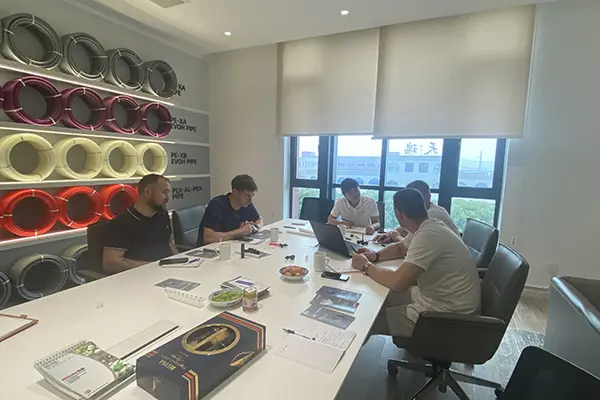
Minde products are currently exported to over 50 countries, including Russia, Ukraine, South America, the Middle East, and Southeast Asia. The company's compliance program provides distributors and project managers with verified testing documentation, structural specifications, and safety data sheets to ensure smooth project approvals.
As the construction industry shifts toward sustainable engineering practices, Minde is actively developing eco-friendly polymer formulations and modernizing its production lines. By implementing automated feeding systems, Minde minimizes raw material waste and ensures precise color and material dosing. Future developments focus on introducing bio-based polymers that maintain structural strength while reducing reliance on petroleum feedstocks.
Minde is also expanding its smart product lines, developing leak-detection systems and integration-ready manifold accessories. By combining durable physical piping networks with monitoring technologies, Minde aims to support smart buildings in optimizing energy and water usage, ensuring long-term resource efficiency.
Technical guidance from Minde’s engineering department on applications, compliance, and material specifications.
Explore additional CE-compliant options for complete hydronic layout configuration and system integration.
 Minde
Minde