Engineered to PN10/PN16 parameters. Ideal for underfloor radiant heating, water supply systems, and agricultural operations.
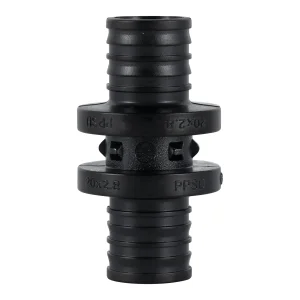
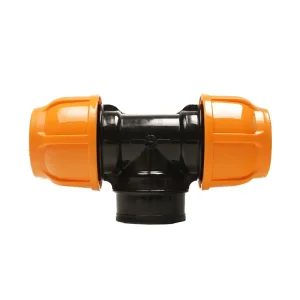
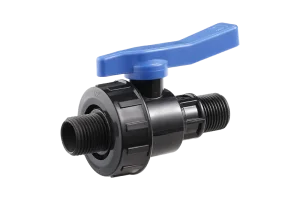
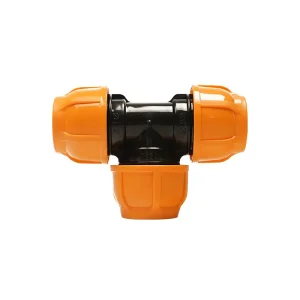
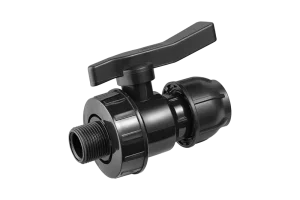
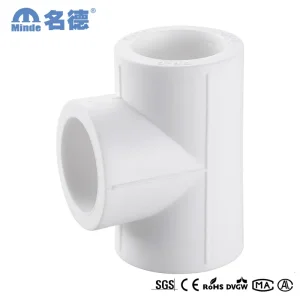
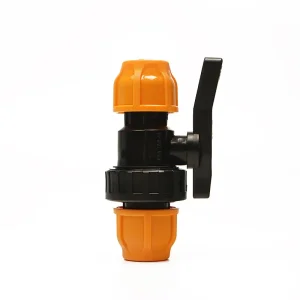
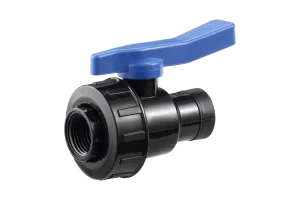
In modern plumbing and HVAC engineering, compression fittings on cross-linked polyethylene (PEX) systems represent a major shift towards corrosion-free, high-durability infrastructure. Historically, copper and brass dominated European and American distribution pipelines. However, issues like hard-water scaling, dezincification of metal alloys, volatile copper pricing, and demanding installation workflows pushed the market to adopt high-performance polymer fittings like Polyphenylsulfone (PPSU), Polypropylene (PP), and Polypropylene Random Copolymer (PPR).
Globally, these compression connections are crucial for underfloor radiant heating networks, potable water lines, and chemical distribution paths. Utilizing mechanical compression eliminates the need for expensive crimping tools, heat fusion, or open flames on structural jobsites. As modern construction demands shorter project schedules and longer operational life cycles, the need for robust PEX compression fittings has reached historic highs.
Understanding the molecular science and mechanical parameters behind high-stress polymer installations.
PEX compression fittings lock by pressing the tubing wall against a rigid inner insert. When you torque the outer nut, it squeezes an internal split ring (or compression ring) around the outer diameter of the pipe. This visco-elastic deformation creates a leak-free seal capable of handling pressures up to PN16 without limiting thermal expansion.
PPSU is a high-temperature amorphous polymer known for its excellent impact strength, chemical resistance, and hydrolytic stability. It handles continuous hot water up to 180°C and complies with NSF/ANSI 61 for potable water. It outperforms traditional brass by avoiding corrosion, mineral build-up, and heavy metal leaching.
Polypropylene (PP) and PPR (Random Copolymer) fittings provide excellent chemical resistance and high stiffness. Designed for cold water and agricultural irrigation, these systems function reliably across a wide temperature range of -10°C to 50°C, remaining flexible and crack-resistant under pressure spikes.
High-Speed Pipe Extrusion Lines
Precision Injection Molding Machines
Square Meters Standardized Factory Floor
Staff & Technical R&D Personnel
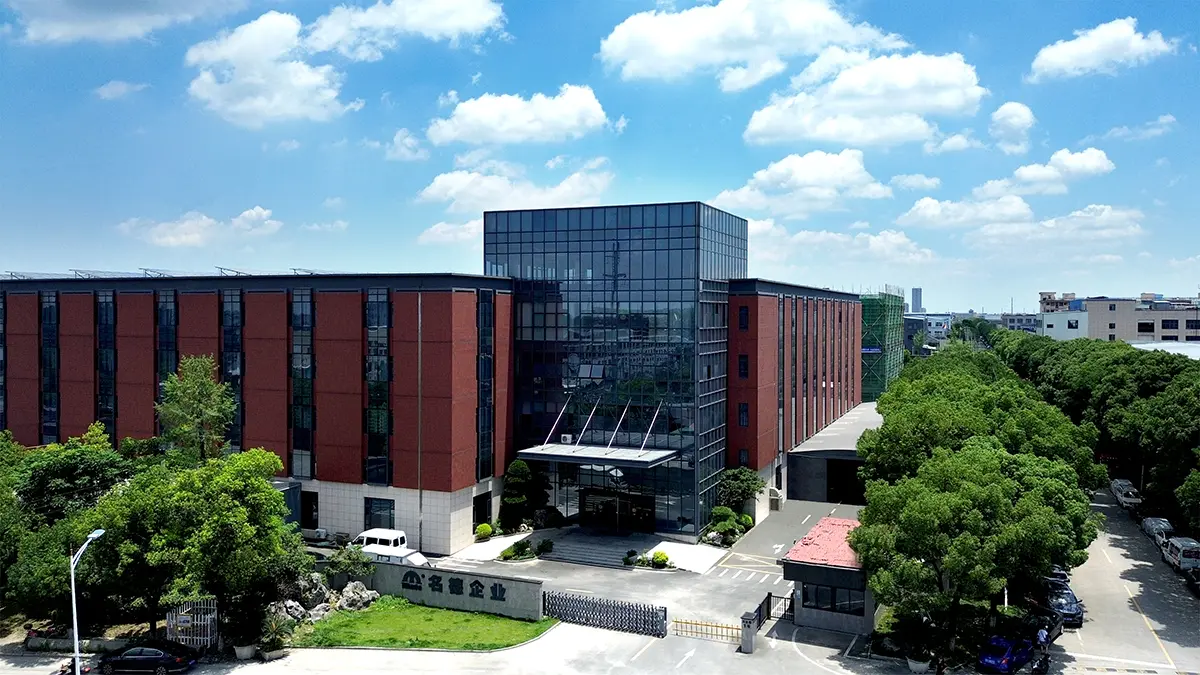
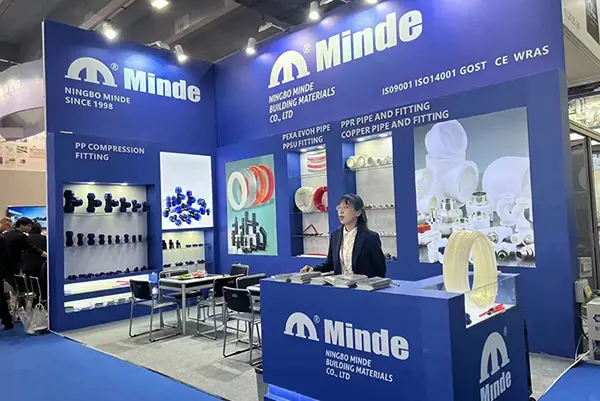
Based in Zhejiang Province, China, Ningbo Minde Building Materials Co., LTD has specialized in manufacturing plastic pipes and fittings for over 20 years. We offer reliable, eco-friendly water supply systems for residential plumbing, agricultural irrigation, and underfloor heating.
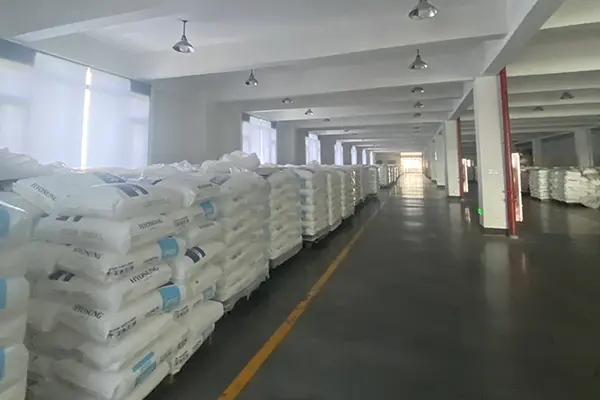
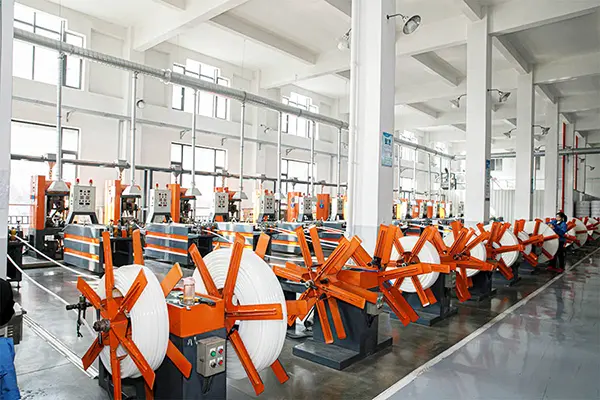
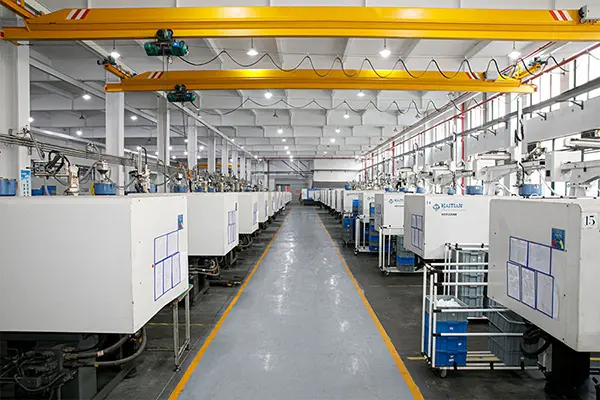
To ensure high quality, Minde uses premium imported virgin raw materials, avoiding recycled plastics that compromise pressure resistance and product lifespan. Our large manufacturing footprint features a computerized material feeding system, 45 pipe production lines, and 85 advanced injection molding machines. A team of more than 200 employees, including expert engineers and quality assurance specialists, ensures precise production and prompt delivery.
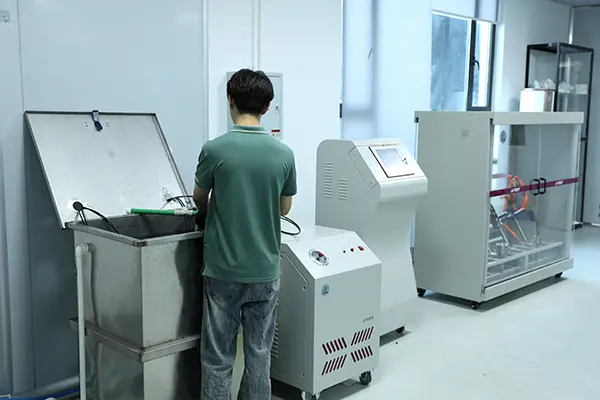
Minde manages a strict three-tier quality control protocol: raw materials testing, online monitoring, and batch pressure tests on finished products. Our goal is 100% defect-free delivery for all customers.
How China's industrial clusters and advanced infrastructure optimize production and delivery.
Minde's factory in Ningbo, Zhejiang, provides direct access to the Port of Ningbo-Zhoushan, one of the world's busiest container hubs. This location minimizes domestic transport times and lowers international shipping costs, ensuring reliable deliveries to customers worldwide.
We manage all tooling design, mold making, precision injection molding, and testing in-house. This complete process control lets us rapidly prototype custom OEM designs, reduce cycle times, and shield customers from raw material supply shocks.
With 45 automated extrusion lines and 85 injection molding machines, our facility is built for high-volume production. This automated manufacturing keeps unit costs low, ensures consistent quality, and helps us complete large-scale orders on schedule.
Specialized solutions for residential heating, municipal water, and agricultural projects.
In cold climates, underfloor heating systems need to operate continuously at high temperatures. Minde's PPSU compression fittings connect PEXa barrier pipes without narrowing the pipe interior or restricting flow. This design maintains flow rates and ensures leak-free joints under thermal expansion, providing maintenance-free operation beneath concrete floors.
Potable water networks require safe, lead-free components. Minde's PPSU and PPR fittings are certified to NSF61 and WRAS standards, meaning they do not leach contaminants into drinking water. They resist chlorine sanitization and oxidation, preventing micro-fracturing and ensuring long service lives in municipal systems.
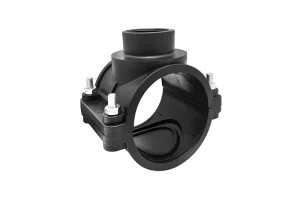
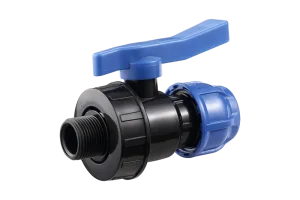
Outdoor agricultural systems face challenges from UV exposure, shifting soil, and fertilizers. Our PP compression fittings (PN10/PN16) connect HDPE pipes with deep-engagement clamp saddles and ball valves. They install quickly without welding, remaining resilient against chemical exposure and thermal variations.
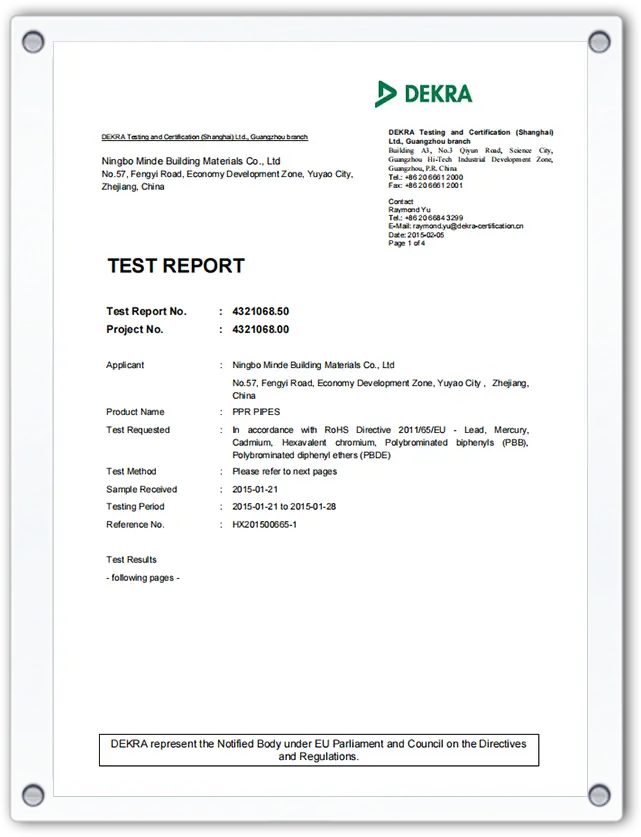
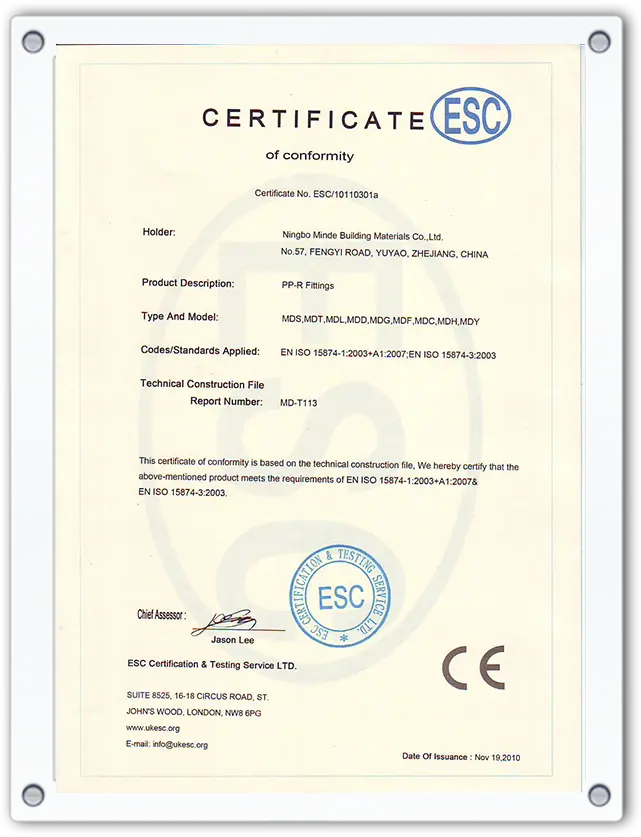
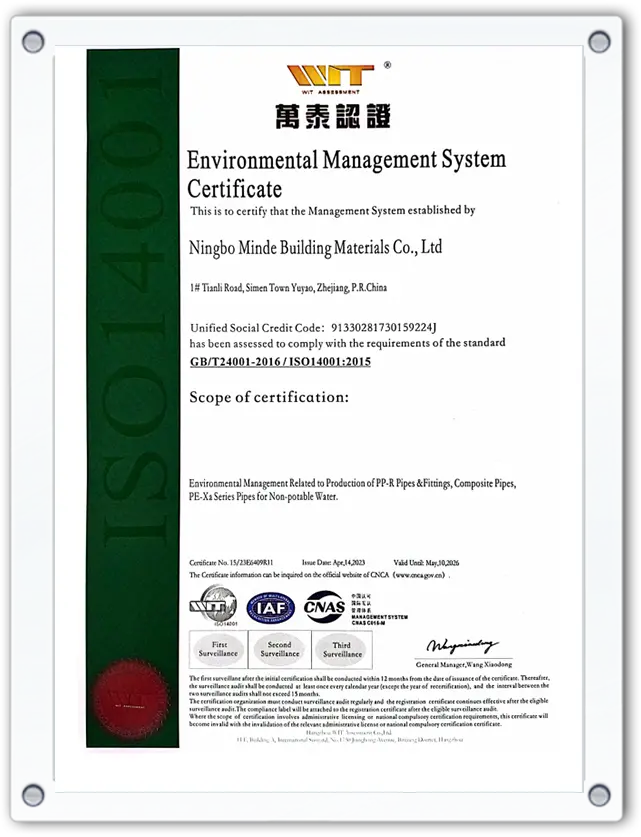
Minde exports to more than 50 countries, including Russia, Ukraine, Southeast Asia, South America, and the Middle East. To meet international requirements, our production facilities and products hold major global certifications:
How we are designing the next generation of plastic piping and fitting systems.
We are developing bio-based polypropylene polymers to reduce carbon emissions during manufacturing. Our new materials maintain the high pressure ratings (PN16) of standard PP while supporting sustainable construction goals.
We are developing smart compression fittings with integrated RFID tags and pressure sensors. These components will help construction teams track inventory during installation and monitor system pressure in real time, making it easier to locate leaks early.
At Minde, we focus on engineering durable products. The construction industry is moving away from energy-intensive metals like copper and leaded brass. Our PPSU and advanced polymer fittings offer a sustainable alternative, requiring less energy to manufacture and transport.
We continue to invest in our R&D to improve the long-term reliability of PEX and HDPE pipe networks. By upgrading our injection molding automation, we ensure high precision for complex geometries. This precision helps prevent installation leaks and reduces maintenance costs for commercial and residential projects alike.
Technical guidance and installation answers from our engineering team.
PPSU (Polyphenylsulfone) fittings avoid the common failure points of brass, such as dezincification and corrosion from acidic water. They are also lead-free, ensuring compliance with drinking water regulations like NSF/ANSI 61. In addition, PPSU is lightweight, cost-effective, and resists scaling and mineral build-up, preserving flow rates over time.
Yes. Minde's high-grade PP compression fittings are designed to operate at PN16 pressures (16 bar or approximately 232 PSI) at a baseline temperature of 20°C. They are engineered for cold water systems and irrigation networks. For high-temperature systems, we recommend our PPSU or PPR fittings, which maintain structural integrity under hot water conditions.
Yes, we provide full OEM and ODM services. Thanks to our in-house mold workshop and 85 injection molding machines, we can design, prototype, and manufacture custom sizes, styles, and thread systems (including BSP and NPT) to meet specific market or project requirements.
Our QA process includes three main phases: raw material testing (checking density and melt flow index), online dimensional testing, and finished product quality checks. These final checks include hydrostatic pressure testing, temperature cycling tests to ensure seal integrity, and pull-out tests to verify mechanical grip under stress.
Yes, polymer fittings like PP and PPSU are highly resistant to soil chemical corrosion, making them suitable for direct burial. However, check local building codes for specific requirements. For underground installations, make sure the fitting is properly tightened and backfilled with sand or fine gravel to avoid stress from sharp rocks.
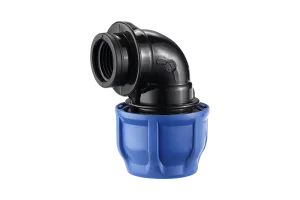
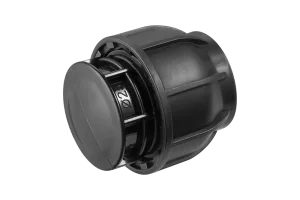
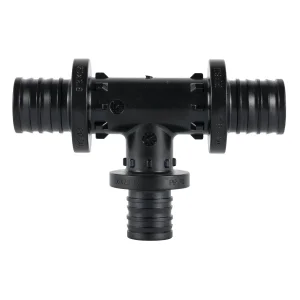
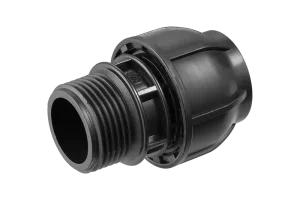
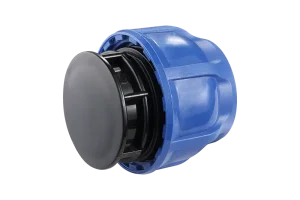
High-precision couplings, elbows, tees, and valves engineered for industrial reliability.
 Minde
Minde