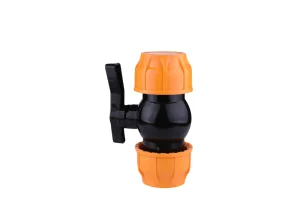
Premium ISO & CE certified HDPE compression fittings, PPR pipes, and specialized brass and poly ball valves designed for municipal pressure systems and heating systems.
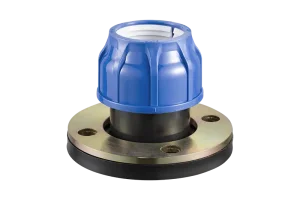
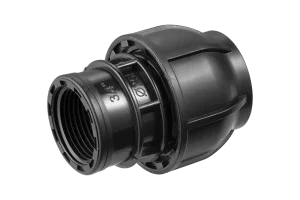
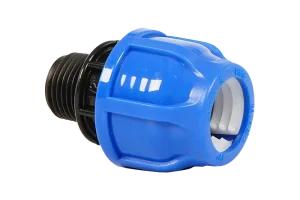
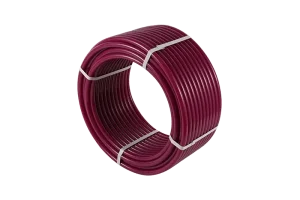
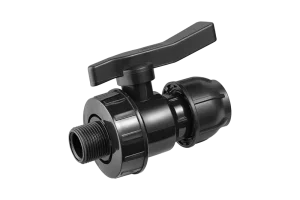
Analyzing high-density polyethylene (HDPE) integration dynamics, structural joint integrity, and market transformations across global infrastructure projects.
Modern PE100 and PE100-RC resins offer superior resistance to slow crack growth (SCG) and rapid crack propagation (RCP). These materials allow HDPE tees to withstand high internal hydrostatic pressures with thinner walls, providing optimized standard dimension ratios (SDR) and superior flow capacity.
Increasing water scarcity, aging municipal infrastructure, and rapid urbanization are driving the global demand for trenchless pipeline technologies and leak-free joints. China HDPE Tee manufacturers play a pivotal role in this supply chain, delivering highly cost-effective, premium-grade mechanical and fusion connections.
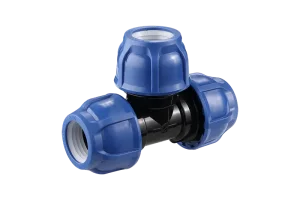
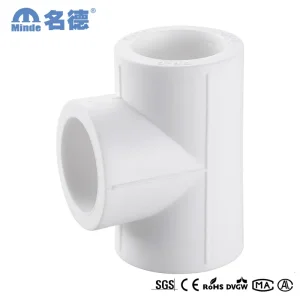
High-Density Polyethylene equal tees and reducing tees feature smooth inner profiles that minimize turbulence and friction losses. Unlike metallic alternatives, plastic branch fittings prevent calcification and bio-corrosion, maintaining consistent hydraulic performance over a 50+ year design lifespan.
In high-pressure civil and industrial water conveyance networks, the structural integrity of pipeline branch connections represents a critical engineering factor. Traditional metallic connections present constant risks of corrosion, joint leakage, and heavy hydraulic head loss. In response, modern municipal designers specify complete polyolefin solutions using high-performance HDPE pipe tees and PP compression fittings.
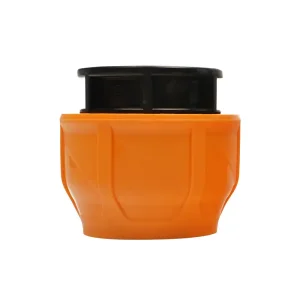
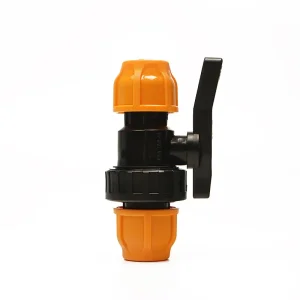
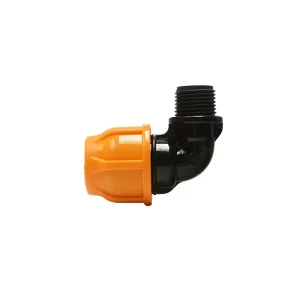
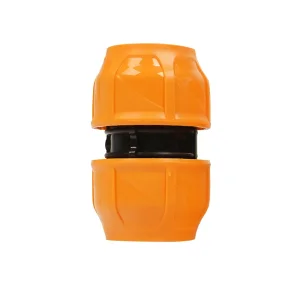
From an installation perspective, connecting HDPE lines using compression fittings, butt fusion, or electrofusion calls for different design margins. PP compression fittings (such as our PN10/PN16 series) offer rapid mechanical jointing without specialized welding machinery, making them suitable for remote agricultural setups and urban repairs. Understanding the physical behaviors of polymer compounds, including thermal expansion coefficients and viscoelastic creep deformation, remains vital for successful installation.
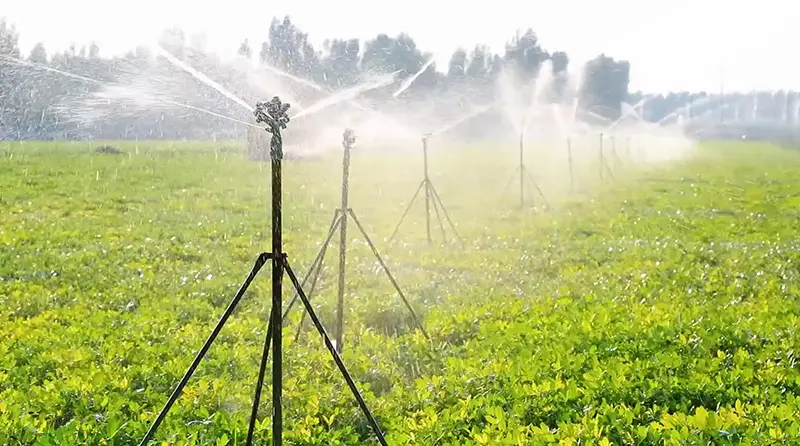
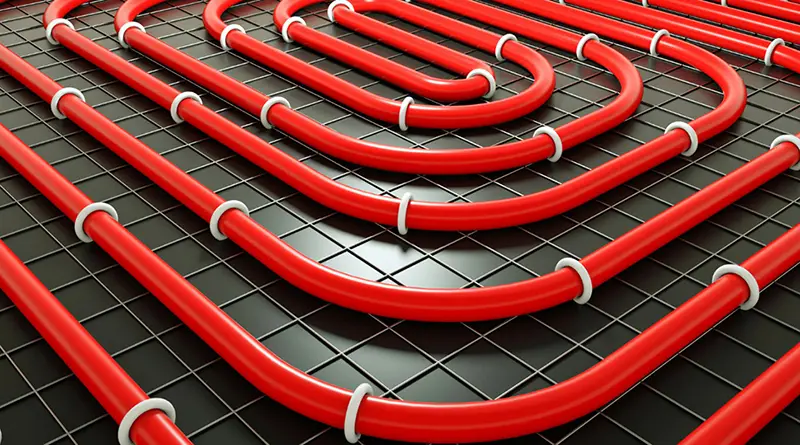
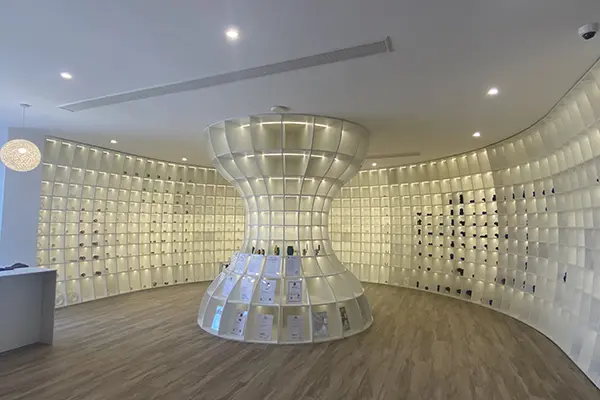
Based in Ningbo, Zhejiang Province, China, Ningbo Minde Building Materials Co., LTD. is a leading factory specializing in the production of premium plastic pipes and matched fittings. Spanning over 90,000 square meters of advanced manufacturing facilities, our company delivers engineering-grade components for residential water distribution, modern agricultural micro-irrigation, and underfloor hydronic heating systems.
To ensure 100% reliability and prevent down-system failures, we source premium imported virgin raw materials, avoiding recycled fillers that compromise tensile strength and crack resistance. Our production workflows incorporate a fully integrated automated raw material distribution system. This setup feeds our 45 pipe extrusion lines and 85 high-capacity injection molding stations, ensuring consistent polymer density and dimensional accuracy across every manufacturing run.
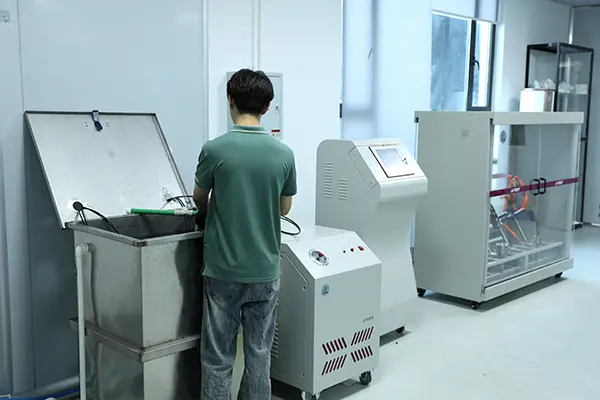
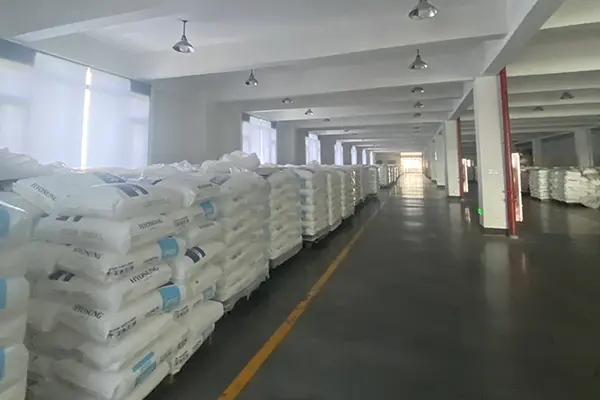
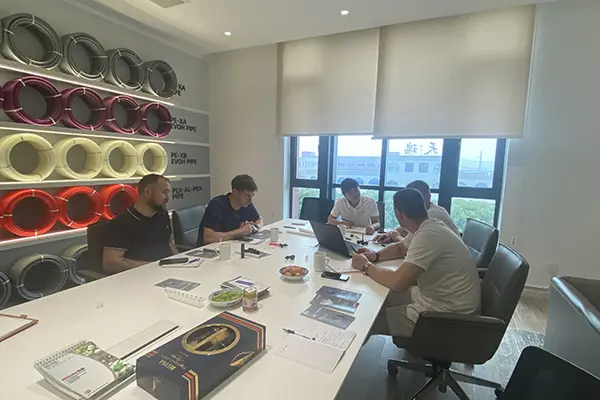
Minde operates under a strict three-point inspection framework to ensure all products meet global structural standards before dispatch.
We test every incoming resin batch for melt flow rate (MFR), raw density, and oxidative induction time (OIT). This strict testing prevents base material contaminants from reducing the long-term stress rupture life of our HDPE fittings.
During molding and extrusion runs, automated calipers and sensor arrays monitor temperature profiles and wall thicknesses in real-time. This dynamic quality control limits dimensional variance and prevents voids or internal defects.
Representative finished batch samples undergo destructive hydrostatic burst testing at 20°C and 80°C. These tests verify that our PN16 compression fittings safely exceed the required pressure safety margins.
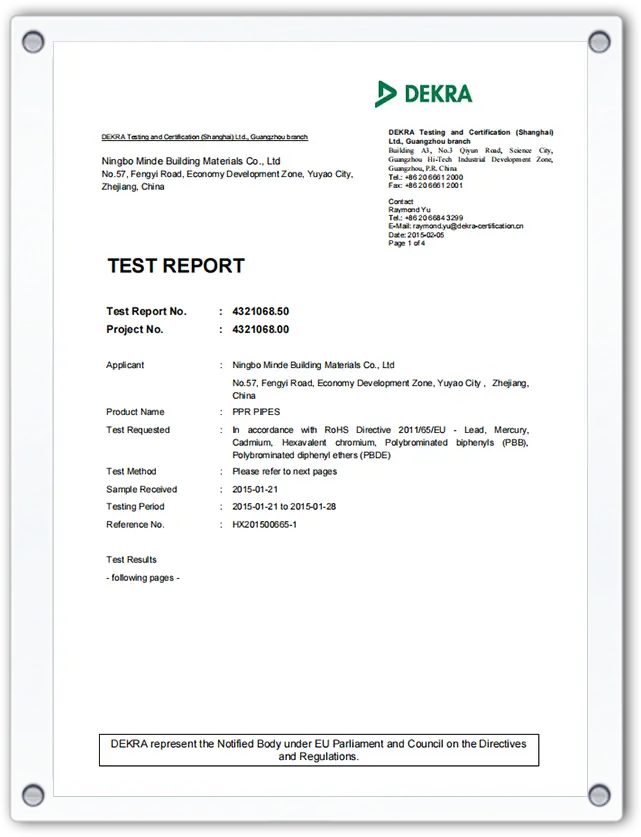
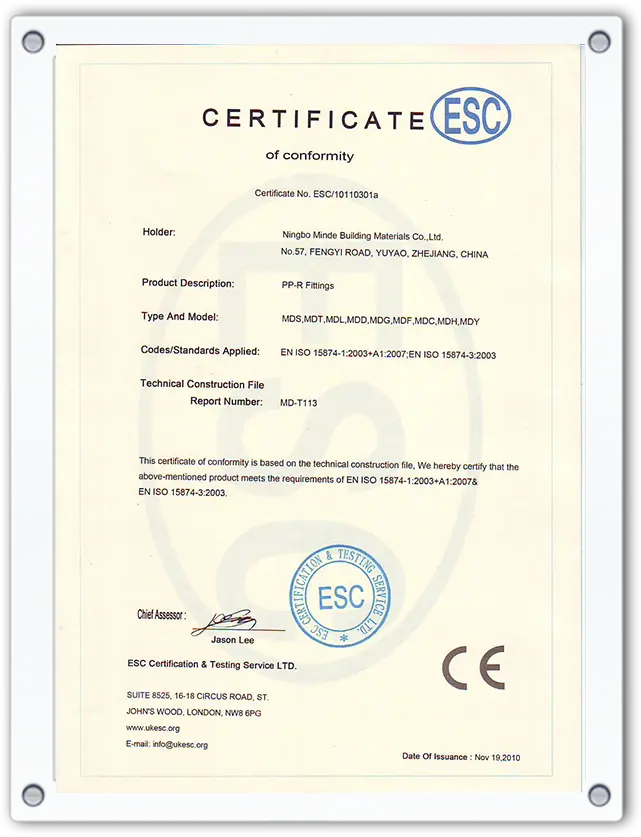
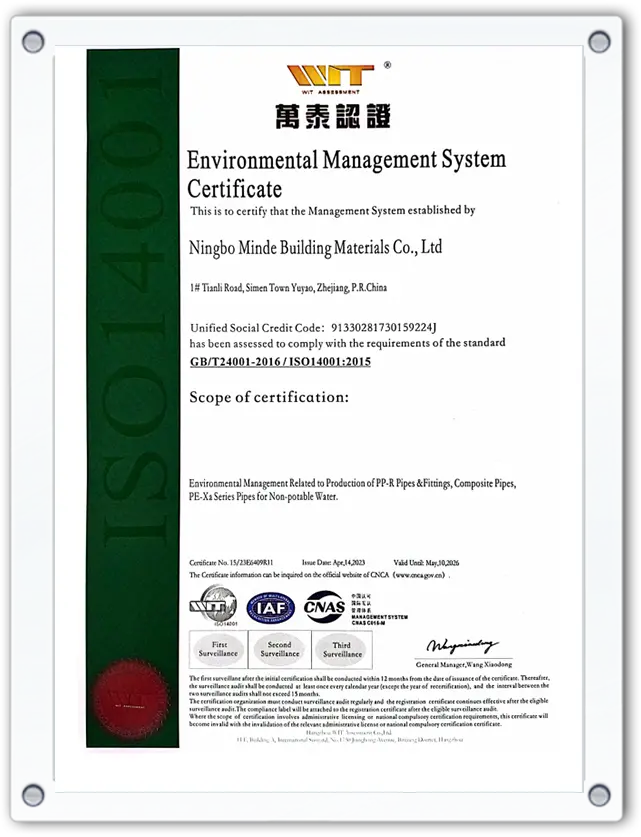
Our commitment to rigorous testing has earned our products certifications including ISO9001:2022, ISO14001, CE, British WRAS, and Russian GOST. Today, Minde pipe fittings are exported to more than 50 countries, supporting vital infrastructure developments across Russia, Ukraine, Southeast Asia, South America, and the Middle East.
Compare performance indicators, design limits, and operational parameters for compression and fusion jointing methodologies.
| Fitting Parameter / Joint Style | PP Compression (Minde PN16) | Butt Fusion Joining | Electrofusion Fitting |
|---|---|---|---|
| Nominal Pressure Range | PN10 to PN16 (1.0 to 1.6 MPa) | PN6 to PN25 (SDR dependent) | PN10 to PN25 (High reliability) |
| Installation Equipment | Standard wrench, bevel tool | Hydraulic Butt Fusion Machine | Automatic Electrofusion Welder |
| Joint Type & Structure | Mechanical (EPDM O-ring & grab ring) | Homogeneous thermal weld joint | Integrated electro-wire weld joint |
| Applicable Environments | Water supply, irrigation, rapid repairs | Long-run municipal trunk lines | Gas pipelines, high-density city networks |
| Tensile Pull-out Resistance | High (limited by nut grip) | Excellent (equal to raw pipe strength) | Outstanding (fully integrated structure) |
Selecting the appropriate joining method depends on the project's layout, line size, and operating pressure. While butt fusion remains the standard for large-diameter HDPE water mains, PP compression fittings are often the preferred choice for branch tees up to 110mm. They allow rapid assembly, minimize installation costs, and can be easily disassembled for maintenance or system updates.
From modern underfloor hydronic heating networks to municipal water infrastructure and farm irrigation projects.
Get answers to common technical queries about HDPE tees, PP compression fittings, and standard installation procedures.
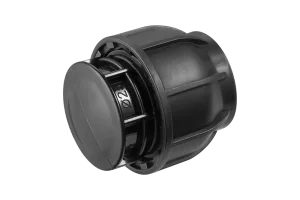
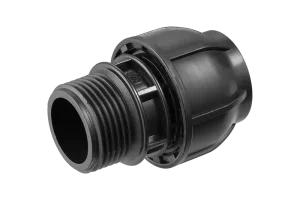
Complete your layout with our certified threaded couplings, end caps, PPR pipelines, and high-performance branch components.
 Minde
Minde